🚨Anthropic just showed a 24-minute workshop on how to actually do prompts for Claude.
Taught by the people who built it.
Free. No registration. No paywall.
I've seen $300 courses that don't cover what they teach in the first 8 minutes.
Watch it and bookmark it now!
For my first post, I’m sharing a letter @NVIDIA signed on why open models matter.
AI will transform every industry, power every company, and be built by every country.
Open models strengthen safety and cybersecurity, accelerate innovation and diffusion, and enable sovereignty.
The world needs both frontier closed models and frontier open models.
https://t.co/AUKzoQ5Ikb
9 websites where you can download unlimited books for free (completely legal):
1. planetebook. com
2. gutenberg. org
3. freecomputerbooks. com
4. zlibrary. to
5. oceanofpdf. com
6. manybooks. net
7. pdfdrive. com
8. standardebooks. org
9. digilibraries. com
CAUTION: As these are free sites, you may see Ads. Don't click on the links if you are not fully sure. Close the window if you notice any
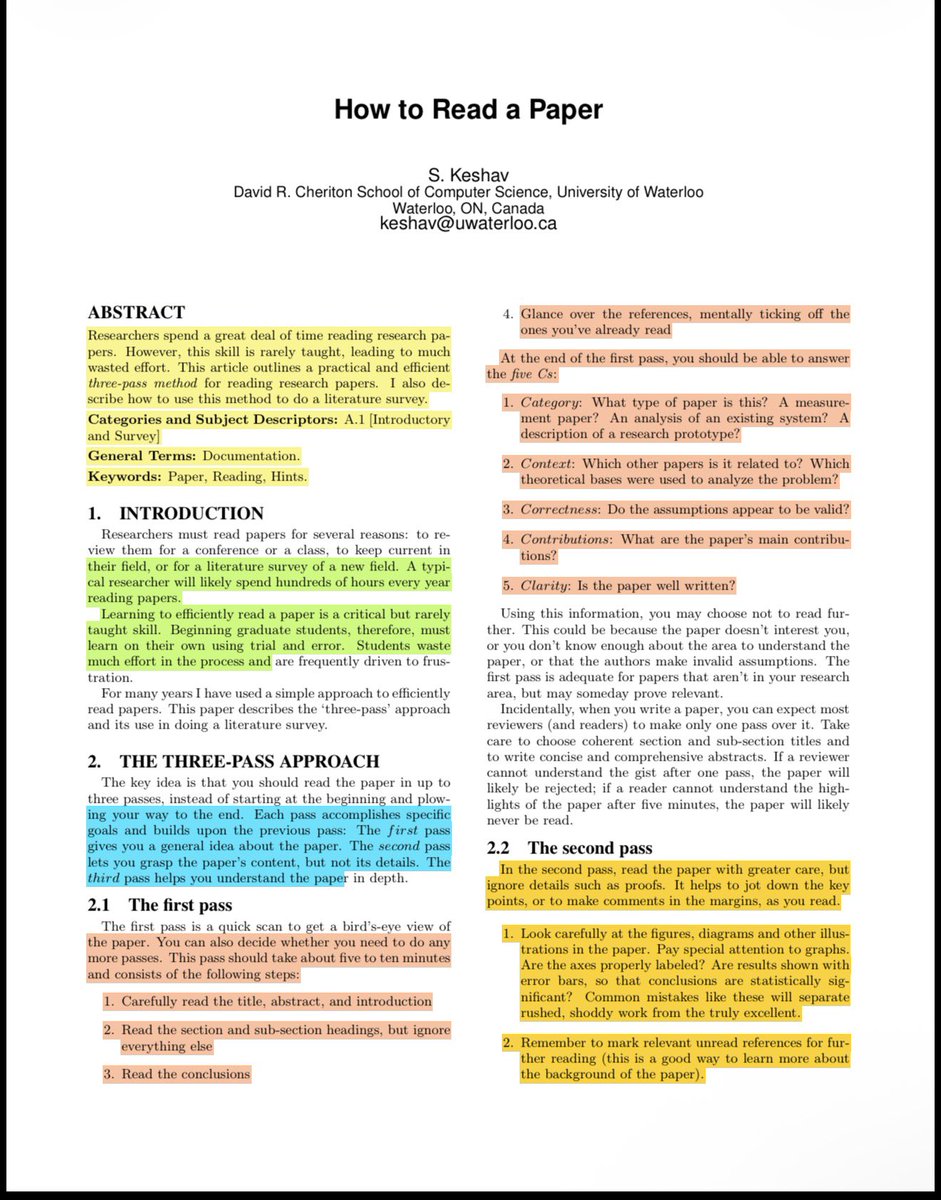
90% of students “read” research papers and still can’t explain them….This is the method I use anytime I lead a Journal Club.
I can tell in 30 seconds if you actually understood a research paper….
Most people don’t….
They “read” it…
Then they can’t explain the question, the method, or the point.
Here’s the reading method researchers are trained to use:
The Three-Pass Method.
⸻
★ PASS 1 (5–10 minutes)
Get the map, not the details
Read only:
→ Title
→ Abstract + intro
→ Section headings
→ Conclusion
→ References (quick glance)
By the end, you should be able to say:
↳ What kind of paper is this
↳ What problem is it solving
↳ What are the main contributions
↳ Do the assumptions seem reasonable
↳ Is it worth your time
If the answer is “no,” stop here.
That’s not quitting. That’s focus.
⸻
★ PASS 2 (up to 1 hour)
Understand the argument
Now read with a pen.
Your job is to track:
→ What claim are they making
→ What evidence supports it
→ What figures/graphs prove it
Study the visuals like your reputation depends on it:
↳ Are axes labeled
↳ Are error bars shown
↳ Do the results actually justify the conclusion
At the end of pass 2, you should be able to explain the paper out loud to a friend.
No notes.
If you can’t, you don’t own it yet.
⸻
★ PASS 3 (the “real researcher” pass)
Rebuild the paper in your head
This is the move that separates “I read it” from “I understand it.”
Try to recreate the work mentally:
→ Why this method and not another
→ What assumptions are hiding in plain sight
→ What would break if one assumption fails
→ What would you change if you ran the study
By the end, you should be able to reconstruct the whole paper from memory, including strengths and weak spots.
⸻
💬 What trips you up the most when reading papers?
♻️ Repost if you know someone drowning in PDFs.
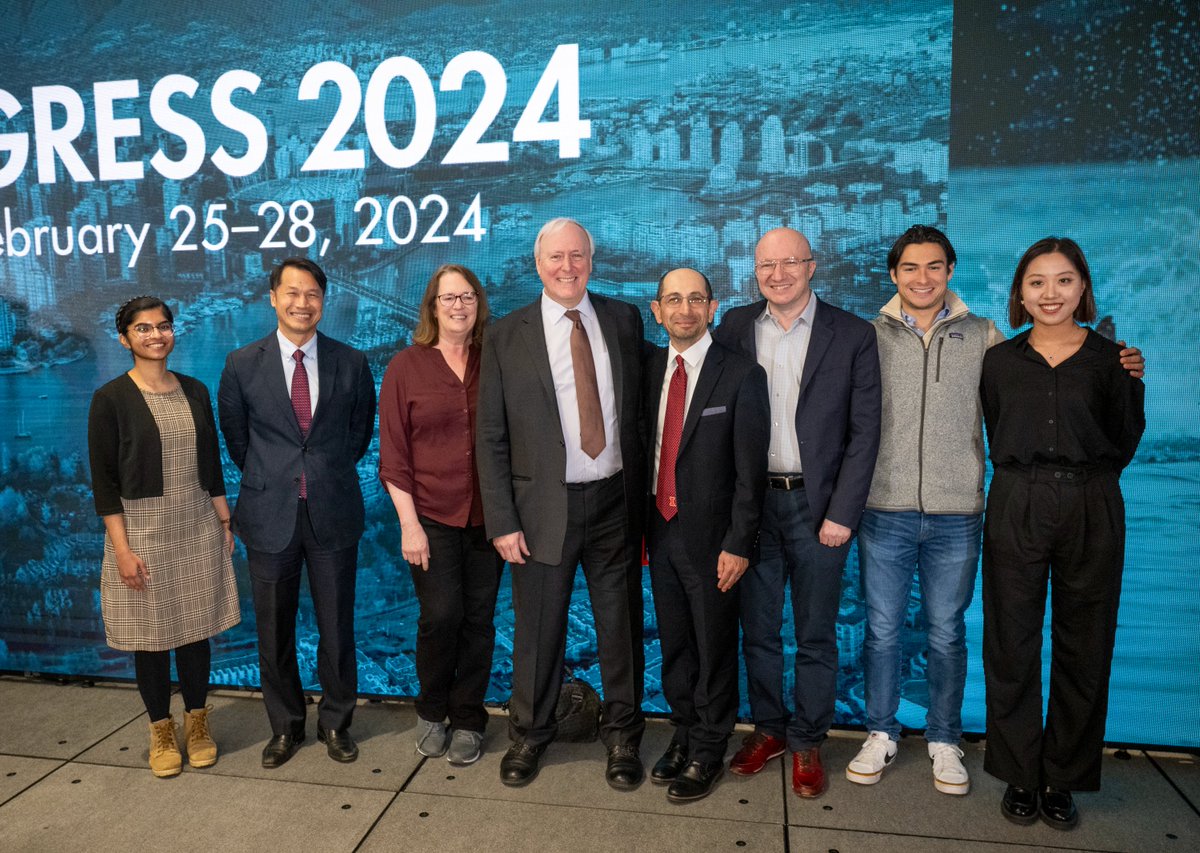
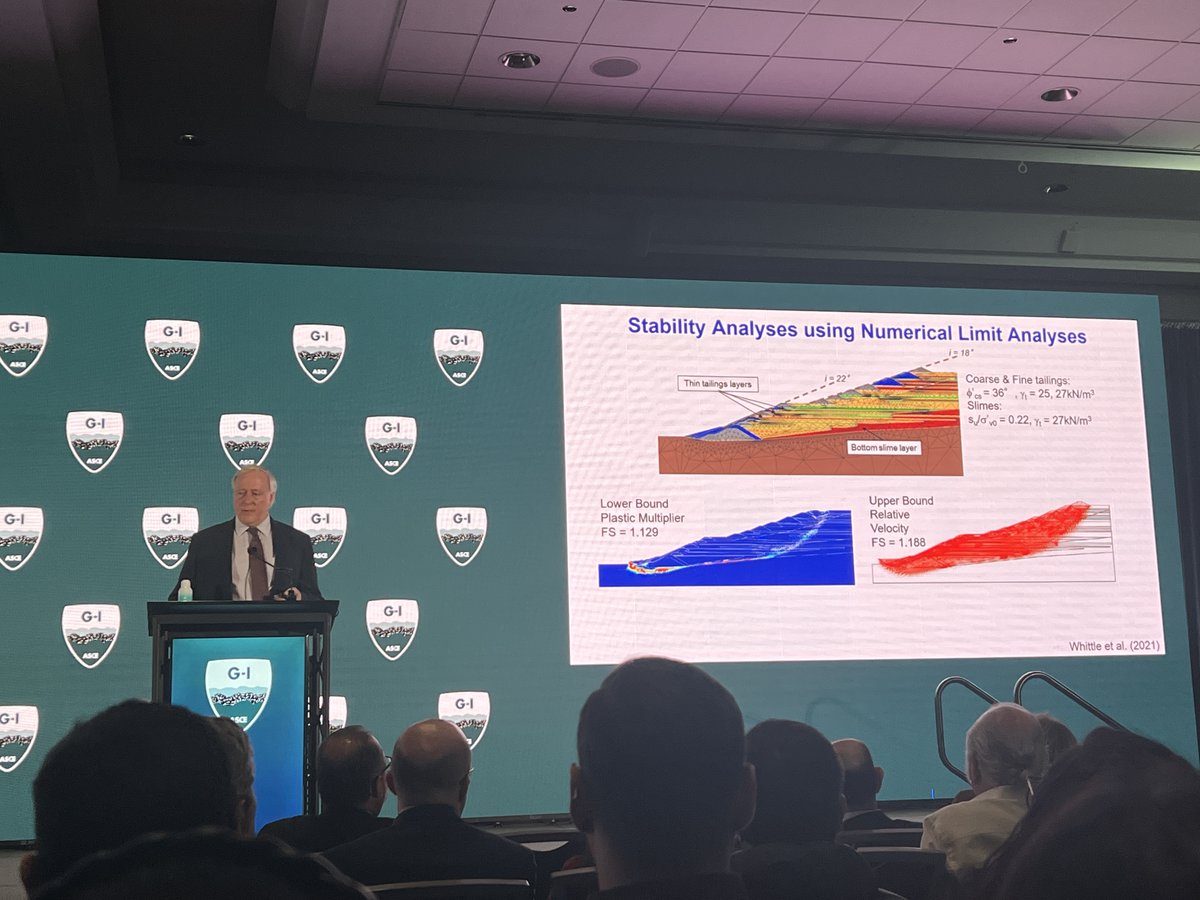
PhD student Robert Fetell attended the ASCE Geo-Congress summit in Vancouver where he was awarded 2nd place in the student research poster contest for his work "Engineering Evaluation of Satellite InSAR for Monitoring Tailings Dam Safety and Surface Deformations.”
If China dominates the 21st-century economy, its industrial policy will get a lot of the credit. But its sprawling plans are beyond mere human comprehension https://t.co/nysfmKwhon
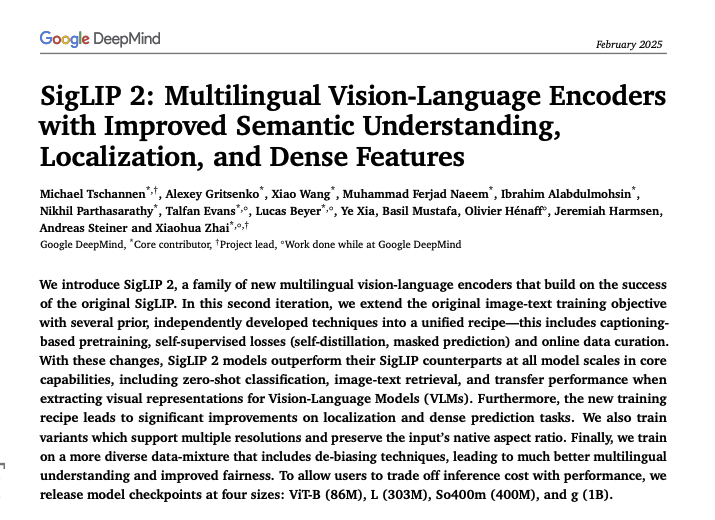
these are some computer vision papers that everyone must go through atleast once:
1. ResNets: https://t.co/yxBhh7nft0
2. YOLO: https://t.co/XC3Vkkobt4
3. DeConv: https://t.co/ZbsieOvzE1
4. GAN: https://t.co/vb6EZim9Pl
5. Unet: https://t.co/K0cESgHpcL
6. Focal Loss: https://t.co/qpSwVDUqx2
7. My fav- ViT: https://t.co/EVHX4njuvP
thanks to @Gauri_the_great for the idea to list out some paper lol
Yihong Chen, an AI researcher, recently led a study that taught a machine learning model to periodically forget its initial training. Chen and her team say the success of their approach suggests that forgetfulness may help AI generalize between languages. https://t.co/TLVdC0qgPo
The late Frances Spence (right) was born #otd in 1922.
She was a trailblazer in computer programming as one of the first programmers of ENIAC, the first general-purpose electronic computer.








![KirkDBorne's tweet photo. [1048-page PDF] MIT's "#Mathematics for Computer Science" at https://t.co/NvcSyKflGr from @MIT_CSAIL
————
#ComputerScience #Algorithms https://t.co/8tnWYNtHrd](https://pbs.twimg.com/media/GmPfwd2aQAEycKI.jpg)