Layers Protecting the Brain
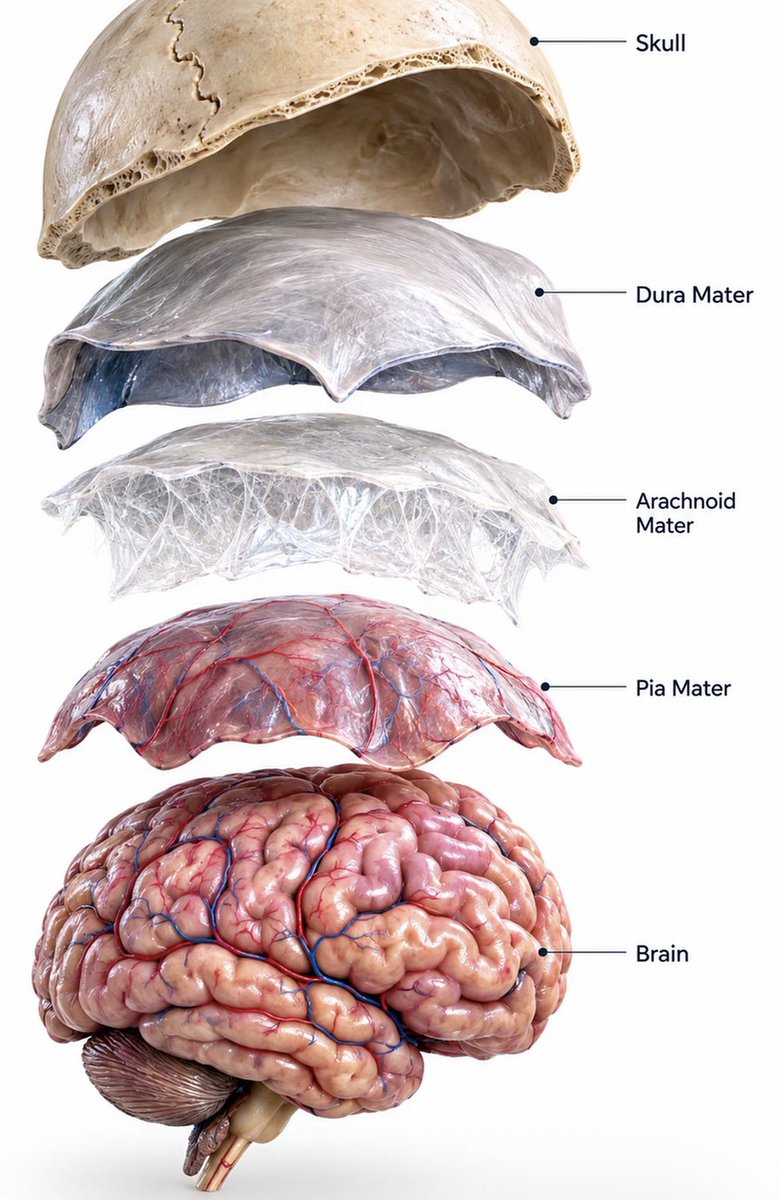
The brain is covered by protective layers called the meninges.
Skull → bony protection
Dura mater → tough outer meningeal layer
Arachnoid mater → delicate web-like middle layer
Pia mater → thin layer closely covering the brain
Brain → delicate nervous tissue
Outside → Inside:
Skull → Dura → Arachnoid → Pia → Brain
No hay desnudos.
No hay bailes hipersexualizados.
No hay gestos obscenos.
No hay letras vacías.
No hay música mediocre.
No hay voz autotuneada.
Por eso no habrá otro igual a Michael Jackson.
“The House of the Rising Sun” is one of the oldest and most mysterious folk songs in the United States, which became a rock anthem thanks to The Animals in 1964.
Its origins are lost in time. It is a traditional American ballad, likely from the 19th century or even earlier, with possible roots in old English ballads. No one knows who wrote it: it is a song of unknown authorship that was passed down orally among folk musicians, miners, travelers, and singers in the southern United States. It tells of a life ruined in New Orleans (Louisiana), at a place called “The House of the Rising Sun,” which many interpret as a brothel, a casino, or a disreputable hotel. Depending on the version, it can be told from the perspective of a woman who falls into prostitution or a man who loses himself to gambling and alcohol.
The first known recording dates from 1933–1934, when Clarence Ashley and Gwen Foster recorded it. Shortly thereafter, Alan Lomax recorded a 16-year-old girl named Georgia Turner singing it a cappella in Kentucky. Even then, it was called “Rising Sun Blues.” Over time, it was covered by artists such as Lead Belly, Woody Guthrie, Joan Baez, and Bob Dylan (on his 1962 debut album).
Everything changed in 1964. The Animals, a British band from Newcastle, heard it in Dylan’s version (and also in English folk circles). Eric Burdon and the others adapted it to their style: they gave it a darker, electric, and more powerful rhythm, with Alan Price’s famous organ riff and Burdon’s raspy voice. They recorded it in a single take on May 18, 1964, in just 15 minutes, during a break on their tour. At first, producer Mickie Most hesitated because of its length (over 4 minutes), but it was released as a single and became a massive hit: number 1 in the United States, the United Kingdom, and several other countries. It is considered one of the first great folk rock songs.
Since then, the song has been covered hundreds of times (by Nina Simone, Dolly Parton, Muse, among many others) and continues to be featured in movies, TV shows, and stadiums.
“Seven Nation Army” is one of the most iconic rock songs of the 21st century, created by The White Stripes.
It all began in January 2002 during a tour of Australia. During the soundcheck at the Corner Hotel in Melbourne, Jack White played a powerful, simple riff on his semi-acoustic guitar. He memorized it but didn’t think much of it at first. In fact, he played it for an executive at his record label, who told him he could do better. Jack considered saving it for a potential James Bond theme song, but realizing that was unlikely, he decided to use it for The White Stripes.
The title “Seven Nation Army” comes from Jack’s childhood: as a kid in Detroit, he misheard the name “The Salvation Army” and called it “Seven Nation Army.” At first, it was just a working title to remember the riff, but it ended up sticking.
The lyrics deal with gossip, rumors, and the pressure of fame. Jack said the song came from his frustration at seeing his friends in Detroit badmouthing each other. It tells the story of someone who arrives in a town and hears everyone gossiping about him behind his back. He feels so bad that he leaves, but loneliness brings him back. It is, in part, a reflection on the band’s life at that time: their growing success, media attention, and rumors about their relationship (Jack and Meg White were already divorced, but they continued to pretend to be siblings).
They recorded it in 2002 at Toe Rag Studios in London for the album Elephant (2003). It’s a minimalist track: almost everything is based on that legendary riff, with no bass (Jack used an octave pedal to make it sound like one), no traditional chorus (it was an experiment by Jack: “I’m going to make a song without a chorus to see if it works”), and Meg’s raw drumming. It was released as a single in February 2003 and became their biggest hit. It won a Grammy for Best Rock Song.
The most surprising thing is its cultural legacy. That riff became a universal anthem: it’s sung in soccer stadiums (it started in Belgium with Club Brugge and spread around the world), at protests, sporting events, and even at weddings. It’s one of those songs that everyone instantly recognizes from just the first few notes.
🚨وضعية جسمك تتحكم بها رقبتك... وليس ظهرك فقط.
ولهذا السبب تشعر بما يلي:
- ضعف في القبضة
- شد في الإبهام
- إرهاق في العضلة ثلاثية الرؤوس
- عدم استقرار في الكتف
- صعوبة في استخدام اليدين
أنت لست ضعيفًا...
⚠️ أعصابك متوترة
💡عندما تكون رقبتك غير مستقيمة:
- تتعطل الإشارات العصبية
- لا تعمل العضلات بشكل صحيح
- تنخفض القوة والتحكم
لهذا السبب:
❌ لا يكفي التمرين في الصالة الرياضية وحده
❌ يستمر الألم في العودة
✔️صحح وضعية رقبتك سيتحسن كل شيء
ابدأ اليوم👇
✔️ثني الذقن (إعادة ضبط الوضعية)
✔️تمارين مرونة الرقبة
✔️تقوية عضلات الرقبة العميقة والكتفين
👈توقف عن معالجة الأعراض وعالج السبب الجذري
COMPARTO ESTA JOYA INÉDITA EN REDES SOCIALES!
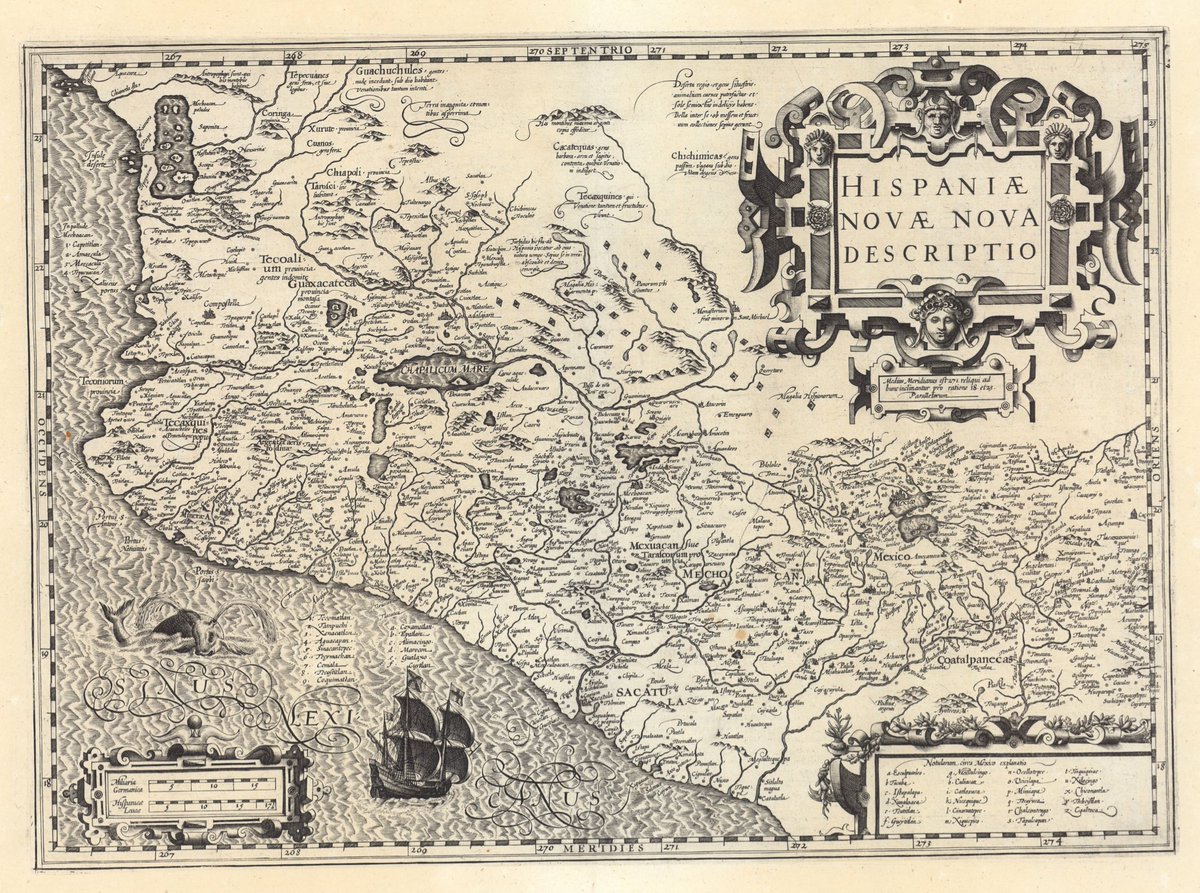
Se trata del Plano titulado Hispaniae Novae Nova Descriptivo realizado por Gerhard Mercator, Jodocus realizado en 1607! Se observa en territorio que actual conforman los estados de México, Michoacán, Guerrero Jalisco, así como Ciudad de México y otros. No dejen de observar la laguna de Chapala y la población de Tequila…
#EditorialMSP ✍️ Todos los detalles aquí: https://t.co/DiIfCvuH2b
#MSP: El lugar donde médicos, pacientes y profesionales de la salud pueden entrar. #SomosCiencia