A @getStord Company making 1-2 day delivery easy and affordable for businesses of all sizes with our on‑demand warehousing and fulfillment technology. 📦
The end of de minimis is here, and it's reshaping global e-commerce.
At Stord, we've been working tirelessly to build the tools so brands can navigate disruptions while preserving margins, and maintaining exceptional customer experiences. We are already actively helping many brands move their fulfillment and technology to the U.S. to overcome this latest shift in the e-commerce landscape.
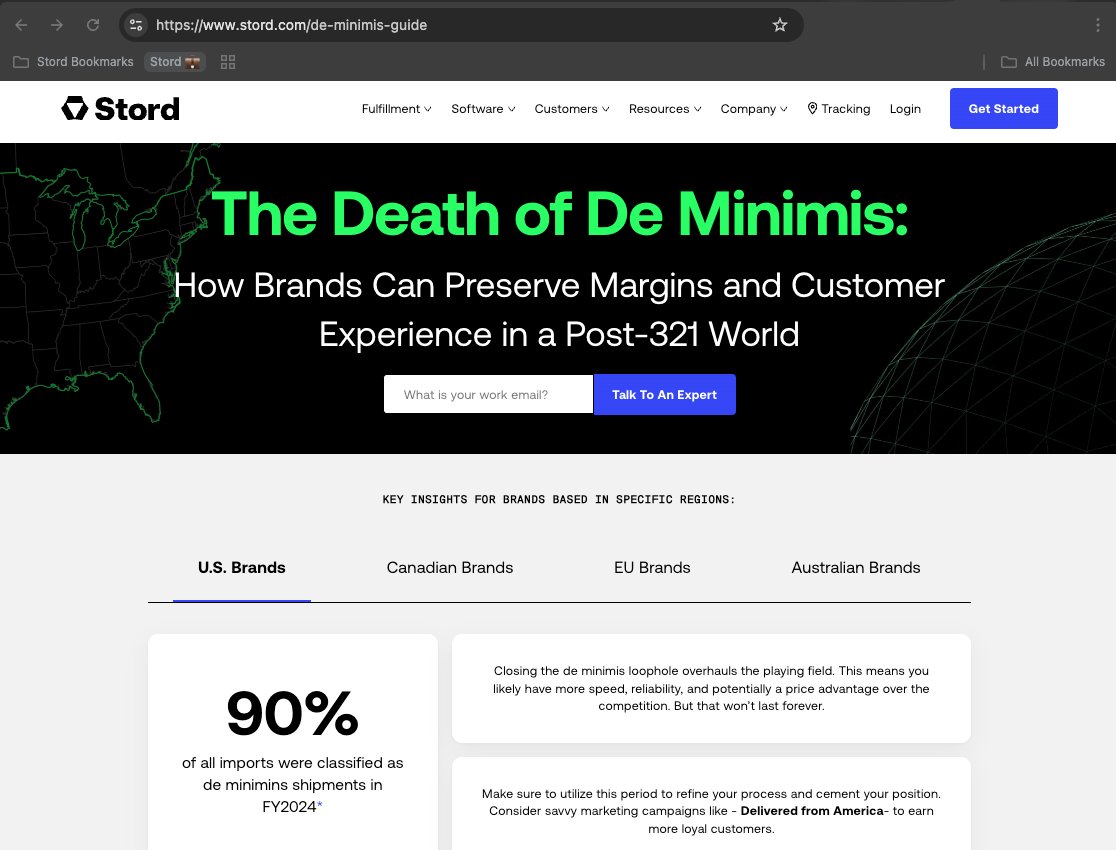
In order to help more brands, we just launched our new guide, "The Death of De Minimis: How Brands Can Preserve Margins and Customer Experience in a Post-321 World," dives deep into the immediate actions and long-term strategies necessary for success. https://t.co/ngIrWq2Asb
This isn't just about survival; it's about seizing the opportunity to build a more resilient and localized e-commerce operation.
I believe this guide will be an invaluable resource for any brand impacted by these changes.
Give it a read, and thanks to @wayflyerapp, @TwoBoxes_ , Omnifold, and @fratereturns for contributing to this piece.
In just 25 days the de minimis exemption ends.
We have already seen many brands reaching out to Stord to discuss solutions and strategies to avoid disruptions. While tariffs are getting the lion share of the coverage, this policy change will have massive impacts.
Currently 4 million shipments enter the US every day under this provision. That is an estimated one billion for hundred and sixty million shipments per year that now need a new strategy to effectively and efficiently reach a end customer.
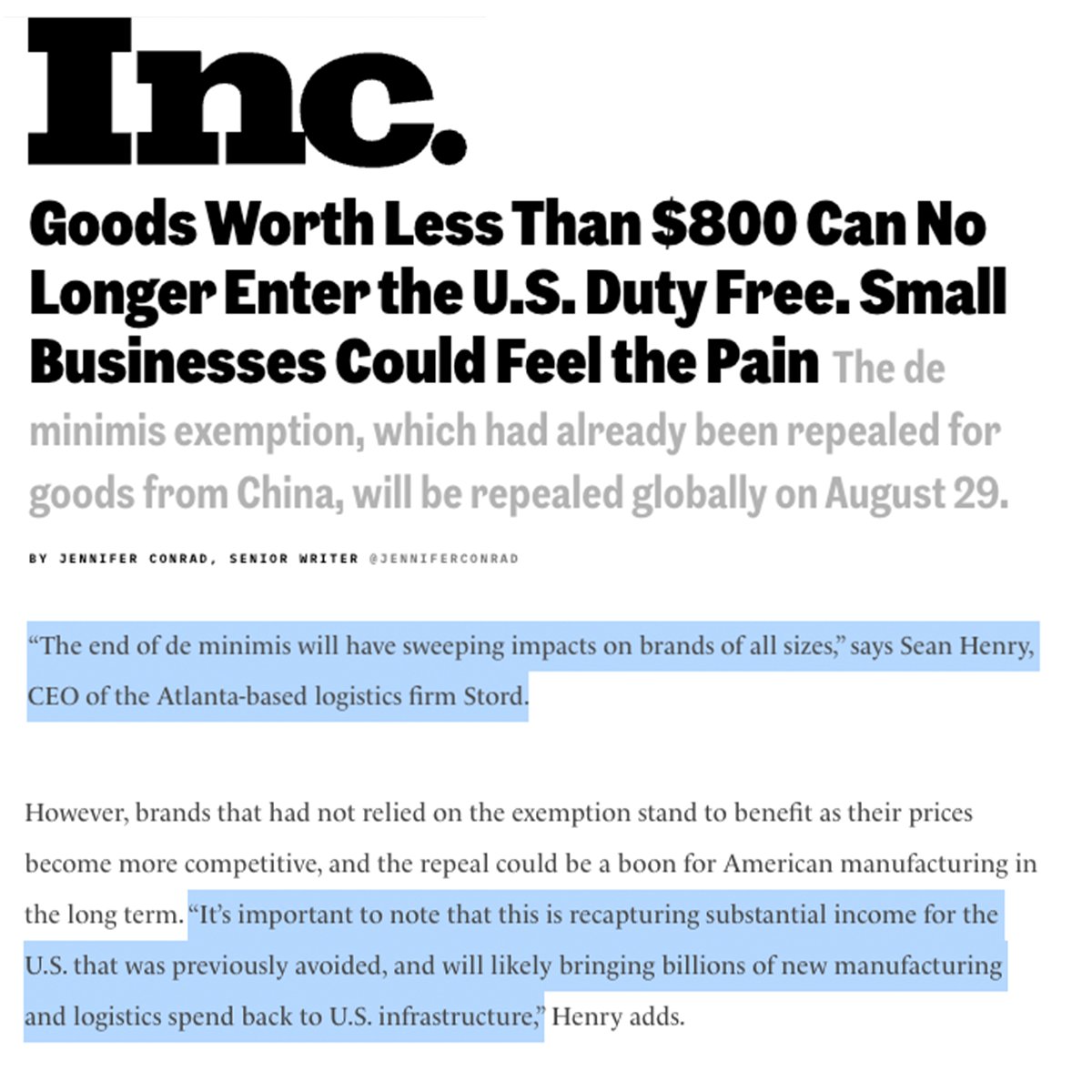
Thank you to @Inc's Jennifer Conrad for including me in this extremely important coverage. Read the entire thing here: https://t.co/pt8l0Gcqoq
The next era of global fulfillment is already upon us. I share what brands can do to manage the end of de minimis in this piece - https://t.co/BKcxjNqc92
With the recent executive order officially ending the de minimis program in the U.S., brands now face a critical 30-day window to reengineer their fulfillment strategies or risk significant cost pressures.
This is going to be incredibly challenging for brands with traditional fulfillment infrastructure to rapidly pivot and get things running before the August 29 deadline.
But https://t.co/qrl8yW5RVP is here to help.
We have built a resilient and flexible fulfillment and commerce enablement platform precisely for arenas like this.
We rerouted and moved tens of millions of units out of Mexico during the IMMEX import update this past December. We rapidly repositioned inventory from Canada into the U.S. amidst industry-shaking changes.
That’s what we are ready to do for more brands of all sizes that are dealing with this challenge today.
Hours ago, The White House announced a new executive order suspending duty-free de minimis exemption for low-value shipments.
For decades, many products under $800 could enter the U.S. duty and tax free which fueled the growth of borderless, low-cost sourcing, manufacturing, and fulfillment. That structure is now over. And the implications are massive.
While this change was planned to take effect July 1, 2027, this sudden acceleration will leave brands on their heels as they struggle to adapt.
Brands now have until August 29th to make the critical changes to ensure the health of their business and avoid disruptions to their customers.
E-commerce will not slow down or disappear because of these changes. Demand is still growing. Consumer adoption is still accelerating. What will disappear are the brands that fail to adapt to a constantly evolving environment shaped by trade, labor, climate, conflict, and any number of unforeseen changes on the horizon. Those that move decisively will fair the best. The rules have changed but it does not mean the game is over.
This sudden change to the global fulfillment landscape is shockingly similar to December's end of IMMEX in Mexico which saw brands scrambling to change their crossborder strategy coming to the United States from Mexico.
Stord helped reroute millions of units and onboard new customers rapidly, helping brands avoid the negative impacts to customers. True Classic was live and delivering orders out of our Hebron, KY facility within 19 days from signature.
If you are worried about how the end of de minimis will impact your business, DM me or reach out on https://t.co/qrl8yW6pLn.
Stord can help.
Since our founding, software has been central to our approach - and has been integrated at every level and every step along the fulfillment and commerce process.
Every fulfillment center across our multinational network is powered by our operator-built warehouse management system. Every product of the billions we have delivered has been tracked and managed within our order management system.
Hundreds of millions of dollars have been saved each year through our AI-driven parcel selection automation tool.
End consumers all over the world directly interact with our technology when selecting different ship options, shipment protection, and processing returns.
This suite of technology is the defining difference for Stord, and it is what makes it possible for us to be The Consumer Experience Company. These tools make us faster and more efficient so brands can out perform the competition on every order, every time.
Today, our technology offering takes another leap forward with the acquisition of UK-based Penny Black. Penny Black has built an innovative and turnkey unboxing solution, empowering brands to print-on-demand personalized inserts.
These hyper-personalized messages can offer tailored discounts, welcome messages, product recommendations, and more based upon end consumers buying history and habits. This effectively makes unboxing as precise of a marketing channel as email or any other digital channel, but with an unbeatable open rate. Customers have already witnessed a +300% ROI within three months and a +25% increase in average order value.
The team at Stord is thrilled to incorporate this technology into our rapidly expanding slate of solutions to drive brands increased revenue, reduced costs, and delighted customers. We cannot wait to share more capabilities with you in the near future. You can learn more about the acquisition and the capabilities here: https://t.co/yHsZMKgZ4b
Want to master TNT and revamp your eCommerce logistics? Our comprehensive guide covers everything from TNT basics to advanced optimization strategies.
Read it here: https://t.co/5ldBU8hART
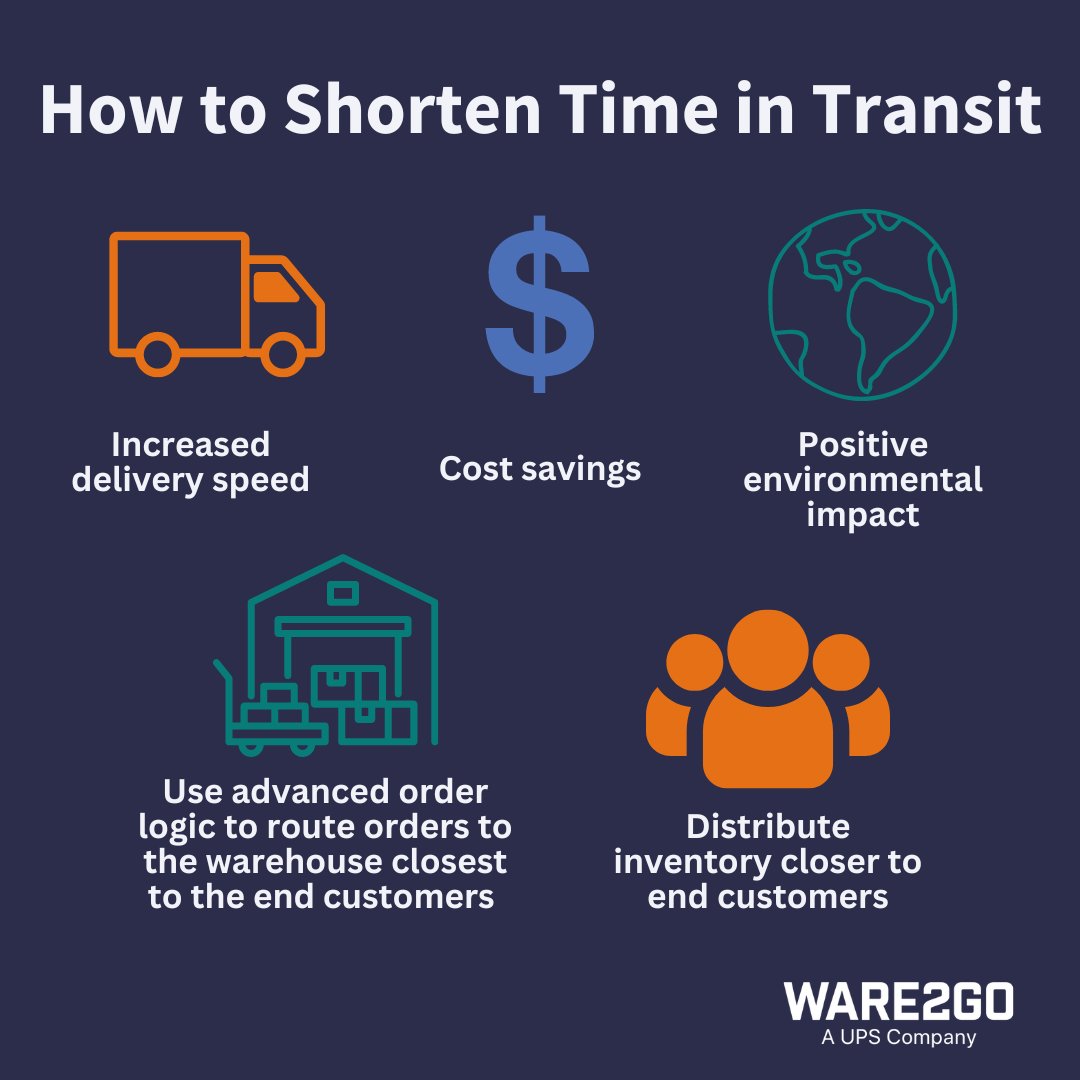
Reducing TNT can have a positive environmental impact.
88% of consumers say sustainability is important in online shopping decisions.
Learn how to make your shipping both fast and eco-friendly in our latest guide.
https://t.co/5ldBU8hART
Did you know that 43% of consumers plan to increase online shopping in the next 6 months?
Understanding and optimizing TNT gives you a competitive edge in meeting rising customer expectations.
Reducing your business's TNT offers several benefits:
1️⃣ Increased customer satisfaction
2️⃣ Lower shipping costs
3️⃣ Reduced risk of damage in transit
4️⃣ Improved inventory turnover
The result? You get to customer expectations, one delivery at a time.
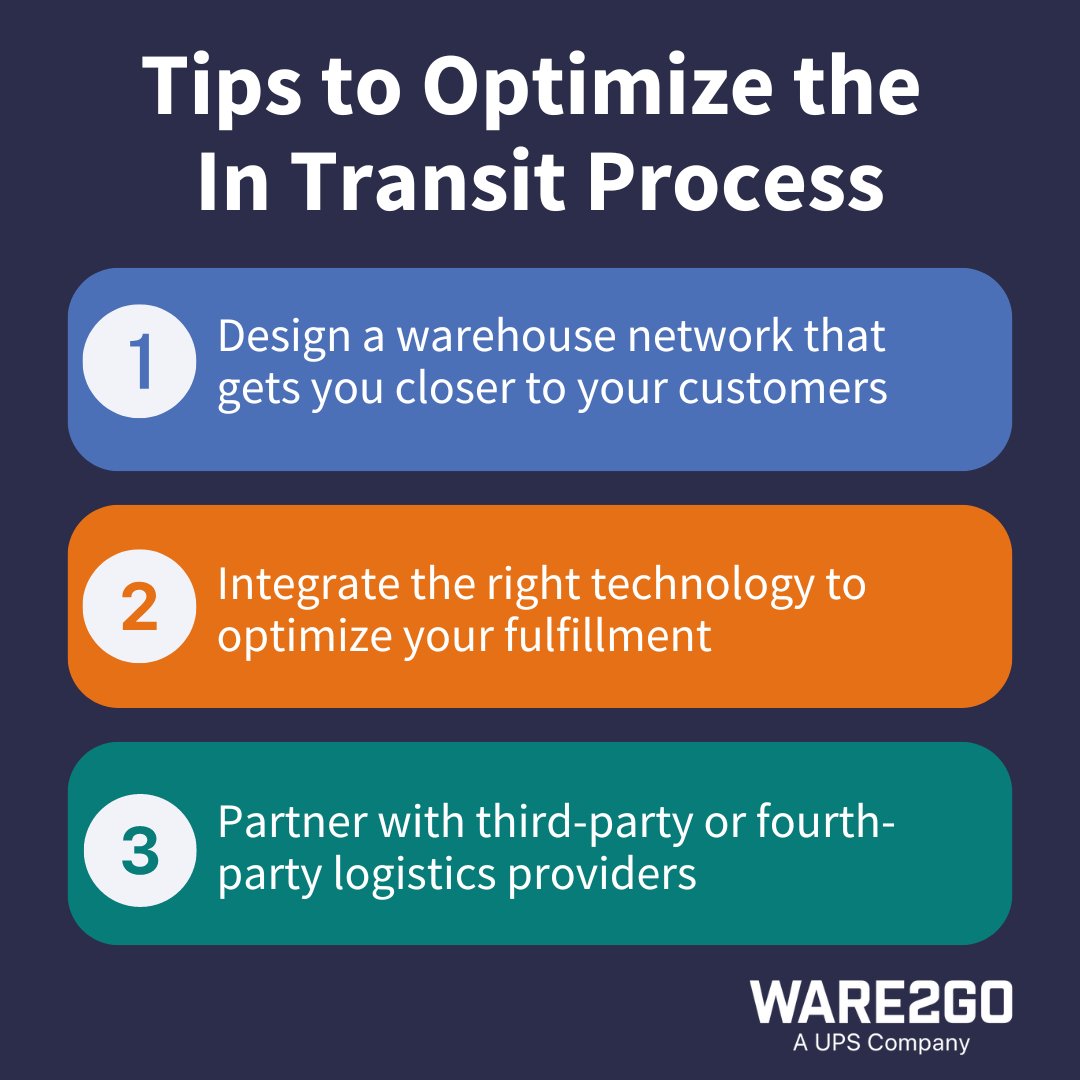
Use these strategies to optimize TNT:
📍 Forward-stock inventory closer to customers
🚚 Choose the most efficient transportation modes
📊 Implement real-time tracking and monitoring
Optimizing TNT can significantly impact your customer satisfaction and bottom line.
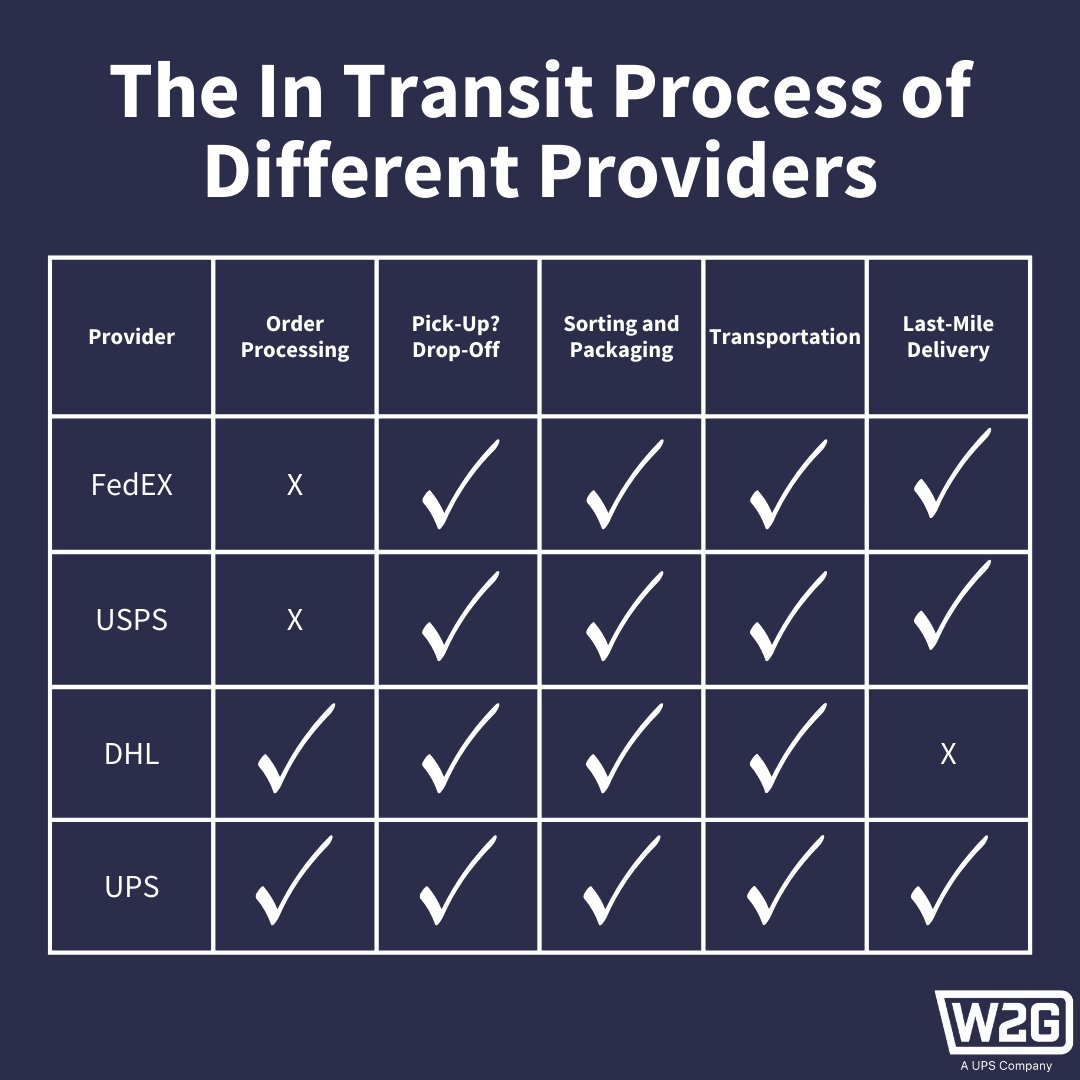
Unless you're teleporting products, Time in Transit (TNT) is crucial for your eCommerce success.
In fact, it's key to boosting customer satisfaction and minimizing shipping costs.
Ready to master LTL and FTL shipping?
Our comprehensive guide covers everything from basics to advanced strategies.
Read it here: https://t.co/VzTpfyG7ly
#LogisticsManagement#eCommerce#Shipping
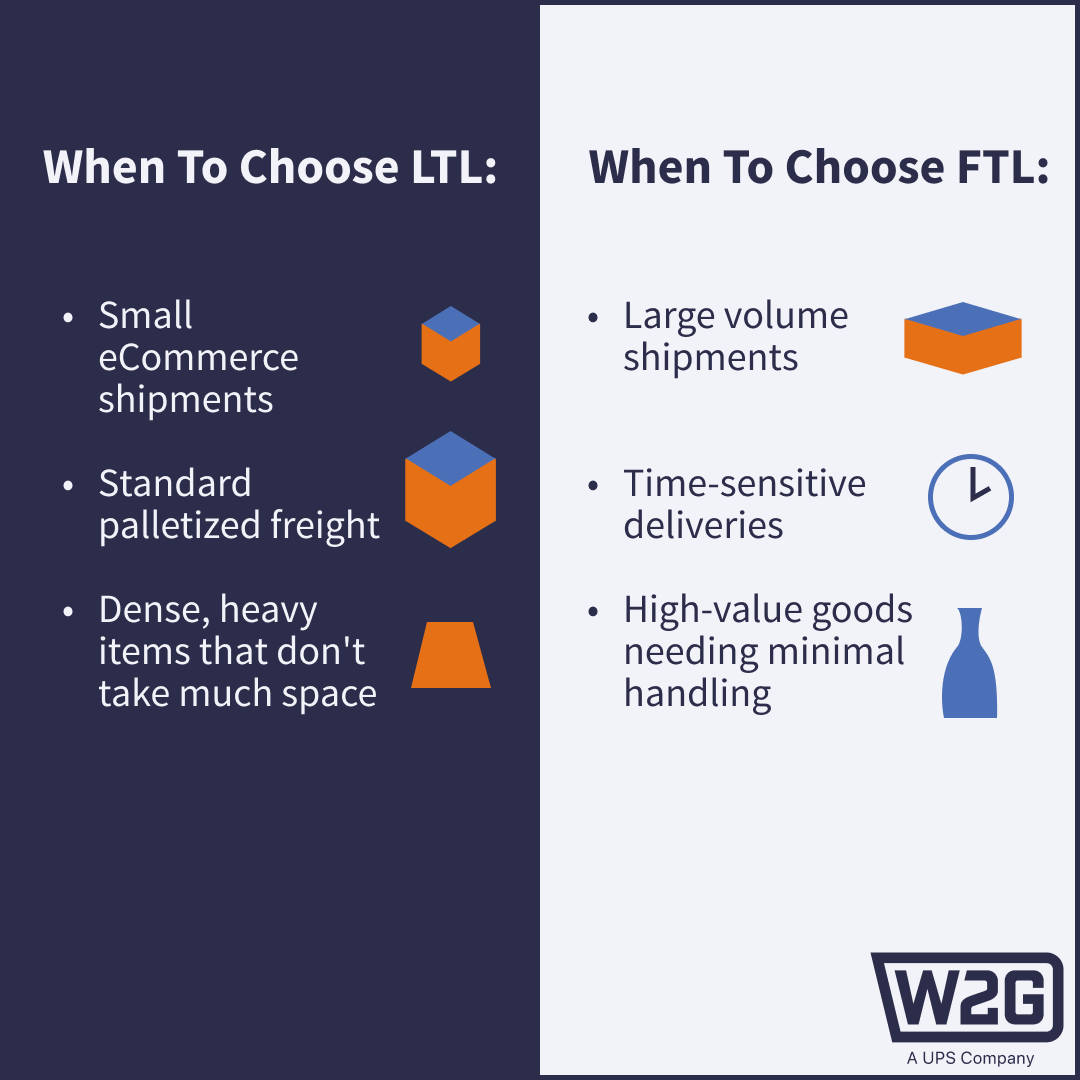
A simple way to find your shipping mode.
Choose LTL for:
• Small eCommerce shipments
• Standard palletized freight
• Dense, heavy items that don't take up much space
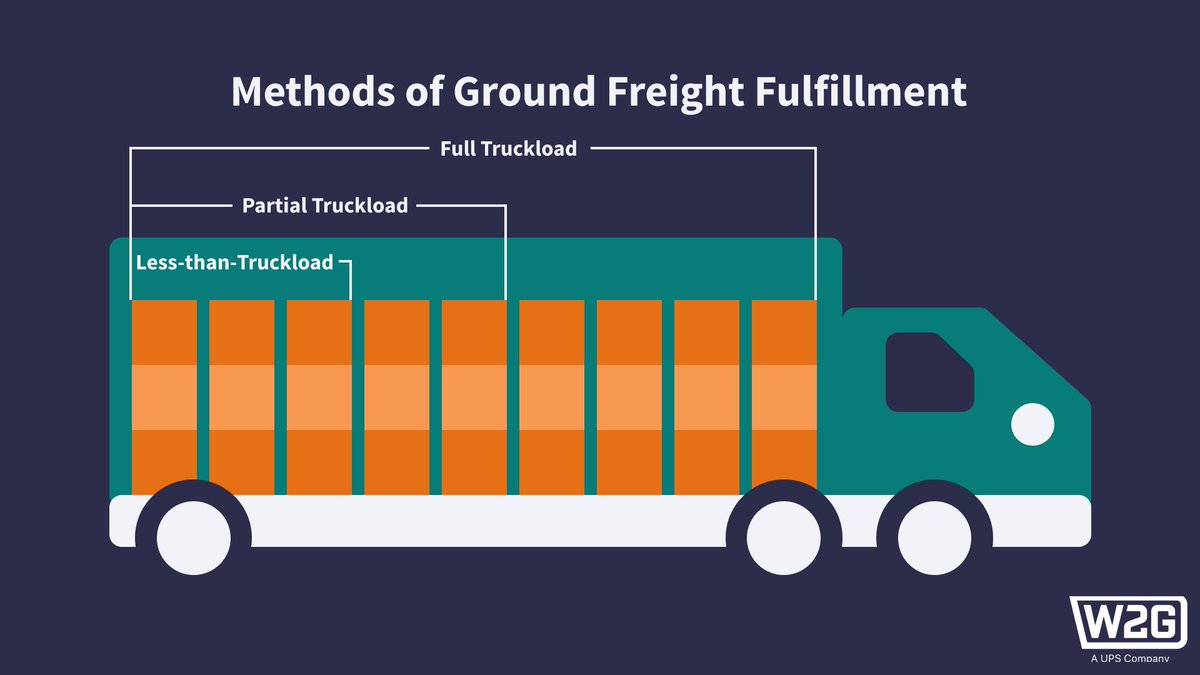
Choosing between LTL (less-than-truckload) and FTL (full truckload) shipping can make or break your logistics strategy.
It's not just about size — it's about optimizing costs, speed, and product safety.