🇿🇦 A threat actor operating under the name “Nullsec” is claiming responsibility for compromising State Information Technology Agency (SITA), the government-owned IT agency responsible for providing technology services to multiple South African state institutions.
According to the underground post, the alleged leak contains:
• names
• Gmail addresses
• password hashes
• plaintext/non-hashed passwords
• platform access information
The actor also references a downloadable leak package, suggesting the data is being publicly distributed rather than used solely for private extortion.
This is particularly significant because SITA plays a critical role in South Africa’s governmental digital infrastructure and supports numerous public-sector services and departments.
If authentic, even limited credential exposure tied to SITA environments could create risks including:
• government account compromise
• credential stuffing across public-sector systems
• phishing against officials
• lateral movement into connected agencies
• intelligence collection operations
• impersonation attacks targeting government personnel
The mention of both:
• hashed passwords
• non-hashed passwords
is especially concerning because it may indicate:
• poor credential storage practices
• plaintext credential exposure in logs/configurations
• legacy systems
• improperly secured exports
Another notable detail:
the actor specifically references “platform of entry,” which may imply:
• initial access vectors
• exposed panels
• compromised portals
• reused credentials
• third-party vendor access
From a geopolitical and cyber-intelligence perspective, government IT agencies remain extremely high-value targets because they often act as centralized technology hubs connecting:
• ministries
• citizen services
• procurement systems
• government email infrastructure
• identity systems
• interdepartmental platforms
Compromising a centralized IT provider can create cascading downstream exposure across multiple agencies.
At this stage, the authenticity and scope of the claims remain unverified.
Possible scenarios include:
• partial credential leak
• recycled datasets
• old credential dumps
• third-party contractor compromise
• phishing-derived access
• exposed development systems
• limited internal panel exposure rather than full infrastructure compromise
Still, organizations connected to public-sector ecosystems should immediately review:
• password reuse exposure
• MFA enforcement
• privileged account activity
• SSO integrations
• VPN access logs
• credential rotation policies
• exposed admin portals
• government contractor access
• suspicious authentication attempts
This incident also reflects a broader trend:
threat actors increasingly target centralized government technology providers because compromising one operational hub can potentially provide access paths into multiple institutions simultaneously.
🇿🇦 #DDW #Intelligence #CyberSecurity #SouthAfrica #SITA #DarkWeb #ThreatIntelligence #GovernmentSecurity #DataLeak #OSINT #Infosec #CyberThreats #CredentialLeak #PublicSectorSecurity
Meet Google Sans Code — the new font meticulously crafted for coders, made by @Google! It blends geometric precision with a touch of calligraphic flair in a fixed-width design that's super easy to read, even at tiny code editor sizes. Say goodbye to squinting and hello to clear, beautiful code! ✨
@DannyvanVuuren@SABC_Sport For some reason SABC2, which was supposed to air the game live, is showing some ancient movie instead, and I'm super confused
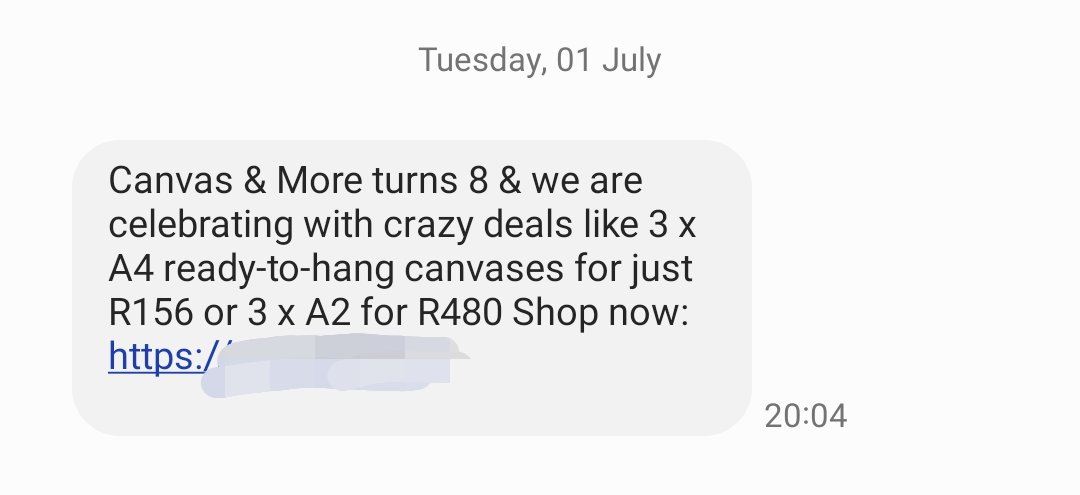
@canvasandmoresa I've never opted in to your SMS marketing, have previously asked to be removed, and am still being sent messages. Your texts need to have an opt-out mechanism!! Fix this