Understanding history requires looking beyond the surface events that usually make it into standard textbooks. While slavery is often depicted as a single, isolated era in history, the reality is that it formed the foundation for a vast network of oppression that spans centuries and continents. The visible institution of slavery was just the tip of an iceberg, supported by a massive underwater structure of institutional racism, economic exploitation, and social control. Concepts like Jim Crow laws, segregation, social Darwinism, and mass incarceration are not separate historical occurrences, but direct continuations of the same framework designed to disenfranchise Black communities.
When we analyze modern systemic inequality, we have to recognize that these issues do not exist in a vacuum. The deep-seated biases embedded within housing markets, justice systems, and political structures today trace their roots directly back to these historical systems. By examining the full scope of this impact rather than just the most obvious historical markers, we gain a clearer picture of why systemic reform remains so crucial today. True progress requires addressing not just the visible symptoms, but the foundational structures that continue to uphold inequality across society.
If you love our content and would like to support the page, you can buy us a coffee here: https://t.co/K1AhtZuOFs (I also post blogs there and have a book club)—
This is the white ghetto that racists don't want us to see. High welfare use, single moms, inbreeding, drug and alcohol abuse. It represents what life is like for millions of whites but the media only focuses on denigrating Black Americans.
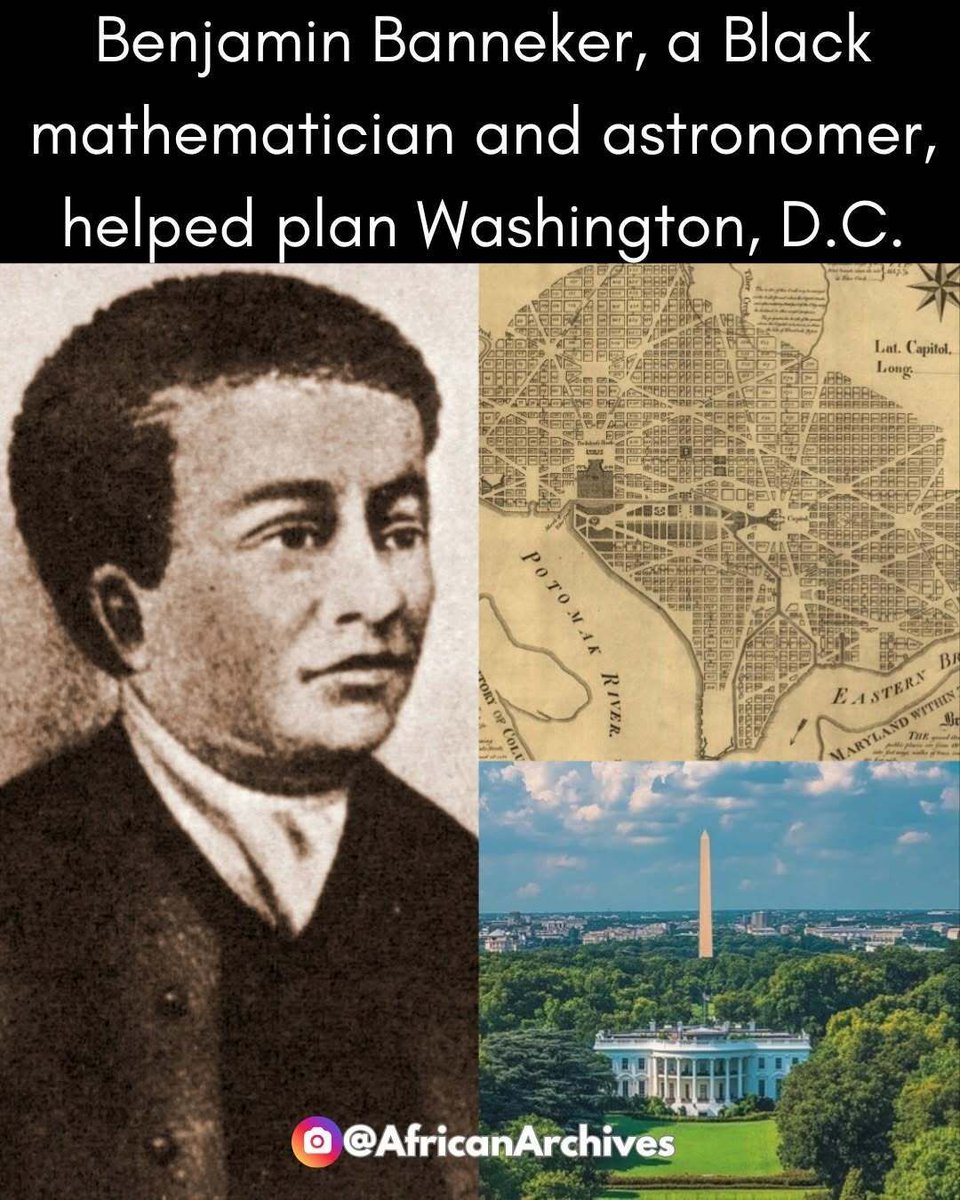
Born free in Maryland in 1731, Benjamin Banneker became one of the most remarkable Black intellectual figures of early America. With relatively little formal schooling, he developed a deep knowledge of mathematics and astronomy and became known for his ability to make complex calculations. As a young man, he even constructed a wooden striking clock after examining a pocket watch, reportedly keeping it operating for decades. His achievements were especially significant in a society where slavery remained widespread and opportunities for Black Americans to receive advanced education or gain recognition for scientific work were severely restricted.
In 1791, Banneker joined the surveying team led by Major Andrew Ellicott, who had been appointed to survey the boundaries of the new federal district that would become Washington, D.C. Banneker's role involved astronomical observations and calculations that helped the surveyors establish accurate positions in the field. He worked with the team during the early stages of the project, making him a documented participant in the creation of the nation's new capital. A popular story later claimed that Banneker reconstructed Pierre L'Enfant's entire plan for Washington from memory after L'Enfant left the project, but historians have found no reliable evidence for that story. Banneker's genuine contribution as an astronomer and surveyor is impressive without adding that legend.
Banneker became even more widely known through the almanacs he published during the 1790s, which contained astronomical calculations, weather information and other material useful to readers. In 1791, he also sent a copy of his work to Thomas Jefferson along with a remarkable letter challenging Jefferson to recognize the contradiction between America's declaration of human equality and the continued enslavement of Black people. Banneker directly confronted assumptions about Black intellectual inferiority using both his words and his own accomplishments as evidence.
Benjamin Banneker died in 1806, but his life complicates any version of early American history that leaves Black scientists and intellectuals on the margins. He was calculating astronomical events, publishing scientific information and challenging one of the nation's most prominent political figures during the founding era itself. His story reminds us that Black achievement in American science did not suddenly appear generations later. It was already present while the United States was still being built.
If you love our content and would like to support the page, you can buy us a coffee here: https://t.co/K1AhtZuOFs or tap Link in Bio
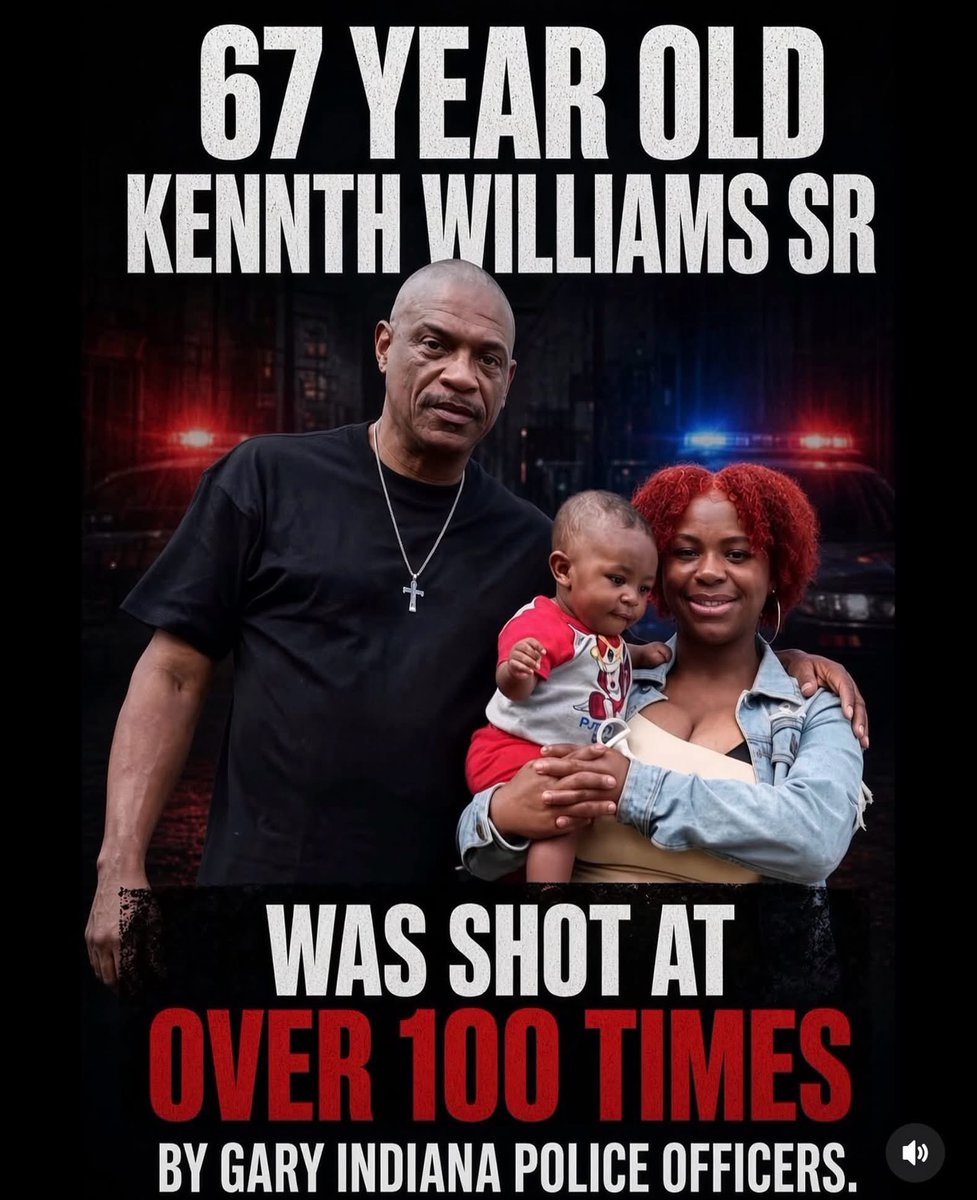
67 year old Kenneth Williams Sr was fatally shot last Friday in Gary by police officers and Lake County, Indiana sheriff’s deputies while working a security guard shift near City Hall.
Our elder was a security guard for over 10 years and those cowards emptied their magazines, murdering him on his son’s birthday. Over 100 shots were fired.
JUSTICE FOR KENNETH WILLIAMS SR!