كان الدرس الأول بعنوان "أساليب السرد وعوامل التحفيز"، ودورها في التأثير على الناس في اختيار المشروعات التي يساندونها في مجال العملات الرقمية وبروتوكولات التمويل اللامركزي.
#crypto#كريبتو#DeFi#التمويل_اللامركزي
بدأت مؤخرا دورة تدريبية حول التحليل في مجال التمويل اللامركزي، وسأشارك هنا بعض المقتطفات منها.
للمهتمين: 👇
https://t.co/s7H3GmxxZE…
#DeFi#التمويل_اللامركزي
Create a daily research routine and stick to it.
Doomscrolling Crypto Twitter all day is fun, but it's not the most efficient use of your time.
Here's a fun way of looking at my general workflow.
In 2018 we blamed the lack of infrastructure as the main roadblock to onboarding mainstream users to crypto.
Since then, the industry has made considerable progress on that front. So why haven’t we seen more adoption?
I think the cardinal sin of crypto has been that most interest has been tied to speculation: the financialization of “X”
Speculation is not bad, per se, but it does influence the user’s mentality to have a different set of expectations relative to Web2. A subset of users equate the value of Web3 services to the price of the token - which is inherently volatile in this early stage. That wasn’t the case in Web2.
Users always have a motive but they didn’t create an email account, social media profile, and used other internet services with that financial expectation in mind. Some realized along the way they could monetize (see influencers) but the vast majority of users don’t have this as top of mind.
The monetization model of Web3 is different than Web2 where most services are free to use and subsidized by owners who monetize by selling ads.
Most Web3 services are incentivizing users thru airdrops or some other reward mechanism. This may seem artificial growth but it’s an essential component for decentralization. Web3 protocols give users part ownership in the protocol through work tokens. The effectiveness of many these programs (ie retention of users) is questionable but it’s a structural issue. Philosophically, shared ownership is the main distinction between Web3 and Web2 where contributors (not just owners) are equitably compensated for their contributions.
Ultimately, crypto platforms and services are a departure from Web2 monetization models. The user is also an owner but that introduces a new mental overhead leaving a subset of users too fixated on price.
That’s not to say this will impede Web3 from reaching mainstream. In spite of all the experimentation and perhaps lack of mainstream adoption, my hypothesis still is that Web3 platforms stand to create greater utility/consumer preference to convince users to switch to this new model.
But you could argue this new model introduces noise and leaves some users disappointed given the volatility in price of tokens, which leads to churn.
I’m optimistic the underlying value proposition of crypto will resonate with consumers and builders. Given the choice of using a Web2 vs a Web3 platform, creators should prefer the one where they are compensated more equitably. Better content attracts more users, and the growth flywheel is set in motion.
Games are another promising area but much less developed today. Web3 games that are at feature parity with Web2 games like WoW and COD will take a lot of time to build. Is it possible? Yes, and my bet is that talented builders will continue to enter the space. Smart people prefer to build in open source communities vs closed ones. That’s another fundamental thesis of why Web3 will thrive.
So what’s the point of this rant? I’ve been thinking of the catalysts that take us mainstream - the “email moment” of crypto. Maybe I’m naive and it’s already here: stablecoins. But adoption - at least in terms of # of users - is not where I think it should be to classify it as mainstream.
Infrastructure is not to blame this time. So what is it? Clunky front ends? Regulatory uncertainty? Too much financialization?
I think easier onboarding (on-ramps) and key/wallet UI/UX (account abstraction) may take us to the promise land where users start using crypto applications without realizing it or having to change and learn new behavior (Web2 flow with Web3 on the backend).
Maybe we’re still too early and more infrastructure is needed. We won’t know if that’s the case until a spike in demand tests the capability of these protocols.
In short, it’s tough to pinpoint why we haven’t reached mainstream and when we’ll get there. We’re not there yet but I think we’re not far. It’s always darkest before dawn 🌅
The key to building in this space is having enough revenue to offset potential losses that come from giving rewards and things to holders.
It makes it clear that your business needs to extend beyond a Web 3.0 audience if you want to scale.
#Film3 is all about creator led communities [especially the under served] being the engine behind the projects by owning the IP, from financing the project, to skin in the game amplification marketing to built in audience distribution seeing their stories represented on screen.
يسعى الجيل الثالث من وسائل التواصل الاجتماعي إلى منح المستخدمين ملكية بياناتهم وإمكانية أخذها معهم عند انتقالهم من تطبيق إلى آخر.
#wb3rb#ويب3#web3#تواصل3#social3
https://t.co/X3XToWTqZp
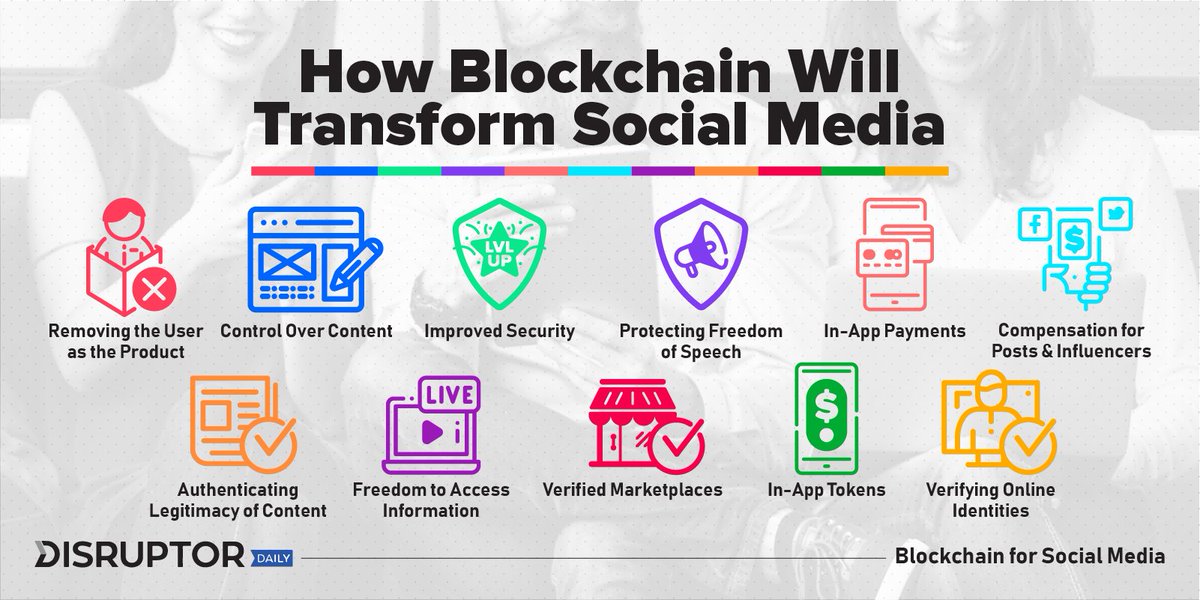
سيح��ث الجيل الثالث من الويب طفرة في وسائل التواصل الاجتماعية بطرق عديدة، لعل أهمها هي:
• التخلص من معاملة المستخدم كمُنَتج
• تحكم أكبر للمستخدم في المحتوى
• تحسين الأمن
• حرية أكبر للوصول إلى المعلومات
#wb3rb #ويب3 #web3
Web3 transforms social media with protocols and apps that are tailored for users and creators:
• removing user as product
• control over content
• improved security
• in-app payments
• compensation
• verifying online identities and more