最近在带入组的本科实习生,发现怎么读论文其实是科研训练里最容易被忽略的一步。
推荐一篇每个科研新人都该读的经典短文:S. Keshav 的 How to Read a Paper。
文章提出了非常实用的“三遍读论文法”:
第一遍,5 到 10 分钟快速扫读:标题、摘要、引言、章节标题、结论和参考文献。
目标是回答 5C:
Category, Context, Correctness, Contributions, Clarity。
也就是判断这篇论文是什么、和谁相关、假设是否合理、贡献是什么、写得清不清楚。
第二遍,认真读论文主线,但先跳过证明细节。重点看图表、实验设置、结果是否清楚、引用了哪些关键工作。
第三遍才进入深度理解:尝试像复现一样重建作者的思路,检查假设、方法、创新点和潜在漏洞。
放在今天看,这个方法和 AI 辅助读论文其实很契合。
第一遍可以让 AI 帮忙快速总结论文的研究问题、核心贡献和主要结论,但自己一定要判断这篇文章是否真的值得继续读。
第二遍可以让 AI 帮忙解释方法、实验设置、图表和不熟悉的概念,但不能只看 AI 总结。关键图表、实验设计和结果数字一定要回到原文核对。
第三遍可以让 AI 扮演 reviewer,帮你追问:这篇文章的假设是否成立?实验是否支持结论?有没有 missing baseline?有没有潜在的数据泄漏、评价偏差或过度 claim?
读论文不是“读完”就行。真正重要的是知道什么时候快速跳过,什么时候认真理解。
尤其在 AI 工具越来越强的情况下,科研新人更需要训练自己的判断力。
AI 可以帮你压缩信息,但不能替你决定一篇论文是否重要、是否可信、是否值得借鉴。
https://t.co/8gUc4HbLwR
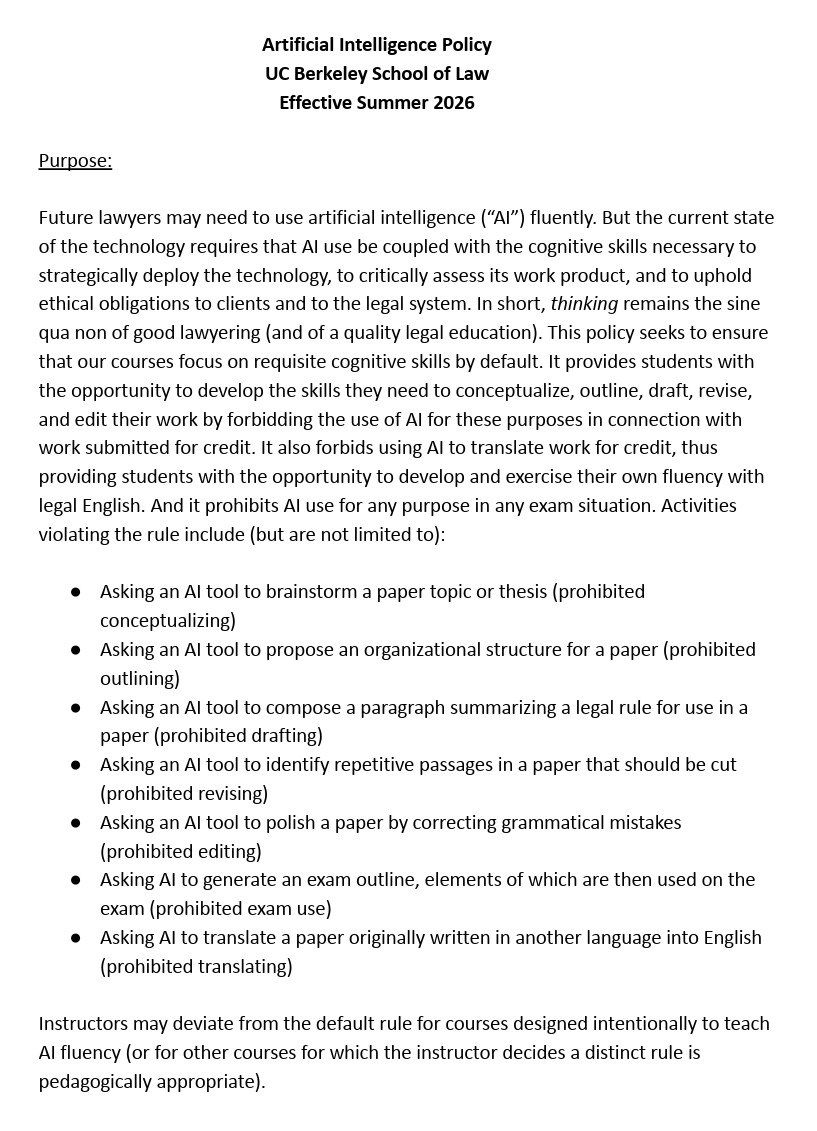
🖥️ The new Artificial Intelligence policy at UC Berkeley School of Law, effective Summer 2026.
📝 Here is the main rule:
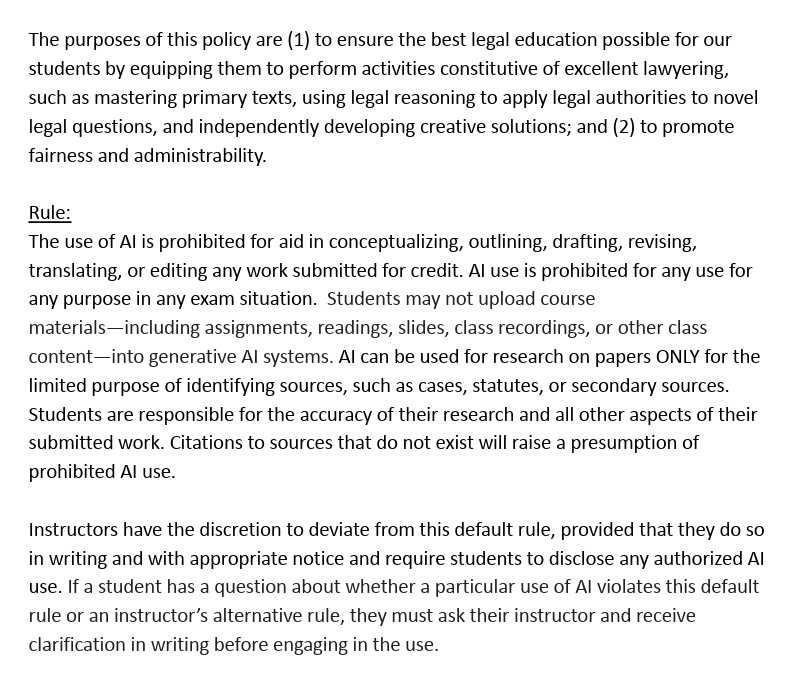
"The use of AI is prohibited for aid in conceptualizing, outlining, drafting, revising, translating, or editing any work submitted for credit. AI use is prohibited for any use for any purpose in any exam situation. Students may not upload course materials—including assignments, readings, slides, class recordings, or other class content—into generative AI systems. AI can be used for research on papers ONLY for the limited purpose of identifying sources, such as cases, statutes, or secondary sources."
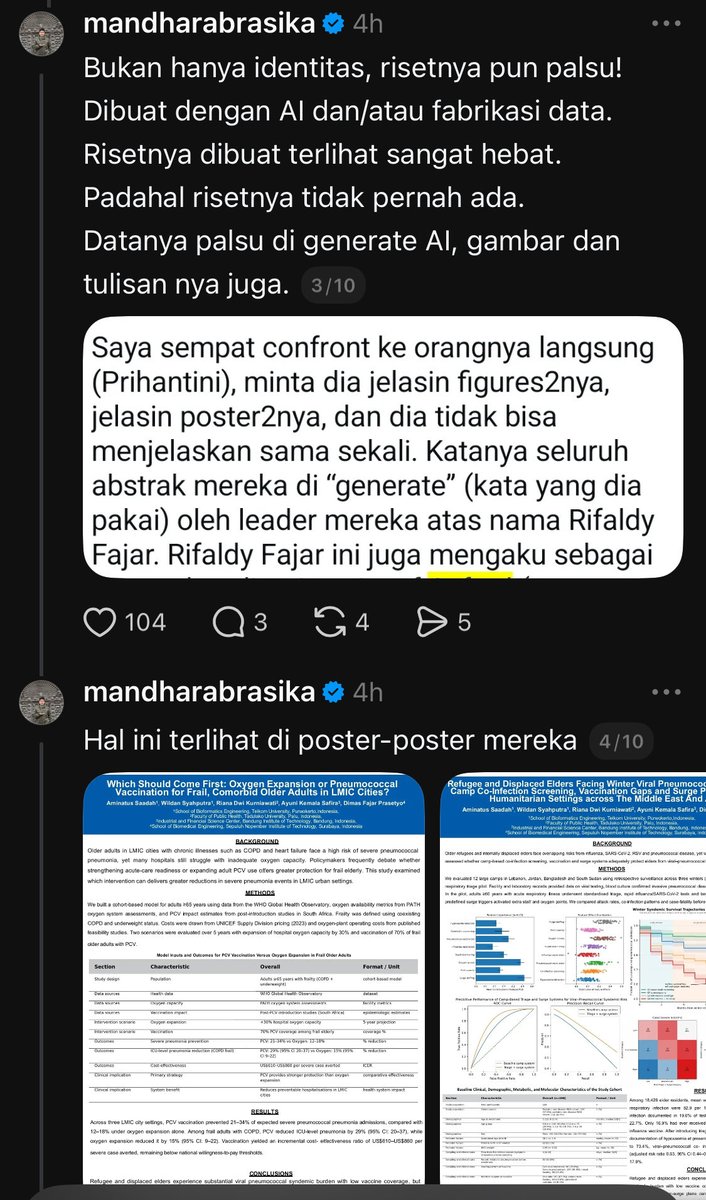
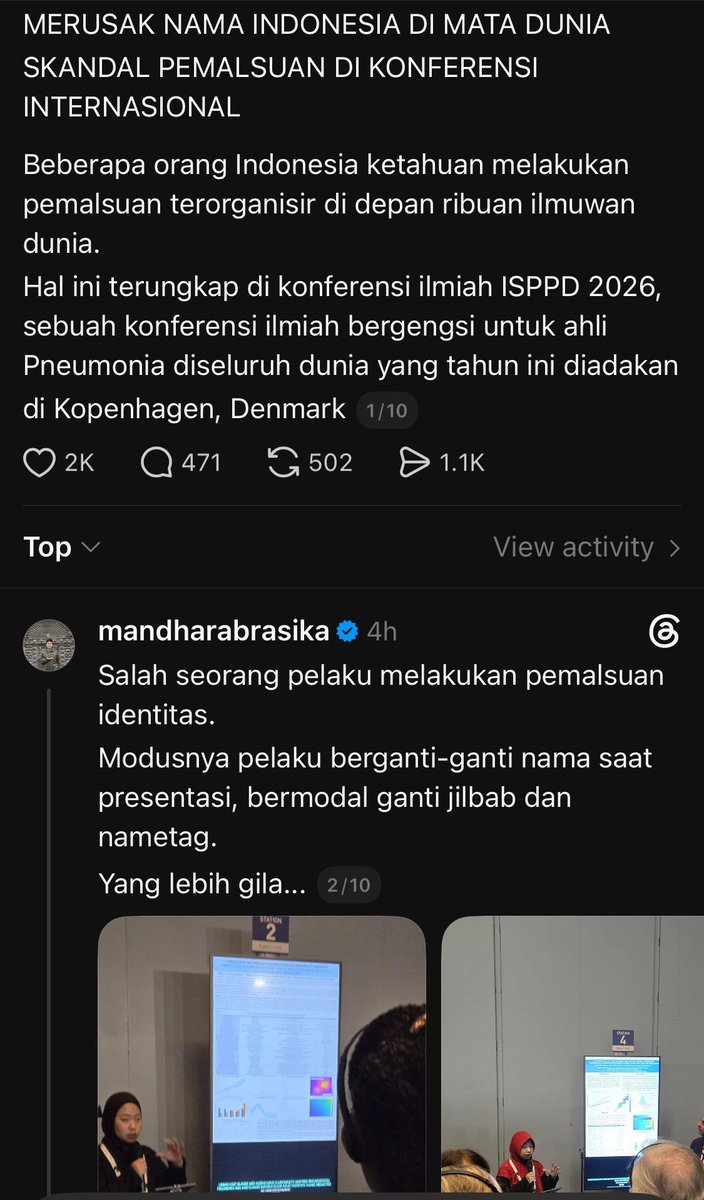
Ada yang lagi rame:
DUGAAN Beberapa orang Indonesia melakukan pemalsuan riset terorganisir dan TERUNGKAP di Konferensi ilmiah di Denmark??
Masih menunggu kesimpulannya.
Karena ini berpotensi mencoreng nama baik ilmuwan Indonesia di mata internasional.
I recently found this note to myself:
No sense in thinking small. Don't water down your vision. A remarkable amount can be accomplished if you are willing to think longer term than most and work hard each day.
A prayer I found in the diary of a young 18th century physician. Had to save to pray the same for myself.
“Lord, Thou knowest what thou art designing to do with me in Life, qualify me for it, and then mercifully call me forth unto it!”
Amen.
Whenever I read a business book, I don't ask NotebookLM to summarize it.
I ask it to turn the book into something I can actually use.
Here's the workflow:
one of the best things my therapist told me was “the reason you ghost your friends, avoid responding, and disappear even when you care is because your nervous system sees connection as a demand, not a comfort. you’re not a bad friend, you’re overwhelmed” felt that
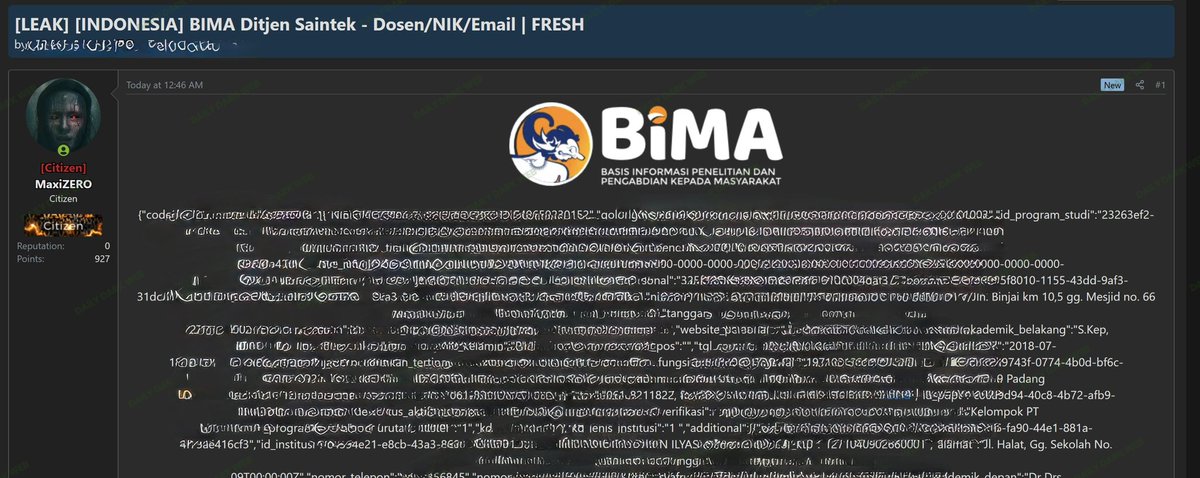
🇮🇩 🚨 Indonesia BIMA (Dikti Saintek) Data Leak — Lecturer & National ID Data Exposed
A dark web post claims a fresh leak from Indonesia’s BIMA system (Ditjen Saintek), exposing sensitive academic and personal data.
📊 Key Details:
• Target: BIMA – Indonesian research & higher education system
• Data types exposed:
NIDN (lecturer ID)
NIK (national ID number)
Full names
Email addresses
Phone numbers
Academic details (rank, institution, program)
Address and personal metadata
• Sample shows:
Structured JSON data
Real institutional references (e.g., universities, faculties)
🧠 Threat Intelligence Insight:
• This appears to be API/database extraction, not a simple dump:
Structured response format → likely backend/API access
Combination of:
NIK (national ID) + academic identity
→ highly valuable for:
Identity fraud
Targeted phishing against academia/government
• Education sector breaches often lead to:
Long-term credential abuse
Government-linked targeting
⚠️ Assessment:
• Moderate-to-high credibility
Clean structured sample
Specific schema and identifiers
“FRESH” claim cannot be fully verified, but:
Data does not look recycled or generic
⚠️ Risk Implications:
• Identity theft using national ID (NIK)
• Targeted phishing against lecturers and institutions
• Potential pivot into government/research networks
• Academic fraud and impersonation
📊 Status: Unverified — but credible leak pattern with high sensitivity data
⸻
💬 When academic systems leak national IDs, the impact extends far beyond the campus.
#CyberSecurity #DataBreach #Indonesia #BIMA #ThreatIntel #DDW
Know Your Dashes: The hyphen, en dash and em dash.
If you've worked on a team with me, I've probably bothered you with the subtleties of dashes at one point. And I finally got to talk about dashes in this week's Sketchplanation podcast:
https://t.co/yA2tTxPxvC
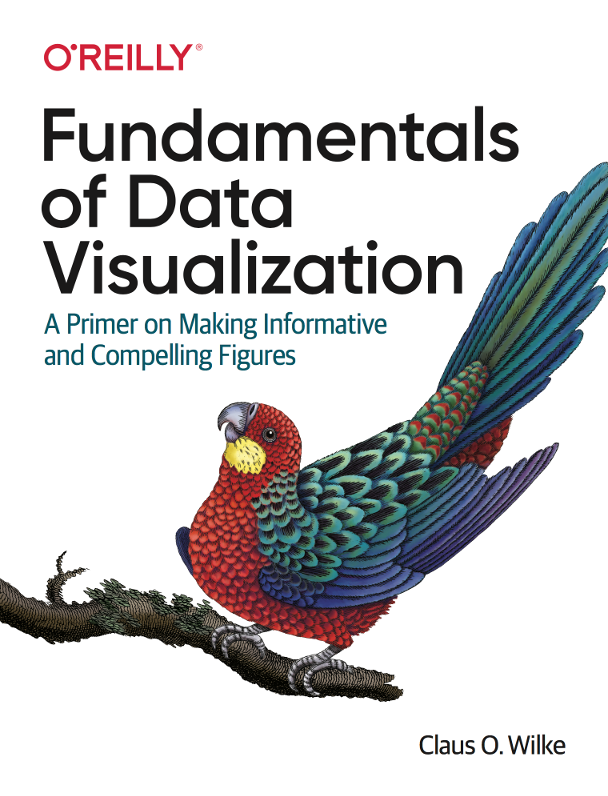
Clause Wilke, penulis buku Fundamental of Data Visualization membagikan buku digital secara gratis dalam bentuk R Markdown.
Ada 30 bab mulai dari bagaimana membuat visualisasi dengan berbagai macam situasi. Selain itu, ada juga pengaturan sampai title, caption, dan table.
Yang tertarik. Monggo~
https://t.co/9LNJyYJPme
I know 60 year olds in their prime.
I know 30 year olds who act so old that nobody wants to be around them.
Time is made up… you get to enter prime time whenever you want and stay for as long as you like.