What’s new in Chrome 156. CSS gains the random() function, the :navigation-source pseudo-class for the element that started a navigation, and scroll-snap-type: pair, while failed module imports can now be retried. #chrome#browser
https://t.co/VVCLsmjh9S
Why WebMCP matters. @yoavweiss calls WebMCP web performance for AI agents: sites register JS tools that agents call instead of clicking around, so co-browsing gets faster and cheaper while users stay in control. #ai#api
https://t.co/JEka9707fO
JPEG XL vs AVIF for web use-cases. @jaffathecake benchmarked both: AVIF produces smaller lossy files for photos, screenshots, and transparency, while JPEG XL wins at lossless. His default is AVIF 4:4:4 at high effort. #image#performance
https://t.co/8LD0P7W2z4
Fit height to background pattern size with calc-size(). @shadeed9 rounds a section’s auto height up to a multiple of the tile height with calc-size() and round(), so the pattern never gets cut off. Chrome-only for now. #css#layout
https://t.co/Px6s6uKWkb
Iframes that finally fit their content. @ahmadalfy explains frame-sizing: content-height, the <meta> opt-in, and window.requestResize(). Chromium-only for now. #html#css
https://t.co/BKtBMVF2cx
Firefox 158 release notes for developers. JPEG XL on by default, CSS typed arithmetic in calc(), a navigate option for notifications, plus flagged random(), corner-shape, and import defer. #firefox#browser
https://t.co/p4Xv5E9NIy
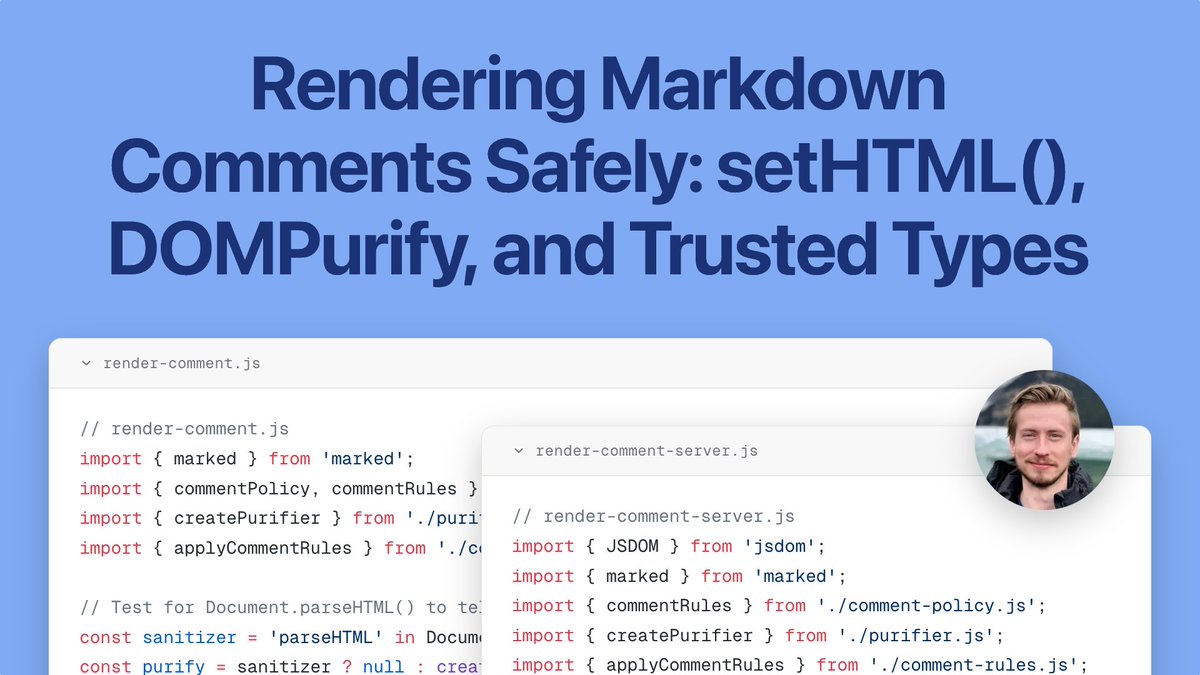
Rendering Markdown comments safely: setHTML(), DOMPurify, and Trusted Types. Agustin Barrientos builds one explicit allowlist for setHTML() with a DOMPurify fallback and enforces it with Trusted Types. #security#html
https://t.co/947aTRWdgq
iPhone Duo: doubling my disappointment with Safari. Mike Piontek found that Safari ignores safe area insets for the iPhone Duo’s right-hand toolbar and tints it by sampling the page’s right edge, breaking existing workarounds. #safari#css
https://t.co/gWeIaPp2q6
2027 web platform feature ranking. The @FirefoxWebDevs team asks you to rank around 10 of the 100 Interop 2027 proposals you care about. Last year’s 1900+ rankings shaped both Interop picks and Firefox’s own priorities. #interop#firefox
https://t.co/tg7LIyIeVj
What’s new in Chrome 155. JPEG XL decoding returns, CSS gains margin-trim and the symbols() function for inline counter styles, and JavaScript can import text modules with { type: "text" }. #chrome#browser
https://t.co/aLNWSrfwP6
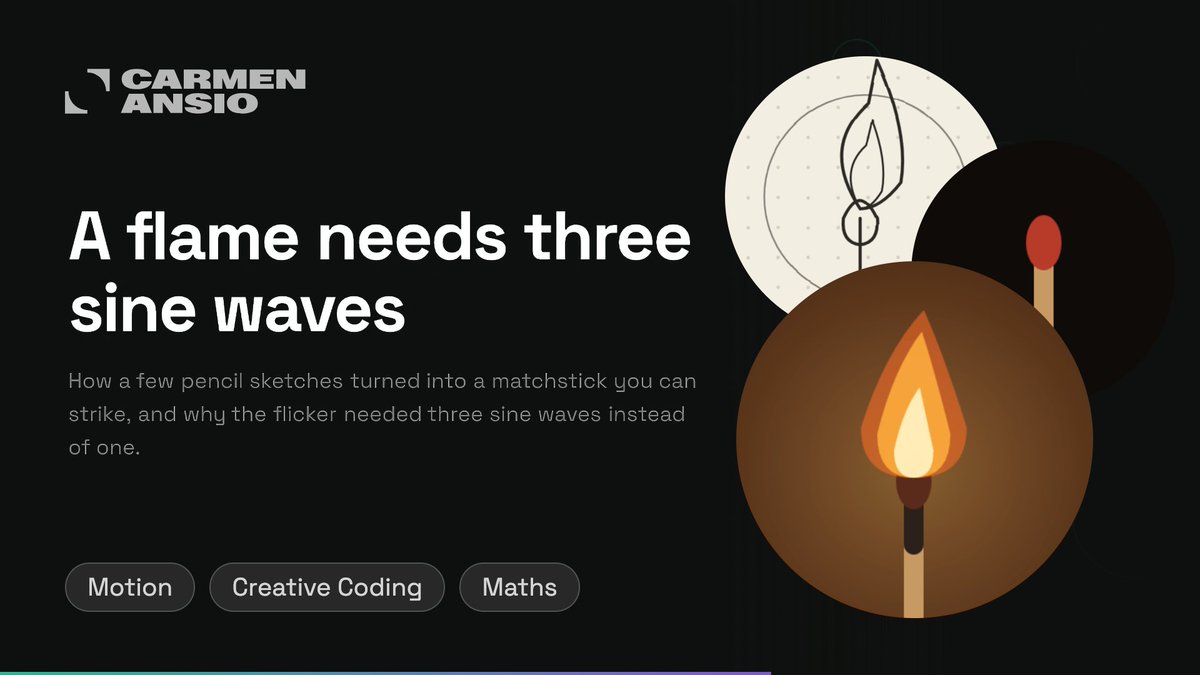
A flame needs three sine waves. @carmenansio breaks down a canvas match animation: teardrop shapes, three layered sine waves for an organic flicker, sparks with gravity, and prefers-reduced-motion support. #animation#js
https://t.co/UnJ1oALYpt
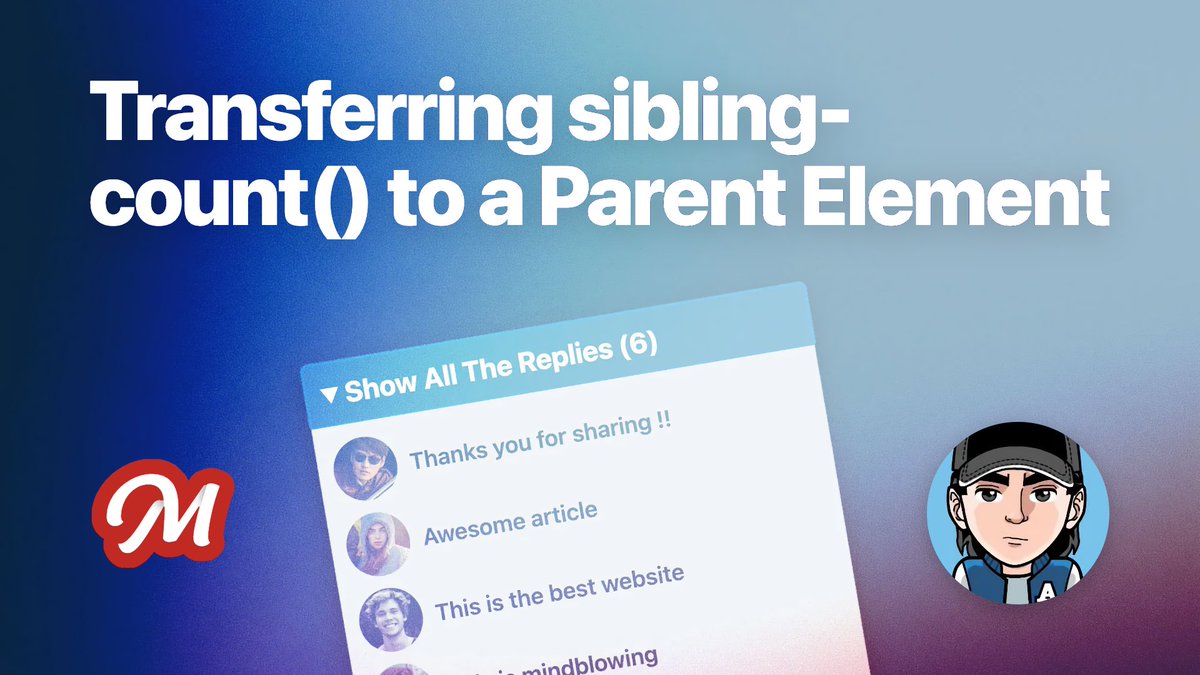
Transferring sibling-count() to a parent element. @ChallengesCss turns sibling-count() of an extra child into a variable on the parent using scroll-driven animations, a CSS-only stand-in for the proposed children-count(). #css#scroll
https://t.co/823aBSZvd0
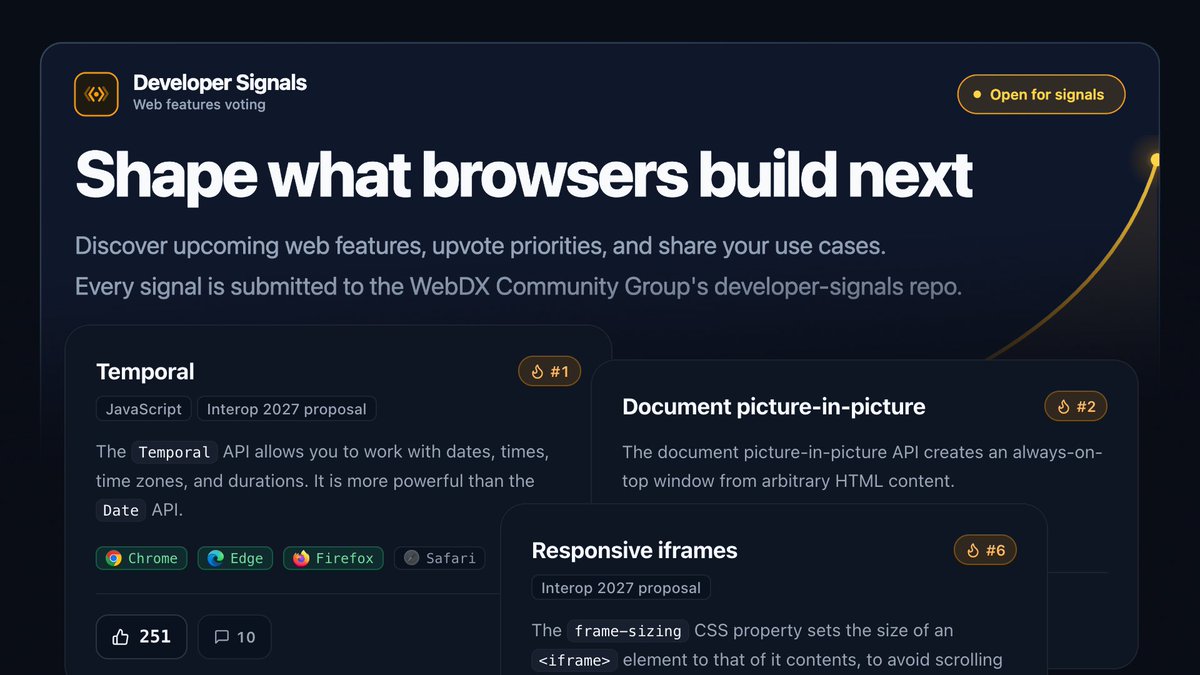
Developer Signals: shape what browsers build next. Rick Viscomi made a tool to browse upcoming web features and Interop 2027 proposals, vote with GitHub, and share use cases that go straight to browser vendors. #interop#browser
https://t.co/IpXF1WqeG4
The JavaScript midlife crisis. @maroun_baydoun on the toolchain rewrite in Rust, Go, and Zig: faster builds, but fewer JavaScript developers who can read, debug, and maintain their own tools. #js#tools
https://t.co/9PsSDh0wcq
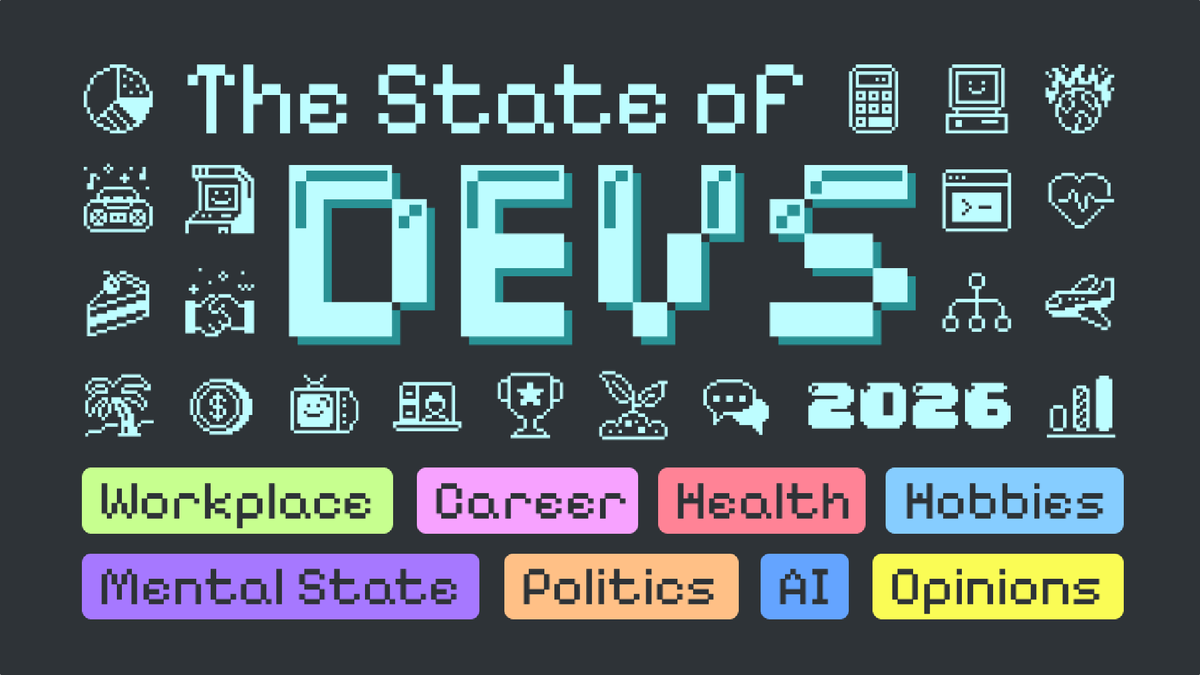
State of Devs 2026 survey results. @SachaGreif and Devographics polled 5,463 developers: 62% have experienced burnout, and most rely on AI for their code, yet only 23% say it had a positive impact on their mental state. #stateof#survey
https://t.co/SfGqThCM01
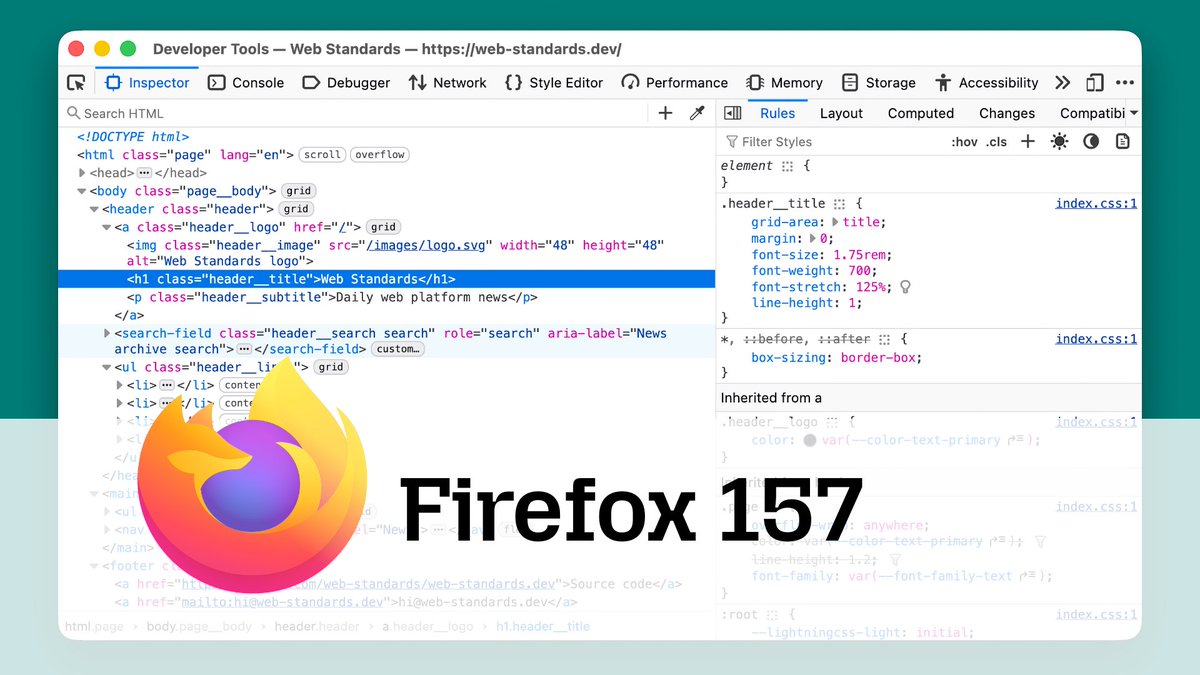
Firefox 157 release notes for developers. at-rule() in @supports, a chain value for overscroll-behavior, Animation.reverse() at playbackRate 0, plus flagged ML-KEM in Web Crypto and notification navigate. #firefox#browser
https://t.co/jHraK9J3xL
Improving site performance by shipping more CSS. In the GitHub blog, Josh Black and Marie Lucca on the multi-year move from CSS-in-JS to CSS Modules: 7,760 sx props removed, 55% less server-side rendering, and 25% faster component init. #css#performance
https://t.co/mLhpFJalGN
What’s new in Chrome 154. The text-decoration-inset property trims or extends underlines, scroll-marker-group gains links and tabs modes for focus order and ARIA semantics, and Iterator.includes() checks whether an iterator yields a value #chrome#browser
https://t.co/yEk64L4Cer
Browsers situationship: when browsers agree but the spec doesn’t. @atbrakhi explains why a spec sometimes moves toward browser behavior instead of the other way around, and how tests and Web compatibility bring them back to one result. #browser#interop
https://t.co/h6kxFkaLeL
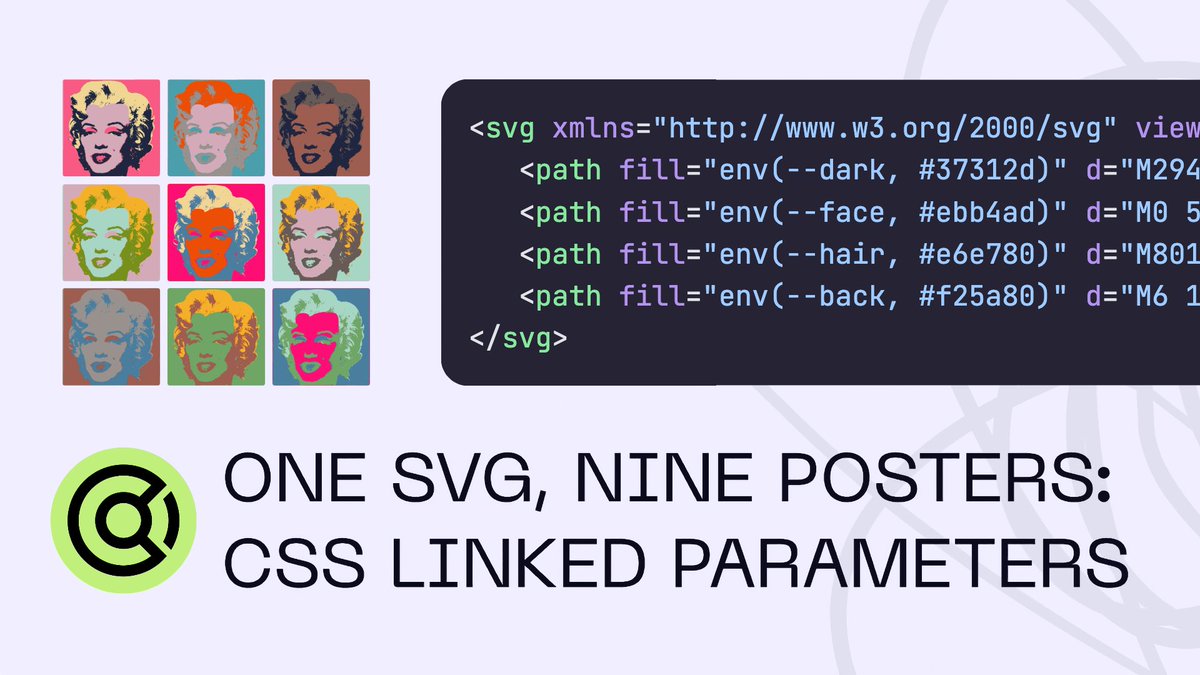
One SVG, nine posters: CSS link-parameters. @pepelsbey_dev passes colors into an external SVG with link-parameters and param(), while the file's own env() fallbacks keep it working everywhere else. Experimental in Firefox Nightly and Safari TP. #css#svg
https://t.co/LRmq4TJ769