We are hiring! The School of Biological Sciences at the University of Oklahoma is seeking an Assistant Professor studying the Neurobiology of Pain. Applications are due Nov. 21. Please share with colleagues!
https://t.co/GSEqPovCnL
Fluctuating selection in a monkeyflower hybrid zone
https://t.co/Oy1iAFJLs4
Now in @EvolLetters by Diana Tataru, Max De Leon, Spencer Dutton, Fidel Machado Perez, Alexander Rendahl, Kathleen G Ferris
Nicolas Svetec, David Begun, and I wrote a review article about de novo genes. If you are interested in this topic please take a look at this final open-access version @AnnualReviews https://t.co/R8lybrezoq.
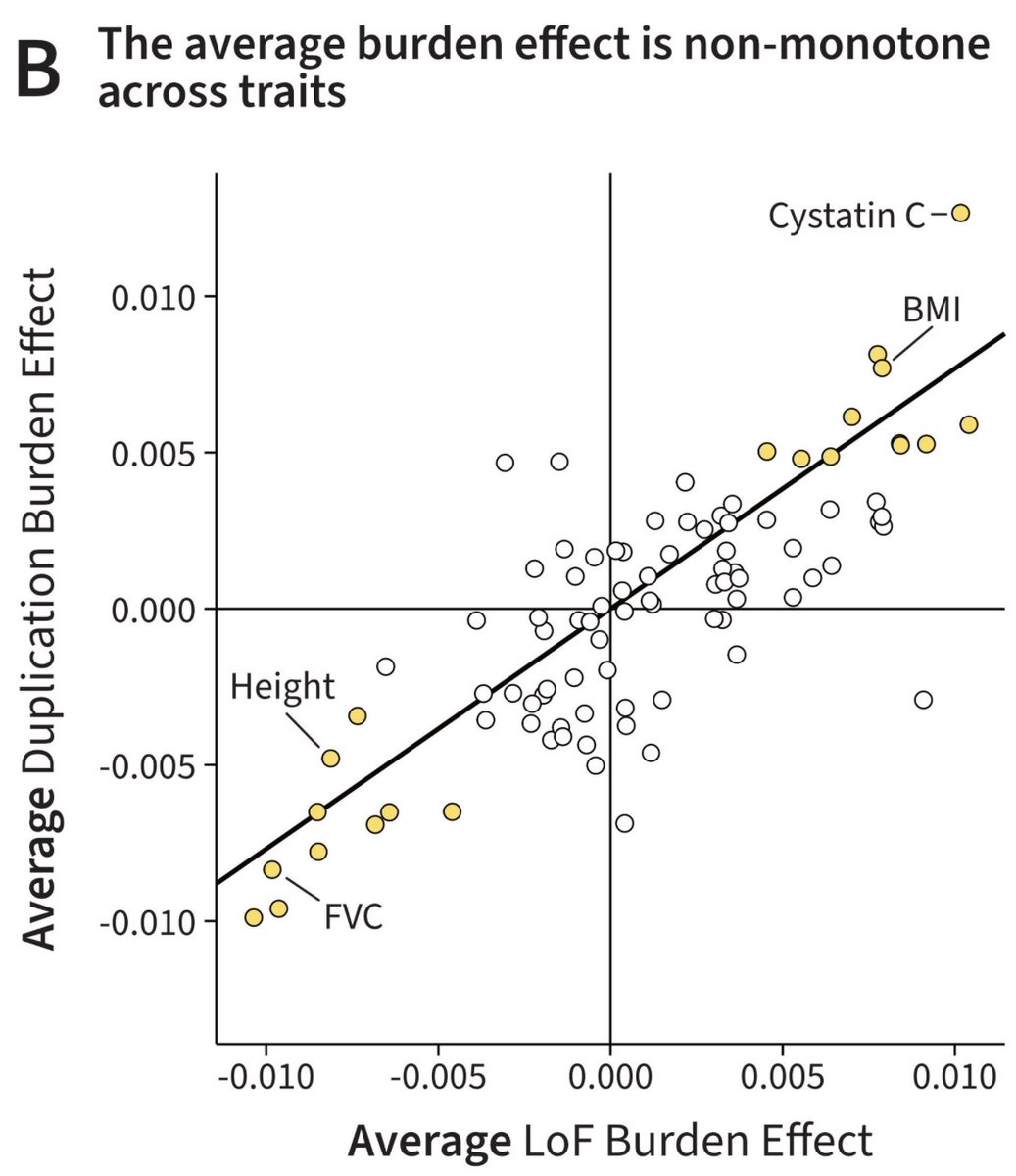
In a new preprint led by @TheNikhilMilind, we explored a fascinating paradox:
For many traits the number of duplications or loss-of-function (LoF) mutations is correlated with phenotype. Curiously, for most traits, the AVERAGE direction of LoFs and Dups is the SAME. Why?
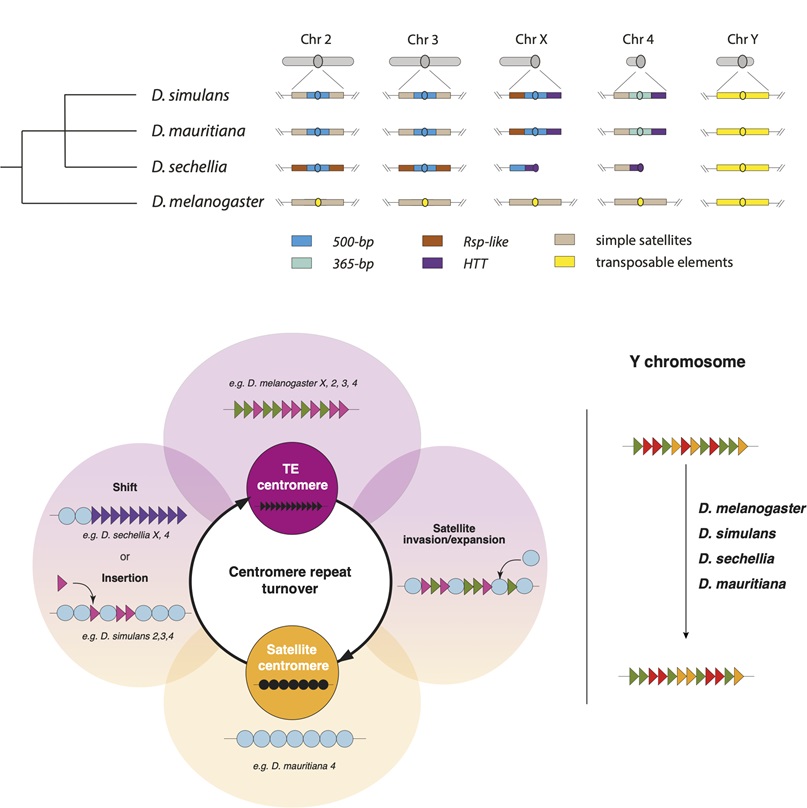
Rapid centromere evolution: @CecileCourret @AmLarracuente &co's study of #centromere#evolution over short timescales in #Drosophila reveals dramatic #centromere reorganization involving recurrent shifts between retroelements & satellites #PLOSBiology https://t.co/J853uZEiYz
The #1 piece of advice I give people applying for NSF funding...
**Talk to a Program Director**
We are not scary. Promise. Our job is to help figure out the best place for your research to be reviewed at NSF. If you email & don't hear back in a week, please email again!
https://t.co/HKjLRvIFMd A developmental constraint; different genes for the same body segmentation in Drosophila and Oncopeltus! From Leslie Pick lab @UMDEntomology
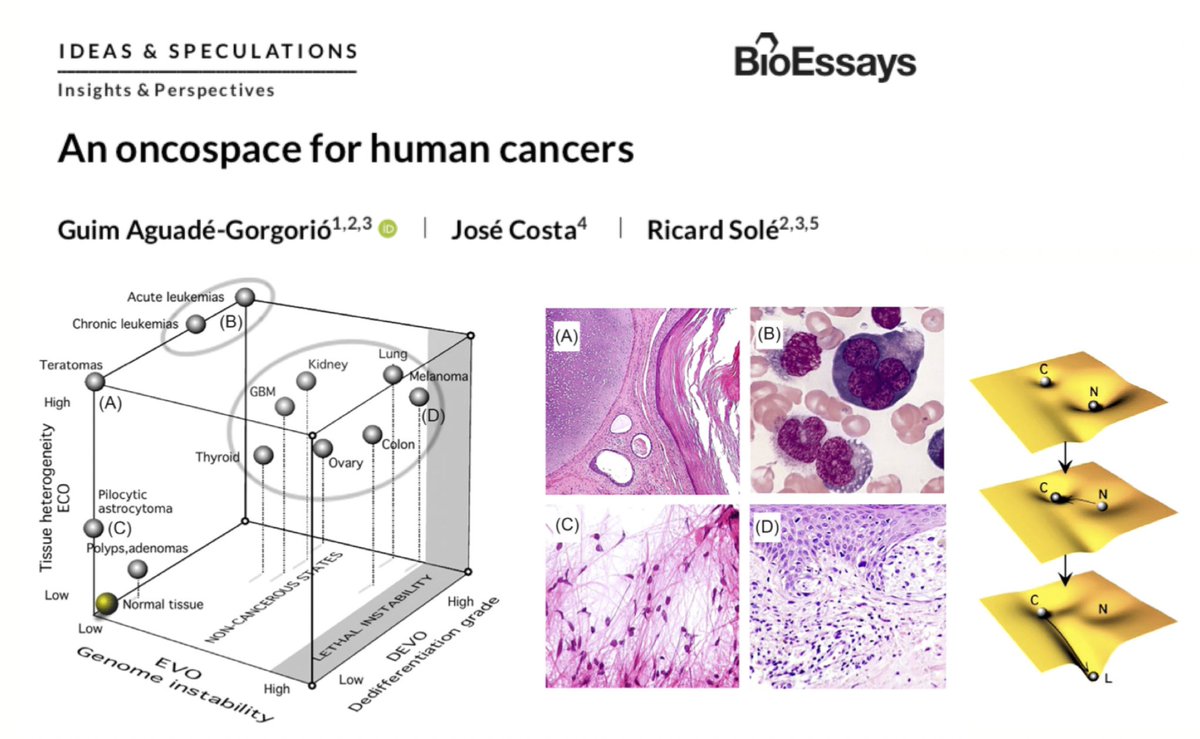
Is there a logic in the space of tumours? What is the impact of ecological, developmental and evolutionary components in defining cancer trajectories? Check our paper with @AguadeGuim and @YaleMed Josep Costa https://t.co/4x17iutfOX
So excited that our work on the first speciation gene pair in nematodes C. briggsae and C. nigoni finally got published on PNAS. It is really a tough but thrilling journey! It is just the beginning of the story of F-box genes, and I cannot wait to tackle the next one! Stay tuned
I'm not sure how arrival bias relates to the numbers of codons. But quite a lot has been written about the evolution of the genetic code. You might find possible answers there.
A good place to start is this review by Koonin, et al.
12/12
https://t.co/qrz1v6iU3g
SID-2, vital for RNAi in C. elegans, is present in Clade V parasitic nematodes. Found in H. bakeri extracellular vesicles, new research reveals potential ancestral roles beyond #RNAi https://t.co/jb57ILLnqD @amyhbuck@SBSatEd@RutgersBioSci#Parasitology#OpenBiology
Repeat-based holocentromeres of the woodrush Luzula sylvatica reveal insights into the evolutionary transition to holocentricity
https://t.co/0LtRAbY1xP
!
Rapid chromosome evolution and acquisition of thermosensitive stochastic sex determination in nematode androdioecious hermaphrodites
https://t.co/knwTPsuIRN