ACT-2 is far more than a model achievement, it’s a full-stack systems achievement.
As soon as the policy became reliable enough to leave the lab, it became immediately obvious that “model as an API” is near impossible for home robotics. A capable policy is only half the problem; the real long tail only appears in chaotic homes.
Across 31 unseen homes, Memo had near-zero reliability issues because our ML + systems teams kept solving reality as it arrived, from edge inference to cooling GPUs after hours of continuous operation.
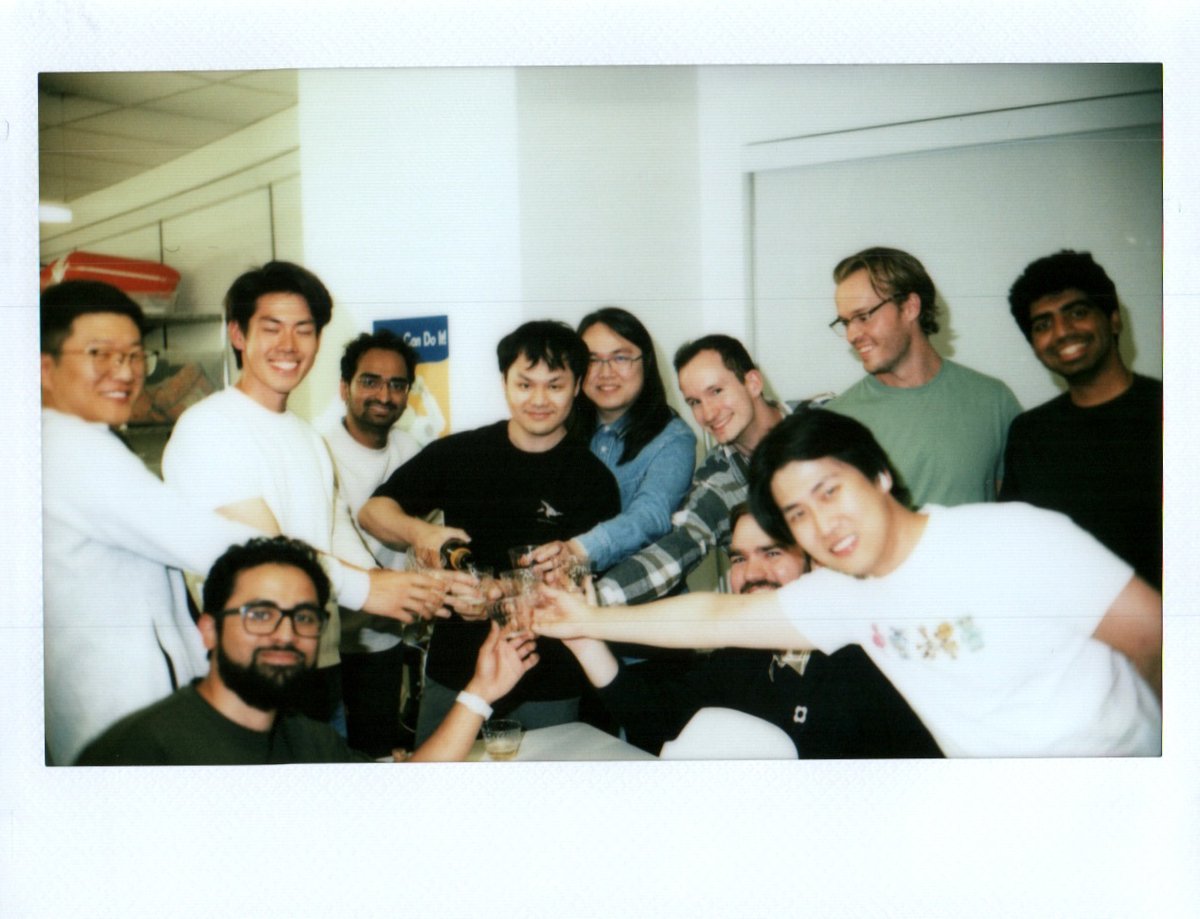
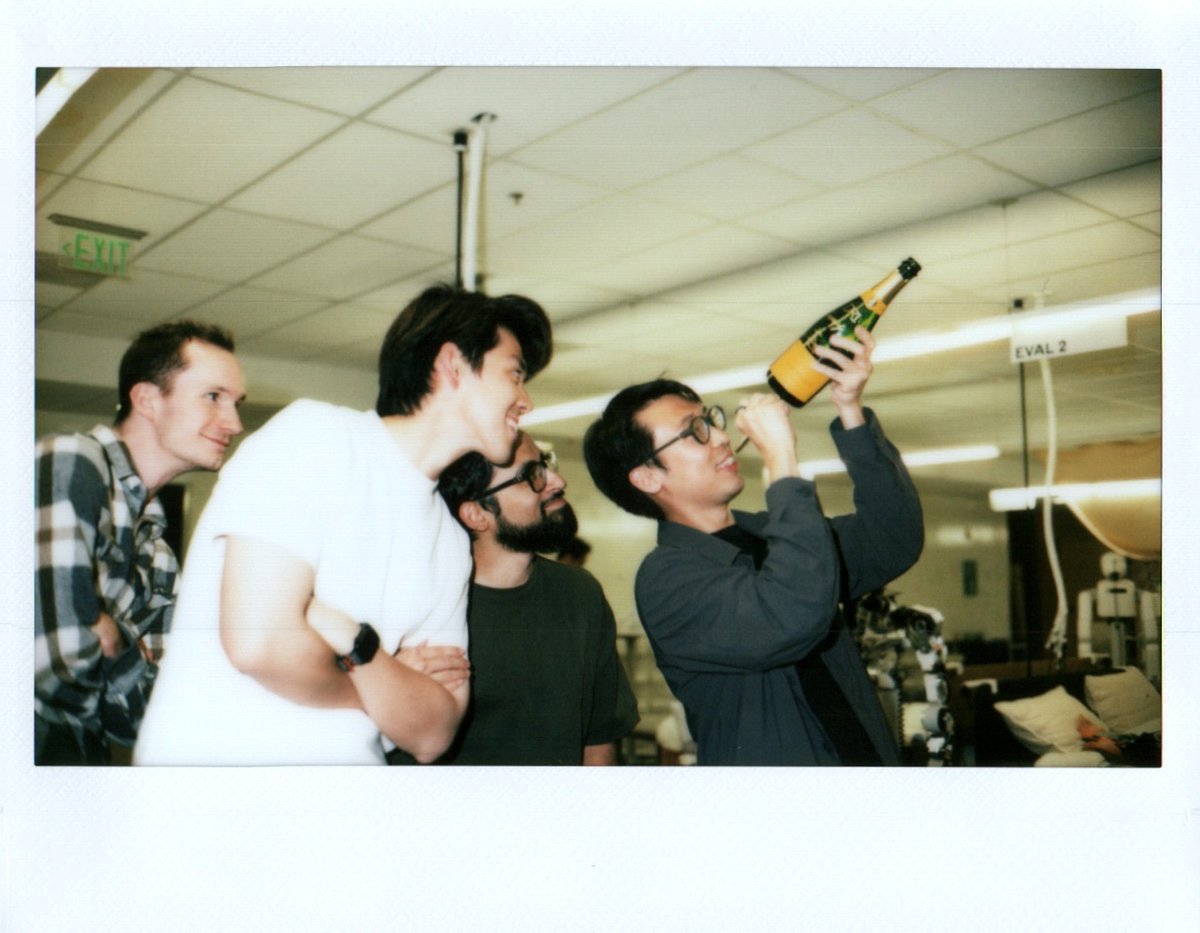
The model amazed me. The team that made it work in the wild amazed me more. Kudos to them @ArpitKalla@wengmister@jaiagar@TommyLi09@nadeesha99@shaunxsingh and to @chichengcc for the insightful piece.
My favorite shot: 5x5 grid of Memos, all folding at once, all finishing.
Hardware reliability work is invisible precisely when it succeeds - that shot exists because we ground through every single failure mode.
A fleet where every robot works isn't luck. It's engineering 🦾
This property allows us to hill-climb performance in our office, and trust those gains to hold in unseen homes
Our fleet of Memos runs in parallel to rapidly advance reliability, quality, and speed.
Left: fleet-scale improvement in-house
Right: Memo working across unseen homes
Introducing ACT-2 Preview
The first robotics model to unify broad generalization with high reliability. A single fine-tuning example can teach Memo a new behavior that generalizes.
Zero shot, real unseen homes, 99% success rate.
The project I've been leading is done, and it's already a big unlock for the company. Can't share details yet, but announcements soon from @sundayrobotics !