Al power demand surge turns architectures that can use heterogeneous capacity from nice-to-have into practical necessity.
They offer a path to scale with less concentrated energy pressure.
Data center electricity consumption is growing rapidly, with AI-focused facilities surging significantly in 2025.
As power availability and cost become harder constraints, architectures that can utilize distributed and heterogeneous capacity gain practical relevance beyond theoretical appeal.
Energy realities are quietly reshaping what kinds of AI systems are economically viable at scale.
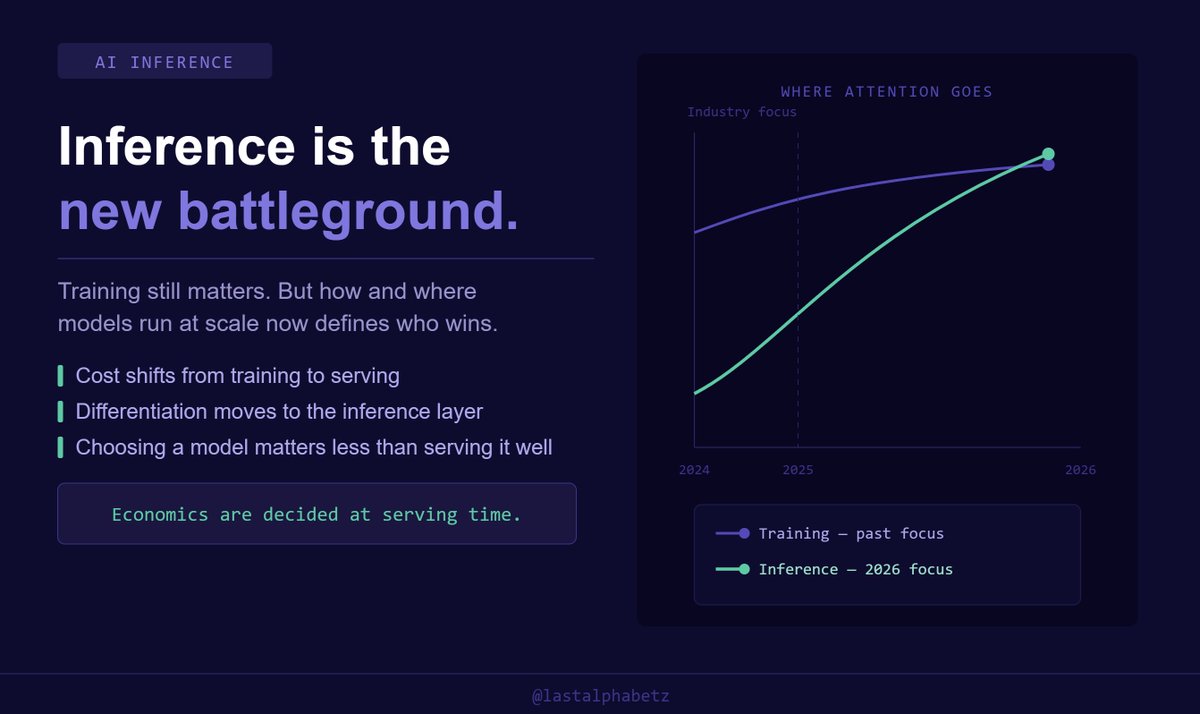
While training large models continues to capture attention, 2026 is seeing a clear shift where inference becomes the primary battleground for differentiation and cost.
Many organizations are realizing that how and where models run at scale matters as much as which models they choose to deploy. The economics of intelligence are increasingly determined at the serving layer.
The sovereign AI infrastructure market is projected to grow from USD 24.8 billion in 2026 to over USD 300 billion by 2040.
While frontier model training may remain concentrated, the majority of real-world AI workloads agents, retrieval systems, domain-specific tools, and interactive applications do not require that level of centralization.
Distributed serving frameworks are maturing to the point where they can serve as a credible default for most production use cases.
One of the biggest practical unlocks from Echo-2 is how it decouples rollout generation from the training loop.
By leveraging distributed inference workers (via Parallax) and tolerating bounded policy staleness, researchers can generate far more training data without being limited by centralized cluster capacity.
This architectural choice is what enables the significant cost and speed improvements reported.
In a traditional setup, rollout generation which is heavily involved in interaction simulations takes the most time on expensive datacenter GPUs, even though it's just a forward pass and a reward check. But what if we flip the scenario: let the learners stay comfortable in a stable cluster, but send the rollouts to a globally distributed fleet of low-cost ones?
That's the essence of ECHO-2 ./
It separates the monsters: centralized learning for precision, distributed rollouts for economy. No more idle learners or excess clusters—imagine taking advantage of opportunistic cloud spots or edge devices without the WAN network drama that plummets throughput.
It treats policy staleness not as a bug, but a tunable knob. Set a budget S (say, 3 steps behind), and suddenly dissemination delays become slack time for overlap. I've been geeking out on how this sidesteps the sync traps in older async RL like A ReaL those assume fat pipes in one datacenter, not the jittery WAN reality.
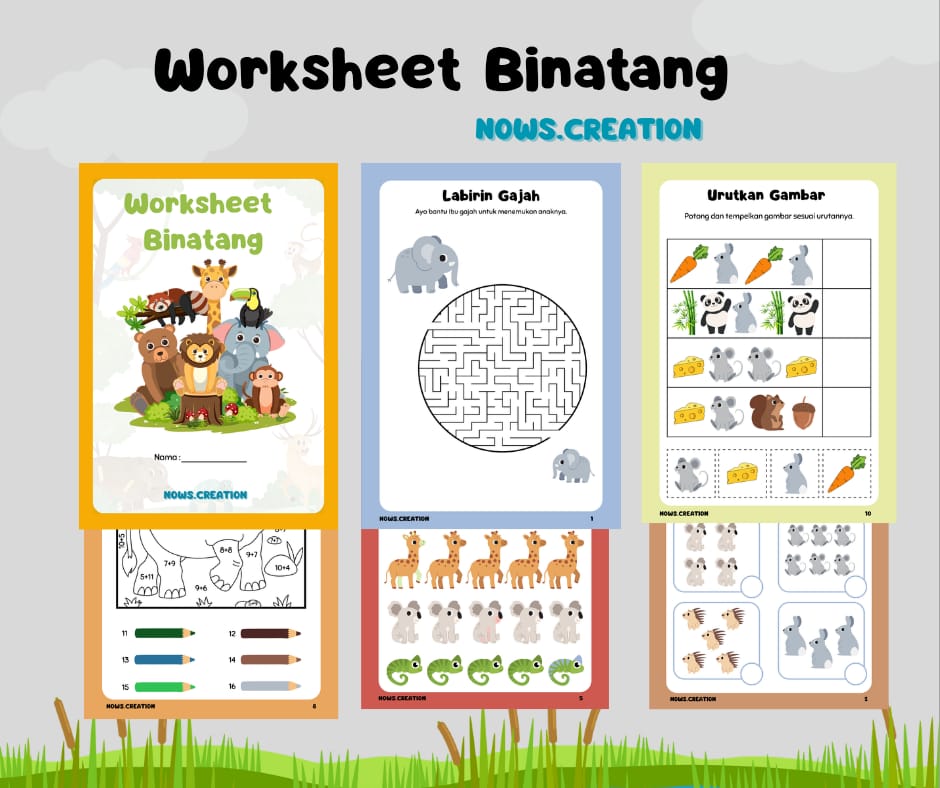
"Mulai minggu ini dengan aktivitas seru dan edukatif untuk si kecil! 📚🌈 Yuk, download worksheet seru dari NOWS.CREATION sekarang!"
https://t.co/yny9K2CKCt
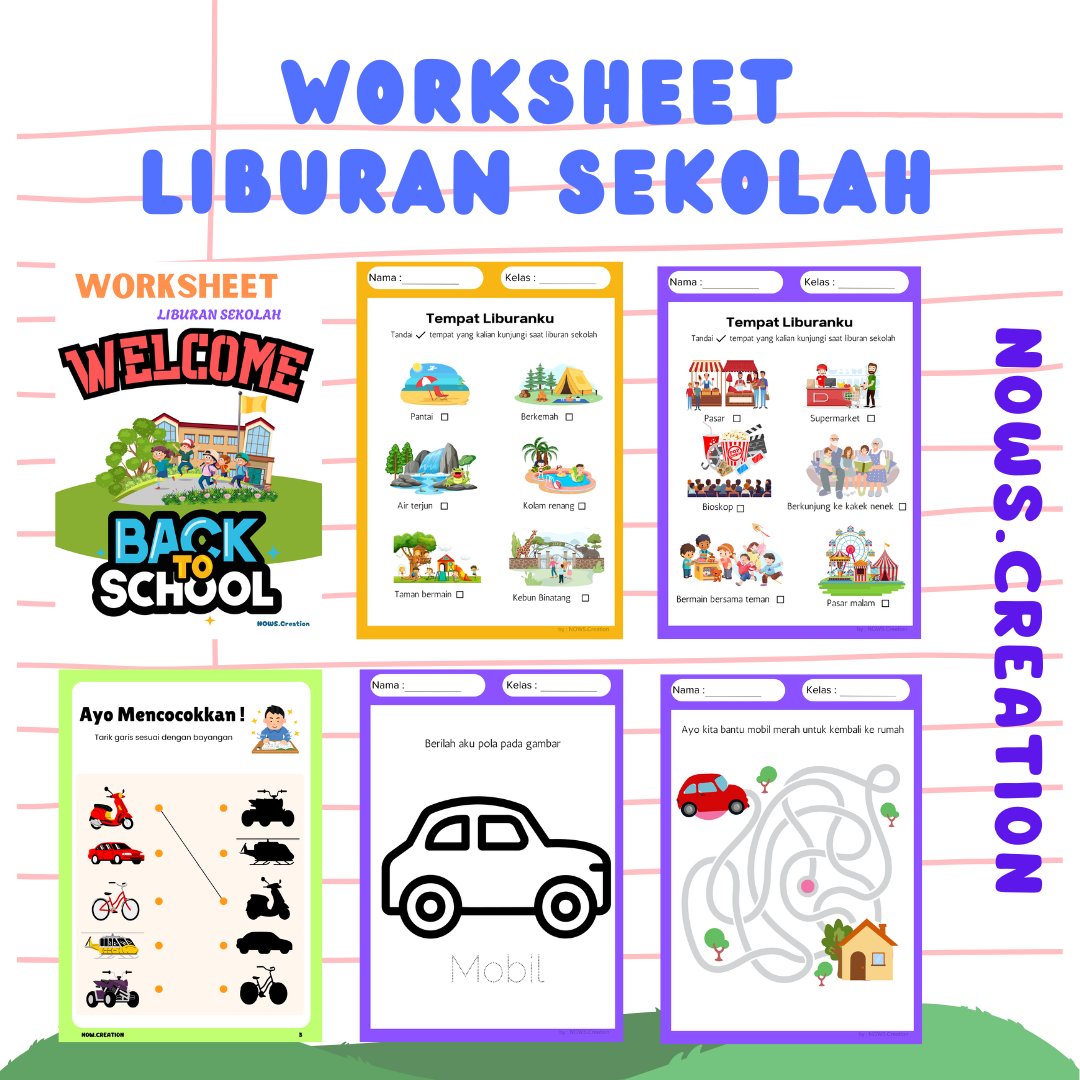
Bingung cari aktivitas anak selama liburan? Ini dia solusinya! 📷📷"
NOWS.CREATION hadirkan worksheet liburan sekolah yang edukatif dan menyenangkan. >> https://t.co/TkPkzUabK4...
Belajar huruf A–Z jadi seru dan penuh warna! 📷📷"
Worksheet alfabet siap cetak dari NOWS.CREATION, cocok untuk anak usia 3–6 tahun. Yuk, belajar sambil bermain >> https://t.co/FCm7Ai3V1h...
Anak suka main gadget? Kenapa gak sekalian diajak belajar logika coding! 📷📷
Yuk kenalkan dasar coding sejak dini lewat worksheet seru yang bisa dicetak sendiri di rumah >> https://t.co/iuotPuDq7o
"Bikin anak betah belajar? Mulai dari worksheet yang penuh warna dan permainan seru!" Yuk kenalkan worksheet seru dari NOWS.CREATION buat si kecil 💡🖍️"
https://t.co/eP6VPdhkg9