Teaching is not just about imparting knowledge, it's about building relationships.
When we connect with our students, when we truly see them and hear them, we create an environment where they can thrive.
15 Ways to Make Schools Better for Mental Health
Written from a therapist and former principal
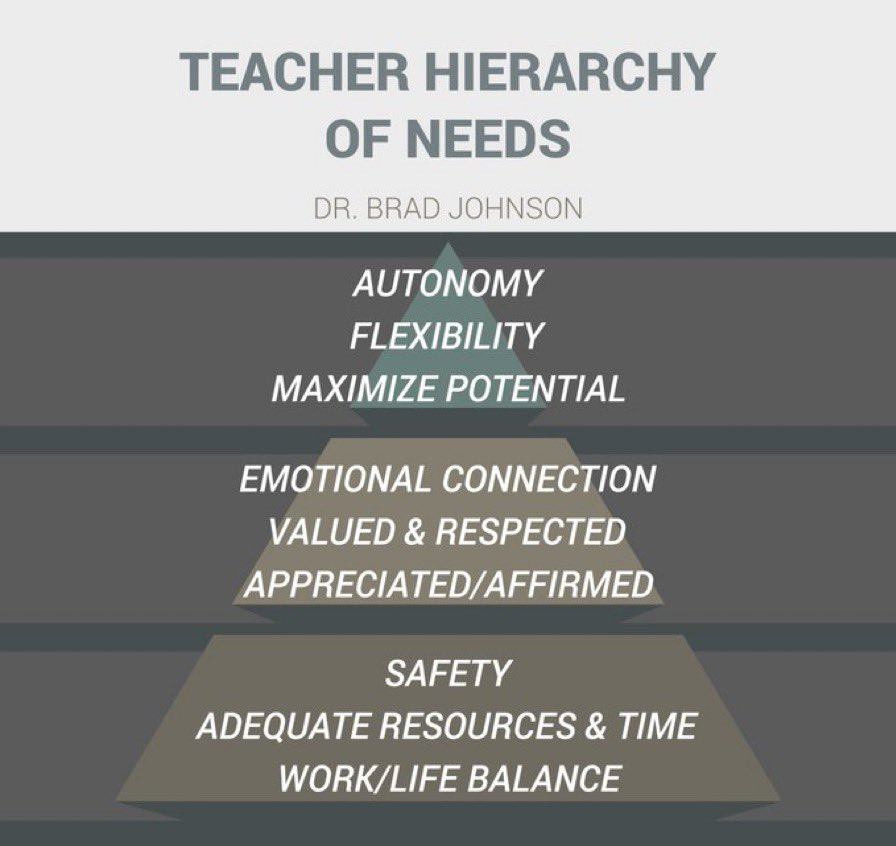
1.Maslow before Bloom → check in before you teach
2.People over programs → humans first, always
https://t.co/UWnwyzWupB staff mental health → better adults, better classrooms
4.Regulated adults → regulated students
5.Shift from punishment → understanding, accountability, repair
6.Relationships before behavior fixes
7.Stop taking away recess
8.Emotional safety matters as much as physical safety
9.Honor time and reduce overload
10.Teach coping skills on purpose
11.Normalize talking about feelings
12.Create calm down/reset spaces
https://t.co/bI6wGsQqDC consistent and predictable
14.Focus on strengths, not just struggles
15.Make wellness a culture, not a program or a binder
When we take care of people first, everything else gets better.
#mentalhealthmatters #teacherlife #educatorlife #schoolcounselor #teacherwellbeing #studentmentalhealth #traumainformed #socialemotionallearning #sel #wellnessmatters #burnoutprevention #teachersupport #mindfulnessinschools #schoolculture #maslowbeforebloom
10 brain-based ways to start finding more balance (starting today)
1. Start With Your Body, Not Your To-Do List
What it is: Regulating your nervous system before tackling tasks
Brain science: A dysregulated body = a distracted brain
One small step: Drink a glass of water, take 5 slow breaths, and stretch before checking your phone
2. Shrink the Day
What it is: Focusing on manageable chunks instead of the whole day
Brain science: The brain reduces overwhelm when tasks feel finite
One small step: Ask: “What are the next 2–3 things I need to do?”, not everything
3. Schedule Recovery Time (Not Just Work Time)
What it is: Building in intentional rest
Brain science: The brain needs downtime to reset attention and mood
One small step: Block 15 minutes today to do nothing productive
4. Reduce Decision Fatigue
What it is: Simplifying repeated choices
Brain science: Too many decisions drain mental energy quickly
One small step: Pre-plan meals, outfits, or routines for tomorrow
5. Create “Off” Moments for Your Brain
What it is: Giving your mind a break from constant input
Brain science: Continuous stimulation keeps your stress response activated
One small step: Sit in silence for 2 minutes, no phone, no music, just breathe
6. Move Your Body (Gently Counts)
What it is: Using movement to reset your system
Brain science: Movement releases endorphins and lowers stress hormones
One small step: Take a 10 minute walk even around your house or office
7. Set One Boundary Today
What it is: Protecting your time and energy
Brain science: Boundaries reduce emotional overload and burnout
One small step: Say “I can’t today, but I can later this week”
8. Do One Thing That Feels Like You
What it is: Reconnecting with your identity outside of stress
Brain science: Enjoyment activates reward pathways and improves mood
One small step: Listen to a favorite song, read a page, or step outside
9. Lower the Bar (Strategically)
What it is: Letting “good enough” be enough
Brain science: Perfectionism keeps the brain in a threat state
One small step: Complete one task at 80% instead of 100%
10. End the Day With Closure
What it is: Signaling to your brain that the day is done
Brain science: Closure helps reduce rumination and improves sleep
One small step: Write down 3 things you did today, no matter how small
Balance isn’t something you find once.
It’s something you practice daily.
Coach K shares a universal truth about success, resilience, and growth.
"When you're getting your butt kicked, it's called changing a limit."
"So many parents today don't allow their kids to change limits...They're worried about them failing instead of learning. You learn through the experience of failure and success."
Growth requires discomfort. You have to be willing to look bad before you get better.
The problem isn't failure - it's protecting people from it.
"Failure was never a destination."
You can't grow or be successful without accepting that there will be challenges and adversity.
(🎥 Duke Fuqua School of Business )
So often, what looks like defiance in a student is really defense — a nervous system doing its best to stay safe. When we pause to ask ‘What happened to you?’ instead of ‘What’s wrong with you?’, we move from punishment to healing — from control to connection.
Examples:
• A student who shuts down and refuses to work may not be lazy — they might be overwhelmed or afraid of failing.
• A student who talks back or storms out might not be disrespectful — they could be reliving a loss of control tied to past trauma.
• A student who constantly seeks attention may be trying to confirm they’re seen and safe, not trying to disrupt.
Best response: Meet behavior with curiosity, not control. Offer safety, predictability, and connection before correction — that’s how healing and learning both begin.
#maslowbeforebloom
DUKE ENERGY is opening up the opportunity to KY, OH & IN Junior & Senior students to participate in the Duke Energy NAVIGO SCHOLARS PROGRAM.
The program provides the students and their parents with a little insight into the Duke world & potential career opportunities.
Vote NO! Constitutional Amendment 2 on ballot in 2024 is bad for KY public schools, communities and educators. https://t.co/rFdZlyxSFI Read the latest edition of KEA News here: https://t.co/GprOYXgRaW
In this #LeadershipMinute, Amber Teamann (@8Amber8) shares ways in which we can alter our own lens to understand the perspectives of other people, so that we can create opportunities to build relationships!
A great final project in Green Architecture…building scale models of sheds. I LOVE teaching #PLTW! Practicing and developing so many life skills. @CampErnstBlazer#BOONENATION
Kentucky’s fiscal house is in good order.
🌧️ Largest rainy day fund in history
📈 Highest budget surplus ever
💰 Best 2-year period for economic growth
This is how we build a brighter, better future for the Commonwealth—for everyone.