We used to talk about "financial sovereignty" in crypto.
But sovereignty without privacy is just transparent serfdom.
You control the keys, but everyone controls the view.
@Americanfort_io is restoring the actual sovereignty part.
Copy-paste is not a payment rail.
It is a phishing surface that we all agreed to live with.
Send to a name.
Receive on an address that never existed before that payment.
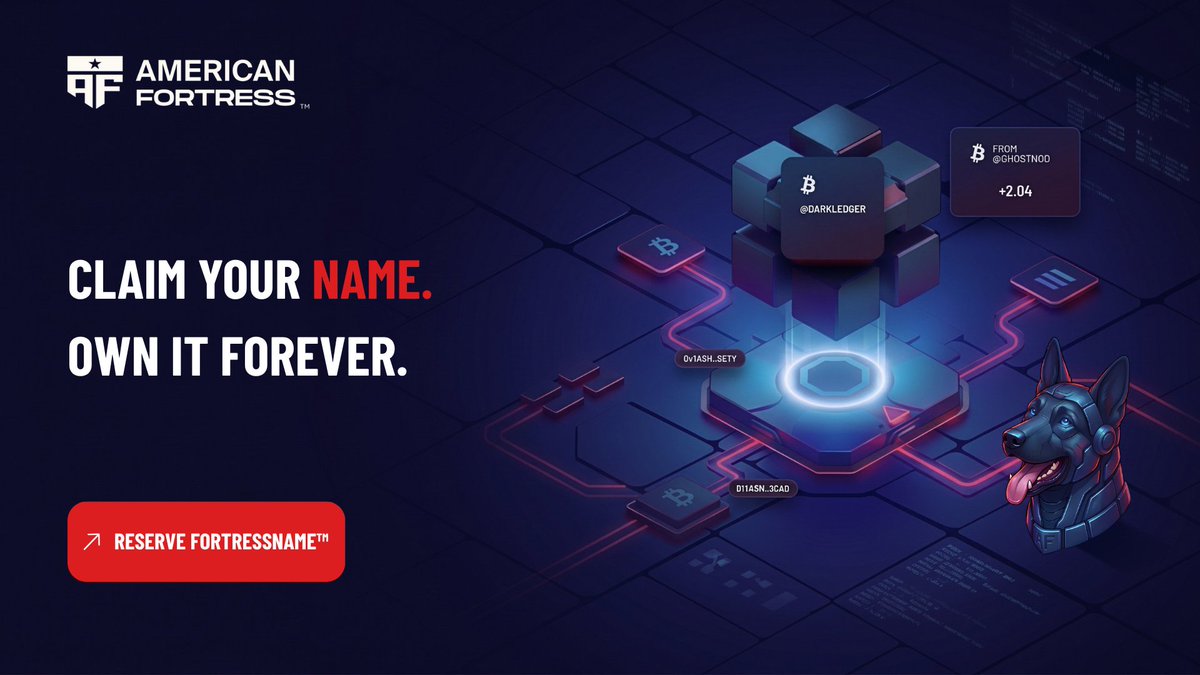
Claim your name. Own it forever.
https://t.co/ZMTnBEQbux
@alice.lite ──► one-time address ──► native chain
public only alice + you normal tx
Public name. Private address. Ordinary transaction.
Send-to-Name™ derives a fresh address for every payment from keys only the sender and recipient hold.
Nothing is reused, so nothing can be poisoned, and nothing on-chain ties this payment to your last one.
No pooling. No wrapped asset. No new chain.
The math does the work; the chain sees a normal transfer.
@Americanfort_io@alice Fresh addresses per payment solve a surprisingly large part of the privacy problem. Reuse is where a lot of unnecessary on-chain linkage starts.
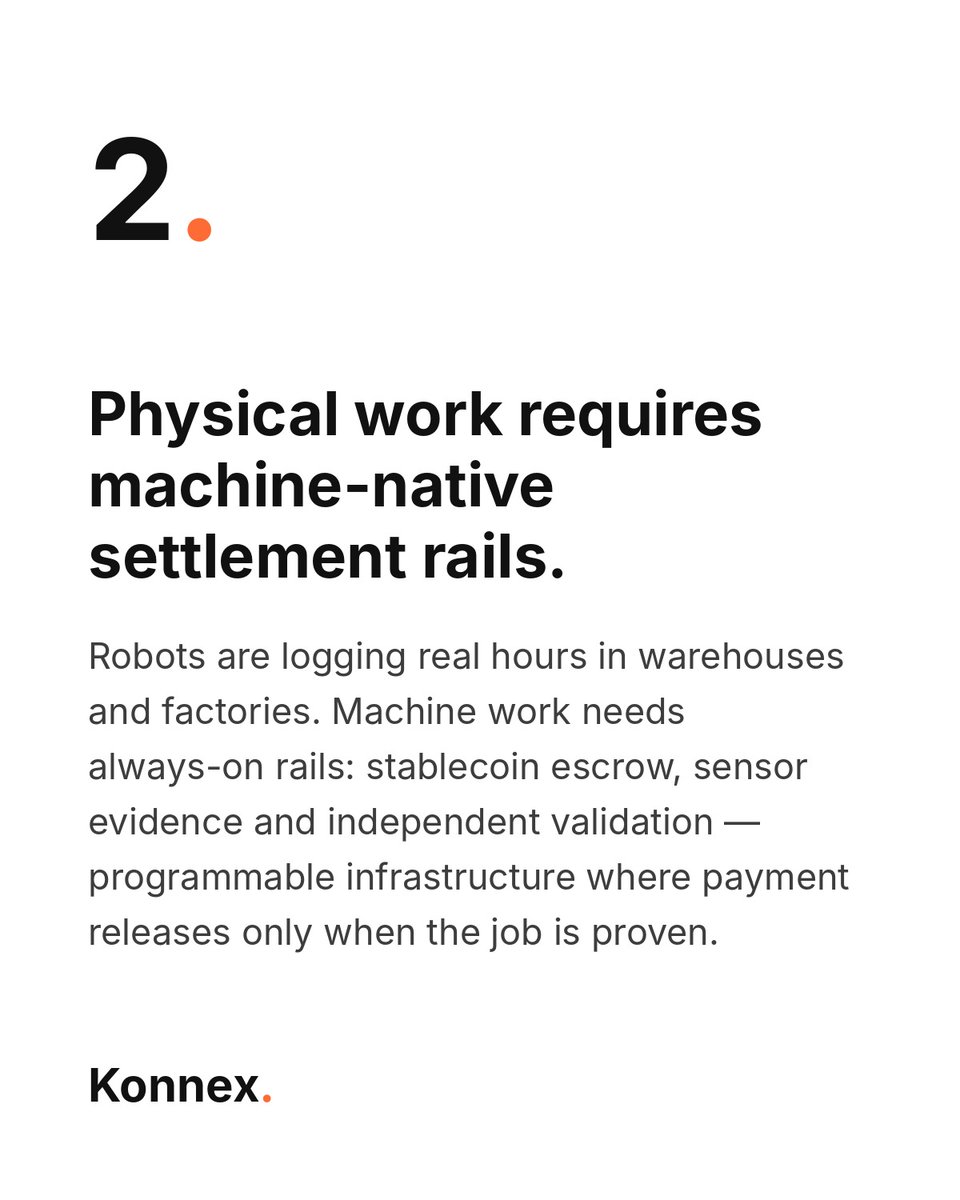
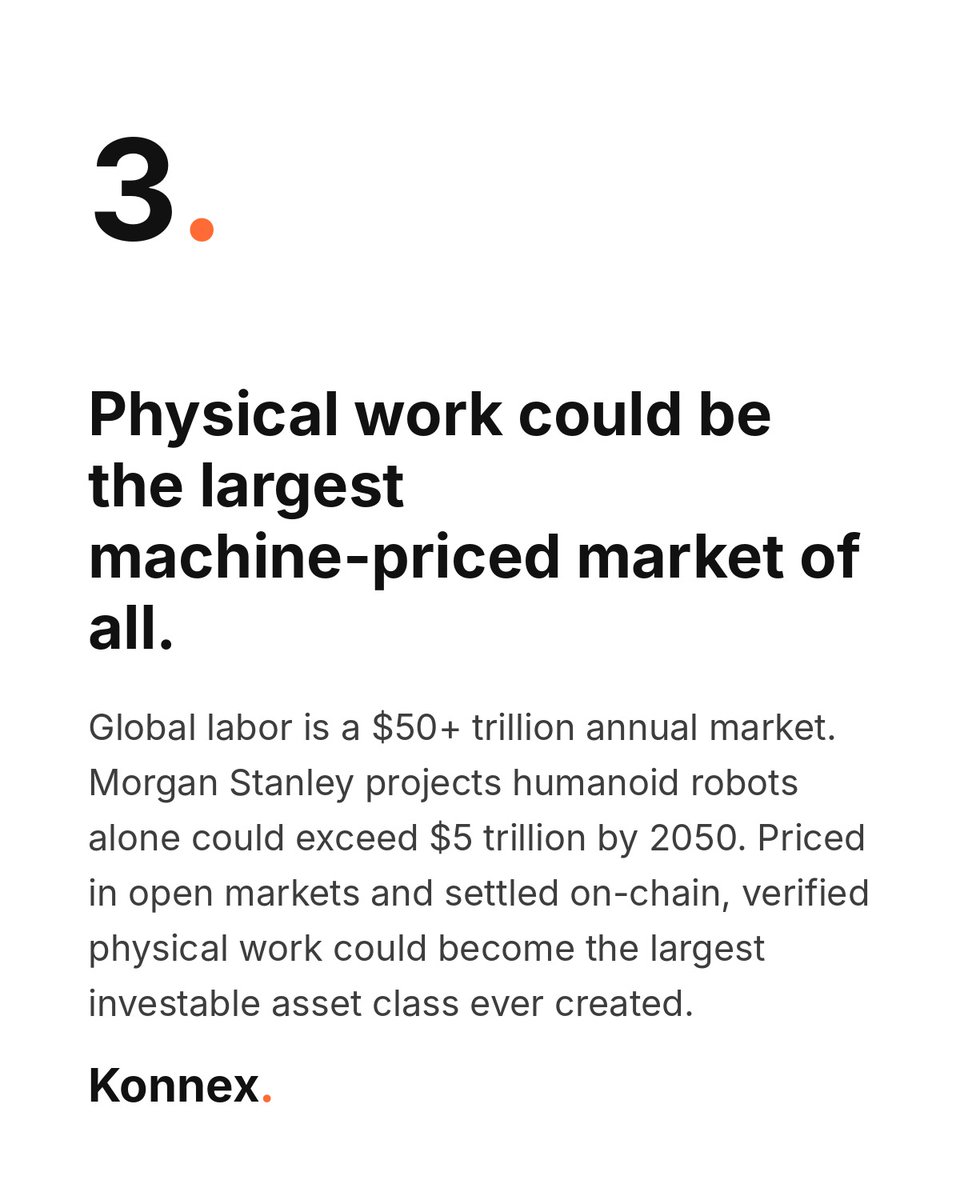
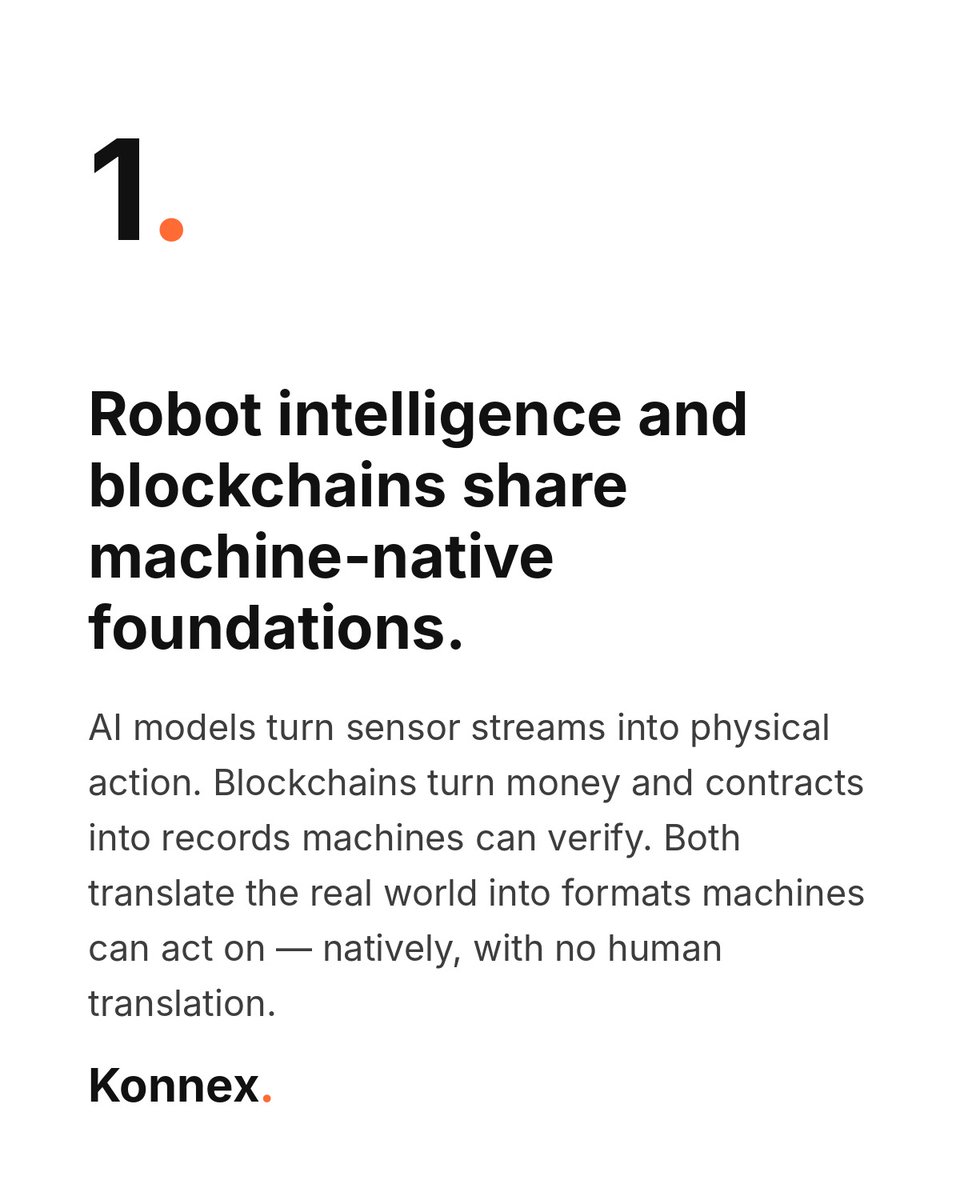
The world's largest asset manager just described machine-to-machine commerce:
Agents paying for compute on programmable rails, in stablecoins.
Konnex is building this for physical AI.
Robot labor priced in open markets, settled in stablecoins, proven on-chain.
█▀▀▀▀▀▀▀█
█ 🛡️ █
█▄▄▄▄▄▄▄█
Public Names.
Private Transactions.
With our Send-to-Name™ tech, every transaction automatically generates a unique stealth address known ONLY to the sender and recipient.
No address reuse. No address poisoning. No phishing.
The math does the heavy lifting.
You just enjoy the privacy.
The industry just spent a year adding privacy to the send button.
Good. A toggle that hides one payment is still a toggle on top of a public life.
Your ENS-style name is still a permanent map.
Your reused address is still a catalog of counterparties.
Your balance is still a billboard.
Your AI agent is still pasting hex and hoping.
Private send hides a wallet behind a payment.
A FortressName means there was never a public wallet to find.
Recipient sees who paid them.
On-chain observers see a fresh address.
No pool. No mixer. No viewing-key back door.
Privacy from observers.
Proof between parties.
Your money. Your @name. Nobody else's business.
Why isn’t more institutional capital actually onchain?
It’s not because institutions don’t want crypto exposure.
They already have it.
ETFs hold massive amounts of BTC. Corporates are accumulating. Tokenized RWAs are growing.
The bigger blocker is privacy. 🧵
Honest question for anyone who has been paid on-chain.
When the funds landed, what did you actually know?
Not the amount. That's public.
Not the address. That's public too.
Did you know who sent it, cryptographically – or did you just trust the chat?
Drop the last time you had to ask "wait, was that you?"
We're heading to Asia.
Seoul, then Singapore. Two weeks, five stages, one argument: compliant privacy is the missing primitive in public blockchains.
🇰🇷 Seoul · KBW2026
Oct 1 - House of AI x @0G_labs, Gangnam (keynote)
🇸🇬 Singapore · TOKEN2049
Oct 5 - 0G Dev Day (live demo)
Oct 6 - Global Onchain Summit (keynote)
Oct 7 - @token2049 keynote
Oct 8 - Quantum & Privacy Day panel with @projecteleven, @KeystoneWallet, @quipnetwork, @Zcash and @vizorwallet
If you're building, investing, or just want to see our privacy engine up close, DM @ZurawinskiJakub to connect.
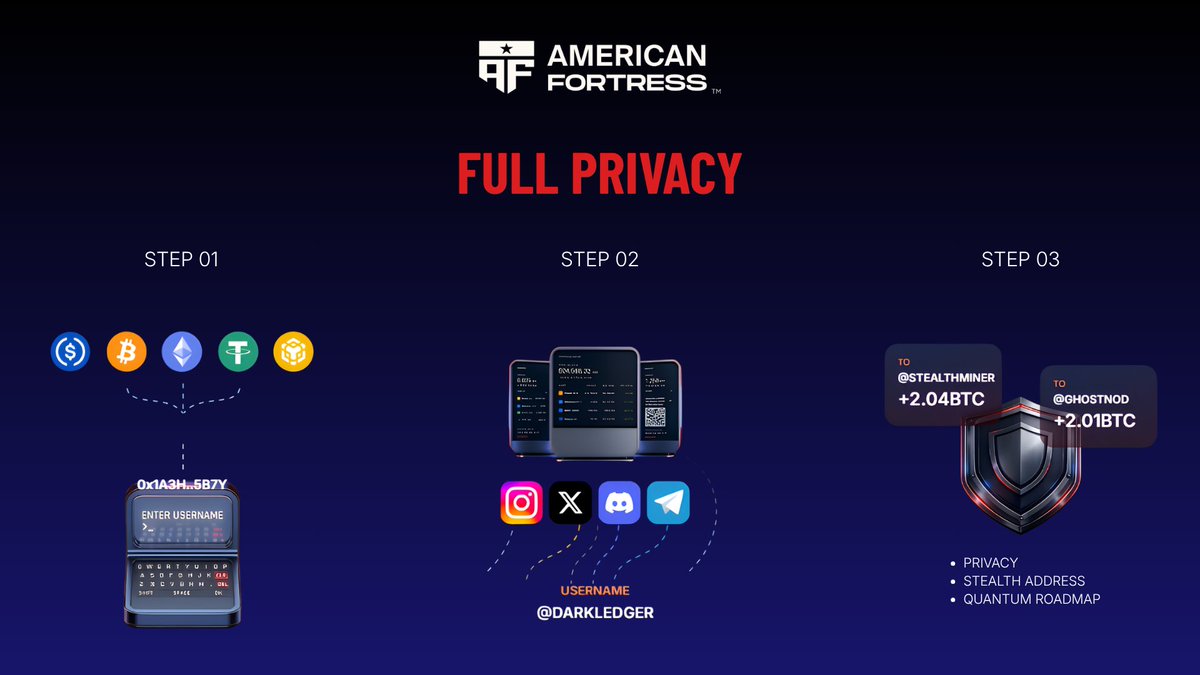
Full Privacy in 3 steps:
1. Register your FortressName™
2. Share it like a username publicly – on your socials, website or invoice.
3. SafeSend™ activates