@baym When my mom and I were moving my bed into my 2nd floor apartment we were struggling with it up the stairs and 2 unrelated neighbors helped move it upstairs to my bedroom in about 60 seconds. neither introduced themselves and i never encountered them again
🎉 New year, NEW PREPRINT!
Bacteria exhibit astonishing genetic diversity, but where do new genes come from?
My best friend Arya Kau (/labmate in the @baym lab) investigates how advantageous deletions can spawn new genes - "deletion-born fusions." 🧵:
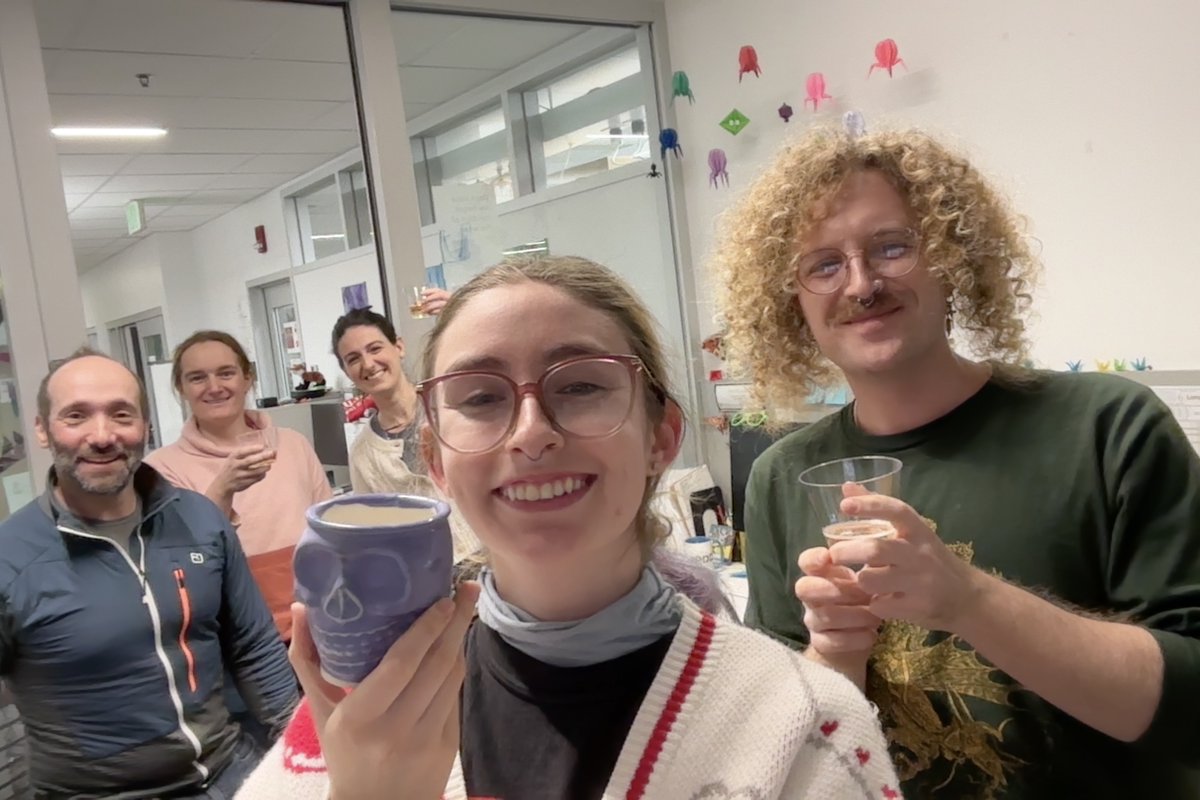
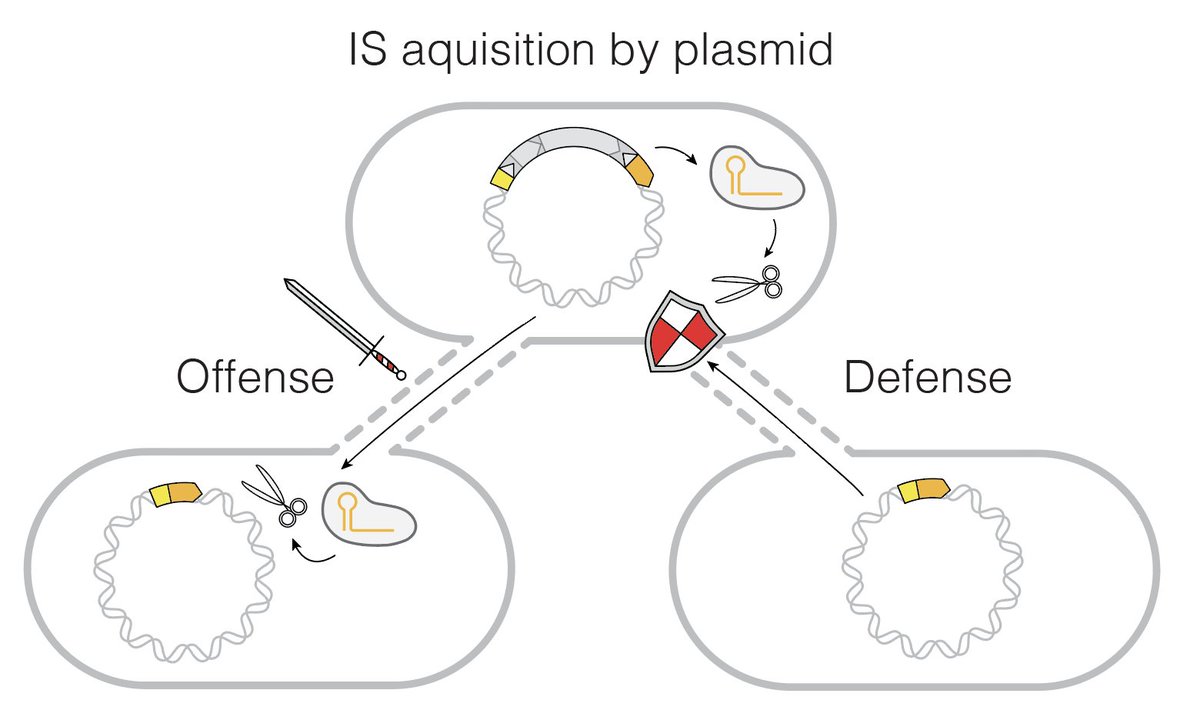
🍾 "The nested existence between MGEs is not an incidental result of selfish spread, but a driver of it." 🔥🔥🔥 bars! Super proud of Kepler for this work
(skull champagne flute also handcrafted by @KeplerMears )
What is the best strategy to win any contest?
Eliminate your opponents of course.
Recently, my colleague @fernpizza showed how plasmids compete intracellularly (check out his paper just published in Science today!). Together with @baym, we now know how they can fight.
The project has excellent lore. From contamination to a integrated tool to classify mobility, A-Dog (Arya to civilians) has found AMR gene have been increasing on MGEs likely due to the use of antibiotics. Some great graphs in here!
This is one of the findings that really motivates my research: yes, antibiotic resistance genes are ancient, but the age of antibiotics has likely contributed to a big change in their mobility and of the landscape of MGEs we see today! Very happy for Arya & to see this published.
What was antibiotic resistance like before we ever used antibiotics? How did we change what antibiotic resistance genes looked like over 100 years?
Our paper looking at genomes from the NCTC historical collection now out in :
https://t.co/cjMd33gNMU
Llamas, dolphins and measles? Oh my!
So thankful this story is finally breaking containment from my time in the @MangusoLab. Using pieces from viruses and llamas we engineered selective cell specific viral like particles with reduced immunogenicity for in vivo gene delivery
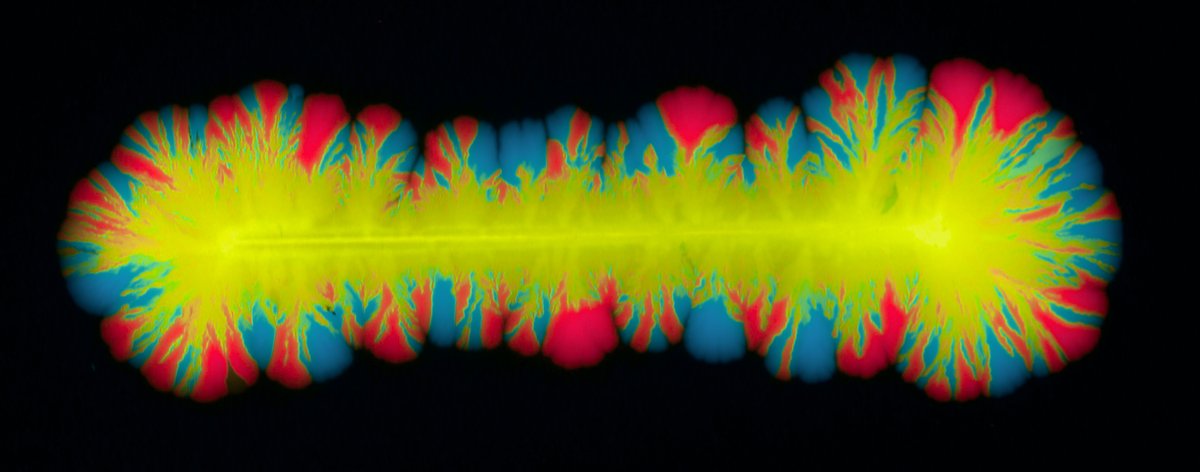
So happy that I can finally share the results of my first postdoc paper with @baym!! Turns out plasmids are an amazing system to study multi-scale evolution and we can track within-cell and between-cell dynamics! Here’s a photo of plasmids competing inside cells in a colony (1/n)
Thankful to have been given the opportunity to present my wacky little project at @crisprmeeting and grateful for the support from @baym@fernpizza and the rest of the lab!
Get ready to dance, our paper – Phage DisCo: targeted discovery of bacteriophages by co-culture – has been pre-printed! 🪩 This has been a really fun project to work on with @implosian, @baym, @nquinoneso, Kesther and Carmen! https://t.co/k04NdEUvss 1/
Excited to share a new preprint led by Indra Gonzalez Ojeda on a new tool to improve pangenome calling in bacteria, CLARC. https://t.co/BAnSAaFf26 . Passing output of Roary for S. pneumoniae populations through this tool reduces accessory genome > 30%, resolves other puzzles
Hey, it worked for me too. That is an interesting ripple on the pond of knowledge I hadn't anticipated (talking about @skryazhi's recent super cool paper)
My lab is up and running and just needs enthusiastic phage biologists to populate it! Contact me or apply in the link if you are interested in a postdoc exploring plasmid-dependent phage biology in beautiful (and super affordable!) upstate New York🍎https://t.co/nYWsBgNih4 1/3
Come see Amy at poster 174 & learn about how active prophages may change the trajectory & evolution of resistance to DNA damaging antibiotics 💊 ⚡️ #EMBOEvoEco
The bioRxiv version highlighted how anti-defense genes in plasmids are concentrated in the leading region under specialized ssDNA promoters (https://t.co/Ot8T8DQuzR).
In our new @Nature paper, we delve deeper and add experimental evidence. ✨Let's explore what's new! 2/7