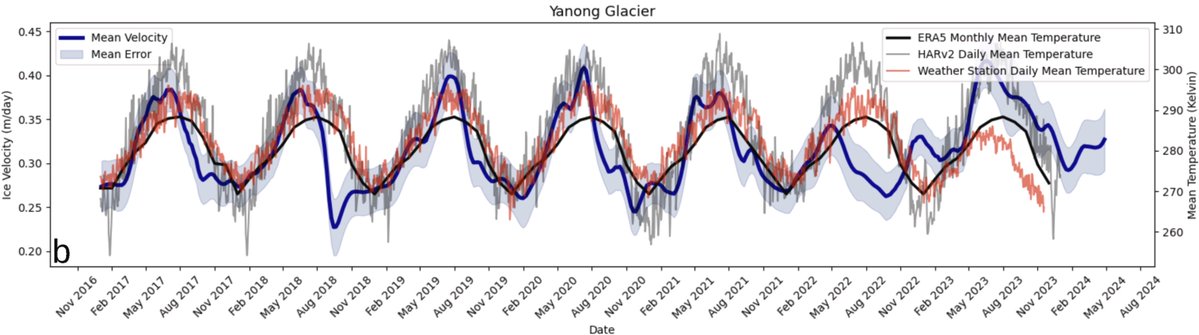
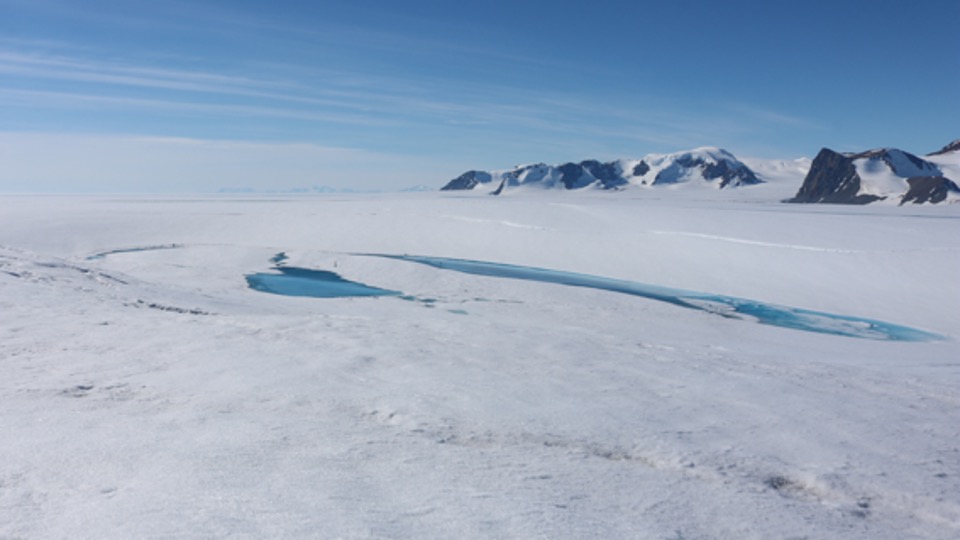
Sharing a study led by Dr. Francesca Baldacchino, which I contributed to! We resolved the seasonal variation in glacier speed and found that speed-ups and slowdowns in ice flow are associated with water trapped beneath the glaciers.
👉 https://t.co/GJE474duqp
😬Almost 40% of glaciers in Central Europe were lost between 2000 and 2023.
A new study, using data from various satellite🛰️observations -including @esa_cryosat mission- reveals alarming insights about the declining rate of glaciers.
Read the full study🔗 https://t.co/kpnSBqTAm1
RP @iamdonovan.bsky.social: 🚨dataset/paper alert!🚨 Our community effort to identify lake-terminating glaciers in the Randolph Glacier Inventory is published in ESSD! check out the associated dataset here: https://t.co/4SVDwMrYDA
https://t.co/aCAjAzEaJZ
📊Access research-ready global climate data records!
ESA’s Climate Change Initiative provides python code examples and extensive documentation to navigate our Toolbox. Get fast access to about 500 robust, validated satellite records via our Jupyter Lab. Start using this pre-defined, free-of-charge environment and become a pro at accessing climate data.
Check out the new page here: https://t.co/9z5SjEj55h
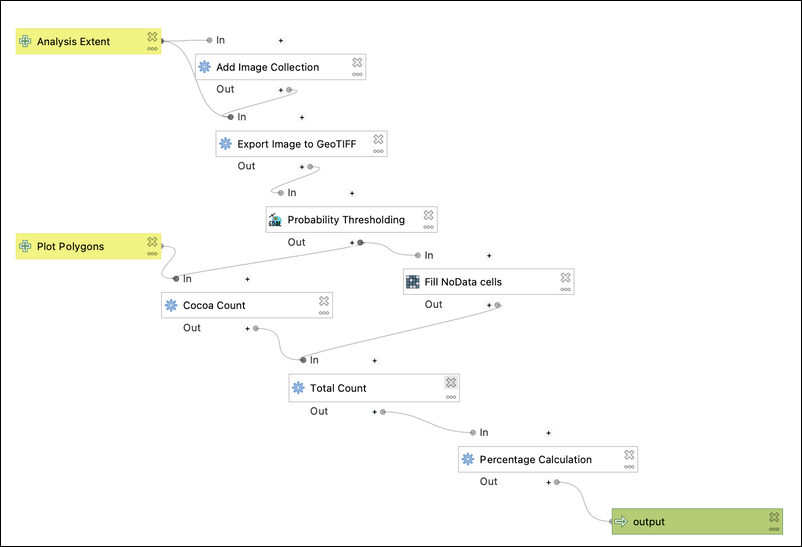
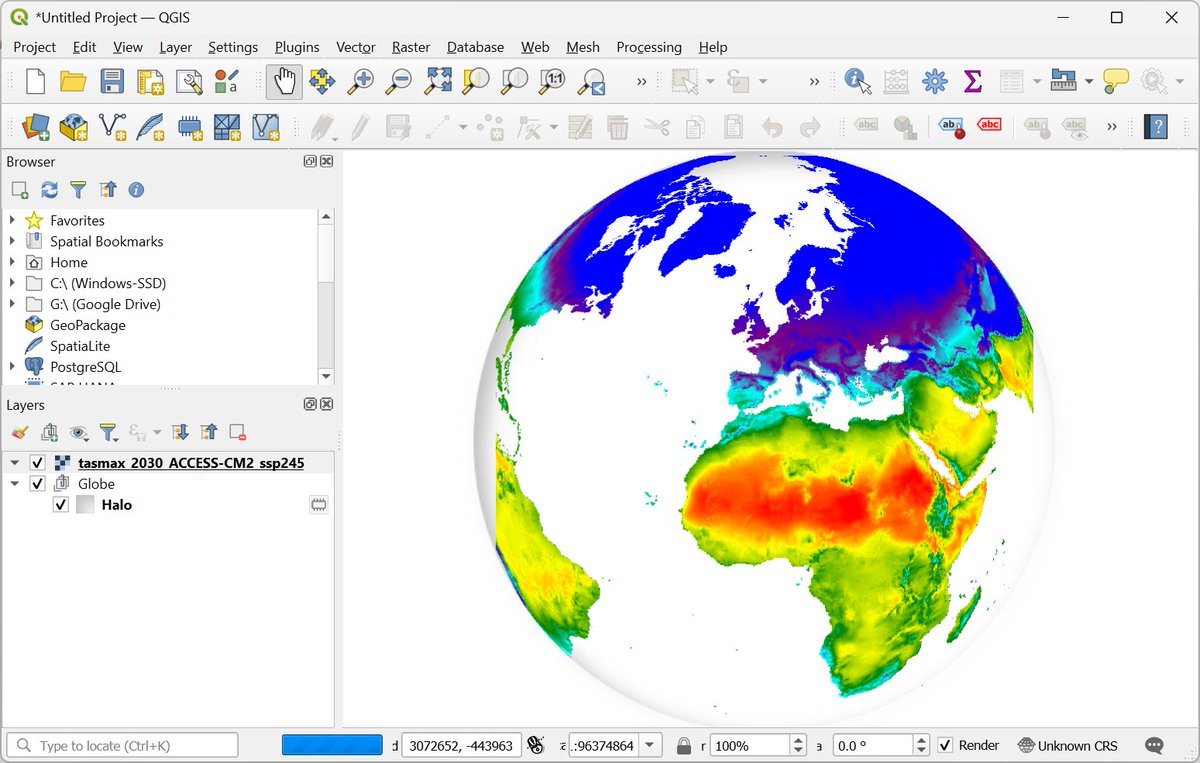
Exciting news for #QGIS users! The "Google Earth Engine Plugin for QGIS" is now updated with new no-code tools that allow you to download and use #EarthEngine datasets in QGIS easily. Check out my newly contributed tutorials for the latest plugin (1/n) 👇
Happy to announce that @NSF support for OpenTopography has been renewed for another four years! This is the 5th generation of funding for OT. Support comes from NSF EAR's Geoinformatics program & the National Discovery Cloud for Climate initiative. More: https://t.co/v0kLuNJ3lG
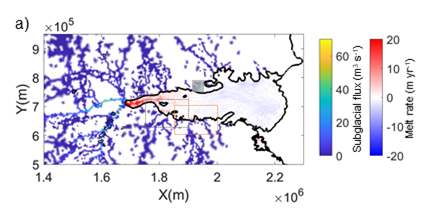
If you are interested in how we can use numerical modelling and satellite altimetry to understand subglacial hydrology in Antarctica, check out my latest paper: https://t.co/riOAc8QjNV @JGREarthSurface (1/5)
ICYMI: New work led by CIRES' @AliBanwell shows that ice shelves don’t just buckle under the weight of meltwater lakes—they fracture. @IanWillis16 @rebeccadell1
https://t.co/RYiGh0Yk1H
#ImageOfTheDay
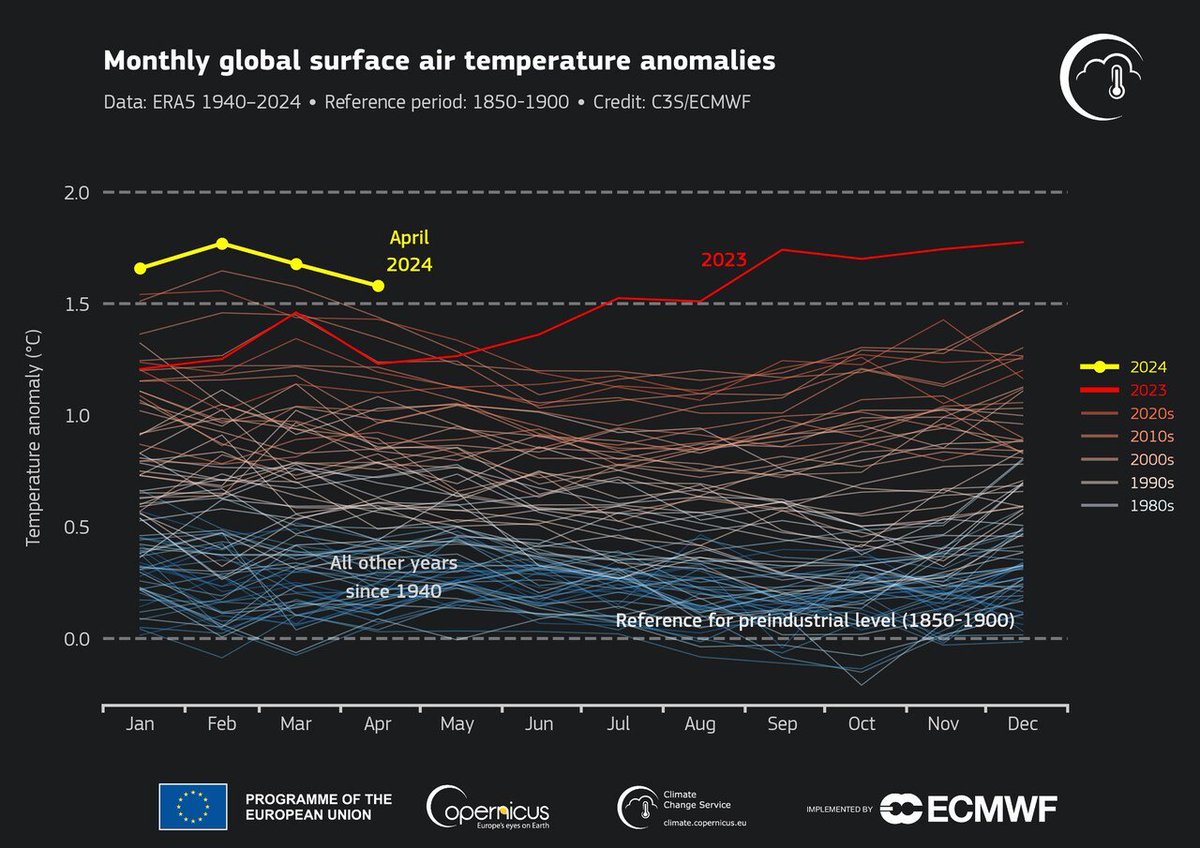
According to our #CopernicusClimate Change Service:
📈April 2024 was the warmest April on record globally, with 0.67°C above the 1991-2020 average for April and 0.14°C above the previous high set in April 2016
Read more at 🔗 https://t.co/TysdZjsl3J
The open-air style banquet in the annual meeting of geological and geophysical society of #Taiwan in #Hualien. The tent, in fact, is built on the surface rupture of 2018 earthquake! Good weather, nice people and nice food.
Published today in @igsoc, our new study that includes the first in-situ observations of Antarctic ice-shelf fracture due to surface meltwater lakes: https://t.co/eaXujeuK6L
The are so many aftershocks (many a day!) which makes me really feel like installing a seismometer at home to see whether the shake's just my illusions or not.
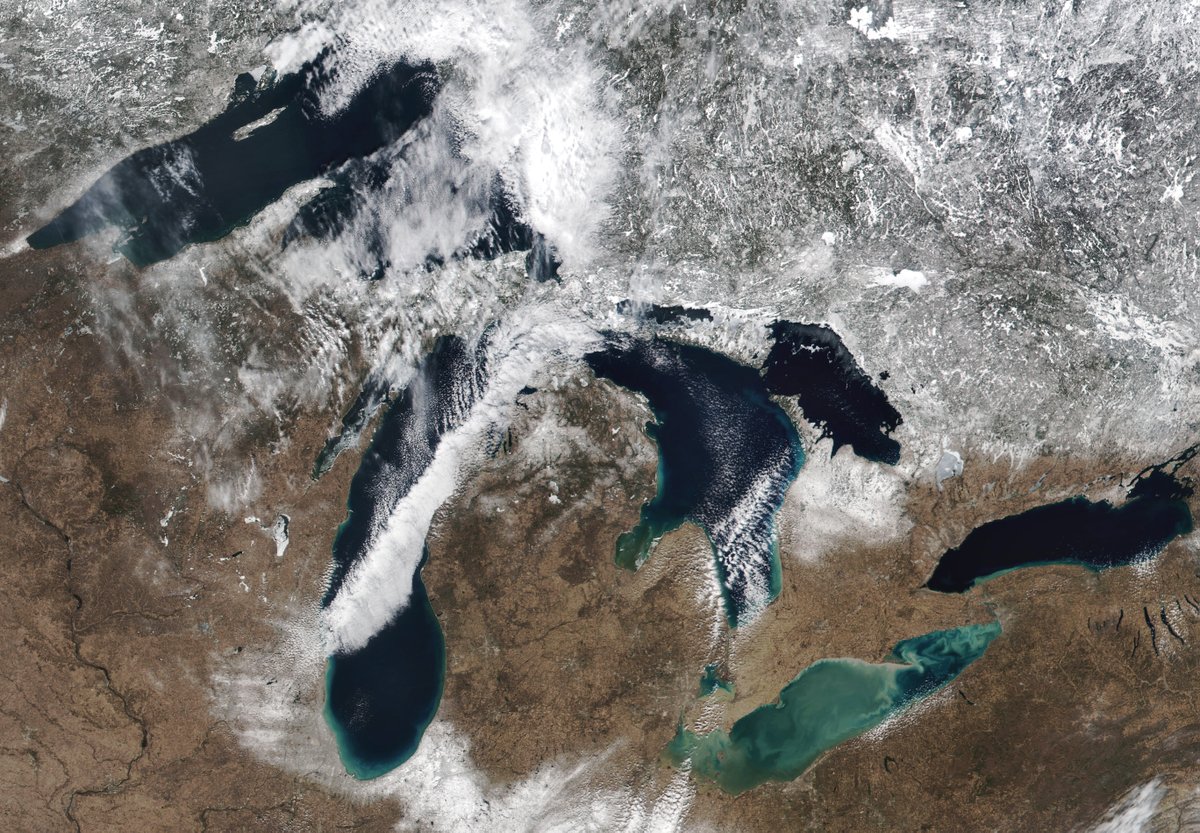
Ice cover on the Great Lakes is at historic lows – at a time when ice coverage is typically reaching its annual peak – due to warm winter weather and above-average surface water temperatures. https://t.co/U808bcTmOX 🧊