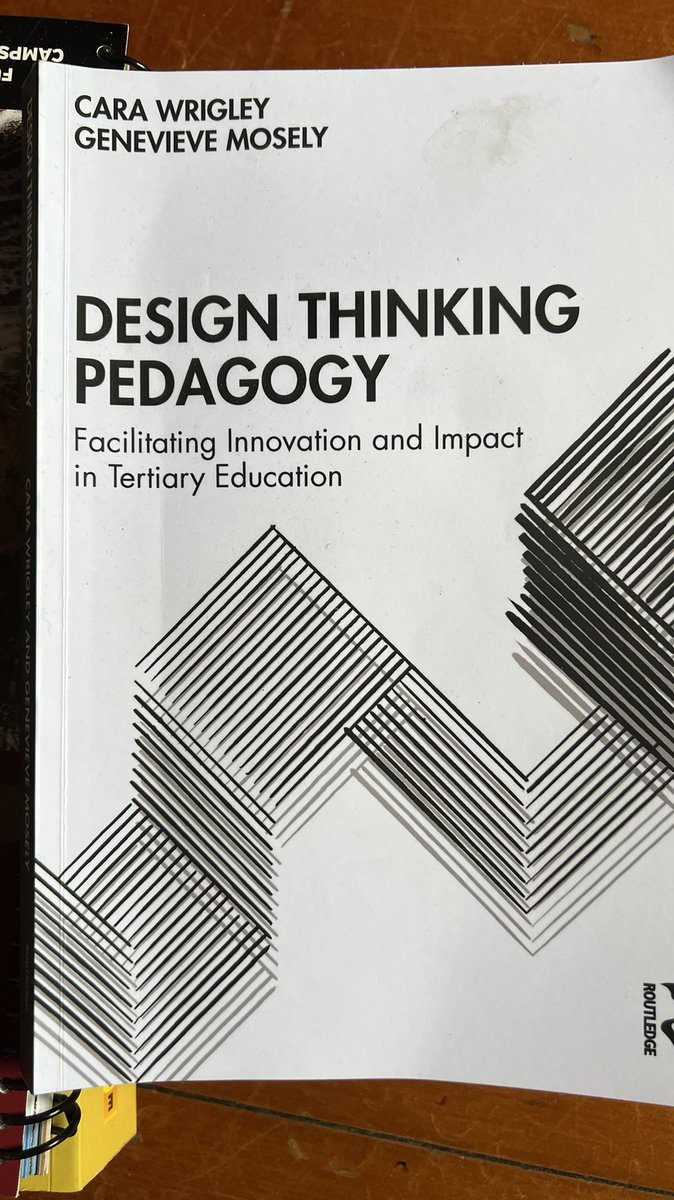
@z_rose@camerontw This new release from Cara Wrigley and Genevieve Mosely could be worth a look too @z_rose for the p7 table of design thinking history.
@z_rose@ideo@IDEOU@IDEOresearch That’s the Stanford d school model. Could be worth a look in their bootleg original about hexagons. https://t.co/y4t6KCJkxx
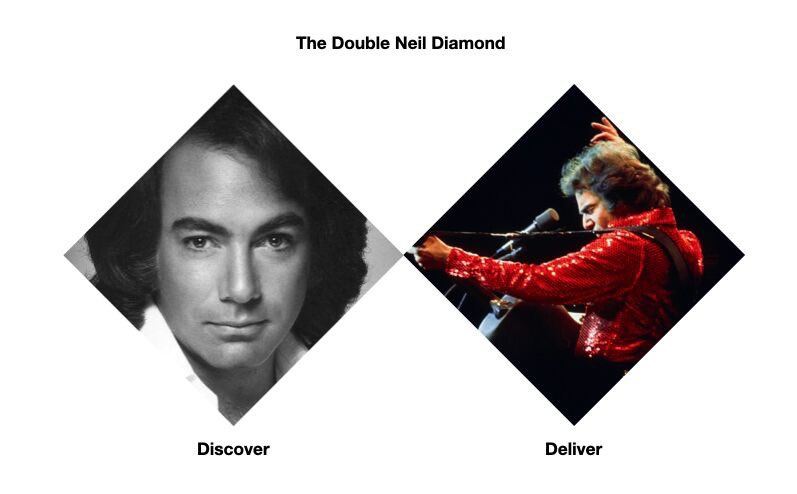
Yesterday, in a call with UX skills network colleagues at @ArupGroup, it was suggested we need a new way to look at the fabled #doublediamond – which is to see it as the Double Neil Diamond.
So I'm just going to leave this hasty edit here and see what y’all think...
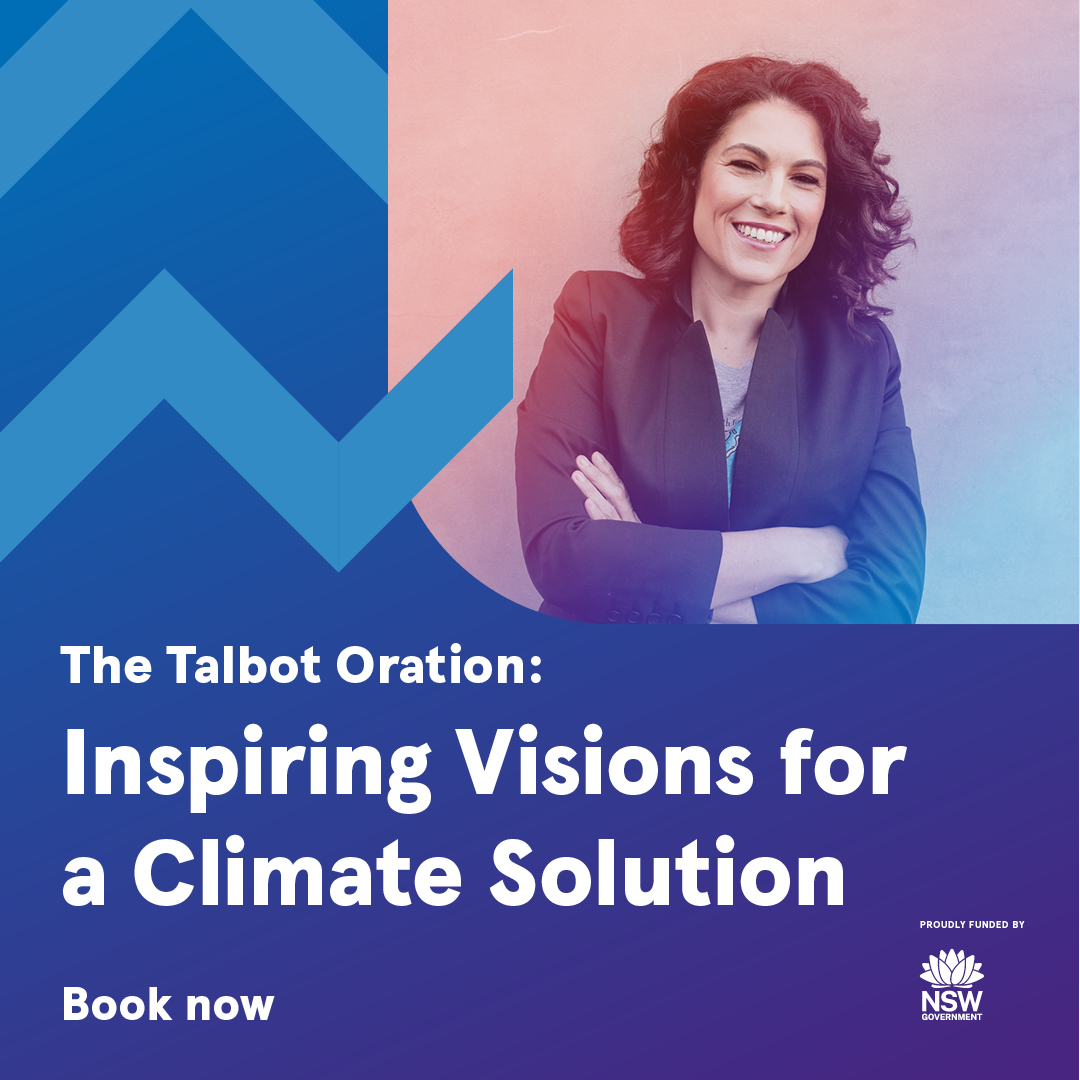
The Talbot Oration is back for 2022 & this year will be about inspiring visions for a climate solution 🌿
Join us & guest speaker, @RebeccaHuntley2 for an engaging evening on Thursday 2nd June. The event is FREE but registrations essential.
Book here: https://t.co/cdne2xbc8E
A field note observation for those who design end-of-trip facilities #eotf. Electric bikes are heavy. You can’t just lift and hang them up. And you do want a power outlet for charging.
@interacting A timely q. As a designer, choose positive impact. Work on a product, asset or problem that will
- create social value
- address a @UN#SDG
- decarbonise the economy
- value natural capital
- protect human rights
- create justice, equity & inclusion
All else is extraction.
@interacting Design is often funded by, and for, the richest 20% who have 90% of the worlds wealth. Surely a fifth principle of humanity-centred design would be equity and justice?
"20% of the world — the West — consumes 90% of its resources. Leaving just 10% for everyone else on the planet, which is 80% of human beings. But guess what else? The resources mostly belong to that 80% to begin with."https://t.co/hB1xyerdR5
@shreyas@adele_bloch In companies, acting alone, a rationale will probably suffice. In publicly funded context though frameworks are essential for transparency. Judgment without transparency and frameworks provides a cover for corruption. The public should expect a framework for their money.
@shreyas Catchy. Counterpoint: A fireplace cannot replace a good yarn, but a bad yarn desperately needs a fire to burn in. (Yarn 🧶 is an Australian reference).
@jessmcmullin@drstefdirusso @j_rehm The firm I work for now is mostly known for engineering (buildings, rail systems, roads, city plans, water, energy etc a long list). Engineers daily refer to their work as design. Design = engineering. Which invalidated some of the ideas I had, coming from digital product.
@drstefdirusso Oh I can agree with the architecture comment. But I see also UX practitioners give sometimes scant regard to historic design disciplines hcd skills. To choose one thing: UX design research practices foreshadowed by 60s-70s observational urban design (eg Wm Whyte).
@drstefdirusso What’s worked well has been focusing on complementing the other design disciplines involved, respectfully adding what I bring to what they already have. In that way I get to learn about what others do, and don’t need to be expert.
@drstefdirusso My answer is yes, but that’s after 20 years focusing on digital products. At @ArupGroup since 2018 is I work across planning, design and engineering of buildings, cities, places, rail, bus, cycling, water and energy. The design thinking frameworks & practices are all relevant.
@poisontofu @jonathontoon Sketch is the last desktop software I fell in love with @poisontofu. Axure before that. But it’s Omnigraffle that broke my heart by not going online years ago.