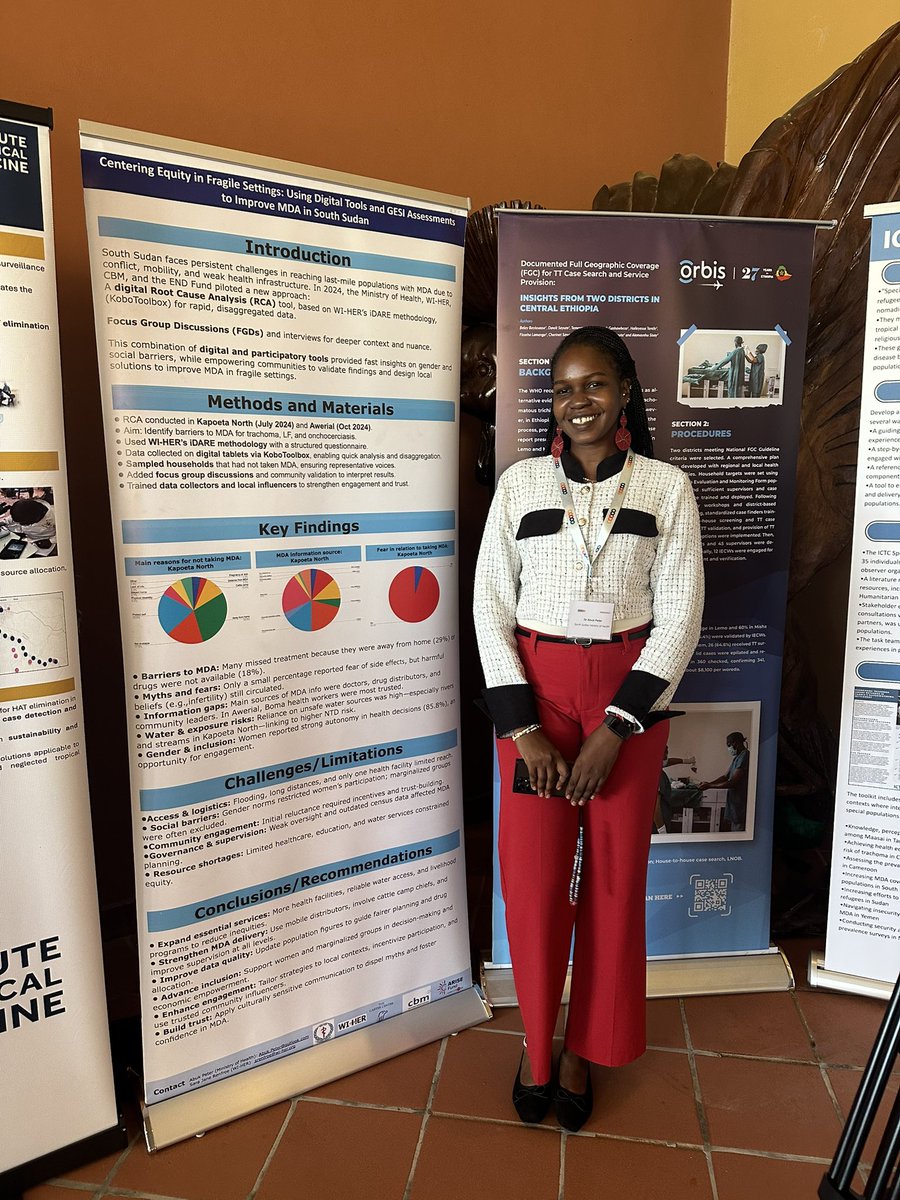
At #NNN2025? Stop by the posters outside of the Victoria Ballroom to read about WI-HER’s work with the South Sudan Ministry of Health and The END Fund to improve MDA outcomes, presented by Abuk Peter!
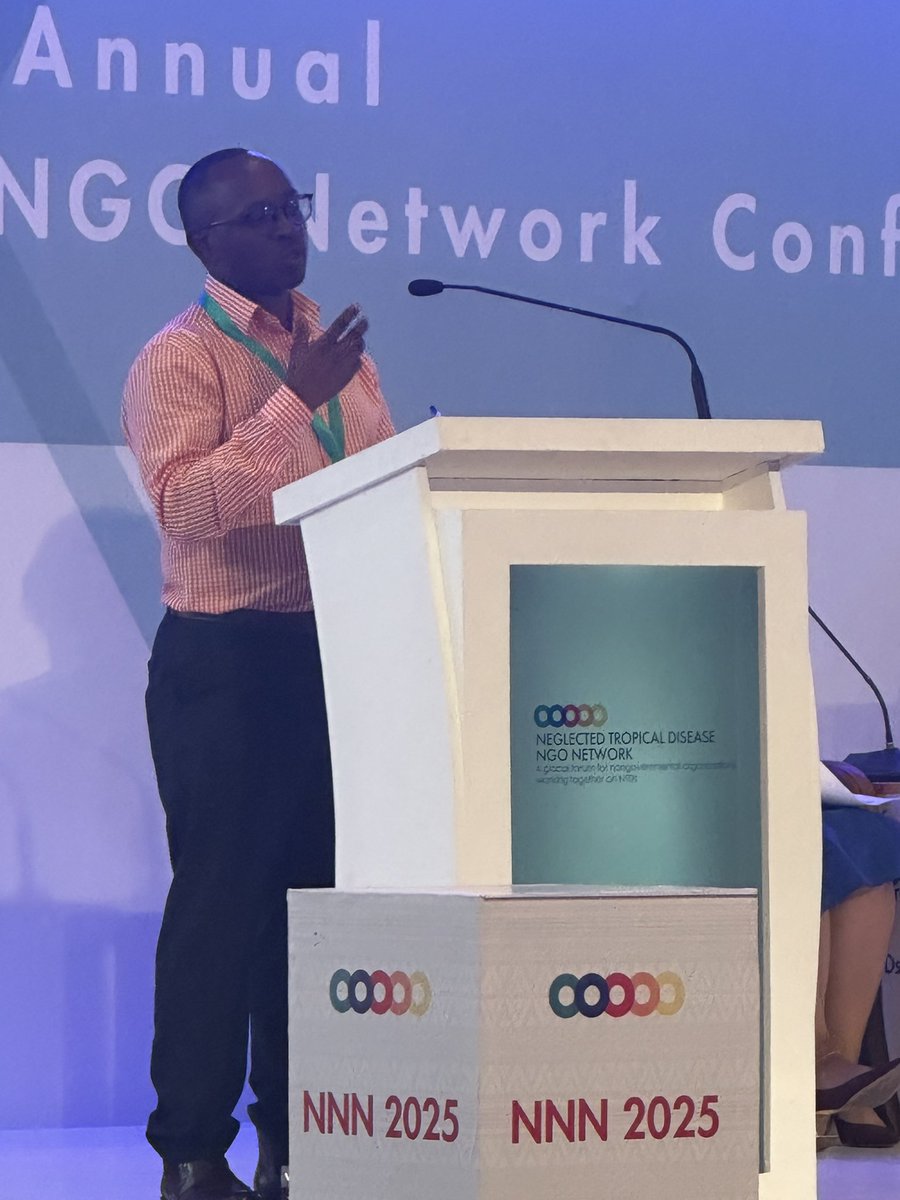
WI-HER’s Emma Ssegawa shared insights at #NNNConference 2025 on Digitizing Root Cause Analysis (RCA) for Equity—drawing on multi-year community work in Uganda to make NTD programs more inclusive and effective.
Proud to see this innovation on the global stage. #NTDs#HealthEquity
January 30 marks World Neglected Tropical Disease (#NTD) Day! NTDs are a group of preventable and treatable diseases that affect about 1.5 billion people around the world. This #WorldNTDDay, let’s #UniteActEliminate to beat these diseases for good.
What is scaling in AI models, and how it important to continued innovation? The growth of AI is contributing to scientific breakthroughs, according to @OurWorldInData: https://t.co/2rjkLDVRoF
#LearnInnovateAdapt#Innovation#Technology
Education access & quality are social determinants of health, which means that they can impact the health & well-being of our children. This #DayOfEducation, learn what we can do to provide high-quality educational opportunities: https://t.co/PPDcxdej7e
World NTD Day is one week away! Here, Emmanuel Ssegawa shares what most excites him about WI-HER's iDARE methodology and how it can be used to improve health outcomes and strengthen NTD programming. https://t.co/RoYC8xB8sH
How can a root cause analysis tool help NTD stakeholders create targeted interventions to improve MDA coverage for last-mile populations?
Find out at the Innovation at #InCORNTD on January 21st with WI-HER's @emmanuelssegaw2 along with colleagues from @rtifightsNTDs. @COR_NTD
WI-HER collaborates directly with health workers, the Ministry of Health, multi-level government officials, the private sector, and other community influencers across nearly every district in #Uganda to facilitate improved health outcomes. https://t.co/NDYDIGzg4c
Join us & our colleagues from @rtifightsNTDs in the #InCORNTD Innovation Lab on January 21st. WI-HER's @emmanuelssegaw2 & RTI's Joyce Achan will share a root cause tools package for trachoma transmission & low MDA coverage among last mile populations.
When we better understand the barriers people experience in accessing or accepting preventative medicine for NTDs like lymphatic filarisis, we can create interventions that address their specific needs. From our work with @rtifightsNTDs: https://t.co/I9nGWmSku6
True #DigitalInclusion starts with providing access to devices, but it doesn't end there. As this paper from the @GlobalDevInst demonstrates, digital development programs must also enable women on how to use the devices. Read more: https://t.co/6l4pfflUSt
In our latest Staff Spotlight, get to know Bryce Feibel, WI-HER's Operations Manager, as she shares what excites her about her work, and where you'll find her when she's off the clock.
#StaffSpotlight#WhoWeAre#OurTeam#GlobalDevelopment
A health worker in Uganda offered Julius medicine to prevent & treat trachoma, but he refused to take it. Why? A root cause analysis conducted by WI-HER under @rtifightsNTDs uncovered how misconceptions about the disease's cause initially held him back. https://t.co/jI0D6bcmvF
#DigitalInclusion initiatives don't always reduce the digital divide, which is why it is critical to evaluate a program's effectiveness and adapt activities to meet the needs of the individuals a program is trying to reach. From @Benton_Inst https://t.co/1r93Y2Cmga
Systemic barriers inhibit progress and innovation at all levels. By analyzing data and applying the science of improvement, we dive deep into understanding the barriers that can influence processes, policies, and, ultimately, outcomes. #HowWeWork
To achieve Sustainable Development Goal 4 - inclusive & quality education for all & promote lifelong learning - @OurWorldInData dives into the data so we can design interventions that address the specific barriers boys & girls face in accessing education: https://t.co/sIQdQmE21o
In #Uganda, a teacher documents attendance by updating a school data table; this is the local solution when computers or tech systems are scarce. By understanding the barriers educators face & how they adapt, we can better create tools & resources to support them. #Education
After the root causes of local challenges are identified, we work with the community to discuss solutions that respect the local culture and leverage a community’s strengths. https://t.co/SB85drfeSW
#PublicHealth#CommunityEngagement#CoCreation
Dr. Ramadhan Ali, WI-HER GESI Behavior Change Specialist, shares the importance of understanding community and family dynamics when designing effective interventions. #BehaviorChange#CommunityEngagement