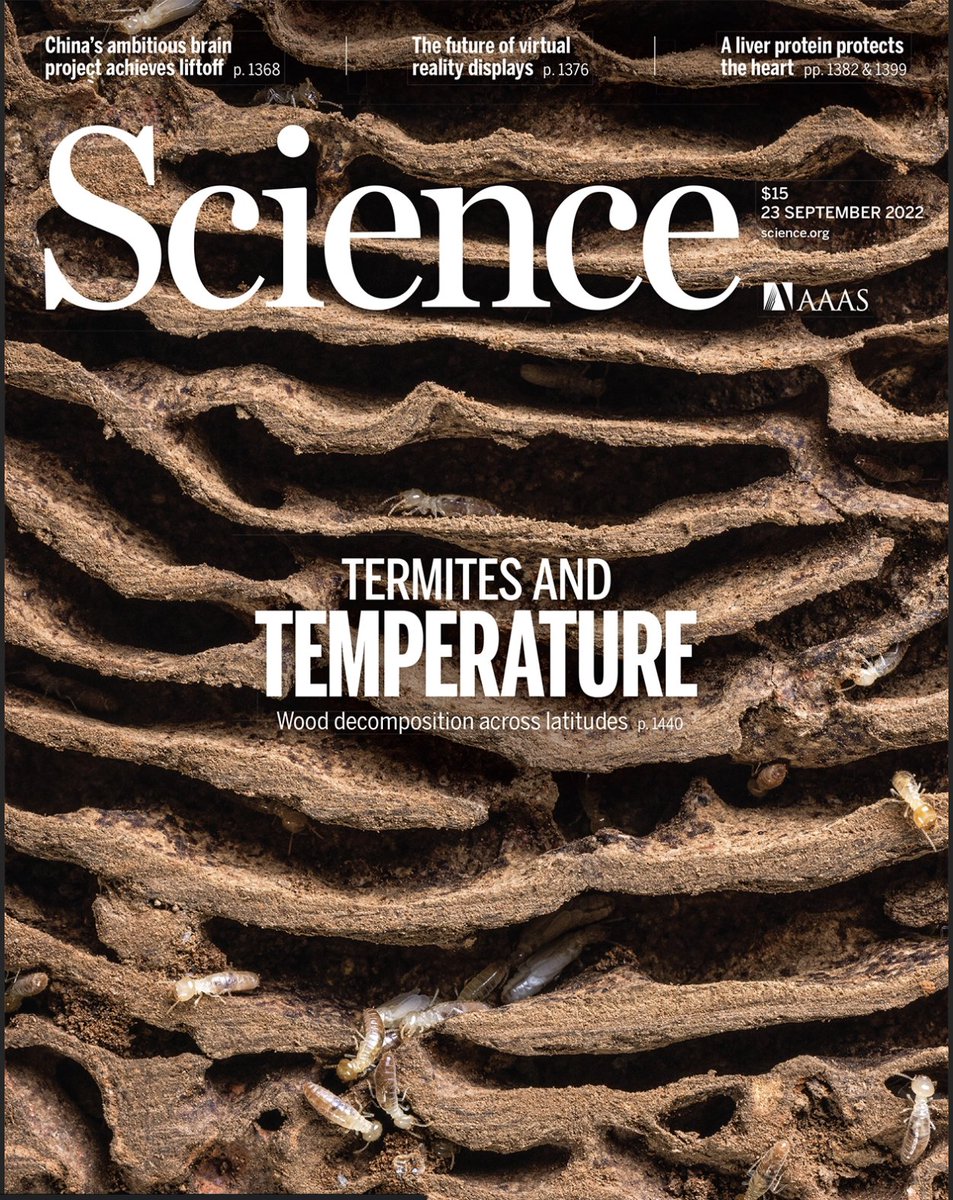
Results from a globally replicated experiment: microbes respond to temperature in a very well known way, but termites are much more sensitive to temperature. Termites are massively understudied for how important they are globally, and warming is likely to make them more important
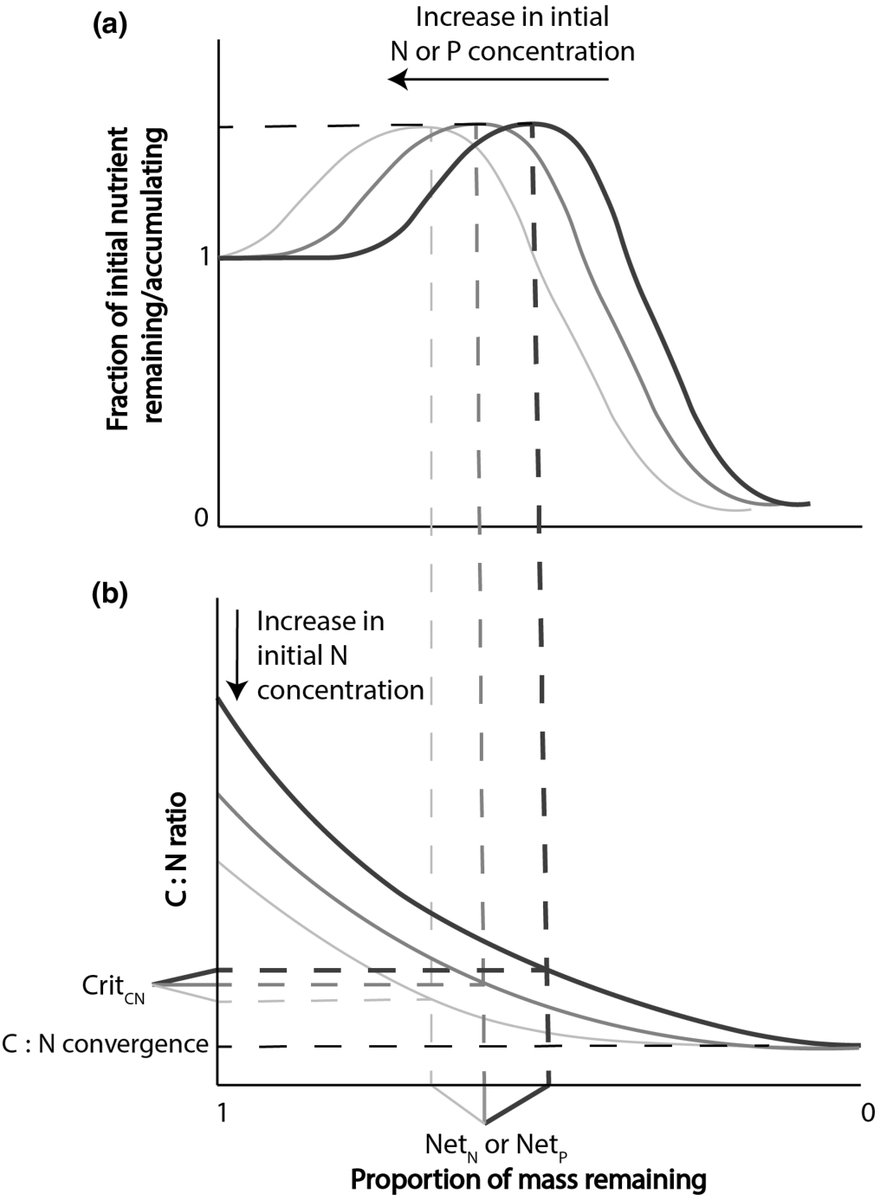
Faster than expected: release of nitrogen and phosphorus from decomposing woody litter
Wijas et al. @BapsWijas @will_cornwell @AmyZanne
📖 https://t.co/D6RBLr5WeV
New paper: https://t.co/rx8lYLVV5e
We compiled master plant species lists for 2 of the 5 oldest national parks: Royal (Australia) and Yosemite (USA) by combining herbarium vouchers + @inaturalist records + official expert park lists, extensively manually curating all records.
Hearing the NBA and Warner struck a deal for WBD to move out of the NBA’s house after this season. There will be no lawsuit. Zaslav got some much-smaller-stakes stuff to go away for good. Will Inside the NBA get licensed to ESPN next season? That’s the next subplot to watch.
Wild herbivores' impacts on vegetation in arid Australia translate to soil seedbanks https://t.co/4QQAQg0oa6. @TongtongXu16 shows that seed density increased along an aridity gradient and that herbivores suppressed seed density at the most arid site. @willcornwelll @BapsWijas
📸@dandy_gumnut tells us the story behind this month's cover image:
🍂'I was going through hundreds of #herbarium sheets & realised that centuries of info across the globe were just waiting for someone to transcribe it as a digital dataset we can analyse'
https://t.co/dMZdYTeZOR
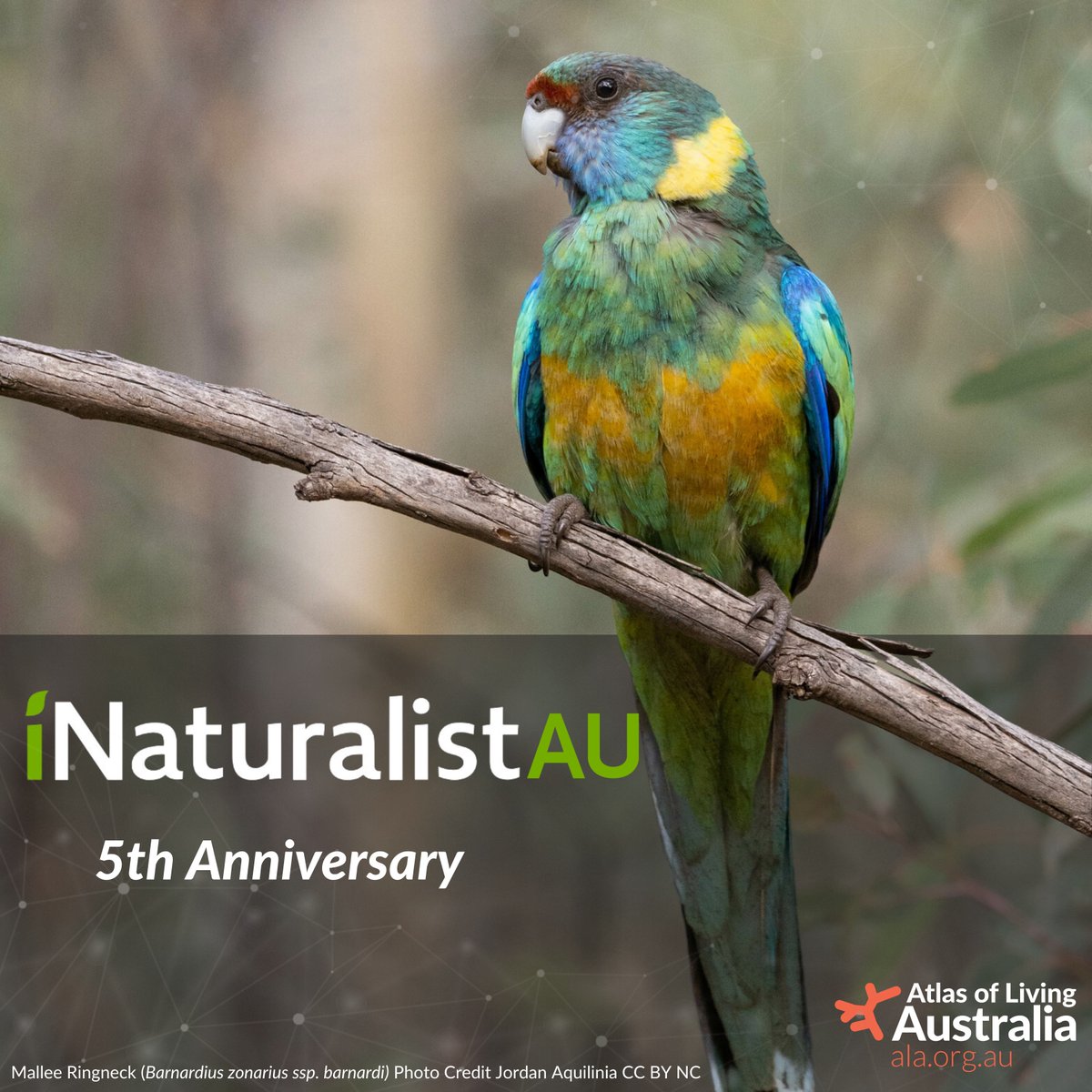
Congrats to iNaturalist 🇦🇺 for five laps around the sun! ☀️ 📊🤳
Thanks to you amazing #citizenscientists, they've just hit:
- 9,000,000 species observations...
- Of 60,000 different species...
- From 100,000 observers!
Read more below:
📚🔗 | https://t.co/69j6Q2t8b3
New research often revises species taxonomies. Without a clear crosswalk, old datasets & studies can be challenging to amalgamate. #R package APCalign helps solve this, aligning names to #AustralianPlantCensus. Elizabeth Wenk & colleagues @UNSW@unswbees https://t.co/AjfBejK26D
@Zambullida@timutteridge Global plant species with 1 reliable field photo is likely to be maybe 150,000 globally give or take. With enough photos for ML is much less.
So you might be right about the Artificial Anti-intelligence.
Our paper on plant photographs from Australia: https://t.co/hEE66647Fu
@rsnaru Apple M-series does *some* big matrix operations super super fast. maybe using the GPU?
Presumably the C++ libraries underlying R knows how to access this feature of the M-series chips, but I have yet to figure this out fully.
Our research group @UFWildlife and @UFIFAS_FLREC is looking to hire a postdoctoral researcher focused on quantitative ecology!
Pay: 65-75k USD.
Looking for someone to start late 2024 or early 2025.
- Experience or interest in working with state and federal agencies a must!