https://t.co/W7zap3gduv
As we settle into our routines created at the beginning of this year, here’s a helpful concept and program that can get you started. Hint: if you’re not working out 6 days per week, that’s okay! Read to see why:
Wolff’s Law: “bone in a healthy animal will adapt to the loads under which it is placed”. Julius Wolff was an anatomist and surgeon in the 1800s. Strength training 101: if you don’t expose your muscles, tendons and bones to stress/load, they won’t change.
Shoot for at least one cardio day where you hit moderate (zone 2) for 30-45mins. And another, shorter intense 15-20mins (zone 4/5, usually interval training). Be active on non exercise days (increase NEAT). That’s it, keep it simple.
Unpopular opinion: you don’t need to run to be fit or healthy. Many people don’t tolerate running well. Don’t feel bad if you need to find another modality for cardio.
I believe there is too much social pressure to run. You don’t have to if you don’t want to. Usually fast walking is enough for most, or your favorite cardio machine.
You can grow and maintain muscle at any rep range. More important than number of reps is set intensity. You don’t need to train to failure, just get close enough. 2-3 “working” sets, with sufficient effort, gets the job done. Don’t overcomplicate things.
Often, you need to adjust your workout schedule to match your life. There’s big life events like having a kid, or seasonal events like school or summers. Either way, working out shouldn’t be so rigid that we can’t fit it into our ever-changing lives. Adapt and stay consistent.
The lesson: never assume you know where people are at. Rather, try to ask and meet people where they are at. As trainers, we are here to give clients what they need, sometimes that means deviating from the overall plan. Both clients felt better after the sessions 😊
I started a recent session with a client the same way I start most sessions, with a “how’s everything feeling?”. When she started to tear up and pause, I knew something was off…
1) increased mind muscle connection, creating better pathways to contract a muscle and therefore get stronger or build more awareness to that muscle
2) take awareness off the depression and on the workout. Working out can be the best mindful activity one can do
Not sure what rep range to use, or even forget when you’re mid-set (we’ve all been there)? Try using “5 effective reps”. Whether you do 5 or 15 reps, 5 reps should be “effective”. I.e., 5 reps each set should feel hard. Do this each set and you will progress quickly.
@itscoachgoodman Couldn’t agree more. Just posted about this myself. The process should be the focus, not the goal. Though goals are a good starting point.
What’s the lesson here?
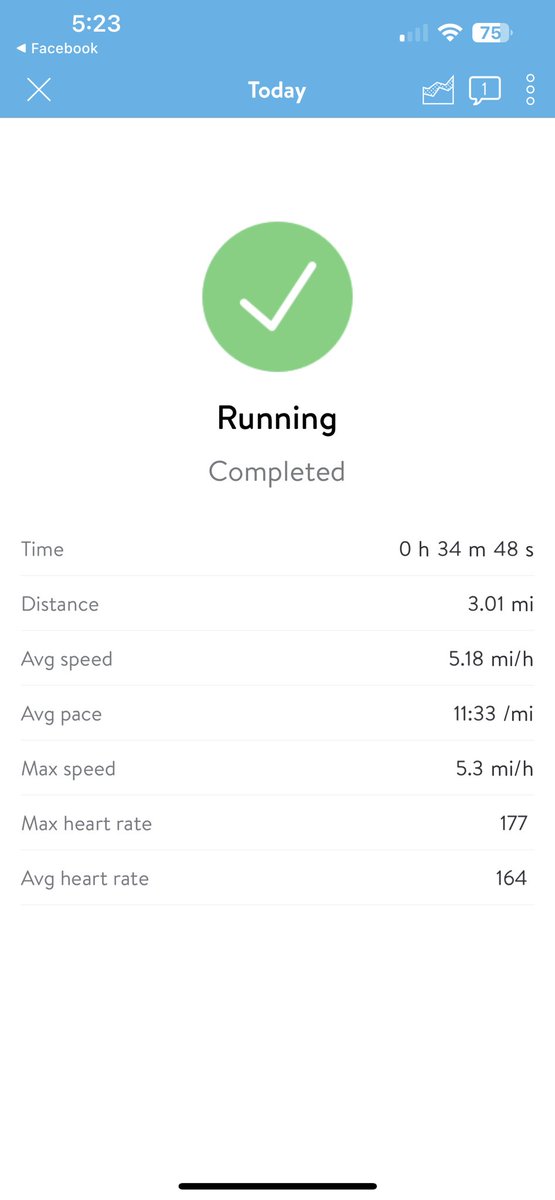
It’s not the goal. It’s the process. The process of consistent, regular training with low volume strength eventually helped meet her running goal. Further, we work WITH her “injury” and didn’t vilify it. We focused on what she COULD do.
Sometimes it’s okay to fail to reach your goal. Recently a client had a goal, and we failed to reach it (at least initially). She had always complained of shin splints, but wanted to run more. So, I created a plan that worked for a short time, but we plateaued.