‘The mystery of Apple News’
In this new blog post I explore the UK’s most used news app and the astonishing lack of transparency that surrounds it.
I discuss how news aggregators lack oversight and that @AppleNews is an outlier with its opaque policies. https://t.co/kJ6WeTioUg
Delighted to announce that I’ll be starting as a Senior Policy Advisor in the Media and International Directorate in the Department for Culture, Media & Sport (DCMS)!
I’ll be working on BBC policy and the BBC Charter and I’m looking forward to helping shape UK media policy.
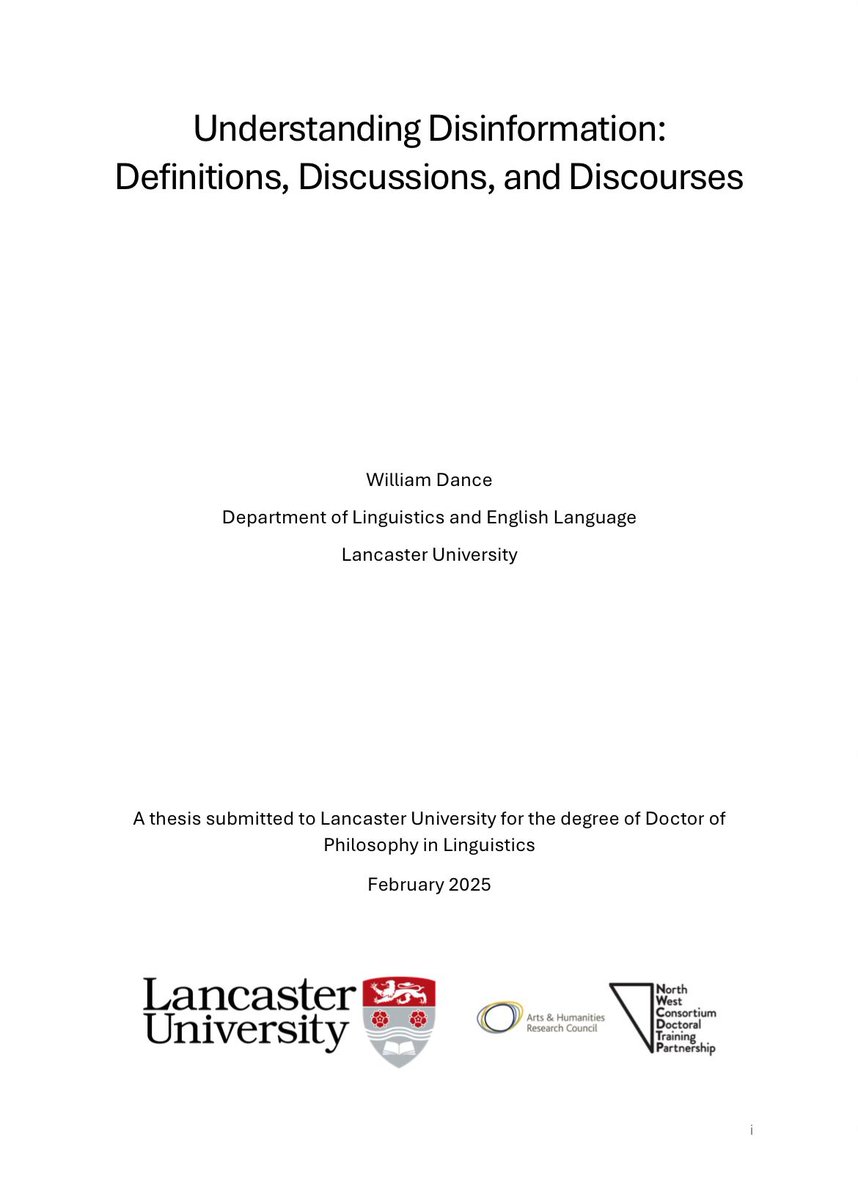
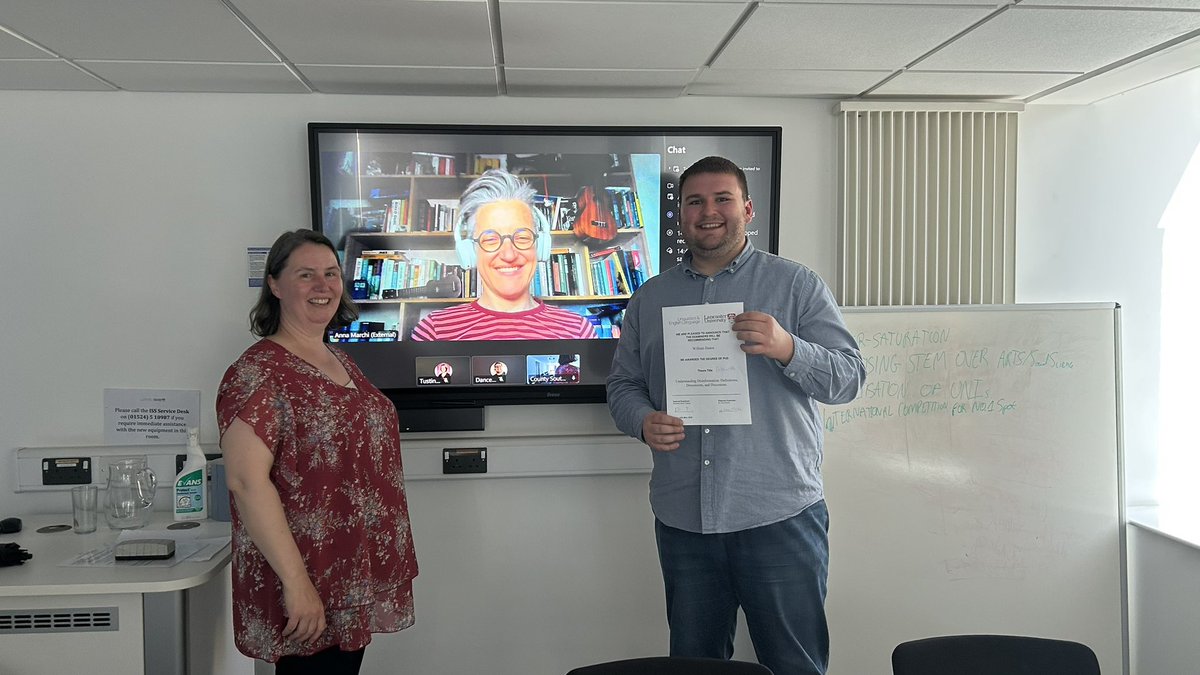
Happy to say that I passed my PhD viva with no corrections today @LancasterUni!
I’ve spent almost a decade studying disinformation, and my thesis explores how the public, policymakers, and others understand core concepts like ‘disinformation’ and ‘misinformation’.
New 🚨
“Disinformation and Algorithms: Amplification, Reception and Correction”
I contribute to the theory around #disinformation and #misinformation studies and carry out a corpus-based analysis of the use of tokens like ‘disinformation’ on Twitter.
https://t.co/xNCANb9Bgk
Spotted a lot of April Fools’ Day activity from brands and organisations on social media yesterday.
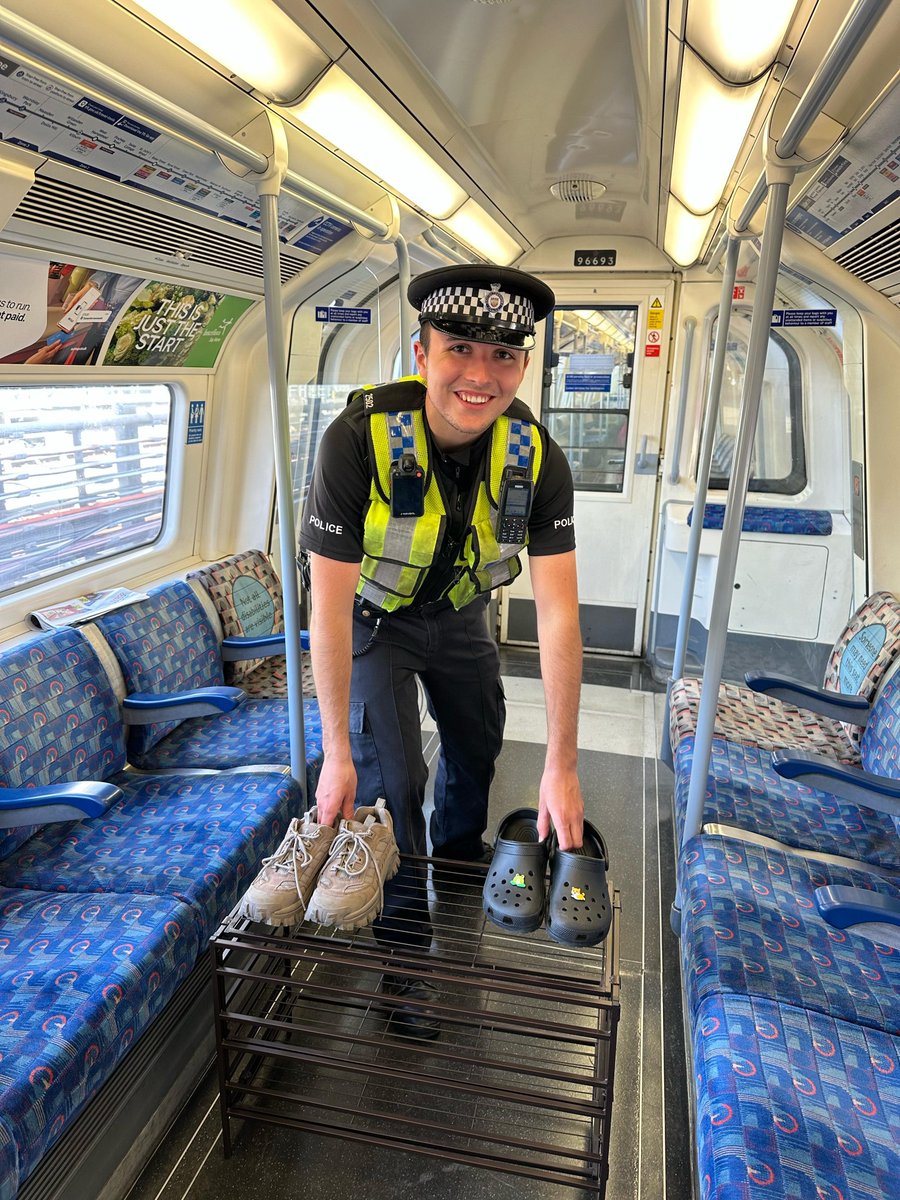
Strikingly, the only one I encountered that didn’t use genAI images was this from the British Transport Police.
Today we’re announcing new measures which will see the mandatory removal of outdoor footwear on the railway.
The groundbreaking step is being introduced following a surge in reports to our text 61016 service of people putting their feet on seats.
🔗 https://t.co/jfYdKUdIZo
This new image can show different angles, perspectives, and contexts, and results in a complete reimagining of a real subject into an artificial composition.
I’ve chosen ‘enhancement’ as this is often done simply to garner impressions/likes, and is aimed at ‘improving’ an image.
We’re experiencing an interesting phenomenon here:
There is a Pikachu-themed activist in the demonstrations in Türkiye, but the visual used here (and elsewhere) is AI generated. The blending of legitimate and fabricated content further complicates what people can believe online.
I’m going to refer to this as disenhancement and misenhancement: the modification of a real-world artefact by adding fabricated or false elements to create a new version.
This results in an entirely new image, rather than a modified one with classic image distortion practices.
New from me: ‘Corpus Linguistics and Social Media,’ to be published in print and online for the International Encyclopedia of Language and Linguistics, 3rd Edition in 2026.
For now, you can find it online here:
https://t.co/PD1IfnZf33
New piece for @ConversationUK by @elenasemino on our latest study on a new form of vaccine-specific scepticism - questioning the status of some vaccines as vaccines https://t.co/XRTJjYoHWL
New paper in Vaccine X: ‘It's a shot, not a vaccine like MMR’: A new type of vaccine-specific scepticism on Twitter/X during the COVID-19 pandemic
https://t.co/ZWWG5R80FK
I talked about the social and technical factors that contribute to belief in celebrity misinformation to @TheAthletic/@nytimes and how it’s often family members and people associated with celebrities who end up the targets of false information too. https://t.co/spWRN9o9Xp
I was just on @BBCRadioWales talking about Mark Zuckerberg's recent announcement regarding moderation and fact checking on Meta platforms, and how he is embracing the 'Musk approach’.
Here's a clip and you can hear the full 6 minute interview on my blog: https://t.co/sKbJ9Dai1V
This is a perfect example of why we need to legislate to protect social media users from harmful content, because social media companies can just decide one day to do what they want and no one can stop them.
We don’t need vibes based moderation, we need real protections.
This is the most extraordinary statement I’ve ever seen from a social media executive.
There’s a lot to unpack, but the takeaway here is that Zuckerberg is doing what he *feels* is right, with no oversight, no real transparency, and with global impact.
https://t.co/Yq2qxn6gJK
My blog @FakeBelieveBlog had its best year in 2024: 3,151 visitors from 72 countries spanning 5 continents! 🌍
The top countries were the US, UK, Canada, Germany, and the Philippines. I published 5 new posts with new resources for adults and kids too.
https://t.co/0pqYQ1wXm2
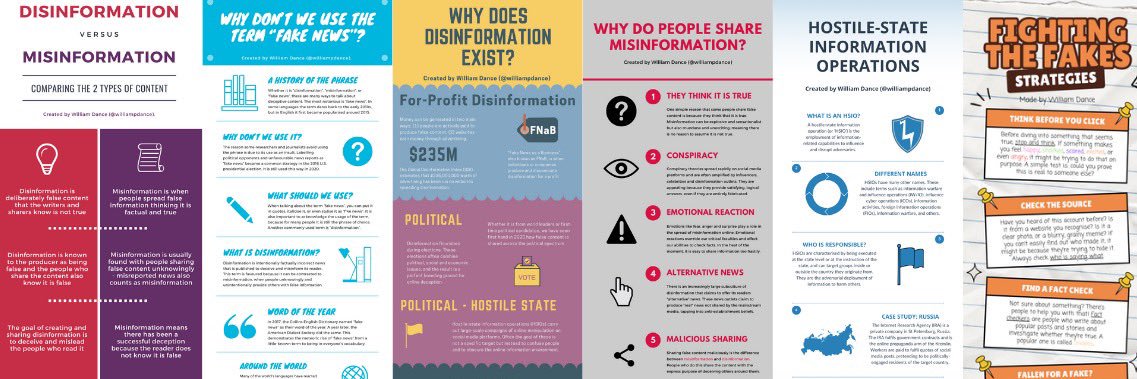
I was asked to make a simple explainer for kids on how to navigate and understand information online, so I made this.
It teaches kids how to process information online, reiterating the specific things they can do when on social media/the wider internet.
https://t.co/icMVQ5tCkQ