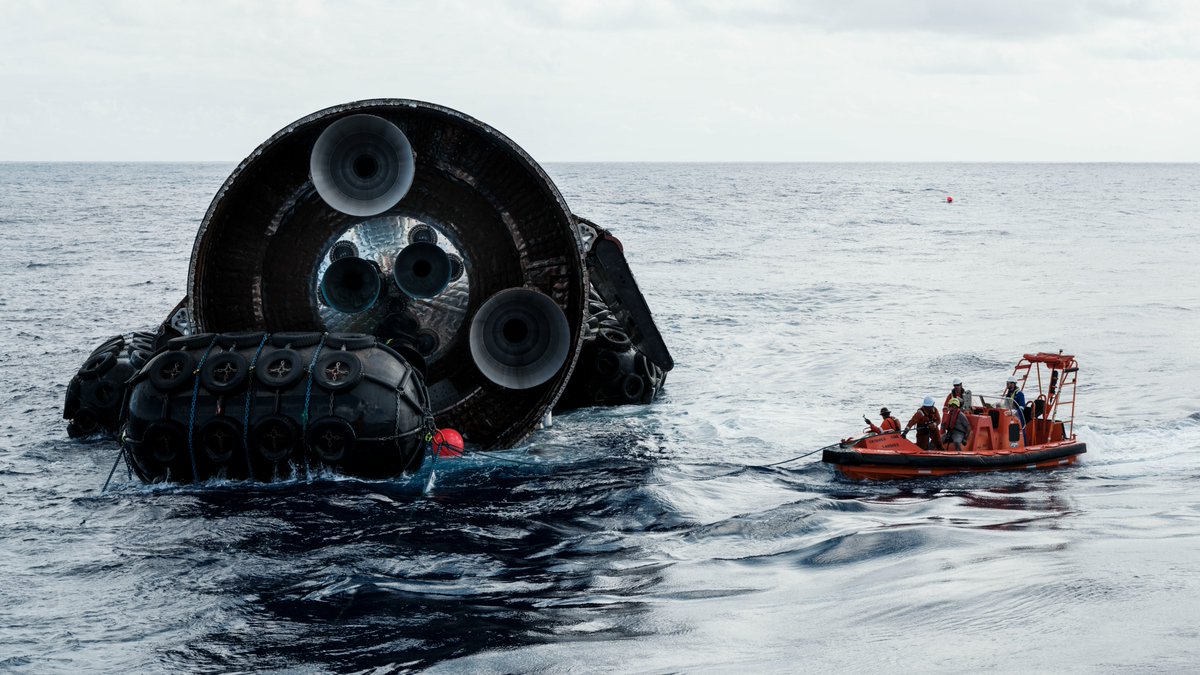
The SpaceX Recovery team is still working to recover Flight 13’s Starship from the Indian Ocean. They’ve been overcoming challenging conditions and increasingly rough seas as they attempt to guide the 52m long spacecraft to port
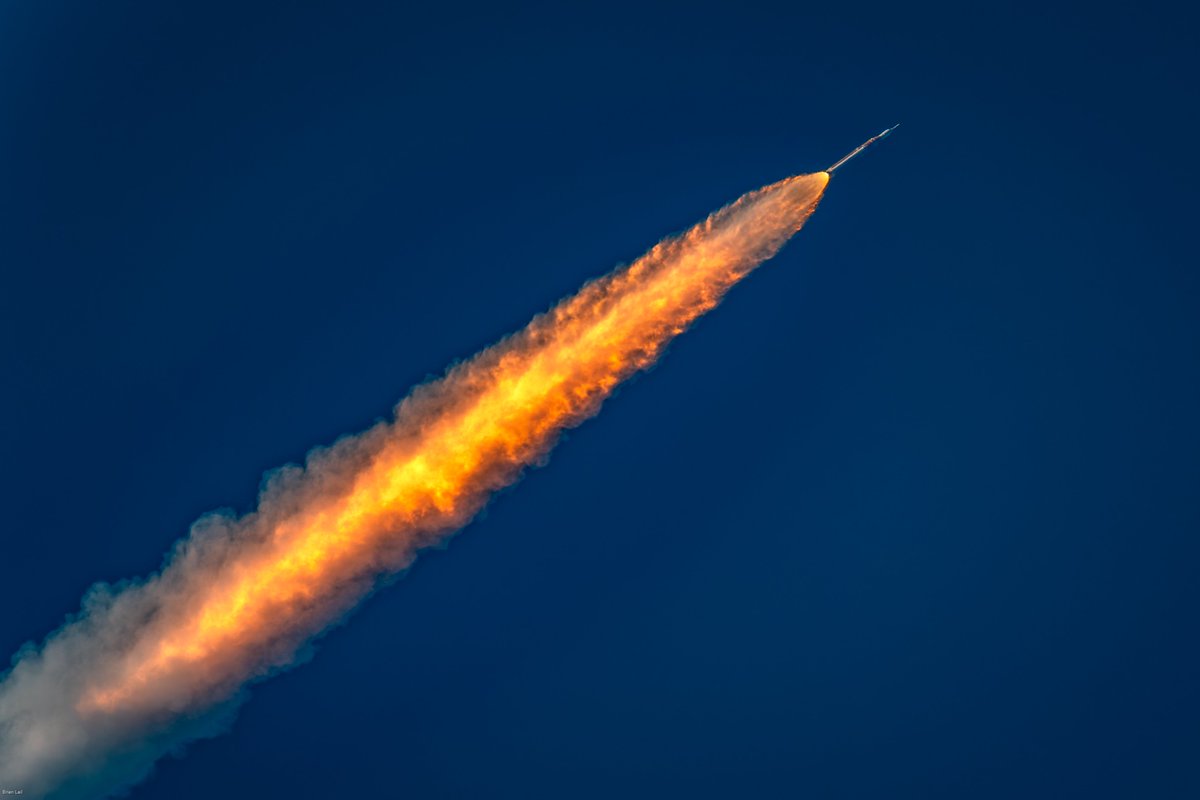
Starship soared on the second flight of the next generation, deploying advanced Starlink satellites for the first time and providing priceless data as it travelled through air, space, and sea → https://t.co/Rp7VwBzpWx
Man i wish western launch companies would do more with drones when it comes to filming rocket launches like these fpv looking drone shots CHASING the rocket because this is the coolest shit ever
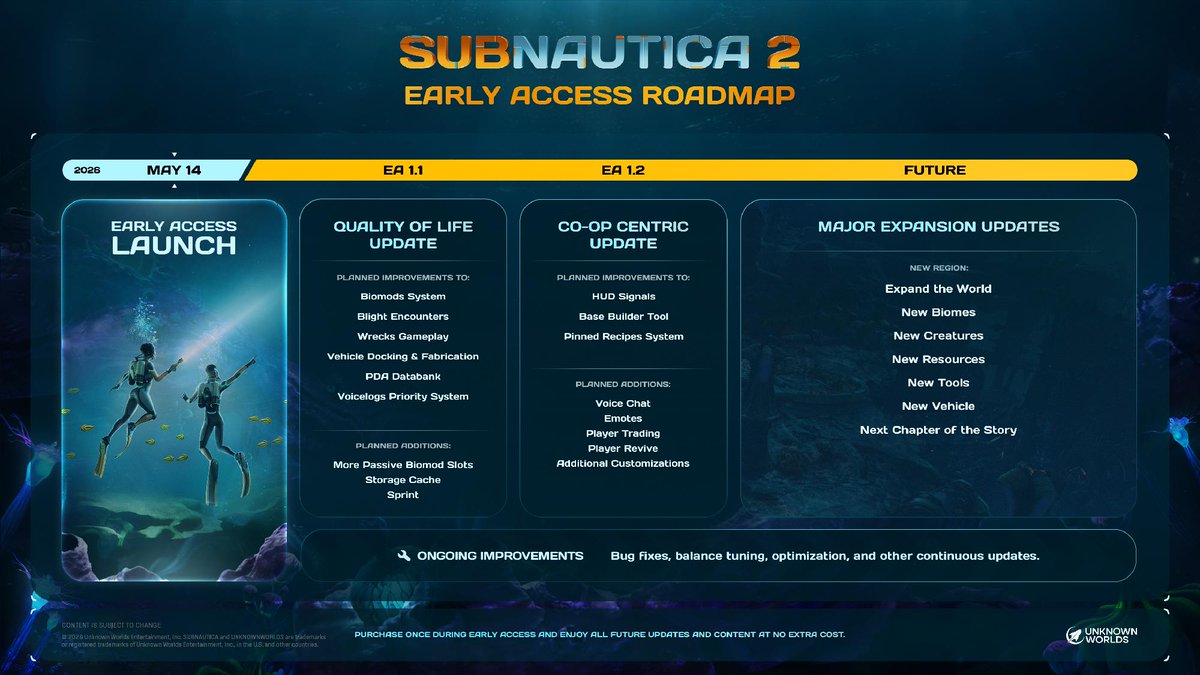
As you all dive into your first thrilling adventures in Subnautica 2 Early Access, we wanted to share a little bit about our plans for the game over the next few months ✍️
Read more: https://t.co/YEFOuKao2s
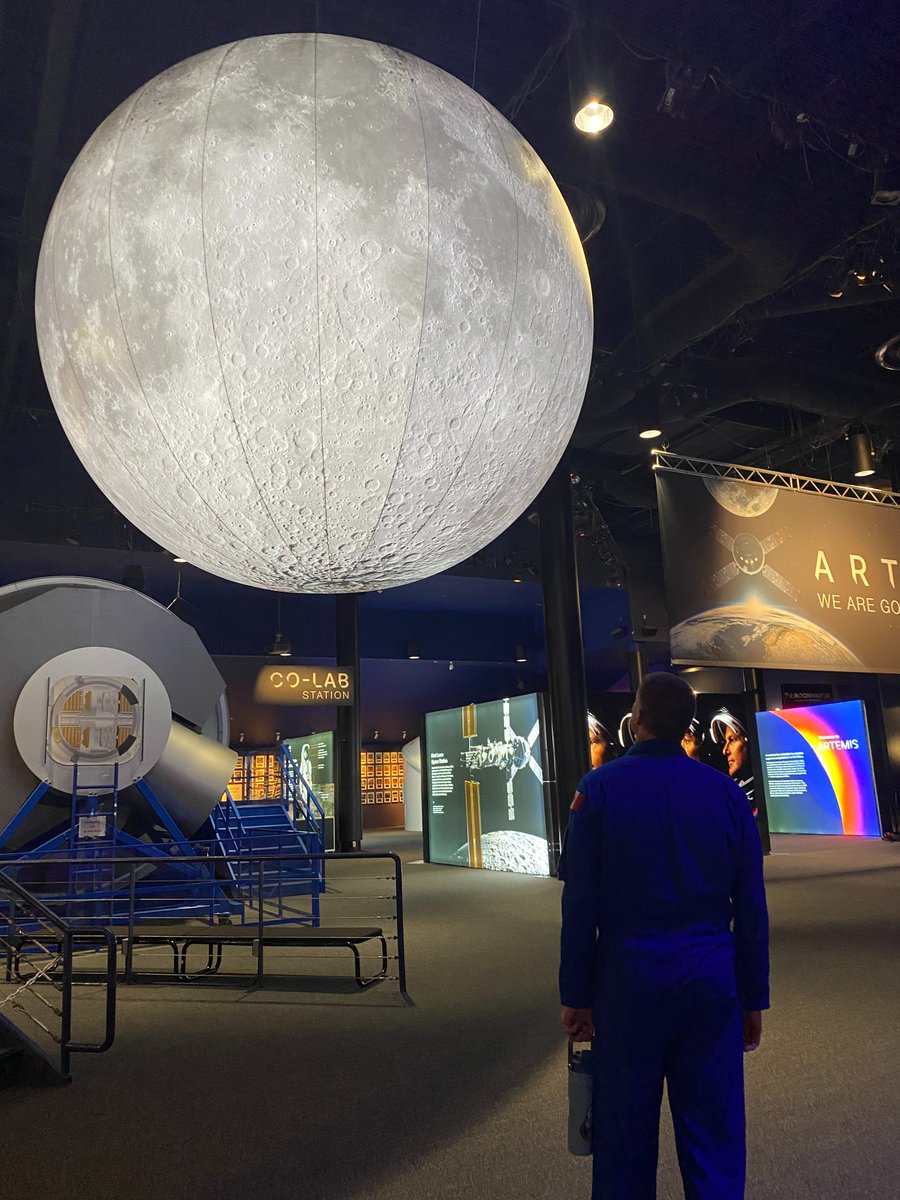
Every time I look up at the Moon now, even the one at Space Center Houston, it feels different.
It’s no longer just a distant light in the night sky — it’s a place I’ve studied up close with my own eyes. I find myself tracing its features, recognizing the shadows, the craters, the quiet stories written across its surface.
The Moon hasn’t changed, but now when I observe it, it comes back to life in my mind with a new and treasured perspective.
“On the Moon is a photo of my family. I pray it reminds you that we and America and all of the world are cheering you on.”
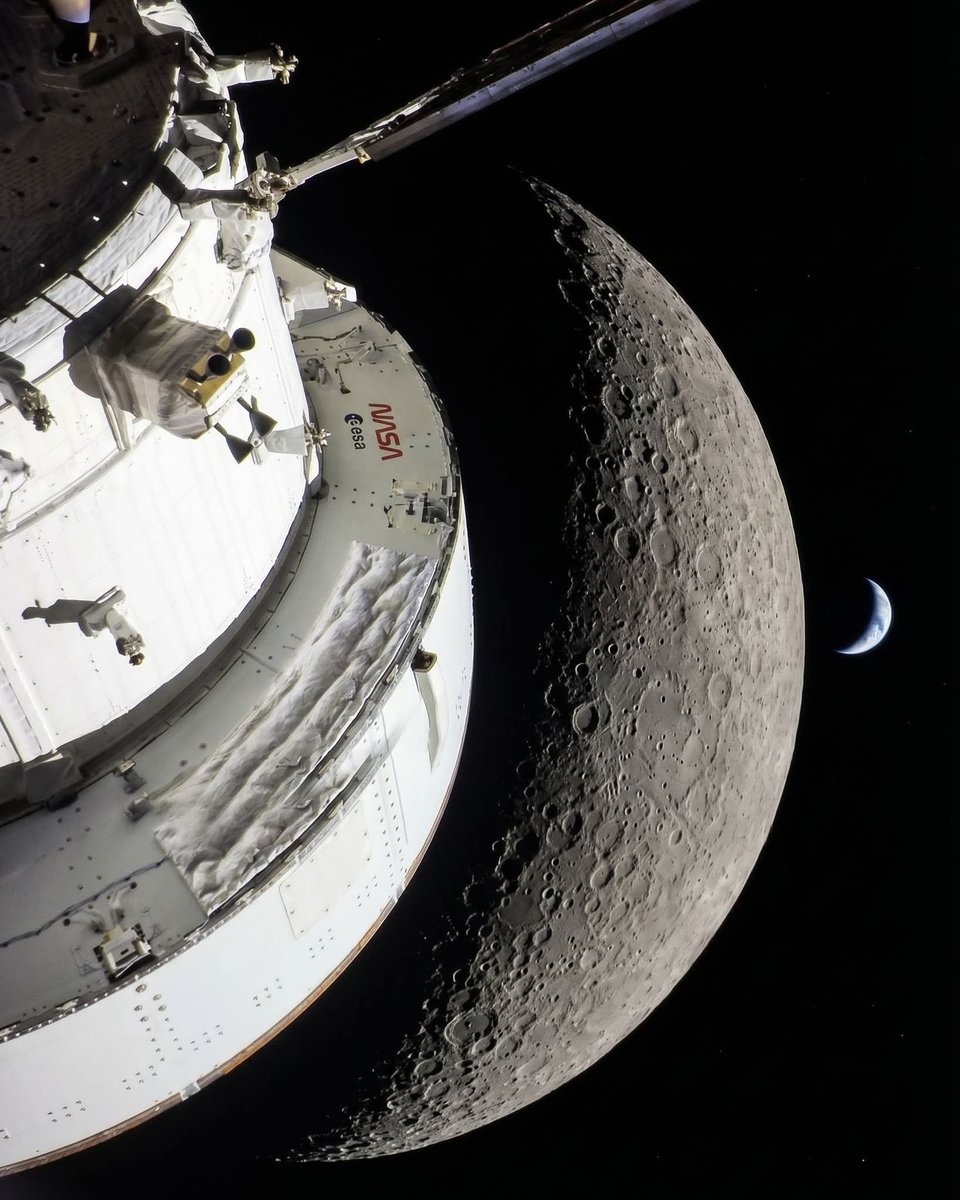
Apollo 16 astronaut Charlie Duke recorded a message for the Artemis II crew. Fitting that they hear his words as they close in on their lunar destination.
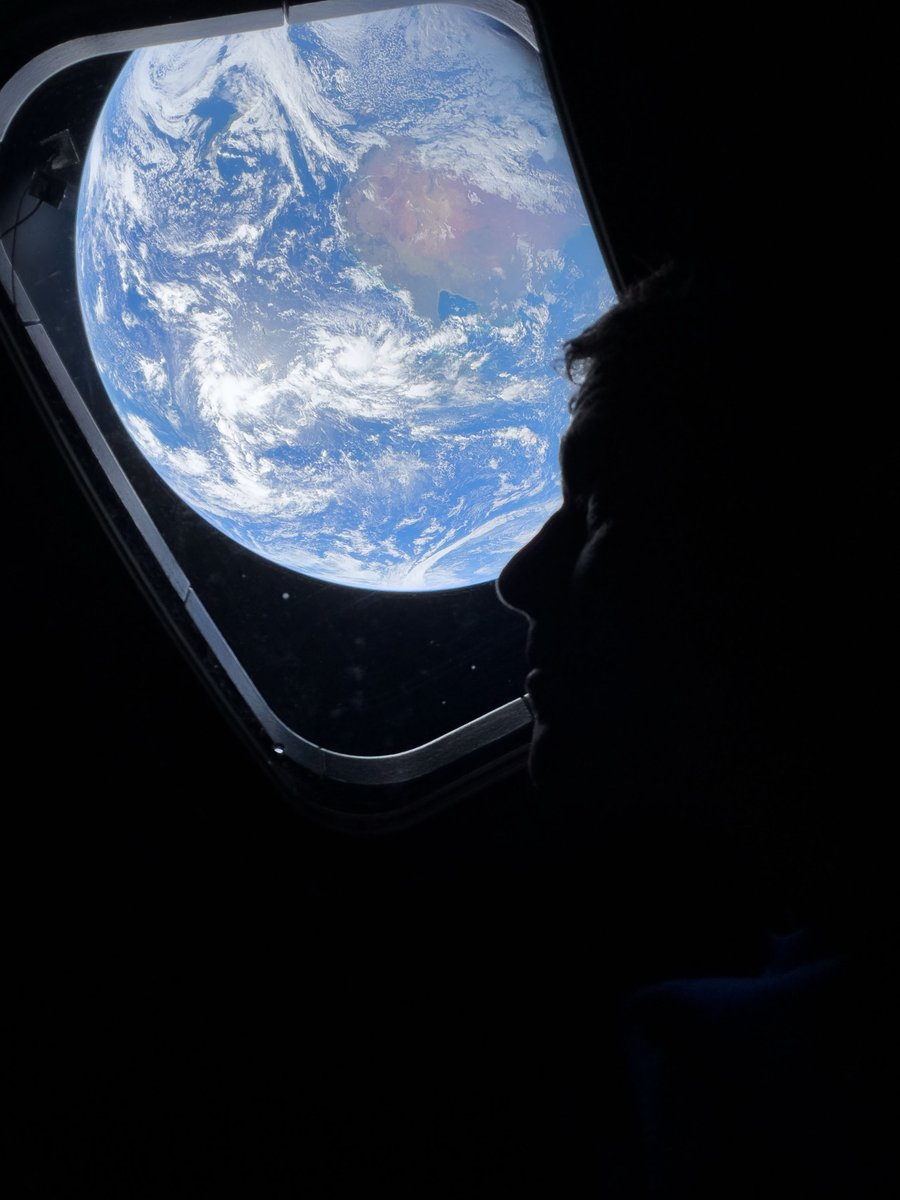
The world stopped to watch Artemis II.
Moments like this remind us what is possible and inspire the next generation to dream bigger and take us even further.
We are just getting started on this grand adventure. It is time to start believing again.
NASA is building on 25 years of continuous human presence aboard the International Space Station. Before its decommissioning in 2030, we intend to:
- Increase support for commercial crew PAM and cargo missions to the ISS
- Maximize research missions in low Earth orbit with commercial potential
- Help industry mature technical and operational capabilities
- A future where NASA becomes one of many customers for commercial stations
America will work with industry and our international partners to ignite a sustainable orbital economy. We will never surrender our presence in low Earth orbit.
Science and discovery will always be at the heart of NASA’s mission.
- The Nancy Grace Roman Space Telescope will launch this year.
- The nuclear-powered Dragonfly mission will explore Saturn’s moon Titan in 2028 in search of signs of life, with new missions to Venus to follow.
- The lunar base will incorporate MoonFall hopper drones and all the science payloads the landers and rovers can integrate.
- Several scientific payloads to Mars including Rosaland Franklin Rover, MTN and SR-1 Freedom delivering Skyfall.
These missions will deliver the breakthroughs only NASA can achieve, inspire the next generation, and continue the greatest adventure in human history.
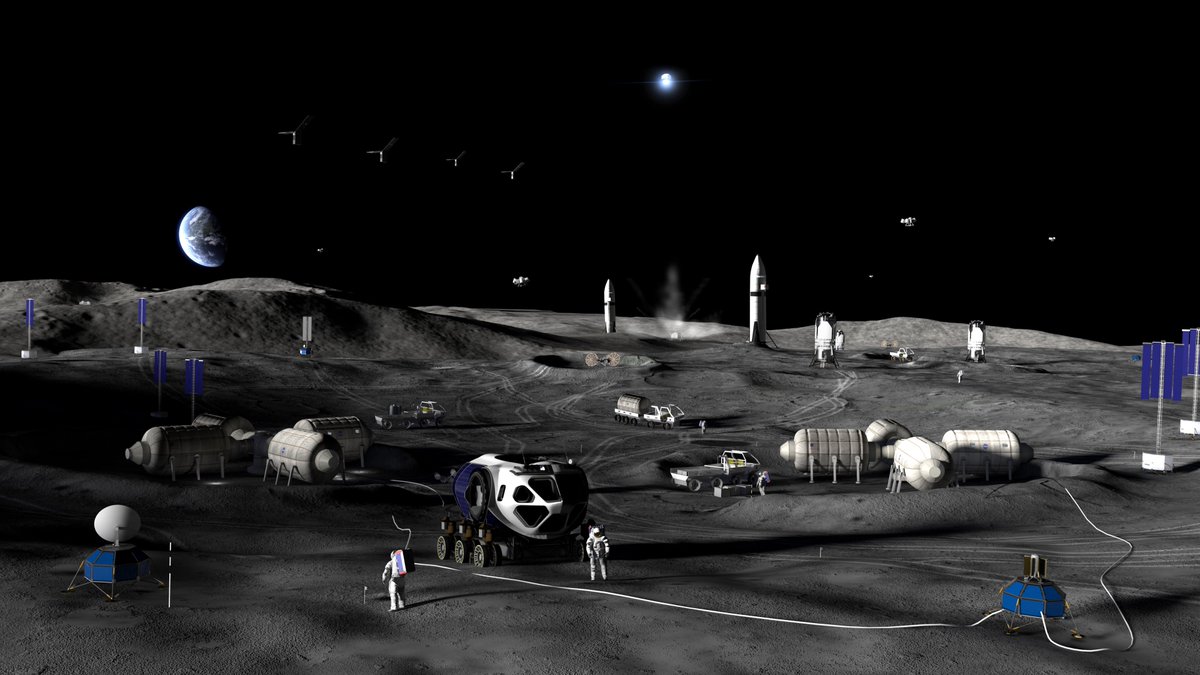
To build a sustained human presence on the Moon, we are building @NASAMoonBase, prioritizing surface operations and scalable infrastructure.
- Frequent robotic landings and mobility testing including MoonFall drones
- Starting in 2027 nearly monthly cadence of equipment and rovers with scientific payloads landing on the Moon.
- Investments in power, communications, and surface mobility
- Scalable infrastructure to support long-term human presence
The objective is clear: build the foundation for an enduring lunar base and take the next step toward Mars.
BREAKING: @NASA to launch first Nuclear-Powered mission to Mars called Space Reactor-1 Freedom
- First EVER mission with nuclear-electric propulsion to travel beyond Earth orbit
- Launching NET December 2028
- Features a nuclear fission reactor to generate electricity
- This electricity will power ion thrusters for propulsion
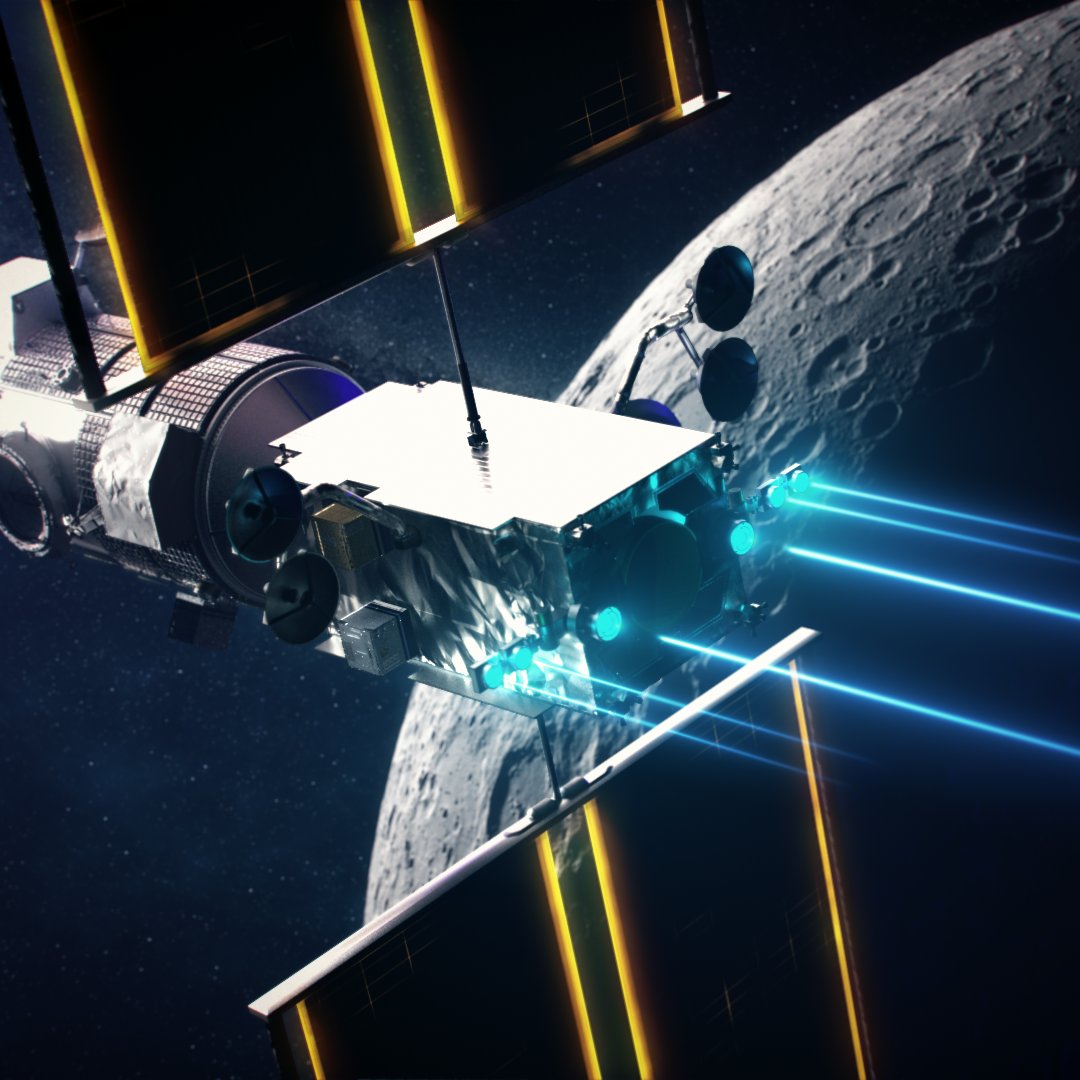
- Repurposes Lunar Gateway's Power & Propulsion Element (PPE) as the bus
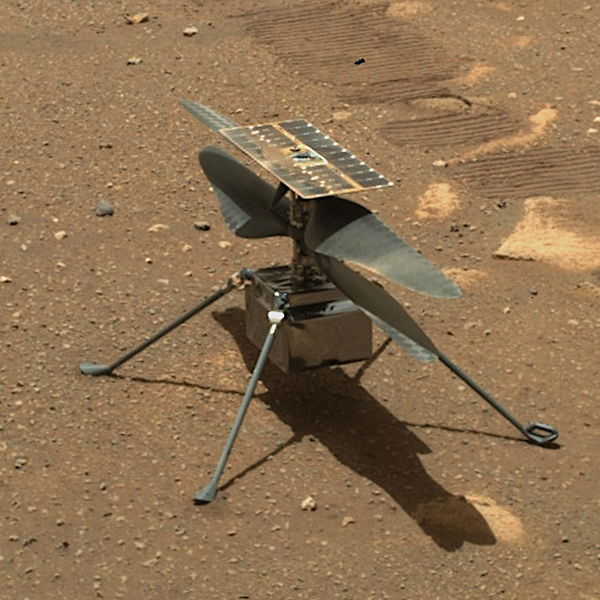
- Carrying a payload of 3 Ingenuity-class Helicopters to Mars, called Skyfall
📷 @NASA
BREAKING: NASA has announced a new program named “MoonFall”
-Various Lunar drones
-Derived from the Ingenuity Mars helicopter
-50km range
-Fully autonomous
-High quality cameras
-Possible repurpose capability for communications after running out of fuel