Playing around with a Kent Beck-inspired prompt today:
Before implementation, look for opportunities to prefactor the code to make the implementation easier. "Make the change easy, then make the easy change."
@TheSuperEng I settled on this for the backend: everything is stored in version controlled json files that get completely loaded in memory on startup. Backend writes changes back to the fs atomically. Best backend I ever built :) Probably only works for "small" data volume...
Lippmann process photography is an early color photography method and type of alternative process photography. It was invented by French scientist Gabriel Lippmann in 1891...
https://t.co/wKG2PEkIdF
Exactly right. The bottleneck has never been compute or capital. Its taste and judgment about what humans actually want. Infinite compute just makes the great founders faster and the confused ones more confused. https://t.co/AmPmal8NYF
@paulbohm@thsottiaux i noticed that (at least the last few times this happened for me) the weekly limit always reset after 24 hours or so...I got the feeling that they do this intentionally. They don't really want you to get bored for a few days and then try out the competition ;)
@lotuscre8 I discovered that I can use AI agents most effectively when I'm not stressed ;) Stress shrinks your mental horizon while what we should do is totally rethink the way we develop software and what the role of the humans in the loop is/should be. You need an open mind for that.
https://t.co/6790WPFmnU
Mandelbrot Set and Julia Set explorer with a WebGL renderer. 😃
Instructions: The link starts in fullscreen “Zen Mode.” Press ESC to exit fullscreen and adjust the parameters.
Click the “Zen View” button to return to fullscreen mode.
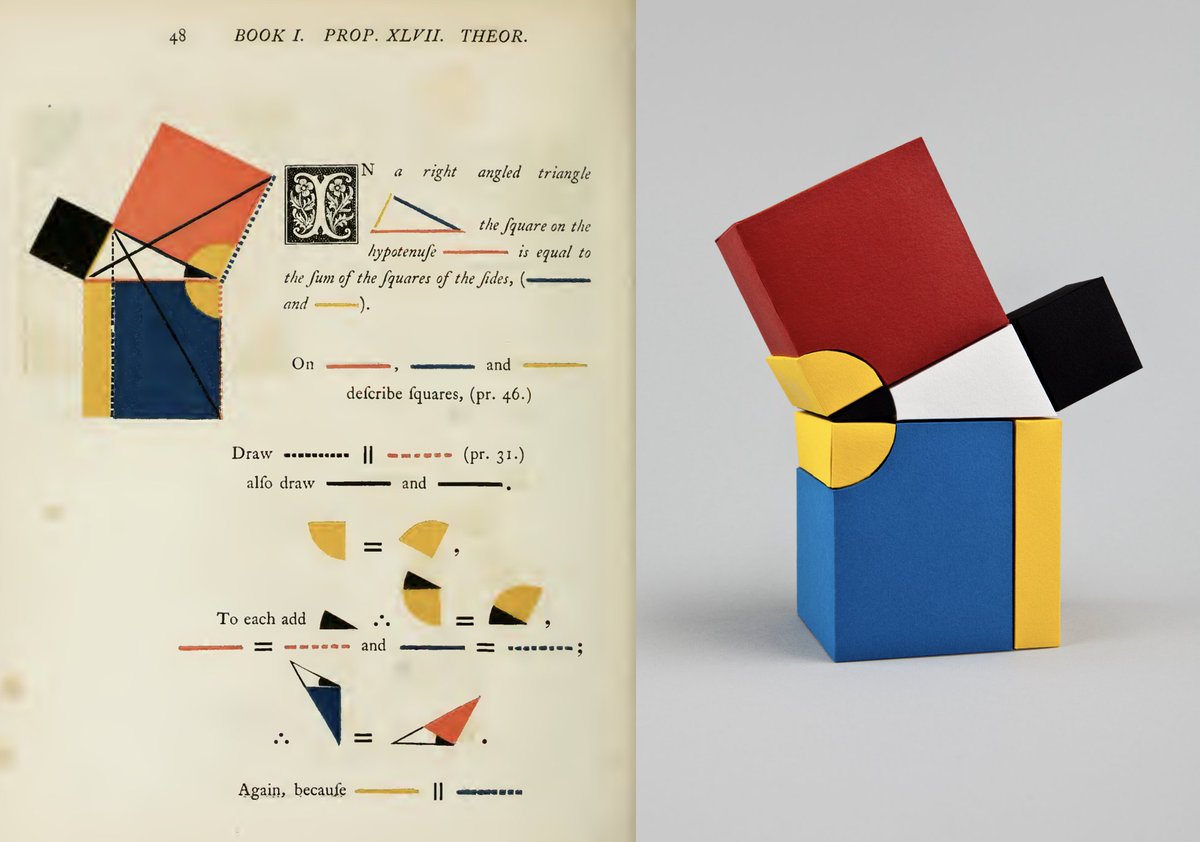
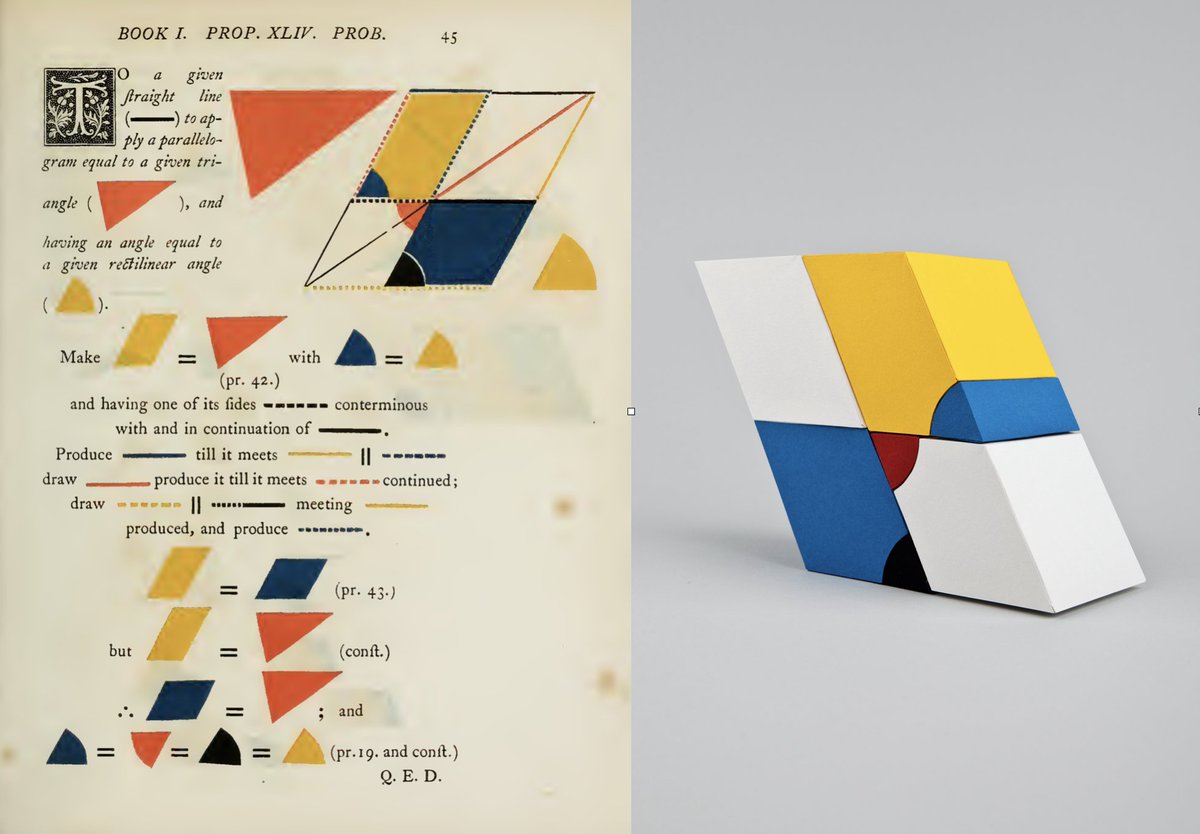
Here's Looking at Euclid by Helen Friel.
Helen Friel is a paper engineer and she make beautiful things. Look at these paper sculptures of Oliver Byrne's version of Euclid's Elements. 😍
In 1968, when computers were still seen as cold calculating machines, Jasia Reichardt curated an extraordinary exhibition in London called Cybernetic Serendipity. Artists, engineers, poets and scientists came together to explore the creative possibilities at the intersection of art and technology.The result was something remarkably ahead of its time. If you're curious about the early days of the relationship between computers and art, the catalogue is essential reading. The catalogue from Cybernetic Serendipity is filled with ideas, experiments and reflections that feel surprisingly relevant in our current AI era. You can read the full PDF for free here:
https://t.co/Kon6XD8ayE Highly recommended! Take your time with it. thanks @monalisa for the tip!
This 30-minute speech by the Head of Anthropic "Coding Agents" researcher will teach you more about vibe coding than 100 paid courses.
Bookmark it & give it 30 minutes today. This video will change the way you use AI forever,