[ 미 10년물 입찰 올해 최악.. 낙찰금리 5.02%에 해외 수요 급감, 쿠폰 5%는 2006년 이후 처음 ]
월요일 3년물 입찰이 부진한데 이어.. 화요일 10년물 입찰은 뜨거운 CPI 직후에 치러져 결과가 더 나빴다.
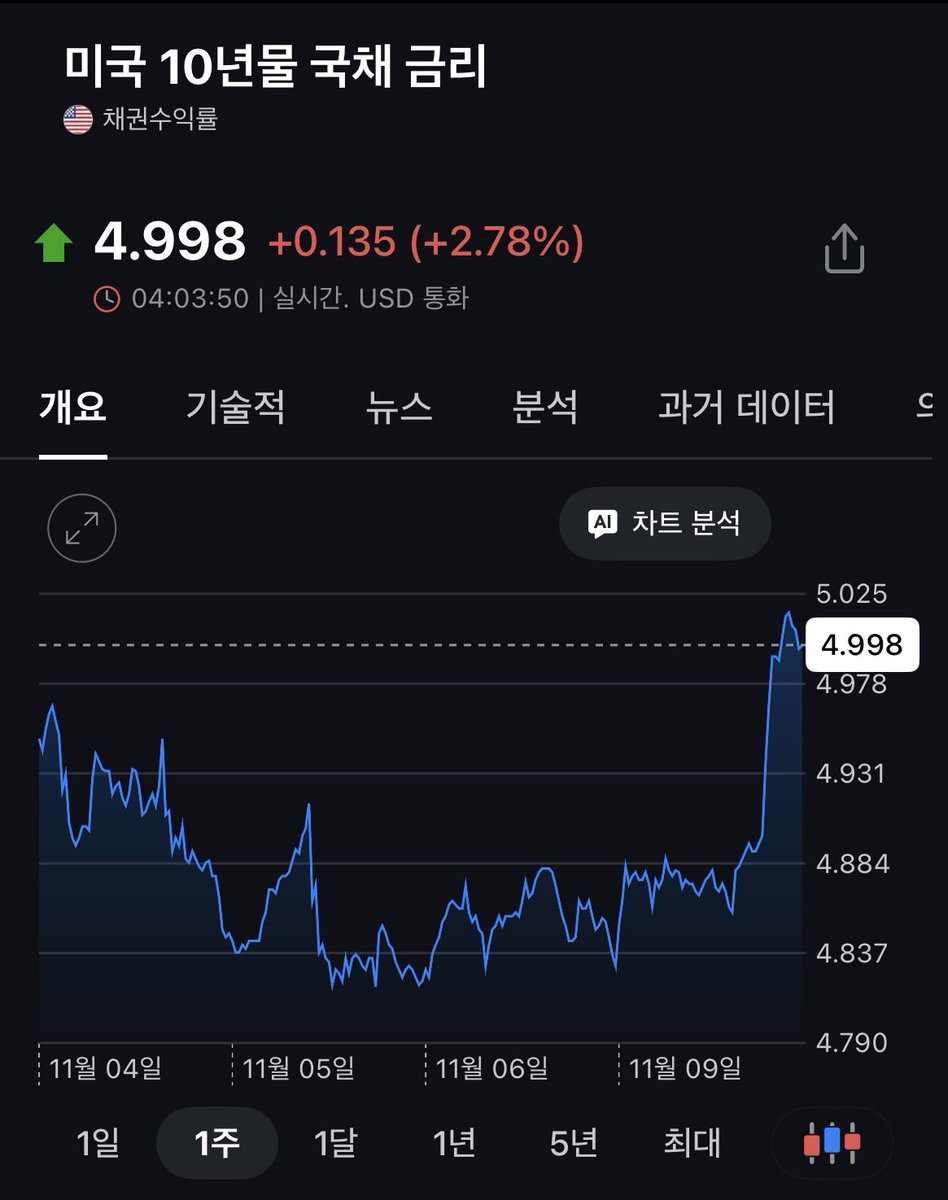
낙찰금리는 5.020%로 장중 금리가 10bp 넘게 뛰어 몇 주 만에 5%를 넘긴 시점에 맞춰졌다.
지난달 20년 넘게 최고였던 5.317%보다는 낮지만 발행 전 거래 금리 5.010%보다 1bp 높게 낙찰돼 2월 이후 가장 큰 테일이 났다.
5% 위에서 낙찰되면서 쿠폰은 5%로 2006년 이후 처음이다.
응찰률은 2.771배에서 2.468배로 떨어져 5월 이후 최저였다.
내용은 더 안 좋다..
해외 중앙은행과 기관이 주로 들어가는 간접 낙찰 비중이 10월 80.3%로 사상 최고 수준이었다가 61.2%로 급락해 2023년 10월 이후 가장 낮았다.
해외 매수자가 일종의 파업에 나선 셈이다.
빈자리는 직접 낙찰이 17.1%에서 29.0%로 뛰어 2013년 9월 이후 최고로 메웠고, 딜러 인수 비중은 9.77%로 5월 이후 가장 높았다.
뜨거운 CPI와 매파 연준 인사 둘로 채권이 다시 흔들리기에 충분했다.
여기에 AI 트레이드가 되살아나 듀레이션 수요를 빼앗고 있고, 지난 한 달 IG 발행이 기록을 모두 갈아치운 영향도 있다.
12월 금리 인상까지 남은 주요 일정은 금요일 PPI뿐이라 당분간 부진한 입찰이 이어질 가능성이 크다.
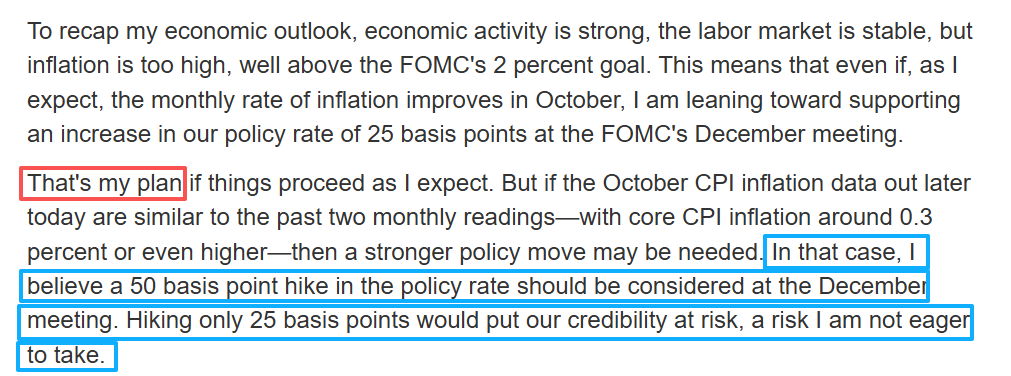
Fed governor Chris Waller said he's leaning toward supporting a December rate increase even if Tuesday’s inflation report shows improvement—and if it doesn't, then he says a 50 bps move should be on the table.
Waller vs. Warsh
Waller: 스트라이크 존(연준 반응함수)을 너무나도 확실하게 제시하다.
"이번 근원 CPI MoM이 0.3% 이상이면 두번 인상해야"
Warsh: 음.. (속으로) '11월 CPI(12월 10일 발표)는 내려 갈 것 같아요. 그런데 FOMC는 12월 9일, 이것 참..'
AI 데이터센터 옆에 살면 24시간 내내 제트기 엔진 소리 들림 ㄷㄷ (소음 공해 레전드)
빅테크 AI 인프라 확장이 주민들 일상 뚝배기 깨는 중임.
미국 미시간주 다우아지악에서는 하이퍼스케일 데이터 시설이 집 바로 앞에서 24시간 내내 78데시벨로 돌아가서 주민들이 단체 소송 검.
100년 가까이 산 집도 있는데 기업 측 대응이 레전드인 게, 소음 줄일 생각은 안 하고 "꼬우면 집 팔고 나가라" 시전함 ㅋㅋ
이게 미시간 한 곳만의 문제가 아님
• 마이크로소프트 $MSFT 도 위스콘신에서 데이터센터 경계선 2.4km 밖까지 소음 울려서 집단소송 처맞는 중.
• 버지니아주는 데이터센터 3분의 1이 주택가 60미터 이내에 붙어있음.
• 수천 대 서버 팬 소음만 96데시벨이고 디젤 비상 발전기 돌리면 105데시벨 찍힘. 머리 위로 제트기 지나가는 수준임 🤯
• 두통, 구토, 불면증 호소는 기본이고 주변 집값은 최대 20%까지 떡락함.
오레곤 물 부족, 조지아 지하수 고갈, 루이지애나 전기요금 폭탄, 캘리포니아 하천수 논란에 이어서 이제는 미시간·위스콘신 소음 지옥까지 터짐.
처음에 프로젝트 인가받을 때는 핑크빛 장밋빛으로 포장해놓고 실상은 민폐 종합세트임.
밀폐형 냉각이랑 방음벽 제대로 설치하면 소음 대부분 잡히는데, 카펙스(CAPEX) 더 들어간다고 싹 스킵해버리고 그 비용을 주민들 수면권이랑 집값으로 때우는 중임.
결국 AI 인프라 확장 속도가 빨라질수록 소음·전력·용수 환경 규제랑 주민 반발 리스크가 빅테크들 발목 제대로 잡을 예정임.
"Not financial advice"
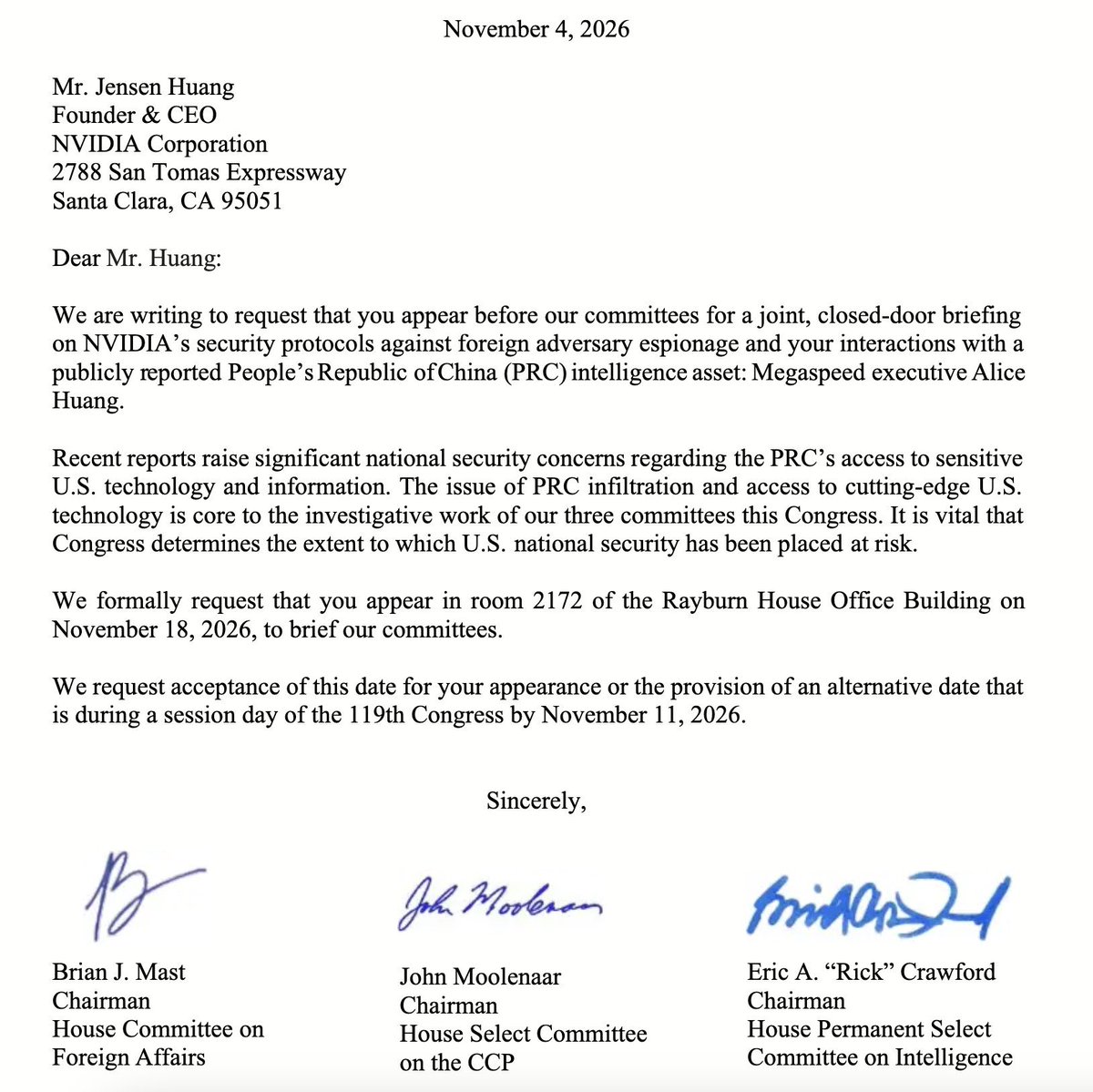
🚨BREAKING: Nvidia CEO Jensen Huang has been called before Congress on Nov 18 for a closed-door briefing regarding his relationship with alleged Chinese intelligence asset Alice Huang…
🚨 시타델 보스 켄 그리핀 "AI 버블 최대 위험은 GPU 공급과잉... 감당 가능하냐?" 팩폭 투척 🤯
세계 최대 헤지펀드 시타델의 수장 켄 그리핀이 현재 빅테크들의 천문학적인 케펙스(CAPEX) 파티에 제대로 찬물을 끼얹음. 지금 돌아가는 꼴이 딱 2000년 닷컴버블 통신선 깔던 시절 데자뷔라는 것.
• GPU 공급과잉 오면 마진 가격 떡락:
"GPU 공급량이 수요를 초과하는 순간, 한계 가격은 그대로 자유낙하함. 지금 시장에 깔려있는 모든 AI 투자 장밋빛 전제조건들이 한 방에 다 뒤집어질 수 있음."
• 항공사랑 똑같은 비즈니스 구조:
"GPU는 항공사 좌석처럼 일단 돌리기 시작하면 한계비용이 극도로 낮음. 그래서 캐파(용량) 초과가 발생하는 순간 가격 출혈 경쟁 터지면서 바닥으로 곤두박질치는 거임. 2000년 통신망 구축할 때 광섬유 수요보다 훨씬 더 많이 깔아놨다가 통신비 폭락했던 거 다들 기억 안 남?" 엔비디아 $NVDA 의 독주나 클라우드 3사의 무한 증설도 결국 공급이 수요를 이기는 순간 곡소리 날 거라는 경고.
• 고스펙 화이트칼라 일자리 박살:
"예전엔 우리 회사 석·박사 고급 인력들이 4~6주 동안 매달려야 끝내던 작업을... 지금은 키보드 딸깍하고 몇 시간 기다리면 똑같은 결과물이 툭 튀어나옴."
• 기존 기업의 해자는 불도저로 밀리는 중:
"기업 오너 입장에서 보면 자기들이 수십 년간 쌓아 올린 경제적 해자가 AI 불도저에 순식간에 메워지는 공포의 시대임. 근데 반대로 생각하면? 자본 없는 신생 창업자들한테는 그야말로 황금기가 열리는 셈."
빅테크들이 너도나도 GPU 사 모으면서 치킨게임 벌이고 있는데, 만약 AI 수익화 모델이 이 엄청난 감가상각과 공급 속도를 못 따라가면 그 순간 마진 붕괴로 시장 뚝배기 깨진다는 켄 형의 살벌한 현실 직시.
"Not financial advice"
BREAKING: JP Morgan stock, $JPM, falls after CNBC reports that Senate Democrats are preparing to investigate the bank's relationship with Jeffrey Epstein.
🦔Someone wants out of roughly $500 million in data center loans at once. Bloomberg reports an unnamed seller put a dozen loans up for bid, including a $25 million piece of OpenAI’s Stargate site in New Mexico, plus debt tied to big operators Vantage and CyrusOne. It’s one of the first auctions made up only of data center debt. The sale comes two days after the midterms, and Texas’s incoming Democratic governor has already called for an immediate halt on new data center construction.
My Take
I wrote about that New Mexico site in September. Oracle, the tenant, sent the developer a force majeure notice there, which is the legal clause a company uses to say events outside its control may let it off the hook. I’d sell a loan on that project too. Bloomberg didn’t name the seller and I won’t guess, but picking this week looks deliberate to me.
The rest of the market isn’t helping. The Nasdaq 100 fell as much as 6.4% today, and junk bonds tied to data center builders like CoreWeave took some of the worst hits. Loans like these normally trade in private, so outsiders rarely see a price. On Nov. 19, when bids come due, we get one. A steep discount would force every lender with similar paper to mark theirs down too, and I’d bet more sellers line up after that.
Hedgie🤗
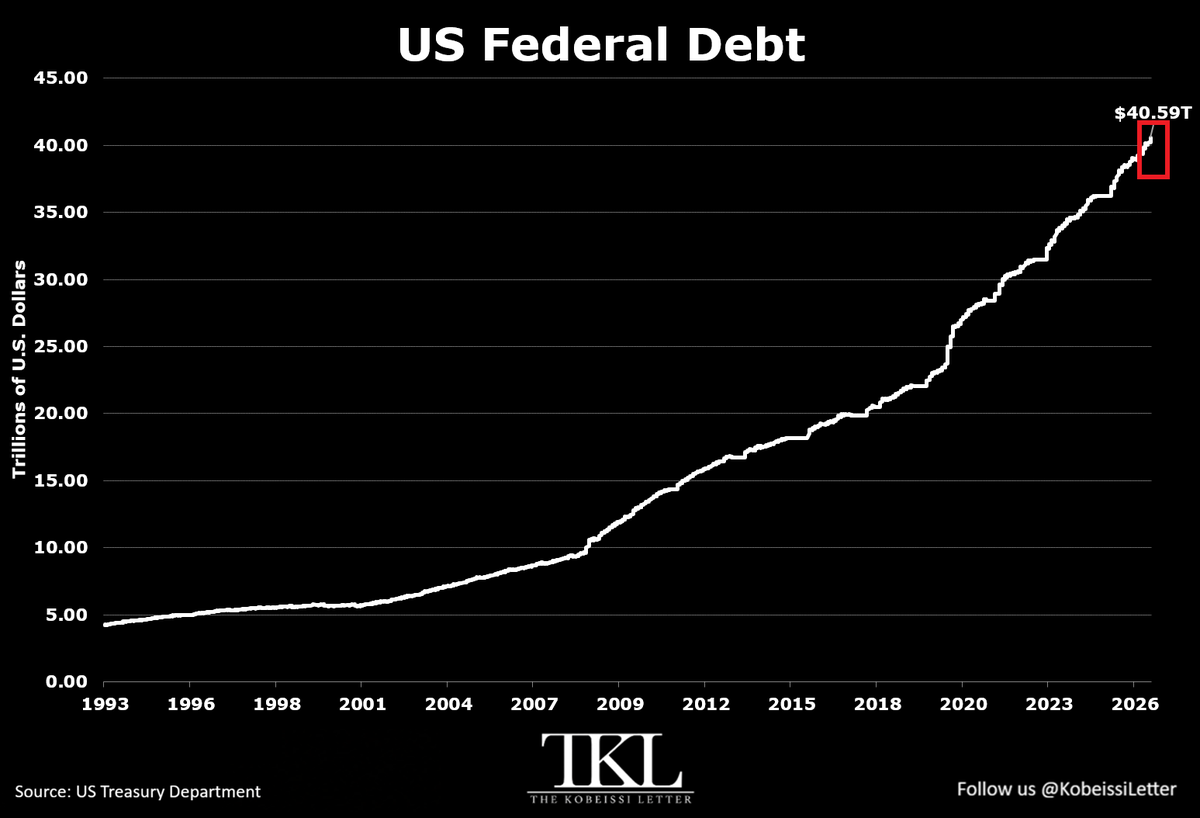
BREAKING: US federal debt surged +$422 billion in October, to a record $40.6 trillion.
Since July 1st alone, US federal debt has soared +$1.2 trillion, averaging +$300 billion per month.
This is equivalent to an increase of ~$10 billion per day.
As a result, the US total public Debt-to-GDP ratio is up to 123%, the highest since the 2020 pandemic peak.
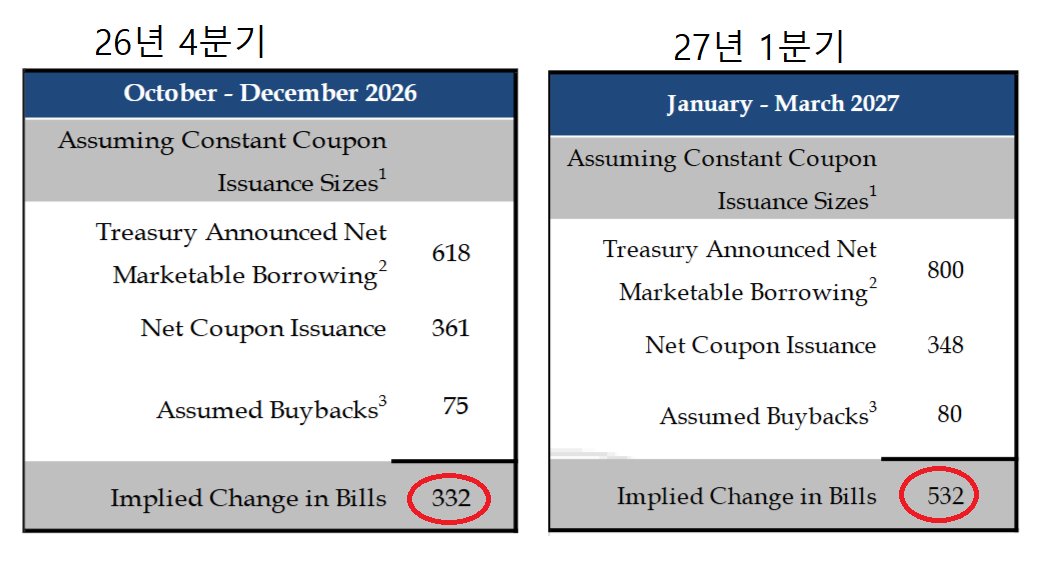
Meanwhile, the Treasury borrowed a record $839 billion through auctions of Treasury bills and notes last week, with the majority going toward repaying holders of maturing bills.
This surpassed the previous all-time high of $834 billion set during the same period in 2025.
The US debt crisis is in full-swing.
[ 반도체 밸류에이션 두 달 만에 40% 리셋.. SOX 선행 PER 28배에서 16배로 ]
GS의 캘러핸은 반도체 밸류에이션이 두 달 사이 이례적으로 리셋됐다고 짚었다.
필라델피아 반도체 지수의 12개월 선행 PER은 9월 28배 근처에서 16.2배로 40% 넘게 내려왔고, 15년 평균 17.3배 아래..
S&P 500과 비교하면.. 2024년에는 반도체가 S&P 500보다 PER이 8배 높았는데, 지금은 2배 낮다.
15년 동안 가장 크게 벌어졌던 2018년의 4배 할인에 가까워지고 있다.
멀티플 압축이 이만큼 진행된 뒤라면.. 질문은 하나다.
관세와 정책 불확실성, AI 인프라 투자 둔화 위험이 이미 얼마나 가격에 들어갔느냐…
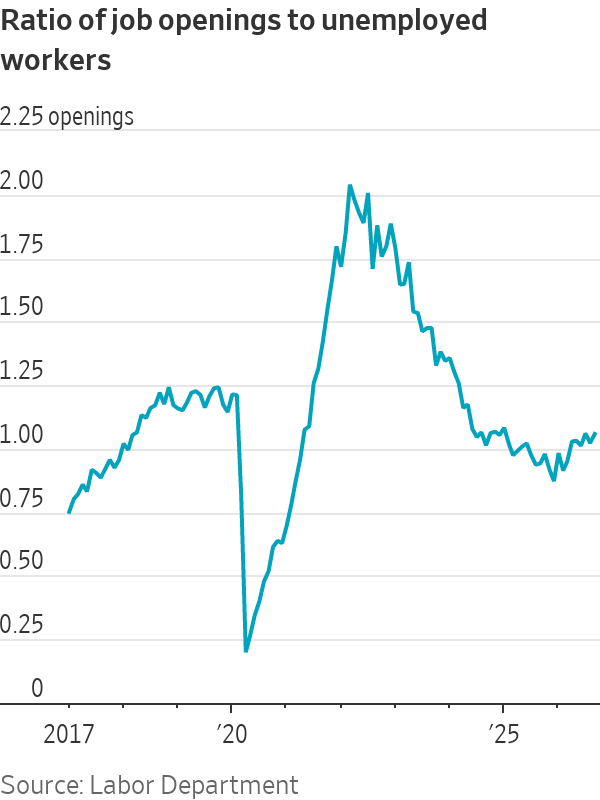
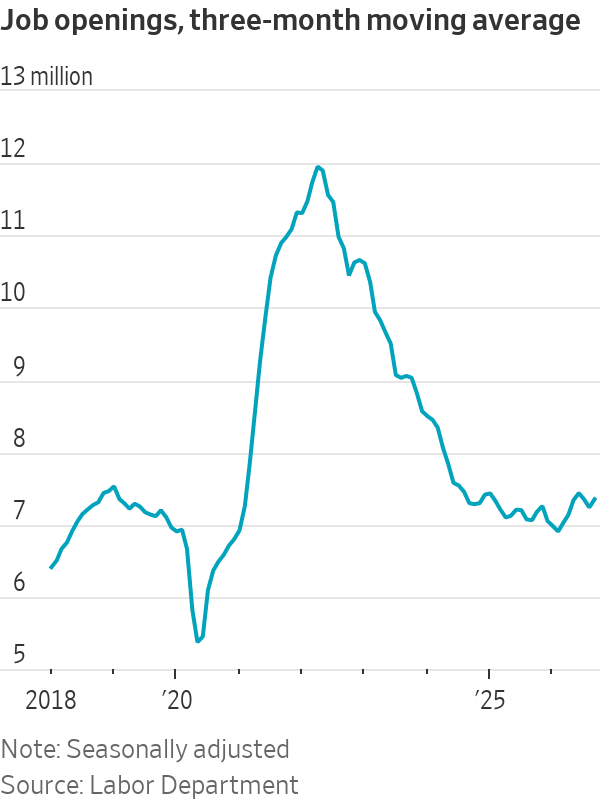
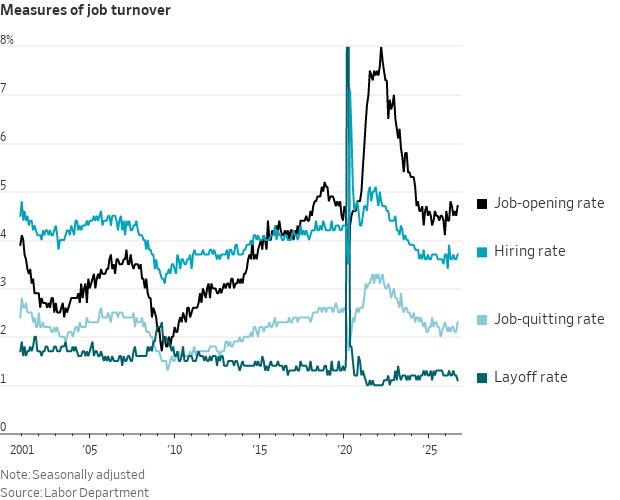
Using a three-month moving average as of September, job openings have moved up from a year ago but sideways since the spring.
There were 1.06 openings for every worker counted as unemployed.
Hiring and vacancy rates climbed in September, and the layoff rate ticked down.
“I can think of people I know who overrely on AI and produce slop they don’t understand. But I can think of many more people—including some economists and think tankers—whose error goes in the opposite direction: underusing the technology in ways that lead them to make too many mistakes and not think ambitiously enough about what they could accomplish. And if you’re only making errors in one direction (underreliance or overreliance) you’re using the technology wrong.”
A $22B hedge fund is getting absolutely HAMMERED and what’s happening behind the scenes is even more concerning.
According to The Wall Street Journal, Arini Capital Management has been forced to sell roughly $800 MILLION worth of debt holdings in recent weeks after suffering massive losses and facing margin calls from its banks. For some context, Arini’s flagship fund manages approximately $7 billion and was already down more than 20% this year as of mid-October, with losses reportedly getting even worse toward the end of the month.
So what went wrong?
Arini made some aggressive bets on distressed debt, essentially lending to or buying the debt of financially struggling companies at discounted prices, hoping to make substantial profits when those companies recovered or restructured. A lot of those bets were concentrated in telecommunications companies like Altice, Optimum, Virgin Media, and Brightspeed. The problem is that many of these companies are drowning in debt, facing enormous financing pressures, and, in some cases, potentially heading toward bankruptcy.
And here’s where things get REALLY ugly.
Arini was using leverage, meaning it had borrowed money or taken on leveraged exposure to amplify its investment returns. As the value of its positions declined, banks started demanding additional collateral through margin calls.
That means Arini couldn’t necessarily afford to just sit around and wait for these investments to recover. It had to raise cash, including by selling investments that were easier to unload.
This can create a dangerous cycle. Investments lose value, banks demand more collateral, funds are forced to sell assets, and those sales can put even more downward pressure on prices. If enough highly leveraged funds are holding similar positions, the selling can spread throughout the credit market.
And that’s what I find particularly concerning about this entire situation. We’re seeing growing signs of stress in lower quality corporate debt, especially among companies that borrowed heavily when financing was cheap and are now struggling with higher interest costs, weaker fundamentals, and refinancing risks. This doesn’t automatically mean we’re heading toward another 2008 financial crisis. But it’s a reminder that some of the biggest problems in financial markets don’t necessarily start with stocks. They can start in credit markets, where leverage, liquidity problems, and forced selling can quickly turn manageable losses into something much bigger.