If you thought Google was a disaster for legacy media houses with the death of Google Ads, then wait and see what happens with Gmail deliverability.
Pro tip: if you actually want to receive newsletters reliably, use something other than Gmail to sign up.
Re Property In Cape Town
As received
“Cape Town is losing buyers. And the data tells you exactly why.
The Western Cape's average property price in Q1 2026 was R3,357,917 - 72% higher than the national average of R1,951,230. Gauteng now accounts for 50.8% of all property transfers in the country. Buyers are making a choice and Cape Town is losing that argument on affordability.
But this isn't really a Cape Town vs Gauteng story. It's a numbers story. And the numbers don't lie.
The average South African take-home salary in May 2026 was R21,510 in nominal terms. After inflation, real earnings dropped to R20,262 - the lowest level in two years. Nominal salaries grew by just 1.7% while inflation kept eating into what people actually take home.
To qualify for a bond on a R2.5 million property in the Northern Suburbs - not Sea Point, not Camps Bay, not Clifton - just a decent 3-bedroom family home in Kraaifontein, Edgemead, Durbanville or Bellville - you need a household income of roughly R55,000 to R60,000 a month. Net. For a suburb that sits in a 40km radius from the CBD. For a home that, ten years ago, was considered comfortably middle-class territory.
The SARB raised the repo rate by 25 basis points in May 2026. Prime is now at 10.5%. That reversal alone adds hundreds of rands to monthly bond repayments at a time when salaries are going backwards in real terms.
And for those who can't buy? Renting isn't the safe fallback it used to be. Cape Town has 26,877 active Airbnb listings. Every property that goes short-term is one less long-term rental on the market. Landlords know this. Rental prices are being pushed up month after month. And with credit bureaus tightening tenant screening, a single missed payment years ago can lock you out of the rental market entirely.
This is the reality for ordinary working people in the Northern Suburbs right now. Not the CBD. Not the Atlantic Seaboard. The suburbs within a 40km radius of the city - where people actually live, raise families, send their kids to good schools and build communities over decades.
Land is being acquired. Developments are going up. The idea of building a city within a city - dense, mixed-use, premium - is creeping outward from the CBD into what were once genuinely affordable nodes. And as that happens, the people who built those communities are being priced out of them. Not just first-time buyers. Parents whose children have left home, who don't want to leave the suburb they've lived in for 30 years, but who can no longer afford to stay. People who planned their retirement around the value of their home, not the cost of remaining in it.
We all know Cape Town works. The city delivers on services and infrastructure in a way that most South African metros simply don't. That's not up for debate. But that very success has become a trap - because it has made Cape Town desirable to the world and in doing so, has made it unaffordable to the people who actually built it.
Who is to blame? That's a complicated answer. But the question of how it gets resolved is more urgent than ever.
Because a city that prices out its own residents - its teachers, its nurses, its tradespeople, its retirees - isn't a city that's winning. It's a city that's hollowing out from the inside.”
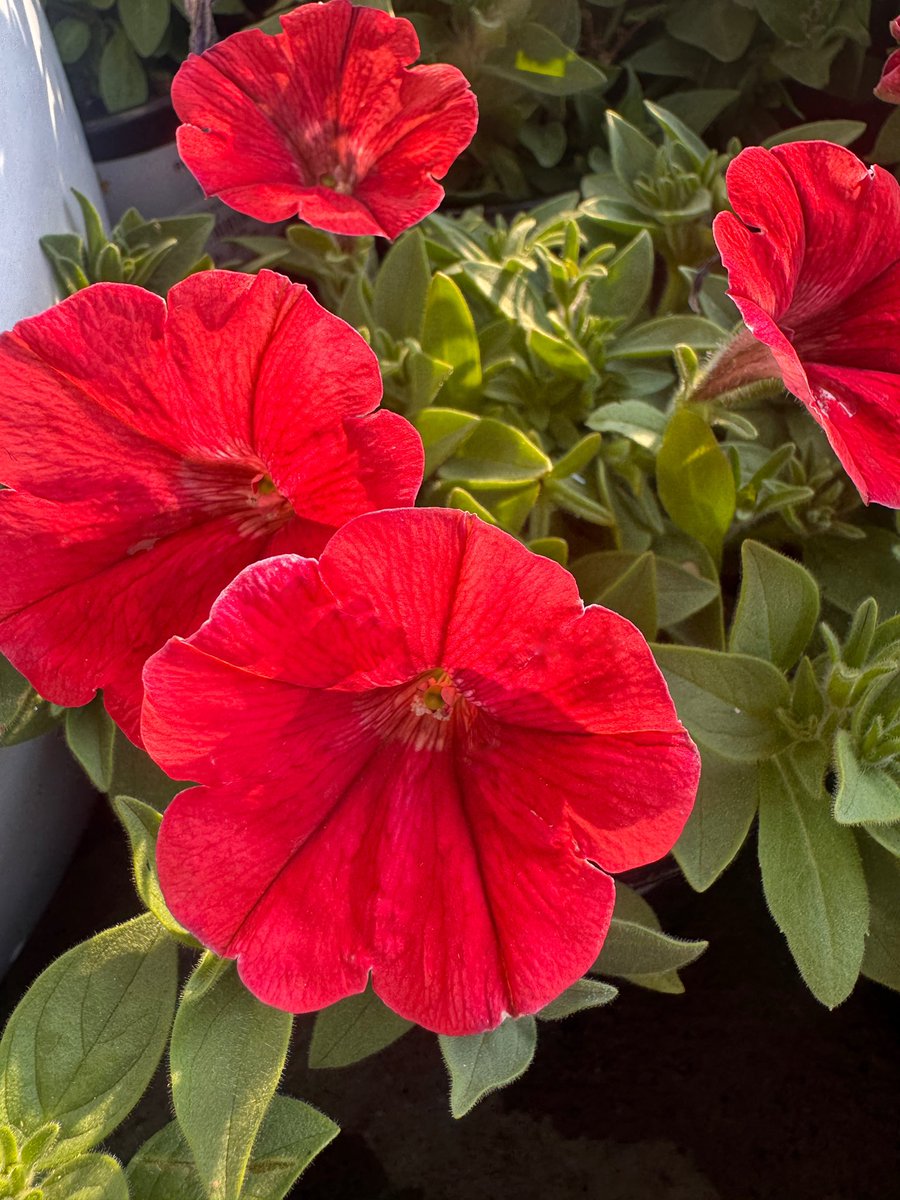
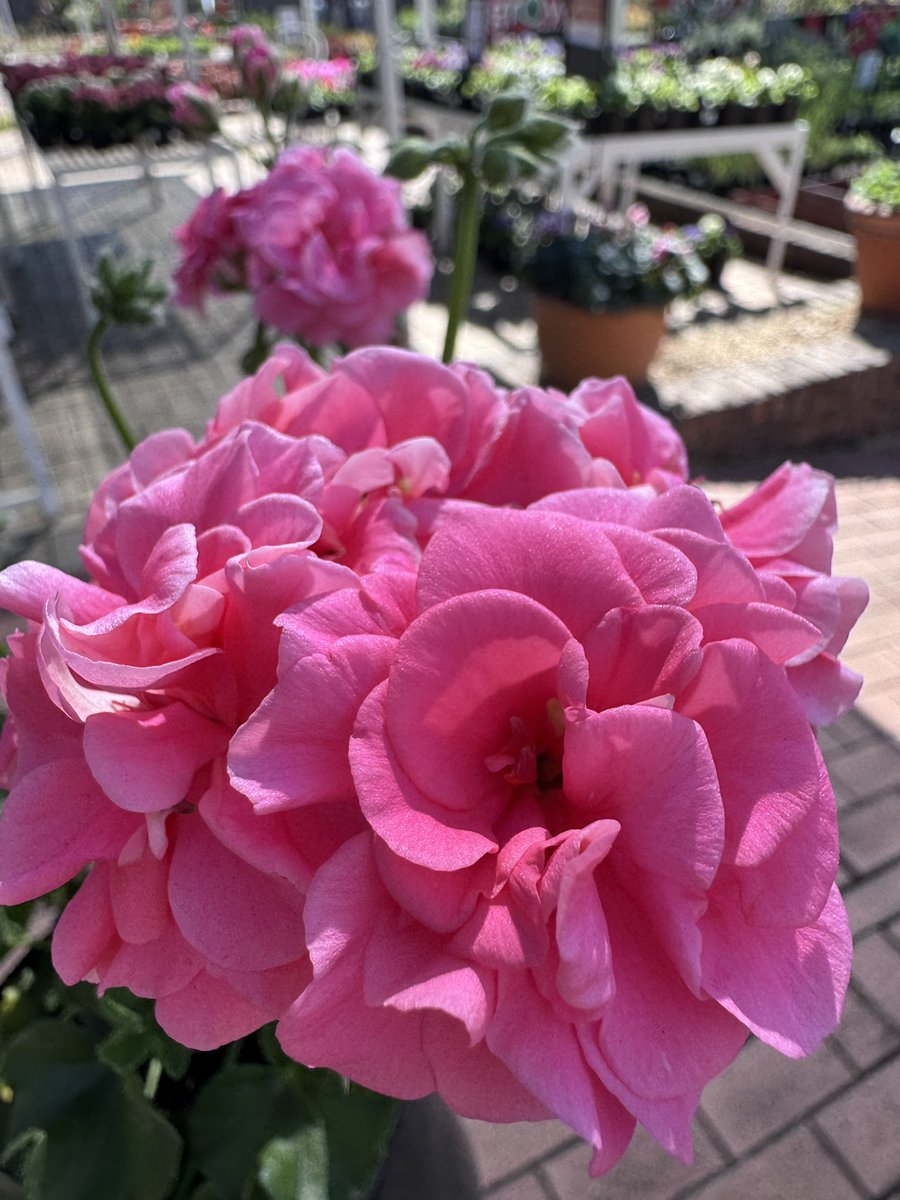
The newest Petunia to catch our eye is Boom. Compact and covered in R5 coin sized flowers, it’s ideal for pots, containers and hanging baskets. Like all petunias, it loves a sunny spot and prefers not to have wet feet. In our forecourt this week 🌸
#eckardsgarden#petunia
Do you remember Aunt Agony?
There was no real Aunt… just an idea of one. A wise, trusted older woman offering guidance to people in “agony”.
The concept dates back 300 years. Historians trace the first “Agony Aunt” advice columns to London in the late 17th century. Readers would send in questions to Newspapers about love, marriage and everyday dilemmas. A panel of writers would publish answers for the public to read.
Me… I sometimes feel like Aunt Agony. But with a Carrie Bradshaw vibe. A less problematic one.
I get loads of messages. Lots of people write to me to ask for advice. And I love it. I love that people think I have what it takes to give the right guidance. I really don’t (have what it takes). Like, some of my advice should not be followed.
I have a huge problem with “girl math”. Buy all the shoes. In every colour. Take the trip. Do the thing. Daydrink if you must.
See, I don’t think these recommendations are very sound.
I’m just a guy. A regular, stock-standard-average guy. But I guess, because of what I get to do, what I do, do… my outlook on the world may be a bit “lighter” than most. And my opinions on how to do “some” things… might actually help.
I got a message this morning. Someone is going through a really tough time. They wanted to know how I manage to stay so “happy”.
The truth is, I don't. I’m not happy. Not all the time.
I am sharing my response here. Without going into too much detail about who they are. Or what they are going through… but I believe this may help someone else, who might see this.
This is my Aunt Agony column. Dear Good Things Guy… or should I rather call it “Ask Oom Brent”?
Dear Friend,
I am sorry you feel like your life is falling apart. I hope you don’t let that feeling be all that consumes you.
I’ll be honest… being happy takes work. Not every day is a good day. Not every day is easy. But I try to focus on the good things, even when there is bad. I try to find things to be grateful for. And I try to fill my cup… doing things that add to my happiness.
This morning I had a really lekker cup of coffee. And cuddled my pups. And pizza for breakfast. Gluten-free. I phoned my mom. I wrote a couple of good news stories (that always helps me). And I got to reply to you… hopefully making you feel a little better. I’m going to gym just now (always great for my mental health). And then I am seeing my friends. Later, I may even play PlayStation. A big cup filler for me. Oh, I am also going to the “Music in the City” event this evening… seeing the Drakensburg Boys Choir gala concert. We’ve written about them for years but I have never seen them live. I am excited. And I know that will fill my cup completely.
When our cups are full, we can help others fill theirs. It’s cliché but that’s my philosophy anyway.
So my advice is to do something. Just one thing to fill your cup. And hopefully you will find another. My second piece of advice is to not make your world small. Go for a walk. Get some sunshine (even in the cold). Visit a friend or family member. Sit in a coffee shop and see the world. Because the world is bladdy beautiful. My final piece of advice is to reach out to someone you love. There’s a stat somewhere about how spending a couple of minutes with someone you love… a pup, a friend or a family member, can change your entire perspective. It actually, really, makes you happier.
Try those 3 things. Not all at once. Just one a time. And hopefully you start to feel lighter. And the world around you becomes a little less heavy. Hopefully it fills your cup. And you start to feel a little happier.
Also, remember that you don’t need to be “happy” all the time. Sometimes sitting with your feelings, and holding them with kindness, can be the kindest thing you do for yourself.
I hope that helps. I really do.
And if all else fails, buy the shoes. In every colour.
Okay. Love you. Bye.
@BrentLindeque We always referred to it as oh we’re on winter power when the microwave slowed down in the winter months. After we switched to solar we didn’t have to deal with the throttle electricity and our microwave is no longer is slower in winter.
@Askash I am not sure, but I think I read somewhere that the cost to demolish it would be as much as to complete it. The negative energy around the building would make me think the best option would be complete removal followed by true rejuvenation.
This bit right here!
“Perhaps it’s time for the Netherlands, Spain, and Ireland to draw a simple lesson from this edition. If millions of citizens keep watching - the boycott was likely just a conversation among politicians, broadcasters, and activists themselves.” #eurovision
De boycot die faalde: het publiek gaf Nederland, Spanje en Ierland een les
Nederland, Spanje en Ierland wilden een politiek signaal afgeven door afstand te nemen van het Eurovisie Songfestival vanwege de deelname van Israël. Dat was hun goed recht. Wat minder prettig voor de voorstanders van die boycot is, is wat er vervolgens gebeurde.
Israël eindigde als tweede.
Sterker nog, volgens de cijfers van de EBU kwamen opvallend veel stemmen voor de Israëlische inzending juist uit landen die zich het hardst tegen de Israëlische deelname hadden gekeerd. Nederland, Spanje en Ierland stonden hoog op de lijst van landen waar vandaan veel stemmen werden uitgebracht.
Dat maakt één ding duidelijk. De bestuurders, omroepen en activisten spraken niet namens iedereen. Integendeel. Een groot deel van het publiek trok zijn eigen plan.
De ironie is bijna pijnlijk. Terwijl een kleine groep probeerde het Songfestival om te vormen tot een politiek strijdtoneel, deden miljoenen kijkers precies waarvoor het evenement ooit bedoeld was. Zij luisterden naar muziek, bekeken de optredens en stemden op hun favoriet.
Blijkbaar vonden veel Europeanen dat een zanger of zangeres niet verantwoordelijk is voor alle politieke beslissingen van een regering. Een gedachte die vroeger heel normaal was, maar tegenwoordig soms revolutionair lijkt.
De echte verliezer van deze affaire is niet Israël. De echte verliezer is het idee dat culturele evenementen steeds vaker worden gebruikt als politiek drukmiddel. Want als het publiek massaal de andere kant op stemt, blijkt hoe groot de kloof is tussen activistische bestuurders en gewone kijkers.
Ook de kijkcijfers vertellen een verhaal. Het Songfestival verloor miljoenen kijkers. Een deel daarvan kwam doordat landen afhaakten. Daarmee werd niet Israël geraakt, maar vooral het evenement zelf en de miljoenen muziekliefhebbers die opnieuw werden geconfronteerd met politieke ruzies waar zij niet om hadden gevraagd.
Misschien is het tijd dat Nederland, Spanje en Ierland een eenvoudige les trekken uit deze editie. Als miljoenen burgers blijven kijken, blijven stemmen en een Israëlische inzending naar de top stemmen, dan is de kans groot dat de boycot vooral een gesprek was tussen bestuurders, omroepen en activisten onderling.
Het publiek had allang iets anders besloten.
Wie dacht Israël een lesje te leren, kreeg zelf een les in democratie. Terwijl bestuurders een politiek statement maakten, maakten kijkers een democratisch statement. Zij stemden niet op basis van slogans, campagnes of politieke voorkeuren, maar op basis van muziek.
En dat is misschien wel de grootste ergernis voor de voorstanders van de boycot. Uiteindelijk bleek dat hun boodschap veel minder draagvlak had dan zij dachten.
Karma is a bitch.
https://t.co/O9iSHVklhc
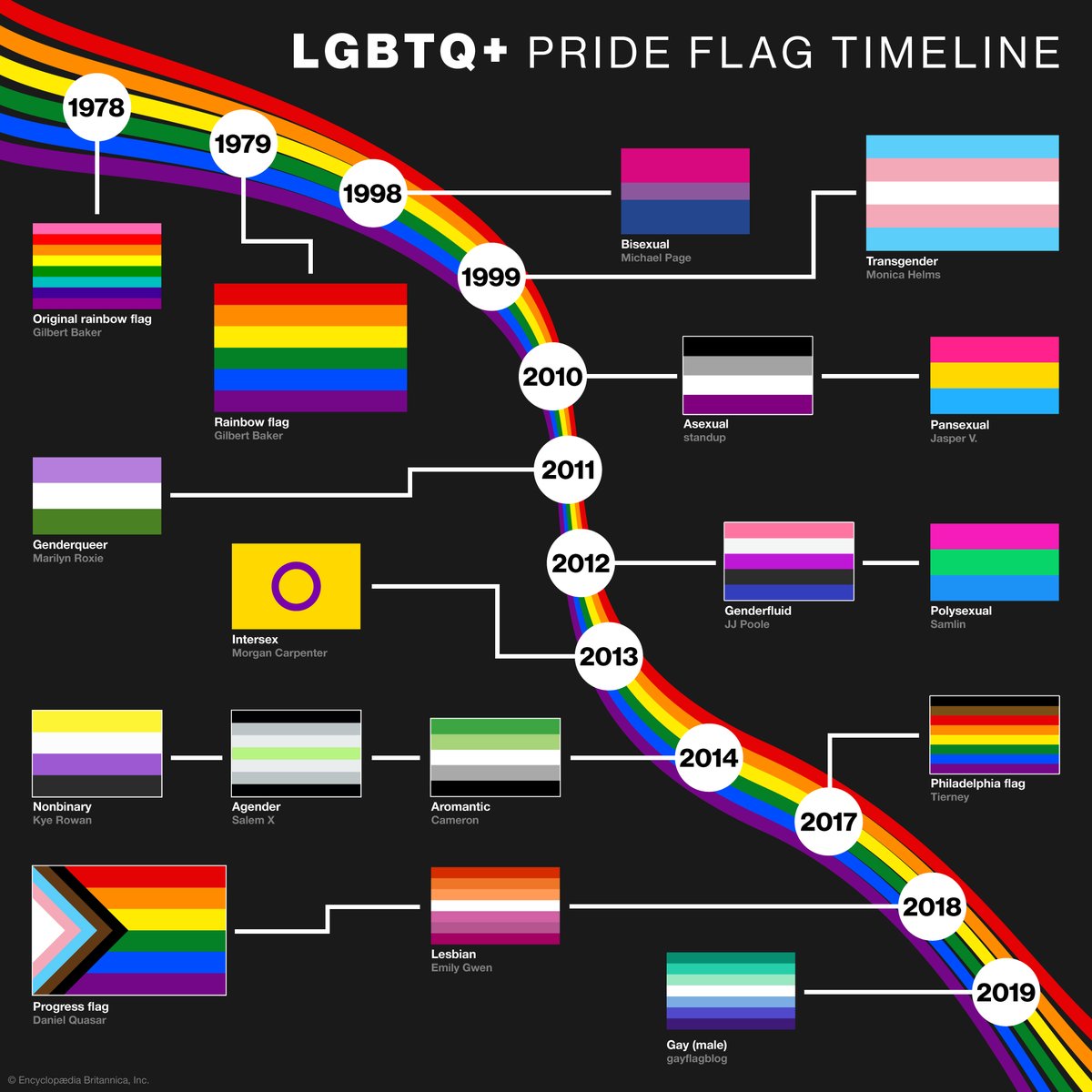
The pride flag was designed in 1978 by Gilbert Baker, at the behest of gay activist and city official Harvey Milk, who thought that the Gay Pride movement needed a logo.
The original-purpose flag was constructed by Baker with hand-dyed fabric and consisted of eight stripes.
Most prominent terrorist attacks since 1970 and their religion:
1. Munich Olympics massacre (1972) - Islam
2. Beirut barracks bombing (1983) - Islam
3. TWA Flight 847 (1985) - Islam
4. Rome & Vienna airport attacks (1985) - Islam
5. Pan Am Flight 103 (1988) - Islam
6. World Trade Center bombing (1993) - Islam
7. Paris Metro bombings (1998) - Islam
8. US Embassy bombings Kenya & Tanzania (1998) - Islam
9. USS Cole bombing (2000) - Islam
10. 9/11 attacks (2001) - Islam
11. Bali bombings (2002) - Islam
12. Istanbul bombings (2003) - Islam
13. Madrid train bombings (2004) - Islam
14. London 7/7 bombings (2005) - Islam
15. Fort Hood shooting (2009) - Islam
16. Toulouse/Montauban shootings (2012) - Islam
17. Boston Marathon bombing (2013) - Islam
18. Brussels Jewish Museum shooting (2014) - Islam
19. Ottawa Parliament attack (2014) - Islam
20. Charlie Hebdo / Hyper Cacher attacks (2015) - Islam
21. Paris November attacks (2015) - Islam
22. San Bernardino shooting (2015) - Islam
23. Brussels airport/metro bombings (2016) - Islam
24. Nice truck attack (2016) - Islam
25. Berlin Christmas Market attack (2016) - Islam
26. Orlando Pulse nightclub shooting (2016) - Islam
27. Westminster Bridge attack (2017) - Islam
28. Manchester Arena bombing (2017) - Islam
29. London Bridge/Borough Market attack (2017) - Islam
30. Barcelona/Cambrils attacks (2017) - Islam
31. Strasbourg Christmas market attack (2018) - Islam
32. London Bridge stabbing (2019) - Islam
33. Samuel apart beheading (2020) - Islam
34. Vienna shooting (2020) - Islam
35. October 7 Hamas-led attacks (2023) - Islam
36. Arras school stabbing (2023) - Islam
37. Solingen knife attack (2024) - Islam
38. New Orleans Bourbon Street attack (2025) - Islam
39. Bondi Beach Hanukkah attack (2025) - Islam
40. Winterthur train-station stabbing (2026) - Islam
I couldn’t list them all, obviously, but let’s put it into perspective.
Islamist terrorist attacks worldwide since 1979:
1979–April 2024: 66,872 attacks
By period:
1979–2000: 2,194 attacks
2001–2012: 8,265 attacks
2013–April 2024: 56,413 attacks
Total Deaths: at least 249,941
Now, who is the biggest threat to the world, again?
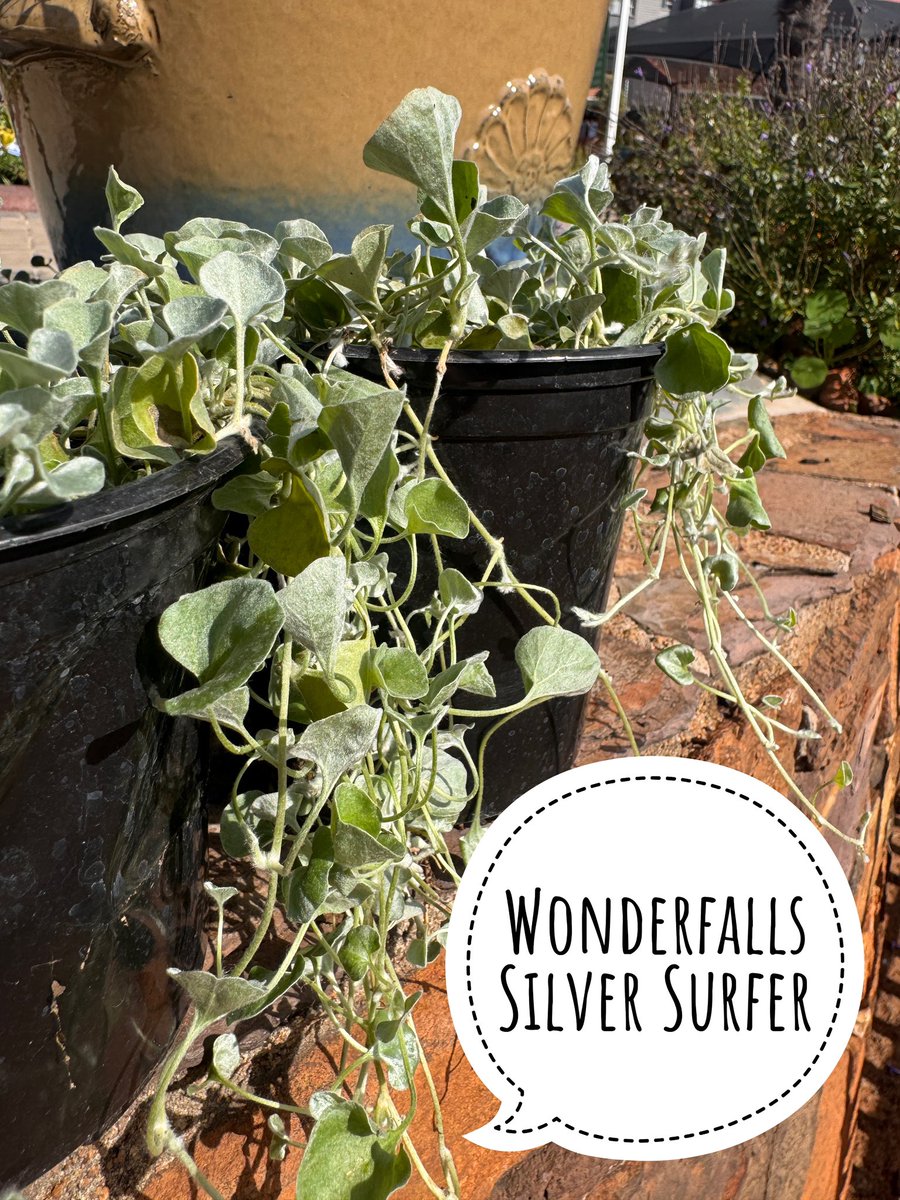
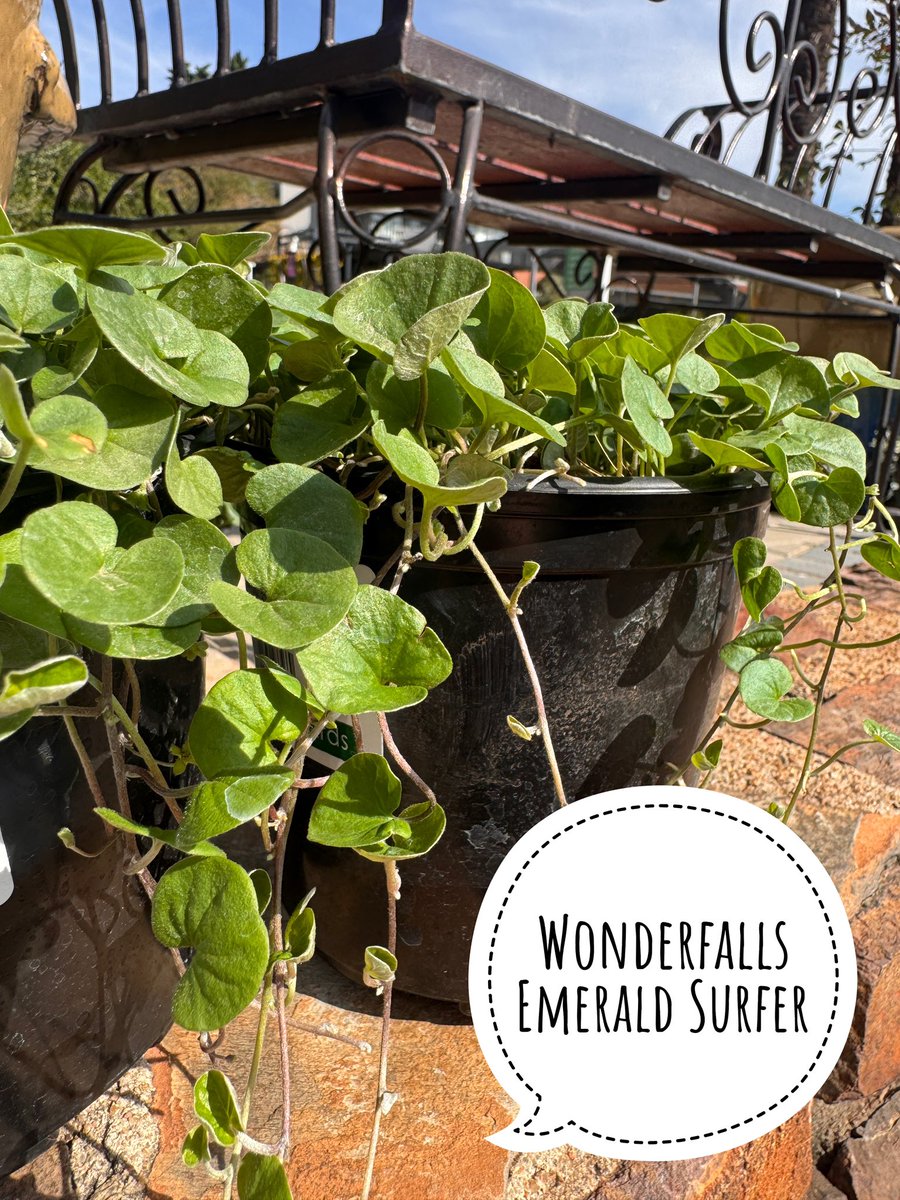
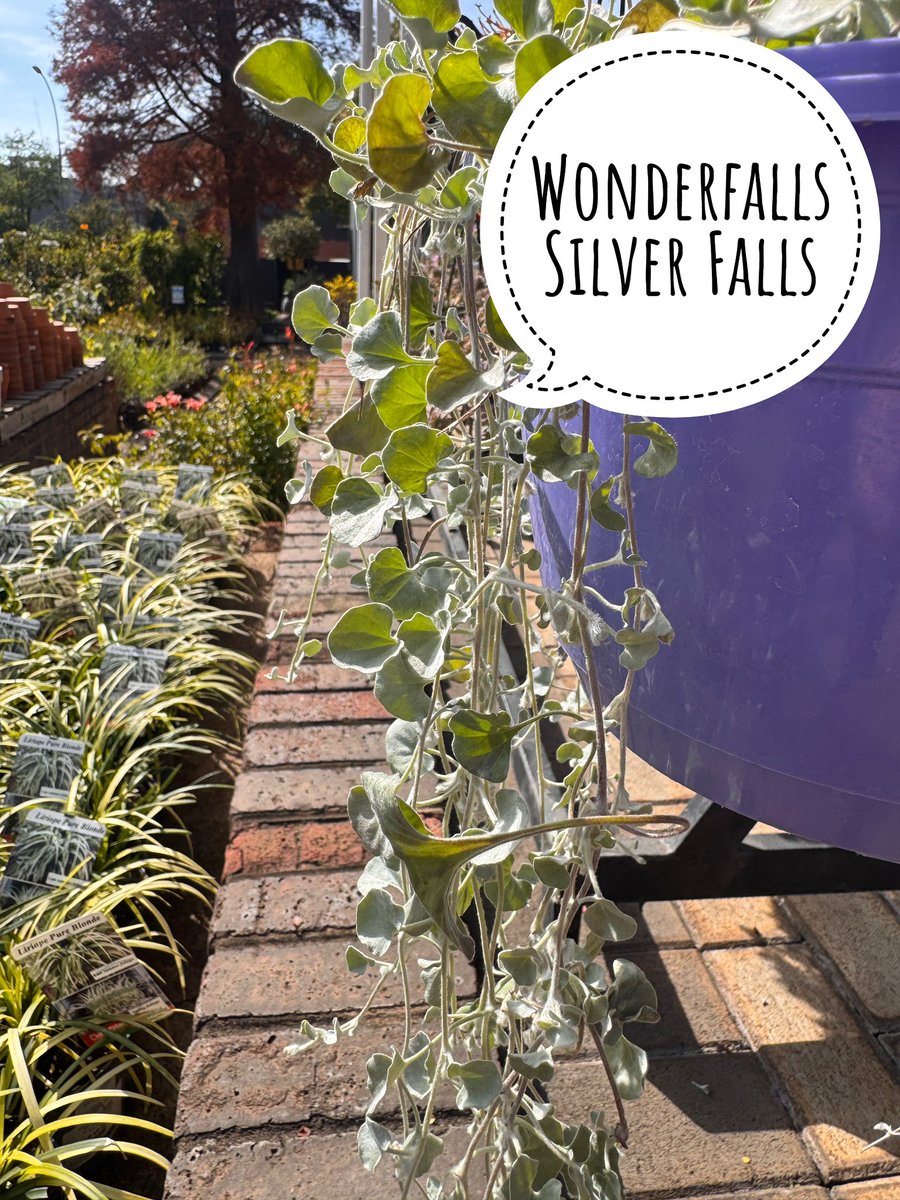
Wonderlawn spreads across the ground. Wonderfalls cascades over the edge.
Wonderlawn is perfect between pavers or as a shady lawn alternative, while Wonderfalls adds movement and texture to pots and hanging baskets 🌸 #eckardsgarden#verticalgardening
I feel like we are living in some alternate reality.
Okay, so I don’t actually believe that… but the news about Meta charging for Facebook, Instagram and WhatsApp is utterly bizarre.
We need to take a step back.
In Varsity, I learnt a term called TANSTAAFL (there ain’t no such thing as a free lunch). We pay for everything, in one way or another.
The other thing we were taught in Marketing 101 is if something feels like it’s “free” for you, then you are the product.
Facebook’s business model is primarily driven by advertising revenue. By using the platform, we share data about our behaviours, interests and interactions. That data enables the platform to offer advertisers precise targeting, making the advertising space more valuable. Our attention and engagement are what’s monetised.
We are the product.
Now that we’re all on the same page… then riddle me this: If we are the product and have been for 22 years, on what planet do you then make the product pay… to be the product?
Do you see where I am going with this?
Well, Meta believes this is a great business model. And so, last night they launched “Meta One”.
For a few Ronds per month, we will have the “honour” of subscribing to Instagram Plus (R65/mo), Facebook Plus (R65/mo), or WhatsApp Plus (R49/mo), which will gain us access to extra features… like profile customisation, super reactions and story insights, “among other things”.
Will the standard versions still be available? Yes and no. I am guessing that since they are now charging, the standard versions will be filled with even more advertising and less of the stuff we choose to follow. That is just a guess. But I’m pretty sure that’s how it will go.
For “creators” and businesses, you will now need to pay over R800 a month to be featured in the Facebook feed, appear higher in Facebook and Instagram search results, gain attention with a bold “Follow” button on Reels and automatically send “follow” invitations to people who engage with your content.
Ja, it's happening.
Social media was built on the idea of connection. We gave these platforms our photos, our memories, our milestones, our opinions, our attention and, most importantly, our time. For more than two decades, billions of people helped turn Facebook, Instagram and WhatsApp into some of the most powerful companies on Earth.
We did it, in my mind, because we believed the exchange made sense.
You get our data.
We get the platform.
But now the same companies that built empires off our engagement are looking at us and saying, “Actually… could you pay us as well?”
There was a story on TikTok a while ago where a woman shared how she bought a printer, and the ink, and the paper, and one day it stopped working and wouldn’t let her print until she paid her subscription fee. There was another person who shared a story about how their garage door stopped opening, as they needed to pay their subscription fee. I am not joking.
It seems everything is going this way. Even our social media.
I don’t know where I’m going with this. I guess just sharing this bizarre info.
And most probably off to pay my subscription.
That's it. Hope you see this.
Okay. Love you. Bye.
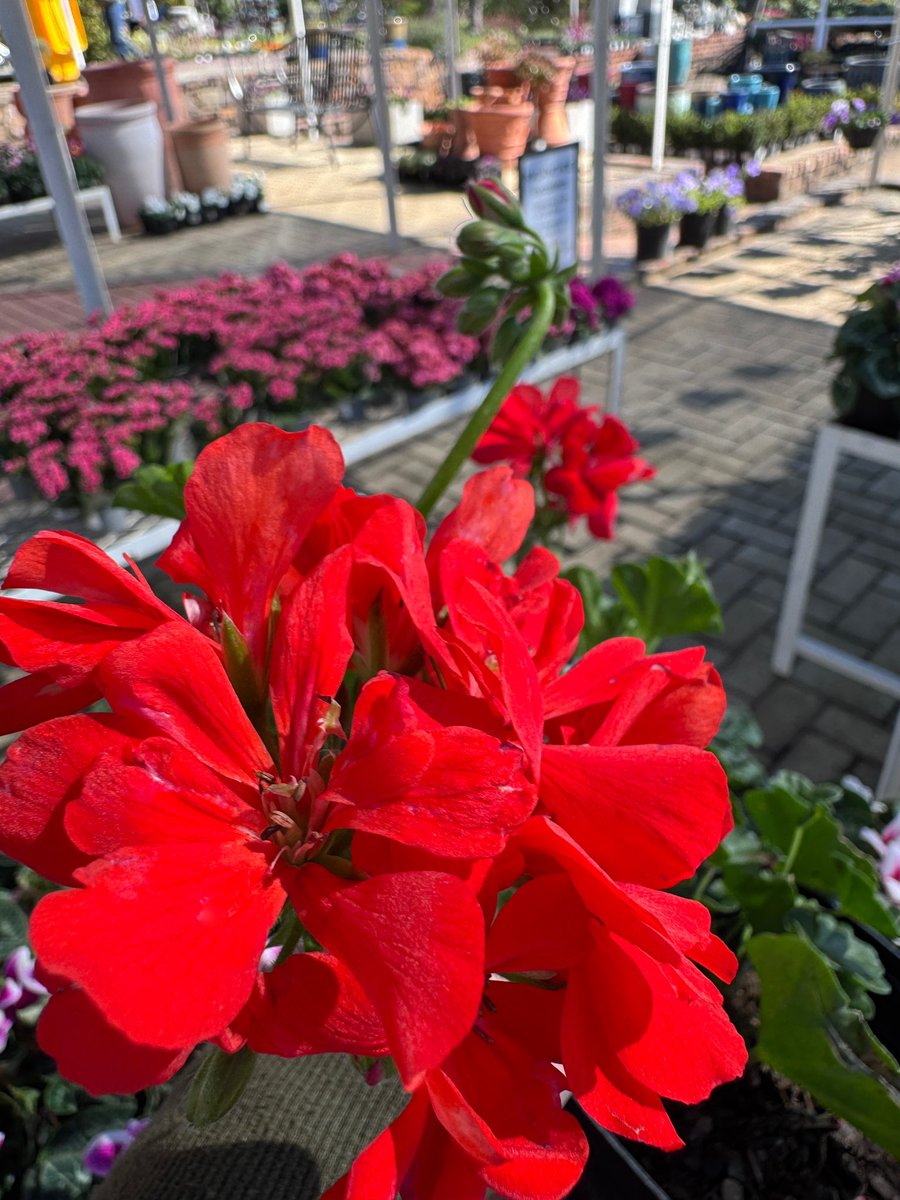
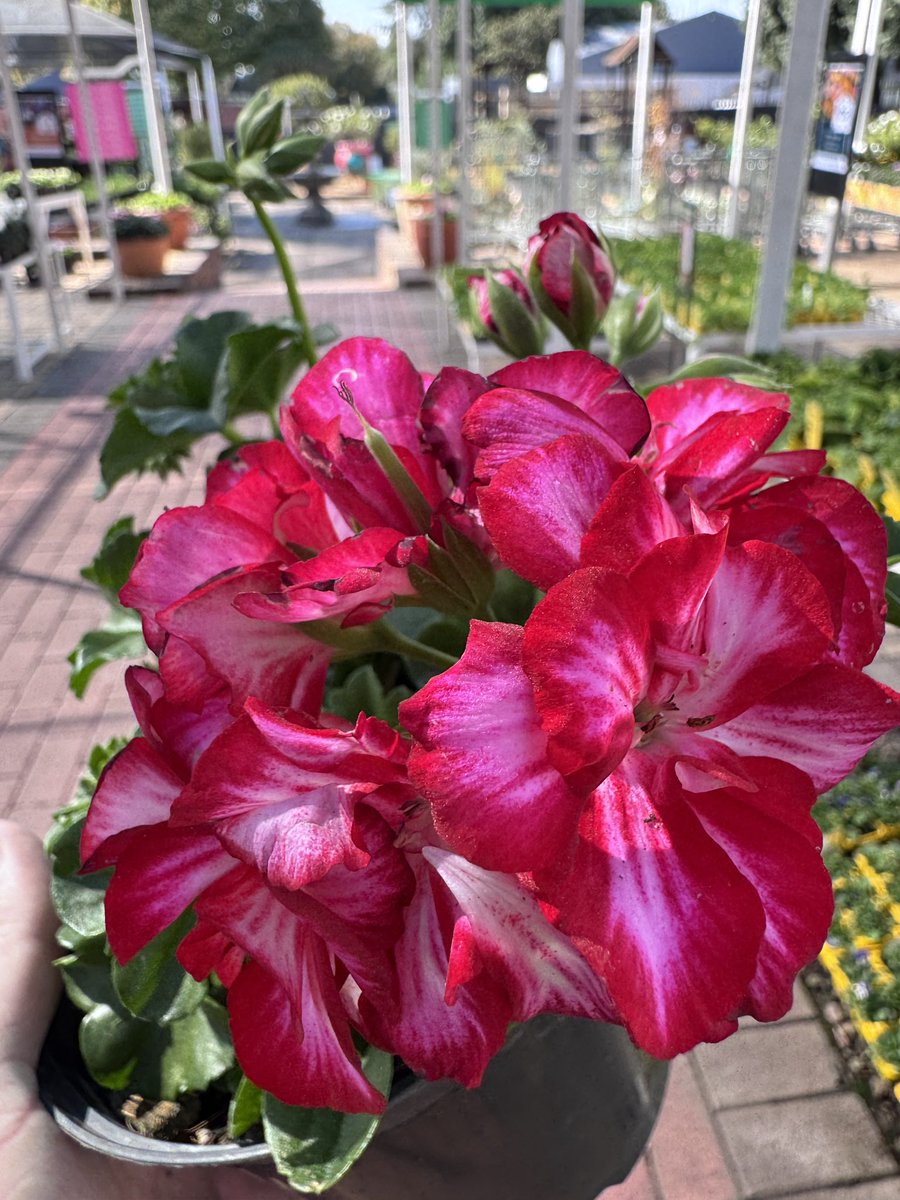
Geraniums are one of the easiest ways to fill a sunny patio with colour for months on end. Keep them happy with sunshine, regular deadheading and a feed with BioOcean. Just avoid soggy roots and overly wet leaves 🌸 #eckardsgarden#geraniums
Red-faced Woolworths apologises and pulls ‘similar’ baby carrier https://t.co/EYs6dz9kaN
@WOOLWORTHS_SA
Ubuntu Baby Carriers
Frankie's
Beyers
A host of other businesses many we don't know about...
Blocking people for backlash against their policies, exposing unethical behavior!
This run is absolutely phenomenal. Top 10 Kylie album every year since 2018! Including six #1
#Kylie
2018 — Golden — #1
2019 — Step Back In Time: The Definitive Collection — #1
2020 — DISCO — #1
2021 — DISCO: Guest List Edition — #10
2022 — Impossible Princess — #5
2023 — Tension — #1
2024 — Tension II — #1
2025 — Kylie Christmas (Fully Wrapped) — #1
🇿🇦🔥 South Africa is on fire at Chelsea and we mean that in the best possible way.
Gold Award and Best Exhibit in the Great Pavilion at the RHS Chelsea Flower Show 2026. Led by Leon Kluge, ‘Life after Fire’ showed the world what Cape fynbos is made of.
Congratulations to Leon and the team. Proudly SA. 🌸
📷: @GrootbosNGOZA
#RHSChelseaFlowerShow #LifeAfterFire #ProudlySA