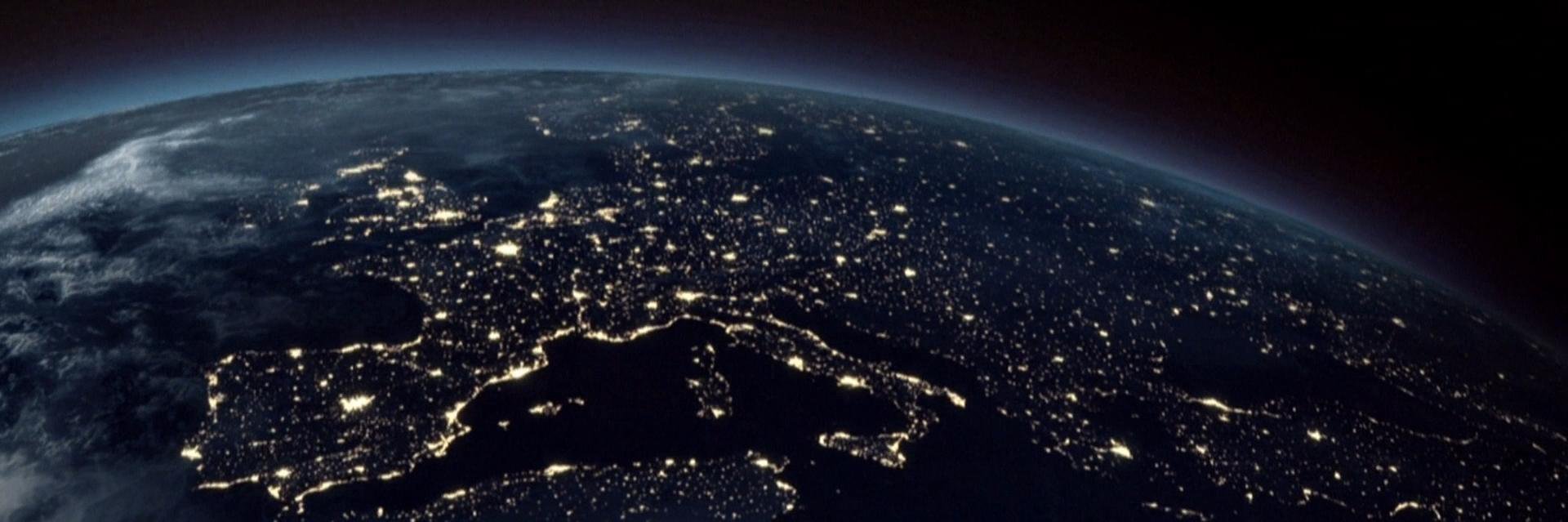
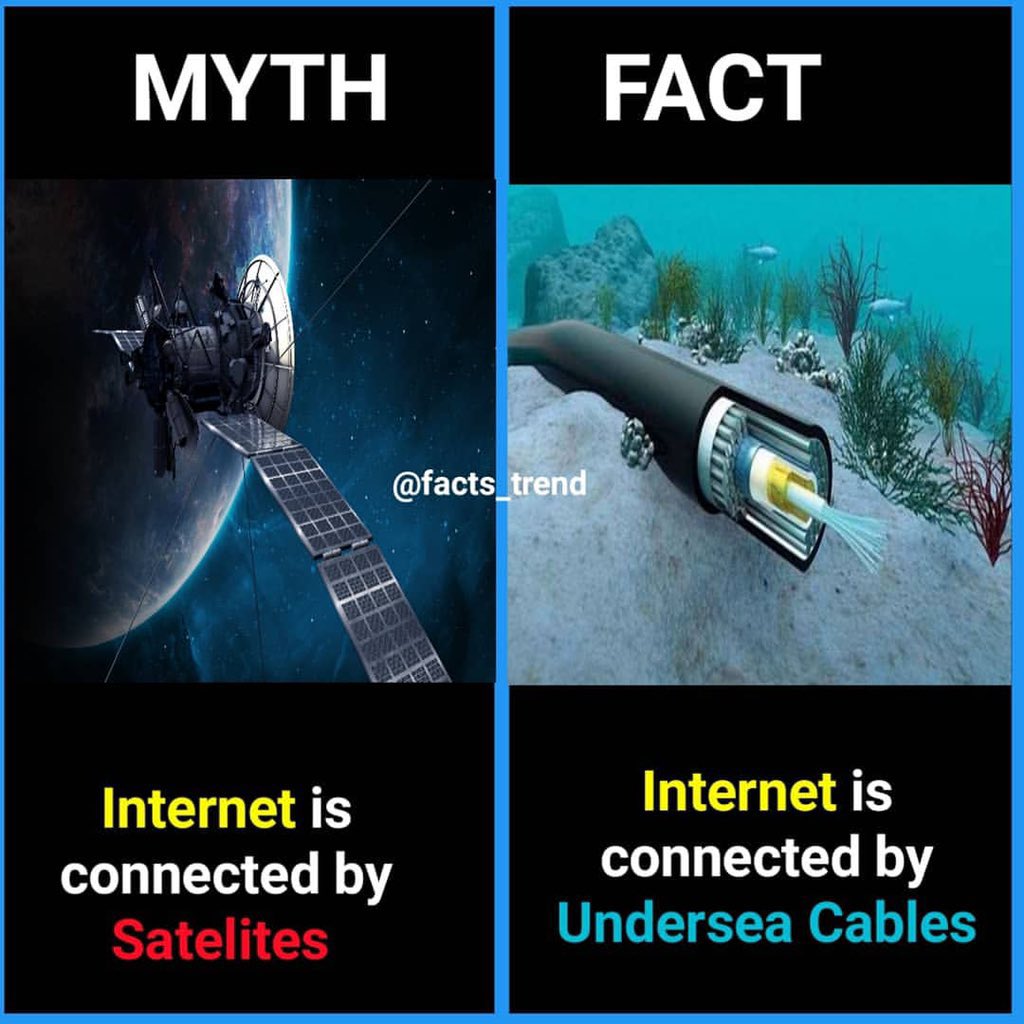
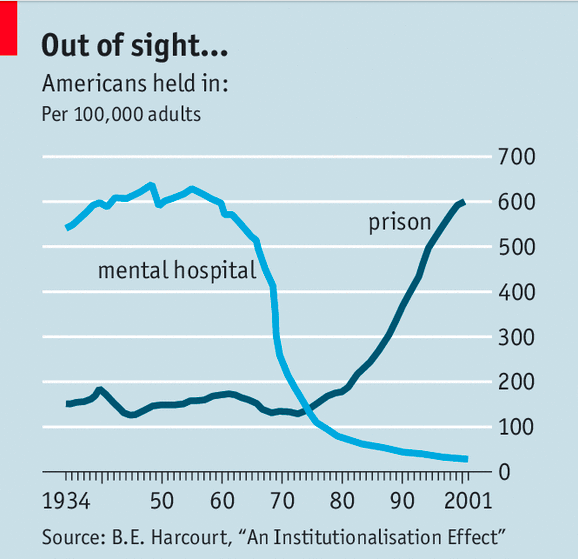
si vous aviez noté la proposition de nommer notre ère géologique d anthropocène, reconnaissant l'homme comme acteur géologique par ses activités (mines, nivellations, iles artificielles ... ) cela a été rejeté par l union internationale des sciences géologiques 🙈 src epsilon #35
🗣️“Vous ne pouvez pas demander en même temps à nos agriculteurs l’excellence et leur imposer de produire à bas coût pour être compétitifs”
Notre députée @mariepochon interpelle le ministre de l’Agriculture @MFesneau ⤵️
#directAN
I’m going to draw a parallel that isn’t quite straight, but it’s close enough.
It’s between old (analog) cars and new (digital) cars, simple (analog) businesses and complicated (digital) businesses.
Lately I’ve been driving two distinctly different cars. One from 1970, and the other from 2023. They essentially have nothing in common other than they’re cars.
Some who don’t care much for cars might say that’s everything in common. On paper I can see the argument, but get behind the wheel of both, and go for a drive, and you wouldn’t say the experiences were equivalent. They’re as different as different can be.
The 1970s experience is analog. Your leg strength determines your stopping power. The road surface below clearly communicates with your ass. The steering wheel actually feels like it’s turning the wheels. The windows roll down by turning a crank that literally rolls them down. Switches snick, dials click. This is a direct experience, with mechanical feedback, requiring full attention and real effort.
The 2023 experience is digital. Nearly everything is abstracted. The brakes are heavily mechanically assisted. Steering even more so. You can’t really feel the road surface because the suspension masterfully absorbs every little detail. Even the buttons have been replaced by touchscreens with haptics. This is an indirect experience, with simulated feedback, requiring some attention and little effort.
Which you prefer is up to you. I happen to love both for different reasons.
And that’s just driving. The gulf is wider when it comes to repair.
With an old analog car, a problem’s cause is more obvious. Linkages are visible, this connects to that, teeth mesh to move gears which move shafts which move wheels. When something’s broken it’s generally confirmable with a common tool and a set of eyeballs. Any mechanic with a basic understanding can diagnose any problem relatively easily — sometime solely by ear. There are only so many things it could be, and they’re all right in front of you.
With a modern new car, computers enter the picture. Engines are covered, sometimes even inaccessible. Cars crash, but so does firmware. This doesn’t turn that, this sends electrons to that, which are then interpreted by circuits and software and systems. Which one’s to blame when something doesn’t work? It’ll take a while to find out, and at least $1000. Almost anything can be wrong, and you’ll have to leave the car at the shop for a while so they can plug it in and run diagnostics. The human defers to the machine to tell us.
Pros and cons for sure.
Now for the parallels to business.
Through this car experience lens, I’ve come to see businesses as either analog or digital too. I’m not describing their product or what they make. I’m talking about how they’re structured, how they run. An analog business can make software, and a digital business can make pizza.
An analog business is direct. It’s clear what does what, and how it does it. When something changes, you typically know what changed. There’s some suspension to absorb the bumps, but it’s basic — you’re never too far removed from the root cause. There are fewer managers and more doers. There’s less distance between the customer and the maker. Feedback is heard, not interpreted and translated. No decks, just conversations and writing.
A digital business is indirect and abstracted. The structure is obscured, riddled with departments and groups run by other groups. Decisions are complicated because one too many people are involved. What should be simple has become complex — the result of process that serves the prospect, not the purpose. Everything is padded. Getting to someone requires going through something. Customers are a concept, sliced by demographics. Everything’s a presentation rather than a conversation.
As usual, the analogies and metaphors don’t map perfectly, but hopefully you feel what I’m getting at. Does it resonate?
Reporterre a besoin de vos lumières 💡!
Ceci est un appel à témoins pour un article de notre journaliste Fabienne Loiseau :
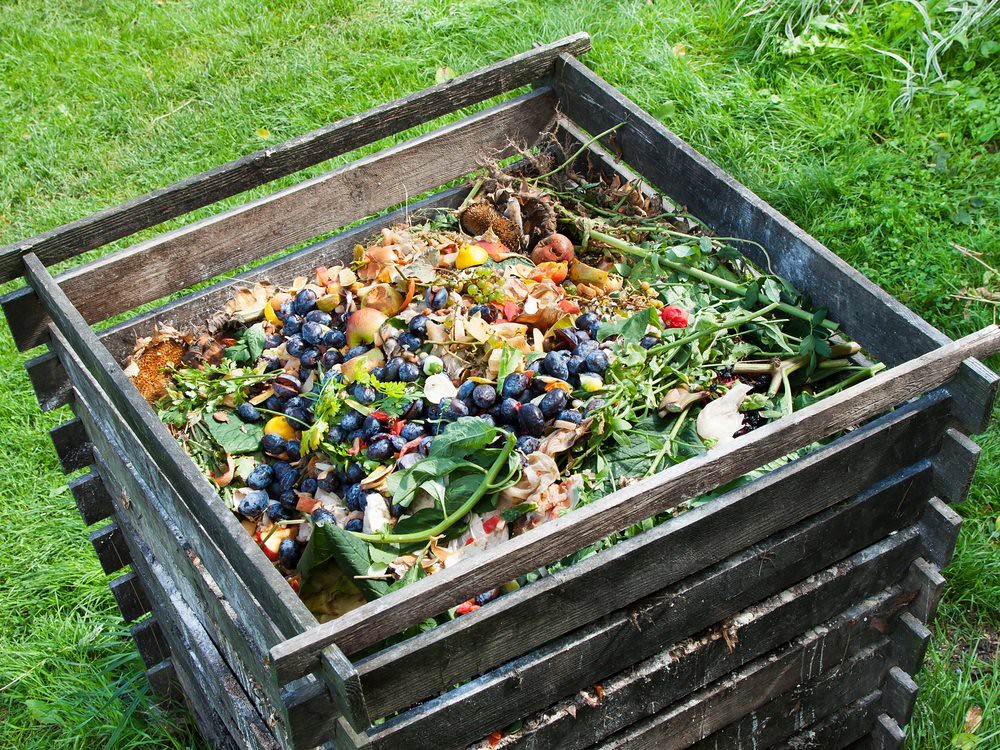
Le 1er janvier prochain, les biodéchets de nos cuisines et jardins devront être séparés des autres ordures ménagères. Mais comment fait-on quand on habite en ville et en appartement, sans jardin ?
Si c’est votre cas, et que vous avez déjà mis en place une gestion séparée de vos biodéchets, ou que vous avez tenté de le faire, racontez-nous. Comment vous organisez-vous ? Quelle technique utilisez-vous : composteur extérieur, lombricomposteur, autre ? Quelles sont les contraintes et les avantages au quotidien ? Êtes-vous gêné par les odeurs ? Mettez-vous tous vos biodéchets ?
💚 Nous attendons vos témoignages à l’adresse [email protected]. Merci pour votre participation !
demain les marchés publics avec 20% de materiel de réemploi, reconditionné ou à base de matèriaux recyclés, et d'avantage de critères sociaux et environnementaux dans les critères d'attribution https://t.co/pXepkxgIMS #GreenTechForum
Merci @romaincouturier pour Kanban avancé #agileenseine . Un format original, beaucoup d énergie et d'humour, et des conseils applicables dès demain. 📋✏📹 🍯 Bravo
“Something major is changing in the world right now and it's creeping into RuneScape."
"[GPT bots] are already randomizing their stats and gear patterns, so it gets difficult for me to spot them now."
“Not only did none of the players get suspicious, but the bot literally roasted the players and argued with them for a good 3 minutes without raising suspicion.”
"This isn't the only tip off I've gotten about accounts having slightly strangely intelligent conversations within the last week.”
“In the not too distant future, bots will be unidentifiable to players. But what if all of a sudden players don't know who is a bot and they're even friends with some of the bots?
Unknowingly, bots kind of become somewhat of a positive externality. Players think the game is more populated than it is and find that the player base on average may even be more willing to help out as bots are programmed to break from their gold farming to do some humanlike interaction.
So now, unknowingly, players actually like bots, which means JAGEX now likes bots. And as a for profit company, JAGEX actually starts to make their own bots to flood the RuneScape world with more players.
It feels like the height of RuneScape in 2006. Many worlds are full, people are chatting. There are bots all over the place that act like cute noobs to give you that rush of dopamine from the nostalgia you've been being fed in not only a digital world but a fake reality of that digital world.
There are thousands of fake bossing groups, fake clans, mini-games are full and everyone wants to be your friend. It takes 3 seconds to get a PVP fight whose result is pre-programmed slightly in your favor to keep your brain pumping with dopamine so that you renew your now $50 per month membership.
Do you understand what I'm getting at? The nature of our reality is at stake. I'd totally be playing way more RuneScape and be purchasing way more memberships as long as JAGEX could keep tricking me that their bots are real players.
Either governments will start regulating required disclosure of [AI] interaction both in video games and elsewhere online, meaning it's illegal for companies not to tell you you're talking to or playing with a nonhuman, or we're all going to be turned completely into dopamine drips.”
Because @ElonMusk has degraded Twitter's blue checks from a verification system to a profit-making venture (anyone can buy one), they have become a primary source of misinformation on Ukraine. All because Musk doesn't have enough money. https://t.co/fDJVE1TNAC
🚨 Pendant ce temps, la France (qui ne respecte pas ses objectifs de réduction de CO2) continue de refuser l'endettement et la taxation des plus riches pour financer la transition.
Tout va bien 🤡
Les 500 plus grandes fortunes françaises pèsent l’équivalent de 45% du PIB.
C’etait 10% en 2009. 10% !
Qui peut encore sérieusement refuser une plus juste répartition des richesses ?
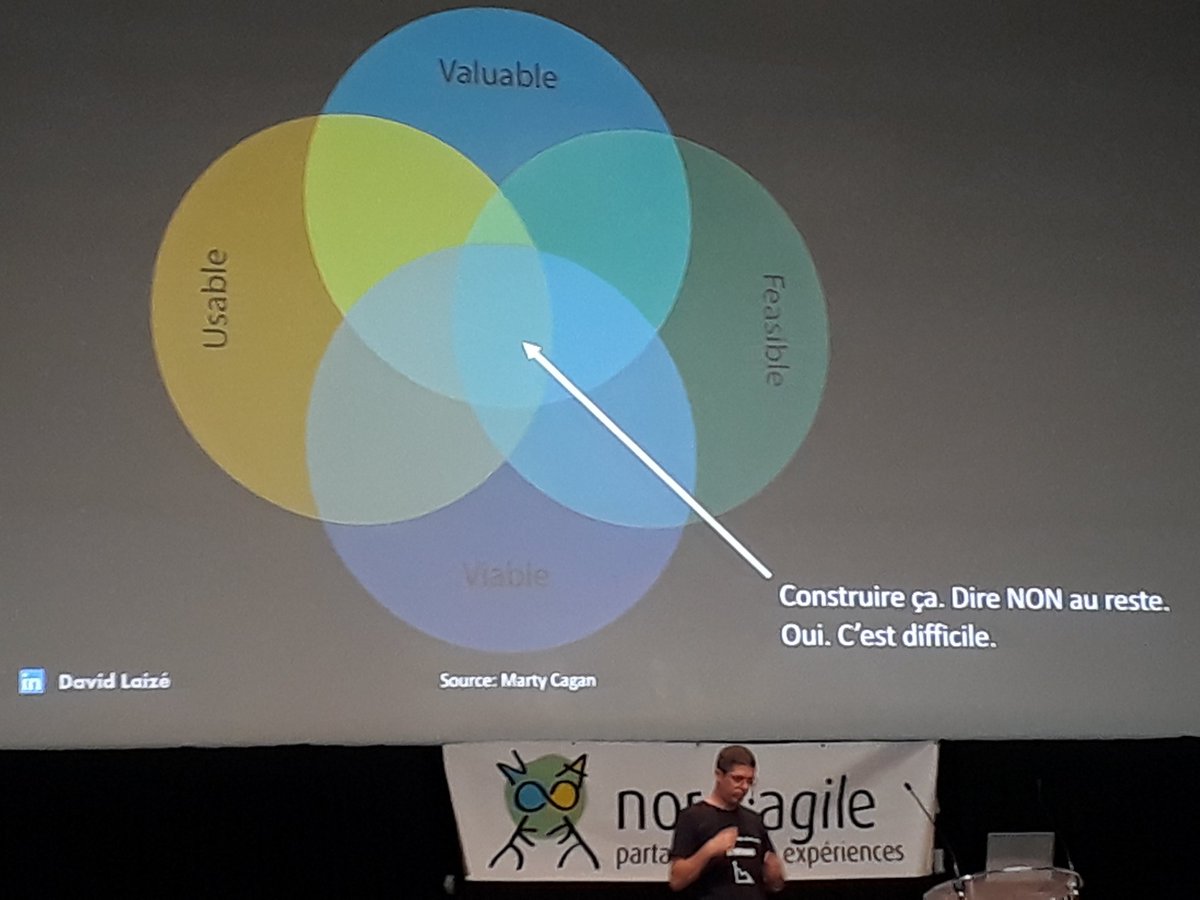
Keynote "Et si on arrêtait de produire du software inutile ?" frugalité, story= discussion, (coupure pub @atrennes) Lean startup, être orienté utilisateur, utilité @DavidLaize #agilille2023
Des questions qui apportent de la valeur: Ne pas s'accaparer l'exertise de la personne qui pose un dilemne, on l'aide à y réfléchir et choisir ses actions. Une posture de #coach @kervinkueny #agilille2023