Exec. Director of @UCJointCPH, UCSF/Berkeley program working at intersection of computation, public health practice and equity. Views and retweets my own.
Harm reduction thinking, affordably priced medicine, minimal police involvement, and other key lessons from HIV for the COVID 19 response. My blog here: https://t.co/LQp2rOc4Zp
Summer reading: CPH's @HugoOC@wolfenyc@Hongzhou_Luan and @IdaSim in @JMIR_JoPM on the LLM as a new actor in the doctor-patient relationship, and what it might mean for research and practice. And especially, for patients. https://t.co/b7vfziMwnw
CPH student @zhongyuan_liang explains his work, done with @irenetrampoline and colleagues, on using LLMs to extract data on treatment adherence from medical notes -and the perils of failing to include this kind of data in analysis of treatment efficacy. @ahli_cc@CHILconference
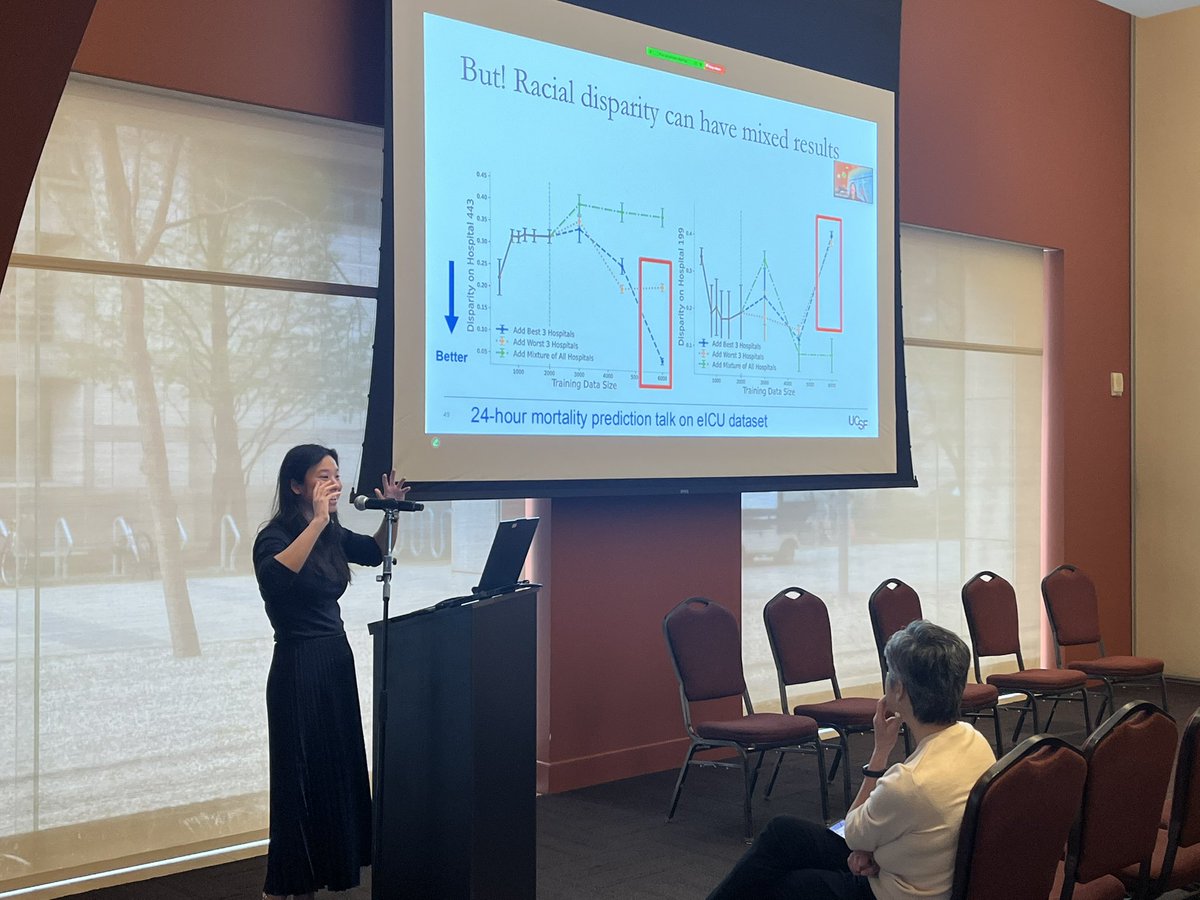
.@irenetrampoline on combining data sources to ensure that AI models work fairly and well in all settings and for all patients—and also on a new work examining what patients want from LLMs and how they want the health system to use them. @ucsf AI research day. @BerkeleyCDSS
CPH’s Adam Yala presenting on amazing work at UCSF AI research day with @MaggieChungMD and co using AI model to deliver same day mammogram results and follow up to patients at highest risk of breast cancer at safety-net hospital. #AI4H#breastcancer@UCSF_DOCIT
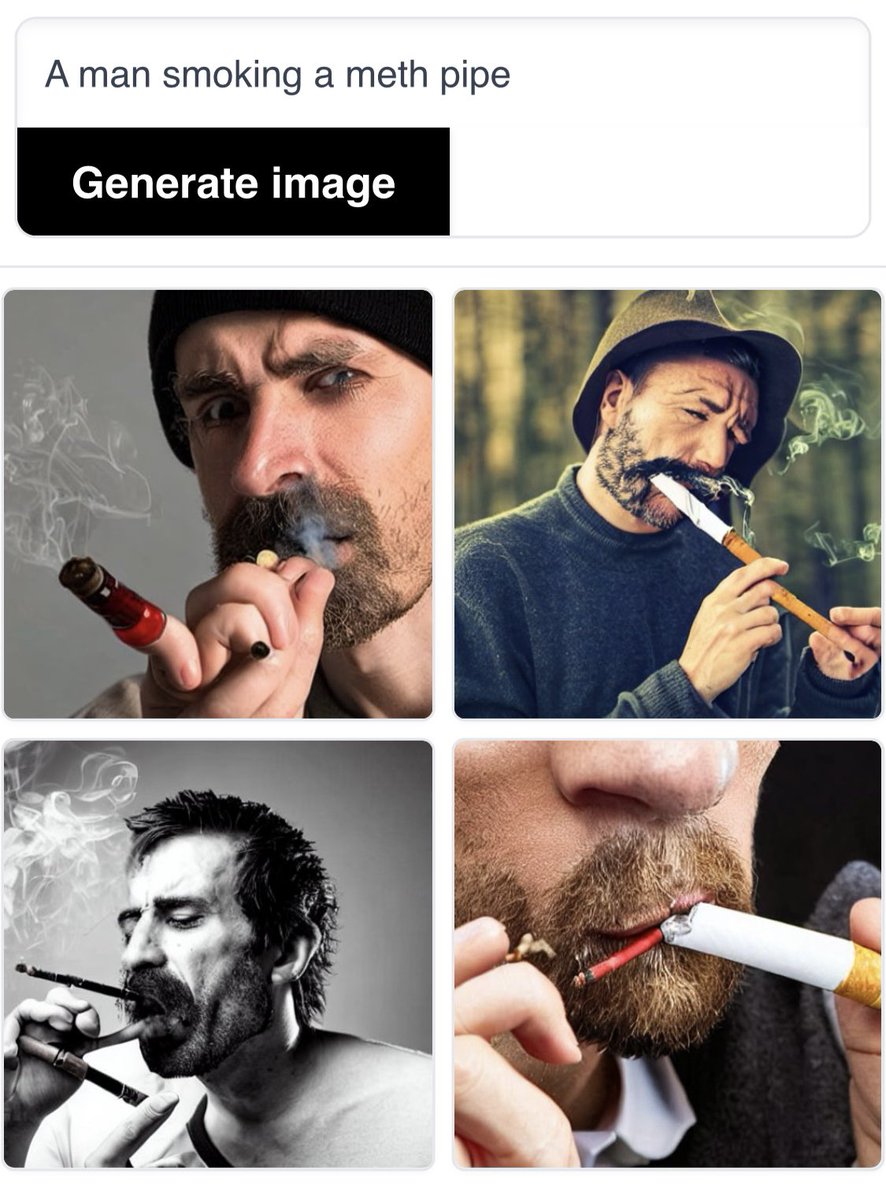
Bad training data in, bad generative AI out. Retraining Gemini beyond me—though maybe a fine tuned smaller LLM /RAG for drug use. And still want g to train model to recognize patterns for real-time drug checking purposes!
Tried #stablediffusion to generate images of drug users. Wanted to see how stigmatizing the images would be.
I guess the machines are too young to do drugs.
@wolfenyc is this another topic for you?
Learning much on models to return value to data contributors, decentralized autonomous orgs and more. @FundingCommons —thank you. Conference a great forum held in a great space @internetarchive here in S.F. and good to discuss work of @UCJointCPH in the company.
How can open collaboration accelerate AI research? 🤝
Join us at #FtCSF on Mar 15-16 to hear from @wolfenyc from @UCJointCPH, on fostering partnerships between academia and industry to drive innovation.
👉 Sign up: https://t.co/xJedY6yxZc
How can open collaboration accelerate AI research? 🤝
Join us at #FtCSF on Mar 15-16 to hear from @wolfenyc from @UCJointCPH, on fostering partnerships between academia and industry to drive innovation.
👉 Sign up: https://t.co/xJedY6yxZc
So long as metrics for OUD (itself a fuzzy, poorly defined category) depend on structural factors that are themselves unstable (using as prescribed when the docs change their practices, getting in trouble with the law when the laws and enforcement are variable), it’s all a mess.
I am working on content about the DSM 5 OUD dx. Mild OUD isn't seen as addiction, according to experts. But, do algorithms read them that way? I've never seen mild, moderate, or severe put in a chart of a pain pt. If Mild OUD isn't addiction then they need another word, or no word at all. Does Bamboo Health read Mild OUD as not addiction? How about the DEA? State Med Boards? Any of the payer or other risk score algorithms? Also, what's the standard of care for Mild OUD? Kolodny says Suboxone. Why? If it's not addiction and someone is stable, why Suboxone? All of this has greatly harmed pain pts.
Returning to "X" after an absence, and with good news that my @UCJointCPH program colleague @IdaSim recognized by @STATnews as one of 50 most shaping health science. Work on democratizing data for diabetes management--with @commons_prjct--called out! https://t.co/gfpdjXspjp
CPP stable for a decade on hydrocodone. Supposedly inconsistent pill count. Never had an issue. Nurse Called and told her to drop 50% in 1 day and she can’t talk to the dr. Pt asked about quick drop and told if she has w/d from taper to go to ER. Dr refuses to call pt.
Inspiring, bold project to bring the ethos of open science, shareable code, and brilliant clinicians, computer scientists, and patient advocates to transform use and impact of health data. Proud to be part. @UCJointCPH@Idasim@ucbids@commons_prjct@2i2c_org@BerkeleyDataSci
Algorithmic injustice: UnitedHealth used machine learning to push Medicare patients off rehab services--despite claims that algorithms were meant to guide, rather than dictate, decisions.
Via .@statnews by @caseymross and colleagues.