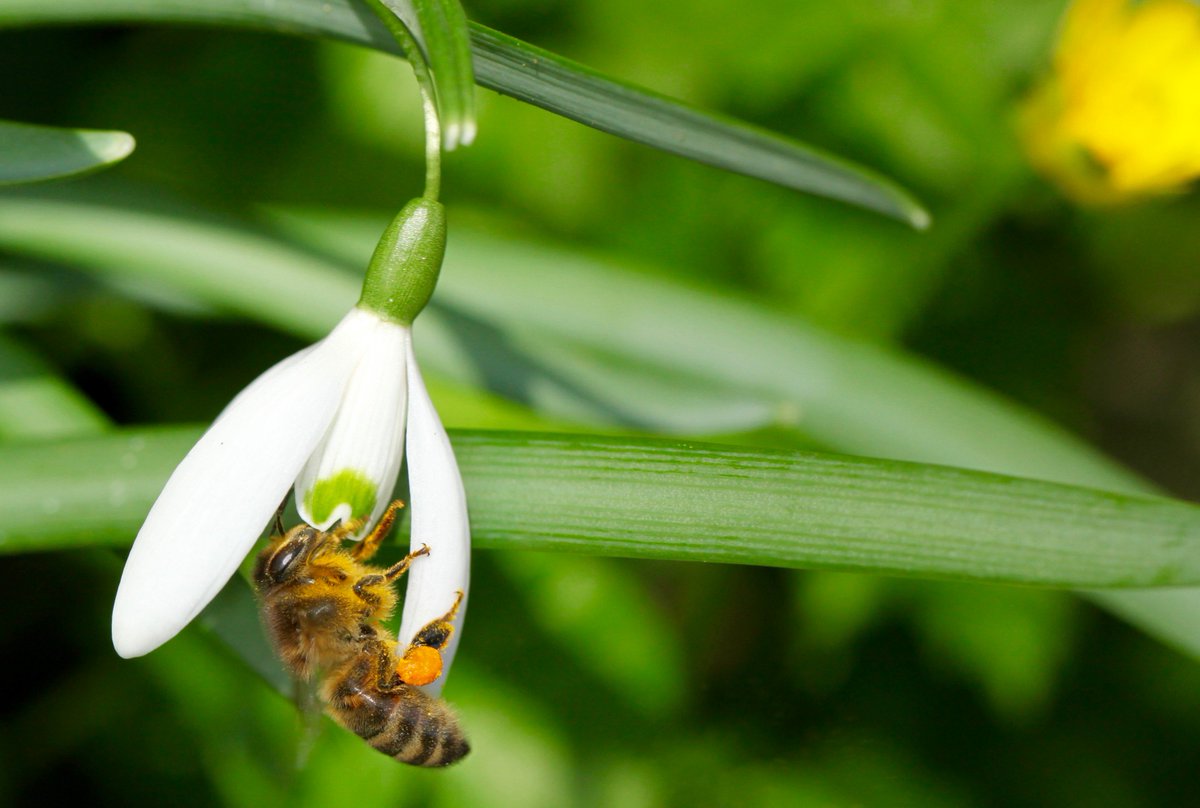
The first World Bee Day has been a storming success! Please stick with us over the coming year for news and updates on bees, as well as a special contest to win a beehive! More details to come
If you feel inspired by today's activity please keep your eyes peeled for all types of bees over the summer, and share any photos you take of our buzzing friends!
#WorldBeeDay
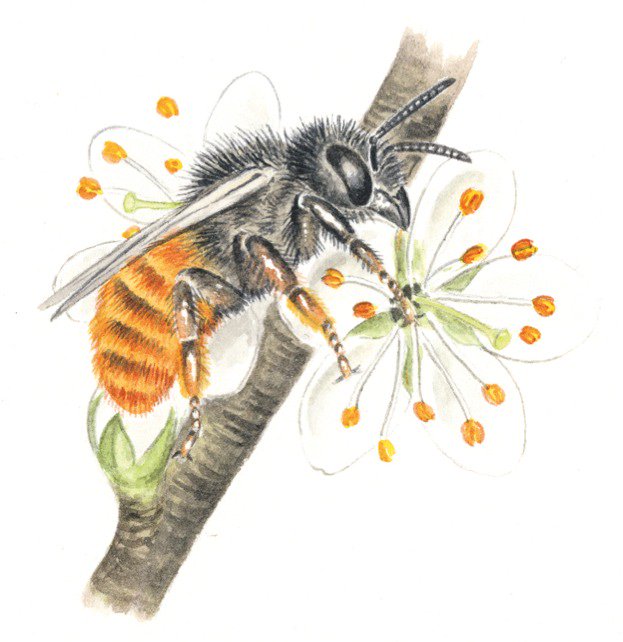
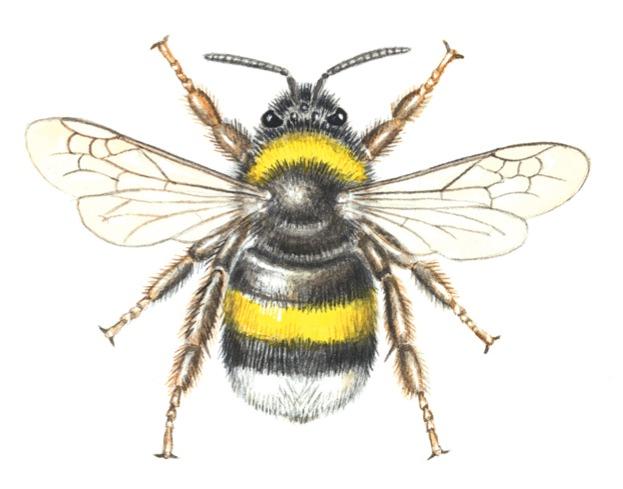
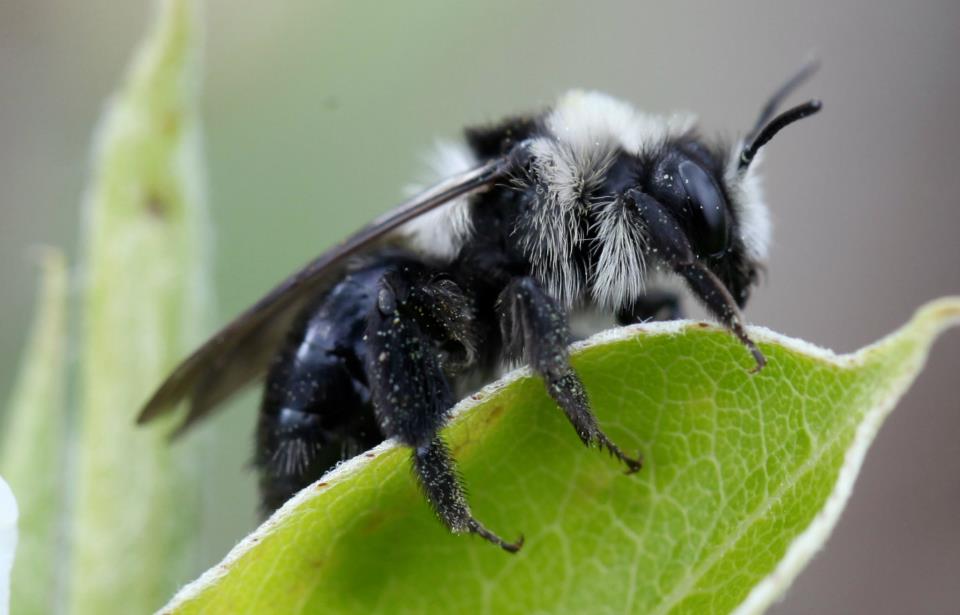
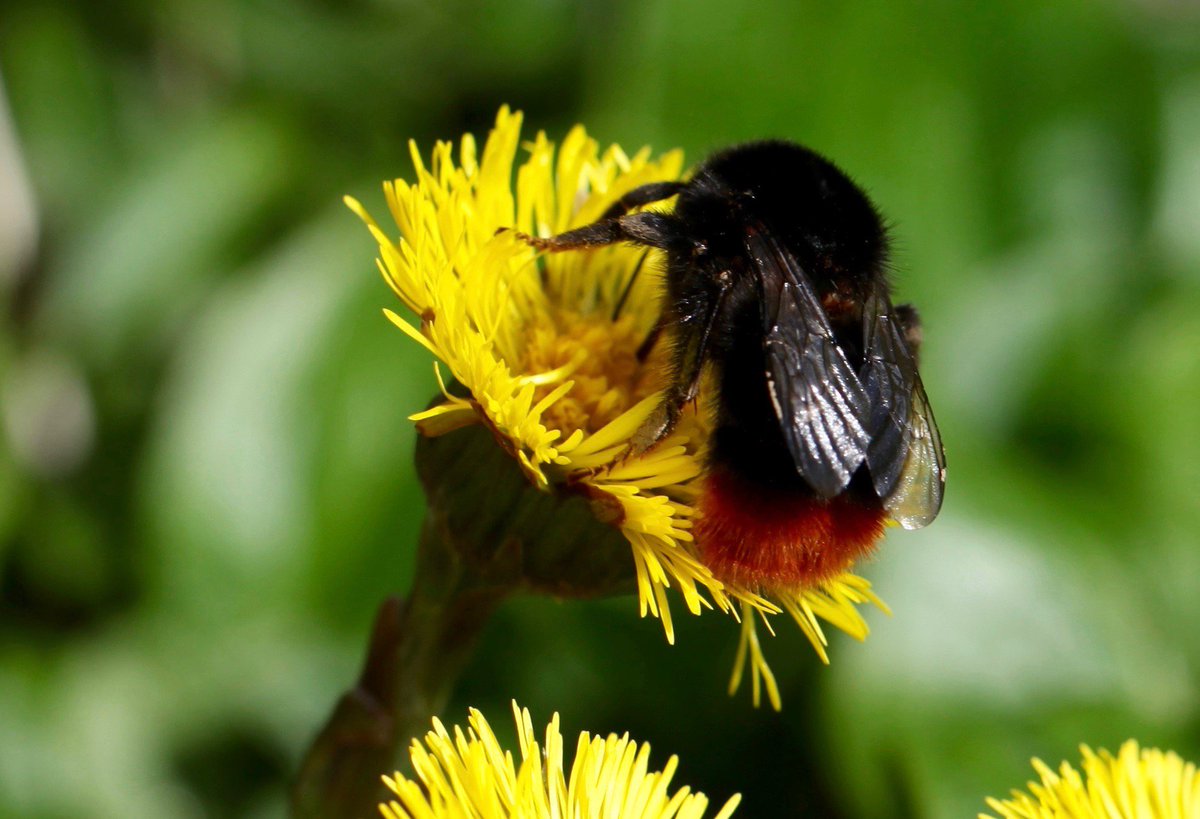
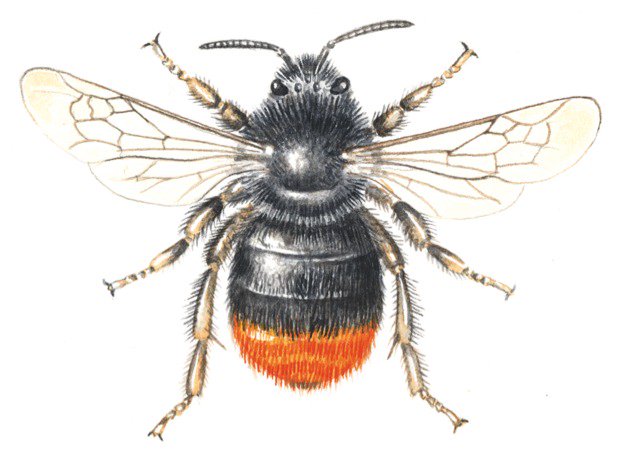
How to identify spring bees
Our guide will help you recognise 12 early-emerging bee species - many of which are common in gardens: https://t.co/JgTqWZI9RZ
🖌 Felicity Rose Cole
#Slovenia is the only country in the EU to have introduced legal protection for its bees 🐝 & to prohibit use of certain pesticides harmful to 🐝.
🐝 are essential to ecological balance and biodiversity. Lets take concrete ACTION to PRESERVE and PROTECT bee colonies.#WorldBeeDay
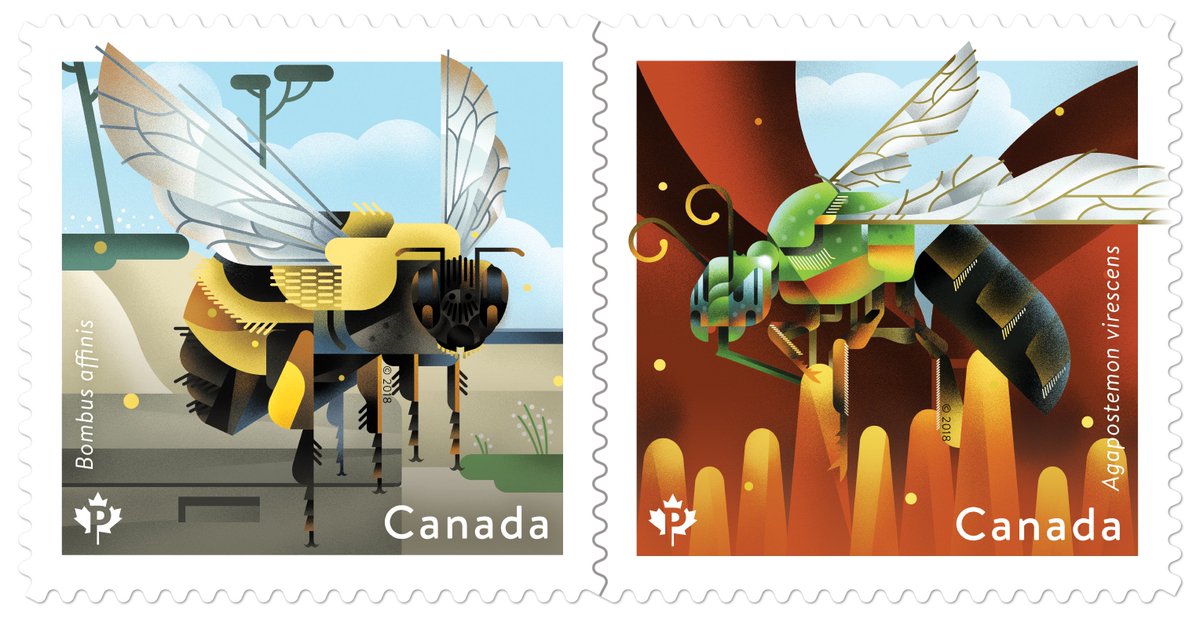
For #WorldBeeDay, here are two awesome #Australian bees. Our biggest, Xylocopa, and our smallest, Euryglossina (which also happen to be the smallest bees in the whole world!). Just two of Australia's 1600+ bee species. So much still to learn about Australian #bees!
What’s all the buzz about?
It’s the first ever #WorldBeeDay! Learn more about why 🐝🐝 are so important to achieving #ZeroHunger 👇 https://t.co/twSSMb9RU9
Today marks @UN World Bee Day 🐝 #Bees are important pollinators and are vital for ensuring food security and much more. Learn more about bees at our free #Pollination display on until August at #TheCalyx#savethebees#worldbeeday https://t.co/AhK22pViTR
It's #WorldBeeDay 🐝, and I'm in Slovenia learning about their native honeybees (and wearing my bee earrings of course!). Plus some cultural sightseeing - including the gorgeous Lake Bled 😍
There are a staggering 25,000 different species of #bee in the world. 7 of these species are #honeybees; 250 #bumblebees, and the rest are #solitarybees. You can help them all by planting more pollen & nectar rich flowers, and by NOT using pesticides...
#WorldBeeDay
Led by the Slovenian government, the announcement is the culmination of three years of work not just with the UN but all over the world promoting the importance of bees and other pollinators, both for the sustainable development of the insects, and their importance to humanity.
The resolution was co-sponsored by 115 UN Member States, with the aim to raise public awareness and attention around the world to the importance of protecting and preserving bees and other pollinators.