연봉 4억 병원장 제안 뿌리친 남자
원주 세브란스, 서울 아산병원에서 33년 근속 후
정년퇴직한 응급의학계 거장, 임경수 선생님.
연봉 4억의 병원장 제안도 뿌리치고,
월급 300만 원의 정읍시 고부보건지소장으로
직행하셨다.
공무원 신분이 되면서 매달 받던 450만 원의
사학연금까지 '칼같이' 끊기는 손해를 감수하며
옥탑방 라이프를 실천중이라고.
아침 7시 40분, 어르신들의 첫차 시간에 맞춰
칼같이 문을 여는 이 시대의 '찐' 낭만닥터.
진료비는 인절미와 요구르트, 정성 가득한 텃밭 채소.
환자들의 따뜻한 마음이 곧 연봉 이상의 가치라고.
열악한 환경 속에서도
'죽기 전 2년은 사회를 위해'라는 신념 하나로
묵묵히 환자 곁을 지키는 선생님, 리스펙합니다!
그래서 거꾸로, 시가, 그런 언어에 지친 사람들을 위한 성소가 된 건지도 모르겠어요. 신발 벗고 핸드폰 끄고 들어가는, 잘 정제된 언어만 존재하는 사원 같은 곳이요. 시를 읽을 때만큼은 이 깨끗한 말들의 영향을 받아 내 안에도 귀한 것이 남아 있다는 걸 확인하고 싶은 그런 기분일까요.
저는 대학교 때
남자교수가 가르친 페미니즘으로
페미니즘을 접한 사람입니다
2013년이었던 것 같네요
그 분은 스스로 남혐이 너무 심해서
남자무리에서 튕겨져나와
연구도 여성교수님들과 같이한
증말 특이한 사람이었어요.
그 분이 했던 말을 저는 거의 다 까먹었는데요
(죄송합니다 교수님)
제가 그 분의 토론수업에서 꽤 좋은 중간점수를 받아서 밥을 얻어 먹었을 때 그 분이 한 말이 있어요.
“꽉아 여자들이 인구의 반이나 되는데 왜 페미니즘이 아직까지 비주류라고 생각하니? 여자들은 도덕적 잣대도 높고 본인이 생각하는 무리의 룰에 안 맞으면 배척을 하고 그 사람의 말을 들어주지 않는단다. 남자들은 비도덕적일지라도 한두번의 실수는 숙이고 들어오면 용서한단다. 모든 투쟁은 크기의 싸움인데 여성동지들은 유독 그 힘이 약하다고 느낀다. 페미니즘도 진보운동인데 우리나라 진보가 왜 항상 균열과 내부총질로 망했는지 고민해봐라”
머 대충 이런 내용이었어요 그 때 밥 먹고 커피 마시면서 한 세시간 동안 그 교수님이 저한테 했던 말은
13년이 흐른 지금, 페미니즘은 더 이상 뜻을 설명해야하는 비주류가 아닌데 우리는 얼마나 넓은 여성동지들을 포용하고 있을까요? 한 번의 실수는 용서하고 이해할 수 있지 않을까요? 사람은 누구나 실수를 하고 운 좋게 내 실수는 눈에 띄지 않고 넘어간 게 아닐까요?
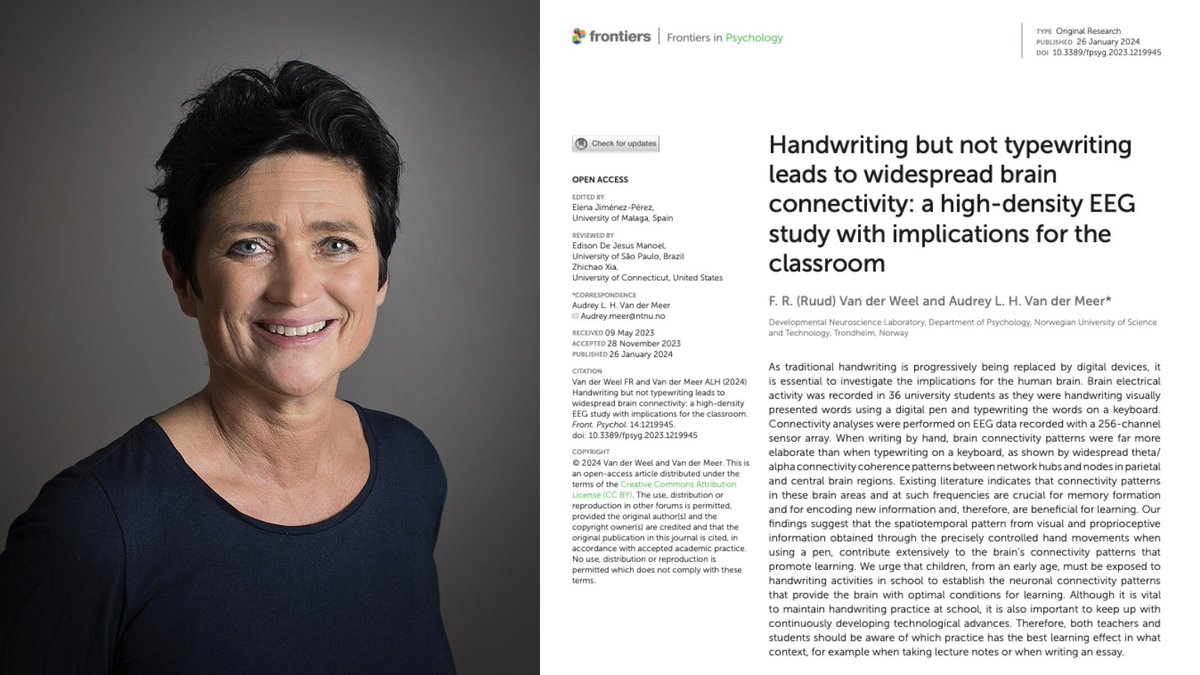
A Norwegian neuroscientist spent 20 years proving that the act of writing by hand changes the human brain in ways typing physically cannot, and almost nobody outside her field has read the paper.
Her name is Audrey van der Meer.
She runs a brain research lab in Trondheim, and the paper that closed the argument was published in 2024 in a journal called Frontiers in Psychology. The finding is brutal enough that it should have changed every classroom on Earth.
The experiment was simple. She recruited 36 university students and put each one in a cap with 256 sensors pressed against their scalp to record brain activity. Words flashed on a screen one at a time.
Sometimes the students wrote the word by hand on a touchscreen using a digital pen, and sometimes they typed the same word on a keyboard. Every neural response was recorded for the full five seconds the word stayed on screen.
Then her team looked at the part of the data most researchers had ignored for years, which is how different parts of the brain were communicating with each other during the task.
When the students wrote by hand, the brain lit up everywhere at once.
The regions responsible for memory, sensory integration, and the encoding of new information were all firing together in a coordinated pattern that spread across the entire cortex. The whole network was awake and connected.
When the same students typed the same word, that pattern collapsed almost completely.
Most of the brain went quiet, and the connections between regions that had been alive seconds earlier were nowhere to be found on the EEG.
Same word, same brain, same person, and two completely different neurological events.
The reason turned out to be something nobody had really paid attention to before her work. Writing by hand is not one motion but a sequence of thousands of tiny micro-movements coordinated with your eyes in real time, where each letter is a different shape that requires the brain to solve a slightly different spatial problem.
Your fingers, wrist, vision, and the parts of your brain that track position in space are all working together to produce one letter, then the next, then the next.
Typing throws all of that away. Every key on a keyboard requires the exact same finger motion regardless of which letter you are pressing, which means the brain has almost nothing to integrate and almost no problem to solve.
Van der Meer said it plainly in her interviews.
Pressing the same key with the same finger over and over does not stimulate the brain in any meaningful way, and she pointed out something that should scare every parent who handed their kid an iPad.
Children who learn to read and write on tablets often cannot tell letters like b and d apart, because they have never physically felt with their bodies what it takes to actually produce those letters on a page.
A decade before her, two researchers at Princeton ran the same fight using a completely different method and ended up at the same answer. Pam Mueller and Daniel Oppenheimer tested 327 students across three experiments, where half took notes on laptops with the internet disabled and half took notes by hand, before testing everyone on what they actually understood from the lectures they had watched.
The handwriting group won by a wide margin on every question that required real understanding rather than surface recall.
The reason was hiding in the transcripts of what the two groups had actually written down.
The laptop students typed almost word for word, capturing more total content but processing almost none of it as they went, while the handwriting students physically could not write fast enough to transcribe a lecture in real time, which forced them to listen carefully, decide what actually mattered, and put it in their own words on the page.
That single act of choosing what to keep was the learning itself, and the keyboard had quietly skipped the choosing and skipped the learning along with it.
Two studies. Two countries. Same answer.
Handwriting makes the brain work. Typing lets it coast.
Every note you have ever typed instead of written went into your brain through a thinner pipe. Every meeting, every book highlight, every idea you captured on your phone instead of on paper was processed at half depth.
You did not forget those things because your memory is bad. You forgot them because typing never woke the part of the brain that would have made them stick.
The fix is the thing your grandmother already knew.
Pick up a pen. Write the thing down. The slower road is the faster one.
<코쿤이 생각하는 사랑이란>
"제가 요즘 생각하는 사랑은
‘아무 일도 없는 게’ 진짜 사랑이라고 생각하거든요.
그러니까 보통 사랑을 할 때
여러 가지 환상을 갖게 되잖아요.
이 사람과 사랑을 한다면
‘이렇게 나아갈 수 있고’,
‘이런 것도 할 수 있고’ 라고 생각하지만,
그런 변화보다도
곁에 있을 때 마음이 조용해지는 것.
그게 제일 좋은 사랑의 형태인 거 같아요.
애써 무언가를 증명하지 않아도 되고,
특별한 일이 없어도 불안하지 않은 상태요."
-코쿤-
아무리 만나도
구걸하지 않고
성가시게 하지 않은
서로가 있다면
그 사랑은 오래 오래 갑니다.
La ansiedad no está solo en tu cabeza.
Está almacenada en tu sistema nervioso, elevando tus niveles de cortisol.
Aquí hay 9 formas basadas en el cuerpo para liberarla (sin medicamentos) 🧵
1. Agua fría en tu rostro.
지금 읽는 에세이에 작가분의 사춘기 자녀가 낳음당했다 라고 주장하면서 불만 토로할때 작가분의 반론이 인상깊음. 작가분의 직업이 글과 말로 먹고사는 기자라는 사실이 너무 잘 느껴지는 대목임
반론 1. 모든 존재는 그냥 존재하고 그냥 태어난다. 너만 특별할게있냐?너는 자의식과잉이다.
나는 조국을 아주 개인적인 이유로 싫어한다. 그는 성범죄자인 박진성을 옹호했을 뿐만 아니라 허위에 정당성을 부여하고 결국 침묵하였기 때문이다. 그래서 탄핵시위를 가면서도 내내 괴로웠다.
[기자수첩] 조국 전 장관께 '출마 선언' 이전 '사과'를 권한다 - 매일일보 https://t.co/oQVxSRacLg
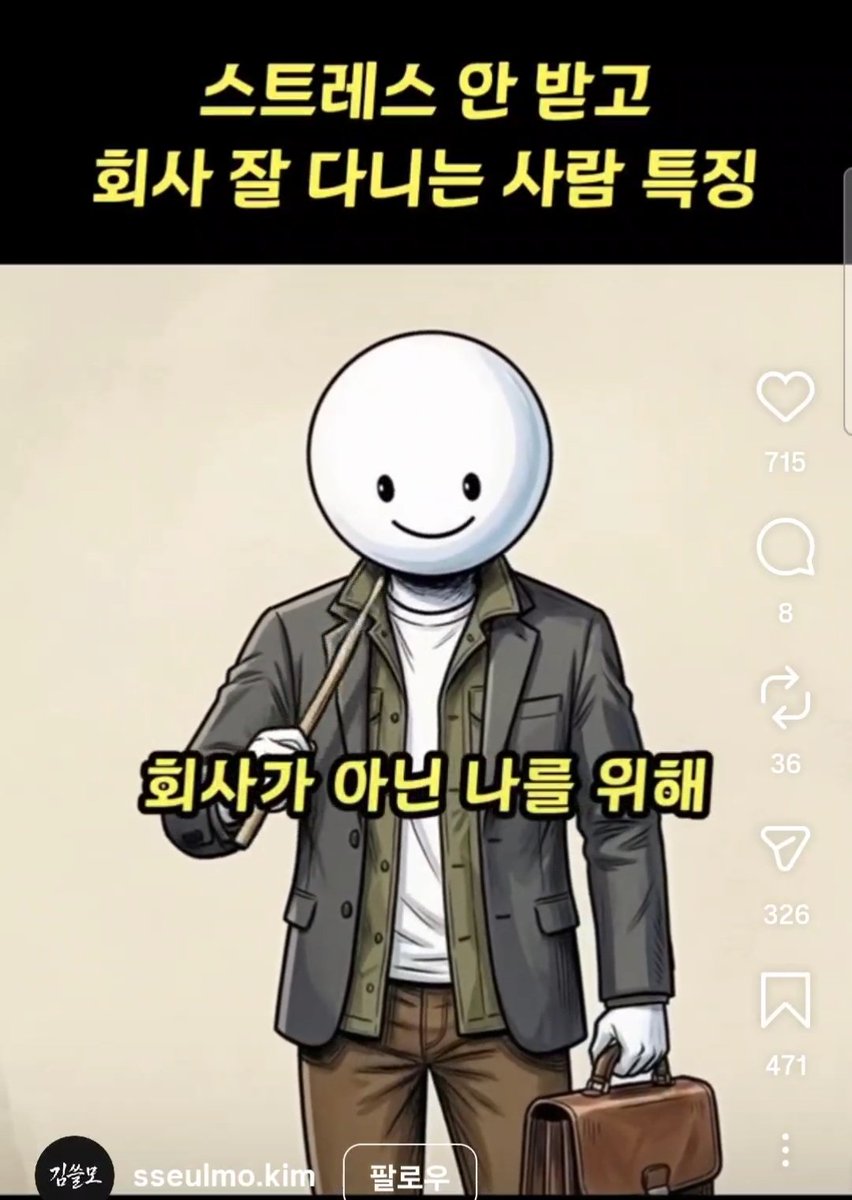
스트레스 안 받고
회사 잘 다니는 사람 특징
회사에서 스트레스 안 받는
사람들은 이렇게 합니다
첫째, 출근하면 묵묵히 일만 한다
괜히 바쁜 척 떠들고 다니지 않는다
업무 시간에 바짝 집중하고
정시에 칼퇴하는
프로다운 면모를 보여준다
둘째, 직장에서 친구 안 사귄다
회사는 일하러 가는 데지,
친목 다지러 가는 데가 아니다
셋째, 뒷말에 일희일비하지 않는다
누가 자기 말을 하든 말든
한 귀로 듣고 한 귀로 흘린다
남 뒷담화하는 사람보다
자기가 더 나은 사람인 걸 안다
넷째, 감정을 드러내지 않는다
기쁜 일은 친구한테 말하고
짜증 나는 일은 집에서
샤워와 함께 씻어내린다
회사에서 감정 기복
드러내는 건 금물!
다섯째, 회사에 인생 올인하지 않는다
진짜 스트레스 안 받으려면
내 인생과 회사 생활을 분리해야 한다
회사는 어디까지나 내 능력으로
돈을 버는 시스템일 뿐,
내 존재 의의는 아니다
물론 매일 최선은 다해야겠지만
회사가 아닌 나를 위해
하루하루를 쌓아 나가자
'일하는 나'와
'인생을 사는 나'를
분리해야 건강해진다는 사실,
꼭 기억하자!
친구네 학교 선생님.
애를 안 씻기고 안 먹이고 학교 잘 안 보내는 전형적인 방임형 보호자에게 몇 번 연락했더니 보호자기분상해죄에 당첨되어 트집잡혀 아동학대 신고 당하셨다고 함.
애가 맨날 배고프다고 그래서 몰래 불러다가 빵 사다 먹이고 이리 저리 챙기셨다던 그 샘.
인류애 파사삭.
낭만 그자체인
가수하림의 결혼식 이야기 시작합니다.
하림이랑 아내는 둘 다 '노래'를 엄청 좋아함. 신부가 클래식 전공인데, 대학 때부터 라벨의 '죽은 왕녀를 위한 파반느'를 너무 좋아해서 결혼식 때 꼭 이걸 듣고 싶어 했음. 게다가 '5월의 신부'가 꿈이라 무조건 5월이어야 했음.
근데 5월에 그 곡을 연주하는 곳 찾기가 하늘의 별 따기인 거임. 하림이 그때부터 미친 듯이 구글링하고 인스타에 SOS 쳐서 겨우 찾아낸 곳이 어디냐? 바로 폴란드 그단스크 뮤직 페스티벌임.
이게 진짜 대박인 게, 예식장 빌리고 하객 부르는 대신 그냥 공연 티켓 두 장을 끊음. 가격은 우리 돈으로 딱 2만 6천 원. 하객들한테 민폐 끼치기 싫고 축의금 주고받는 것도 '비즈니스' 같아서 싫다니까, 다행히 양가 부모님도 "너희 하고 싶은 대로 해라" 하고 쿨하게 보내주심.
결국 2019년 5월 24일, 폴란드의 한 공연장에서 둘만의 예식이 시작됨. 신부는 인터넷으로 산 드레스 입고, 하림은 평소 입던 양복 챙겨 입고 나란히 앉았음. 하객은 주변에 가득한 폴란드 관객들이 전부임.
공연 중간에 드디어 기다리던 '파반느' 차례가 옴. 지휘자가 무대 올라와서 옷매무새 다듬는 그 짧은 순간에 둘이서 몰래 결혼반지를 나눠 꼈음. 연주 시간은 딱 5분. 아내가 "너무 짧다"고 하니까 하림이 "우리 인생도 이렇게 짧지 않을까?"라고 대답함. 그 한가로운 시간 동안 하림은 오직 '결혼 생활 잘하자'는 다짐 하나만 했다고 함.
결혼식장, 드레스, 하객, 축의금... 이런 거 하나하나 다 걷어내고 나니까 결국 남은 건 오직 '두 사람'뿐이었다는 이야기임. 진짜 간지 그 자체 아님?
이거 보고 좀 소름 돋았는데, 하늘은 잘 될 사람부터 흔든다고 함
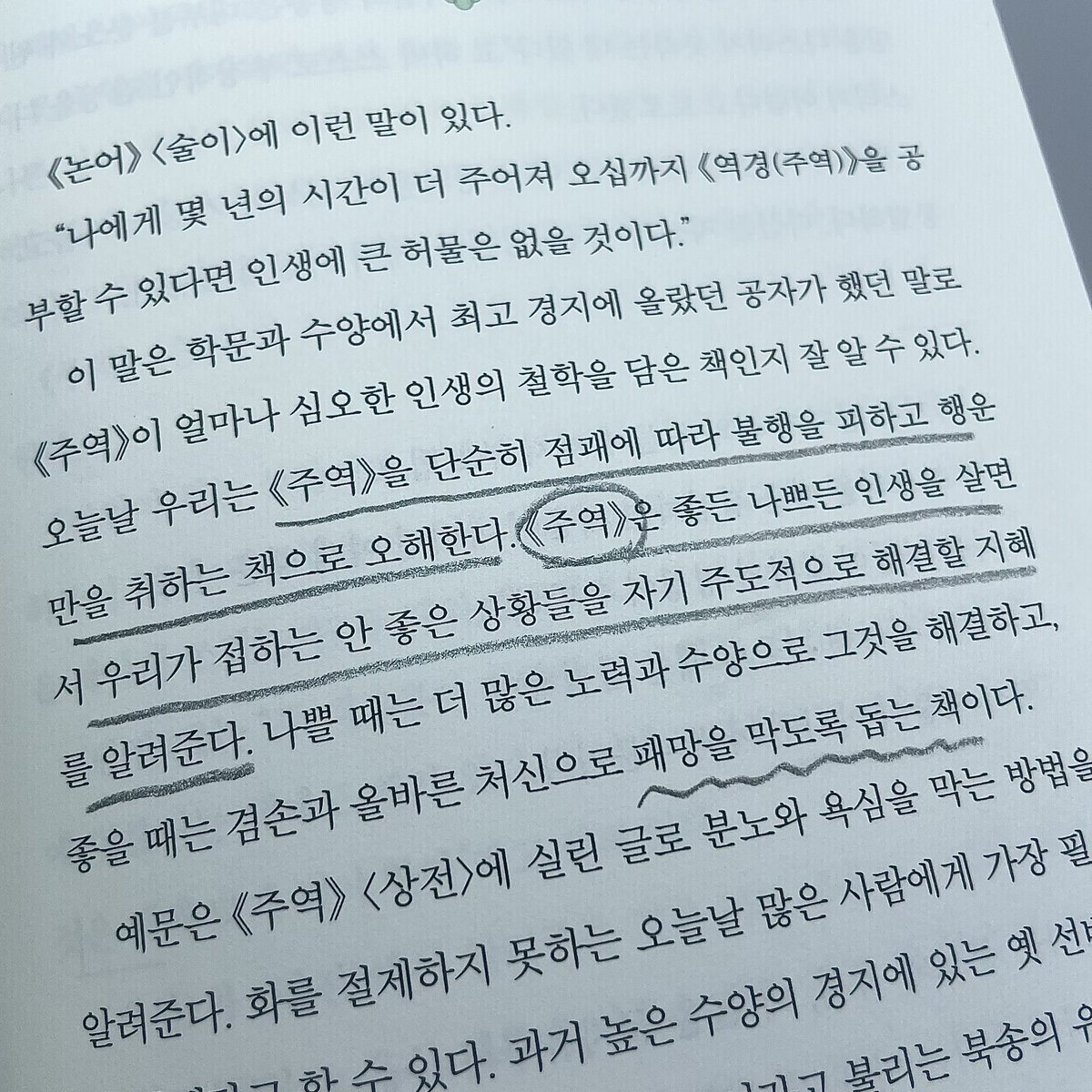
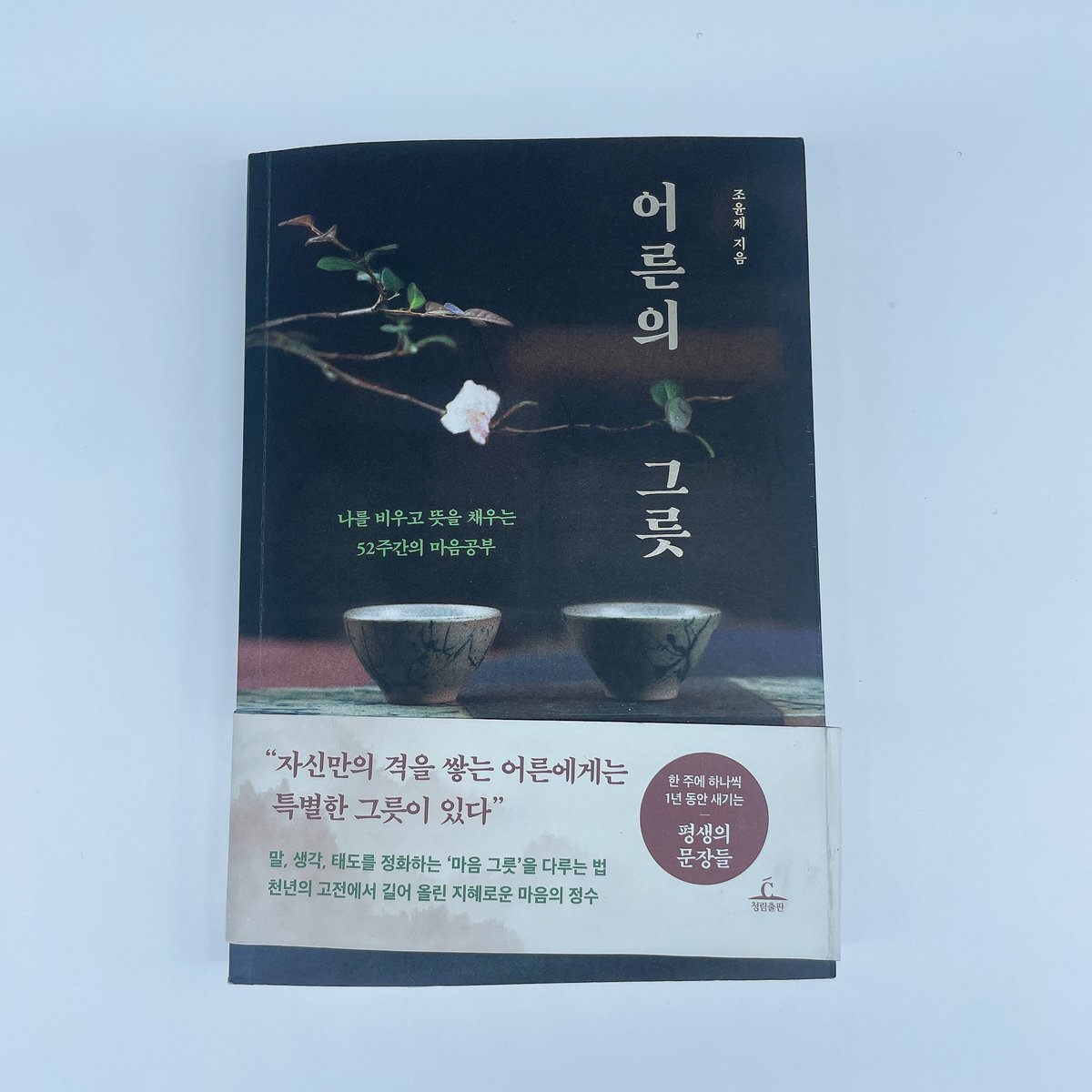
계속 일이 꼬이고 포기하고 싶었는데 공자, 맹자도 다 무너졌던 사람들(사서삼경 같은 고전들도 그때 나온 이야기이라고 함) 이상하게 내가 틀린 게 아니라는 생각이 들었음. 요즘 힘든 사람은 한 번만 읽어보세요
다시 버틸 힘 생이거 보고 좀 소름 돋았는데, 하늘은 잘 될 사람부터 흔든다고 함
계속 일이 꼬이고 포기하고 싶었는데 공자, 맹자도 다 무너졌던 사람들(사서삼경 같은 고전들도 그때 나온 이야기이라고 함) 이상하게 내가 틀린 게 아니라는 생각이 들었음. 요즘 힘든 사람은 한 번만 읽어보세요
다시 버틸 힘 생이거 보고 좀 소름 돋았는데, 하늘은 잘 될 사람부터 흔든다고 함
계속 일이 꼬이고 포기하고 싶었는데 공자, 맹자도 다 무너졌던 사람들(사서삼경 같은 고전들도 그때 나온 이야기이라고 함) 이상하게 내가 틀린 게 아니라는 생각이 들었음. 요즘 힘든 사람은 한 번만 읽어보세요
다시 버틸 힘 생이거 보고 좀 소름 돋았는데, 하늘은 잘 될 사람부터 흔든다고 함
계속 일이 꼬이고 포기하고 싶었는데 공자, 맹자도 다 무너졌던 사람들(사서삼경 같은 고전들도 그때 나온 이야기이라고 함) 이상하게 내가 틀린 게 아니라는 생각이 들었음. 요즘 힘든 사람은 한 번만 읽어보세요
다시 버틸 힘 생김
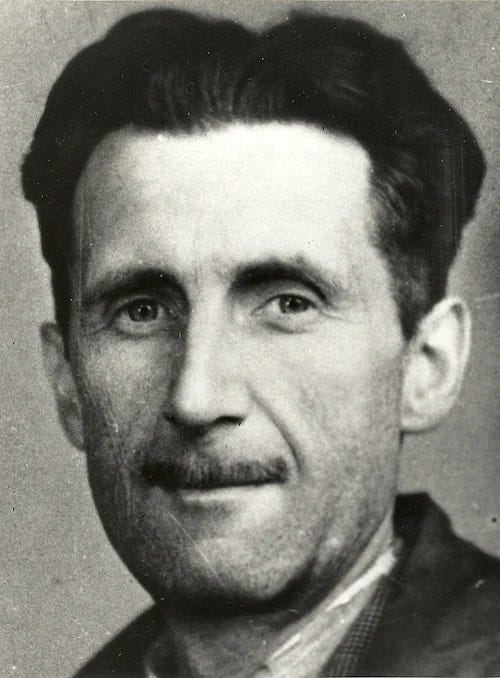
In 1928, George Orwell went to Paris because he wanted to see what it was like to be poor.
He rented a cheap room, ran out of money faster than expected, and ended up washing dishes in hotel kitchens for twelve to fourteen hours a day.
The work was brutal in a boring way. Hot steam, greasy plates, shouting chefs, no breaks. You stood until your legs stopped working. When the shift ended, there was just enough time to eat badly and sleep before doing it again.
When he got sick, no one helped much. You missed a shift, you lost the job.
Later, in England, he lived among tramps and slept in shelters because he had nowhere else to go. He kept notes the whole time…
He turned the experience into Down and Out in Paris and London. The book shows what happens when life becomes logistical and dignity turns into something you can’t afford.
That period stayed with him. Long after he became famous, his writing never forgot how fragile comfort is, or how fast a person can slide from being someone to being invisible.