Today, we honor the service, sacrifice, and commitment of those who have contributed so greatly to our Navy, our armed services, and our nation. #VeteransDay
On this Veteran's Day I salute WW11 veteran War Hero Herb Shook!🎖🇺🇸🎖
Herb fought the Battle of Normandy beach On June 6, 1944,May God bless him and his family!! 👏🇺🇸👏
Today, we #HONOR all our nation’s Veterans. As we build the Museum, we are not only creating a #vaultofvalor for our nation’s #MedalofHonor heroes, but we are capturing the great American spirit embodied by ALL who have served. Today, and every day, we say thank you! #VeteransDay
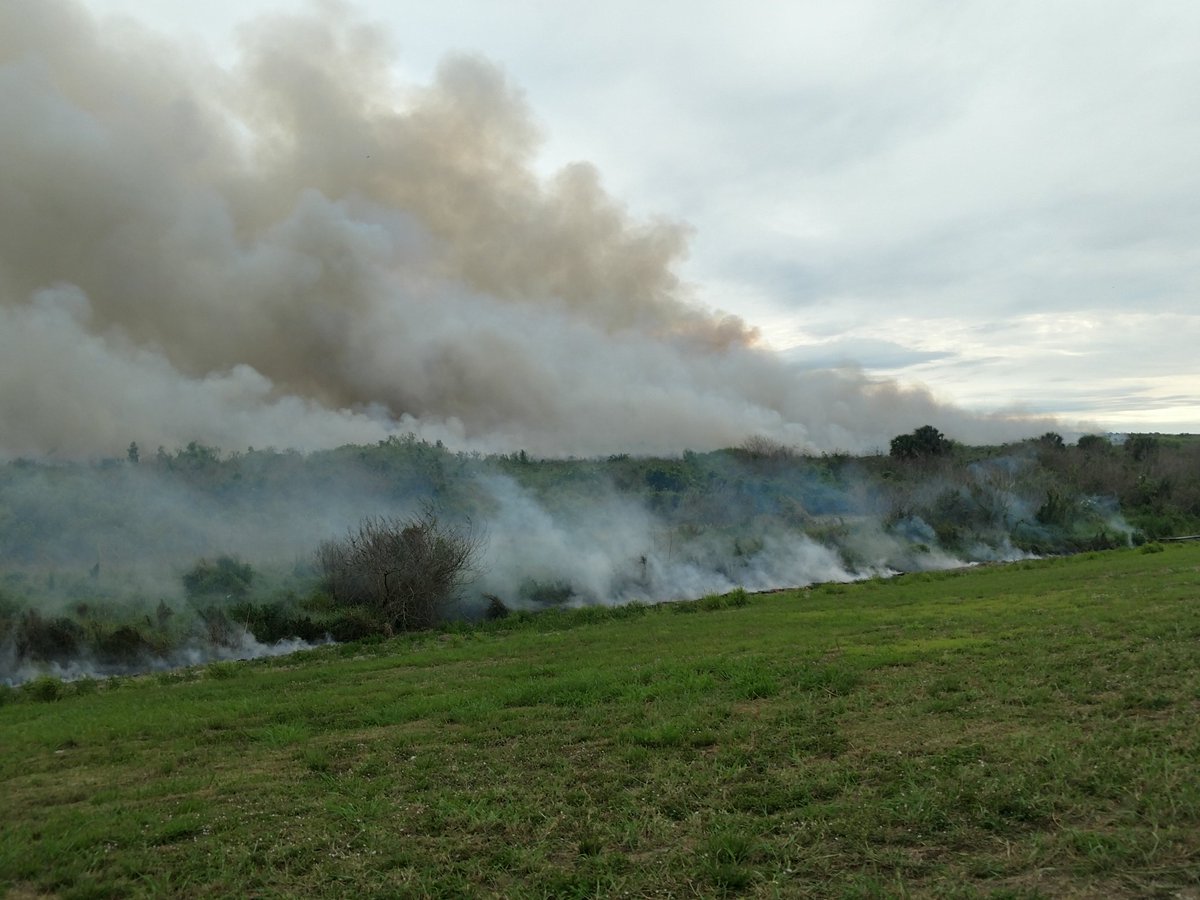
Sugar may be sweet, but its production can be problematic, especially in Central Florida, where cane fields are traditionally burned before harvest to make the processing simpler & cheaper. Learn about the public health & environmental issues that result: https://t.co/u7IPyb54Fj
Farmers in Florida are now battling Hurricane Nicole. It washed ashore in the central part of the state. The storm was expected to stay north of the sugar cane areas where the harvest is underway. #AgTwitter#HurricaneNicole
Florida’s sugar cane farmers are being asked to consider not setting fire to their fields prior to harvest.
The age-old practice produces smoke that is a nuisance and potential health risk for nearby poor communities. https://t.co/MeSRw8fqry
Most cane sugar in the US comes from Florida, where farmers burn cane fields each harvest season, sending potentially dangerous smoke & ash into surrounding areas. Residents say it makes them ill.
Does it have to be that way?
@ProPublica + @nadiasussman
https://t.co/iLYVilN6Ao
For residents of the Glades, a string of poor, predominantly African American rural towns dotting the southern shore of Florida's Lake Okeechobee, the beginning of the annual sugar cane harvest in October means the arrival of "black snow." https://t.co/TFLAPx6JLg
@mjmishak@chrishendel@propublica@pbpost@SH_Awards Australia which produces 35 million tons of sugar compared to the USA 30 million tons and has similar high wages manages to harvest 80% of its cane green. No excuse Florida.
For generations, Florida’s sugarcane farmers have legally set fire to their fields prior to the harvest, leaving only the cane. https://t.co/0fhdaHA9wh
@POTUS Mr President, what will you do about the thousands of Americans that inhale soot and ash from the yearly Sugar Cane harvest, in South Florida. Our children have higher rates of respiratory afflictions, than anywhere else. Yet Big Sugar continues to use outdated methods?
LISTEN: Florida harvests more than half of America’s sugar cane, but burning the fields during the 6-month harvest season creates pollution and health problems for the surrounding communities. https://t.co/0g740vM4aR
During the winter-to-spring harvest, ash blankets this low-income, mostly Black and Hispanic community. Locals call it “black snow.”
For years, the state and federal framework for measuring air quality has failed to capture the impact of sugar cane burning.
Black snow🧵To harvest over half of America’s cane sugar, multibillion-dollar companies set fire to fields in Florida. For years residents have wondered: Is the air safe to breathe? @luluramadan spent a year investigating
This is the real cost of sugar…
https://t.co/GHVTCgjAcl