P.S. We are fully aware of the limitations of our overexpression approach and have always designed our experiments in a way that they are tightly-controlled. Nevertheless, we think these mechanisms can enrich our understanding of how the circadian repressive phase is organized.⏰
1/9 Our publication is now out on eLife! In this study, we became interested in how the circadian repressive phase is organized in circadian time and subcellular space, focusing on the main mammalian circadian repressors: PER2, CRY1, and CK1delta (CK1d). https://t.co/0wX53X56cY
9/9 Finally, we saw that only the nuclear pool of CK1d could affect circadian period (cytoplasmic pool having no effect) suggesting that this phosphorylation-mediated disruption of PER2-CRY1 interaction may serve as a transition from the early to the late repressive phase.
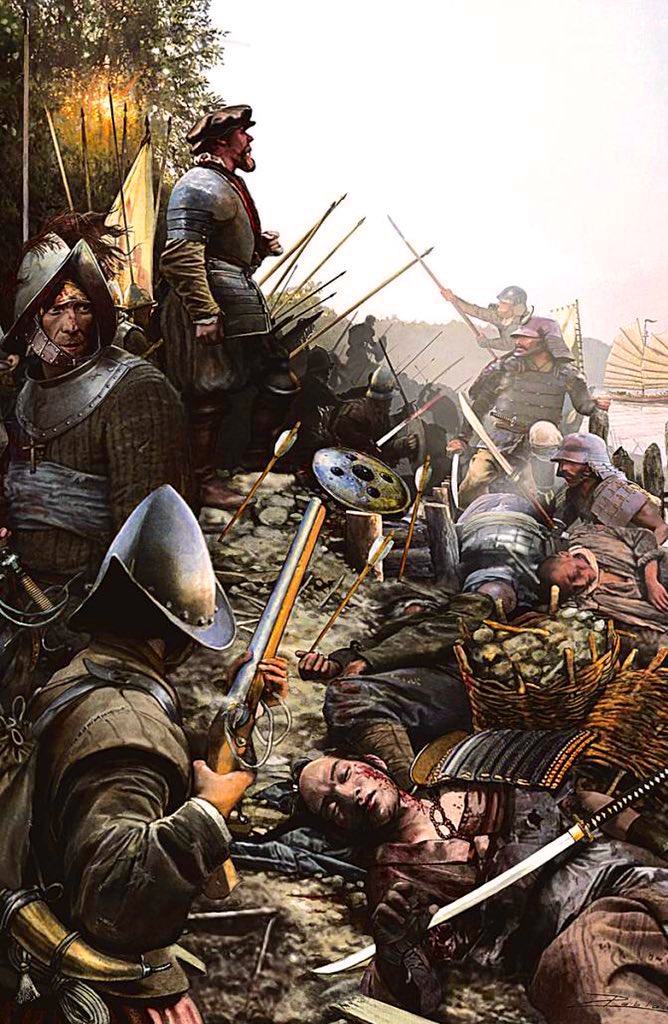
Sometimes I think I have a good grasp on some period of history and then I run into a ridiculous piece of information that destroys my entire framing.
For example, Aztecs, samurai, Ottomans, and Spaniards shared the same battlefield… in the Philippines.
A rallying cry from @MarthaMerrow to chronobiologists worldwide - going further with our new knowledge of properties of circadian clocks to move into practical applications. Read more on #sciencesunday@PlosBiology:
https://t.co/H8GN8Tkmqt
1/12 Here is our very useful series of cards, we handed out to people at @StanChart - everyone was very keen to collect all 12 . We're looking forward to hearing which one was the most useful #ClimateAction
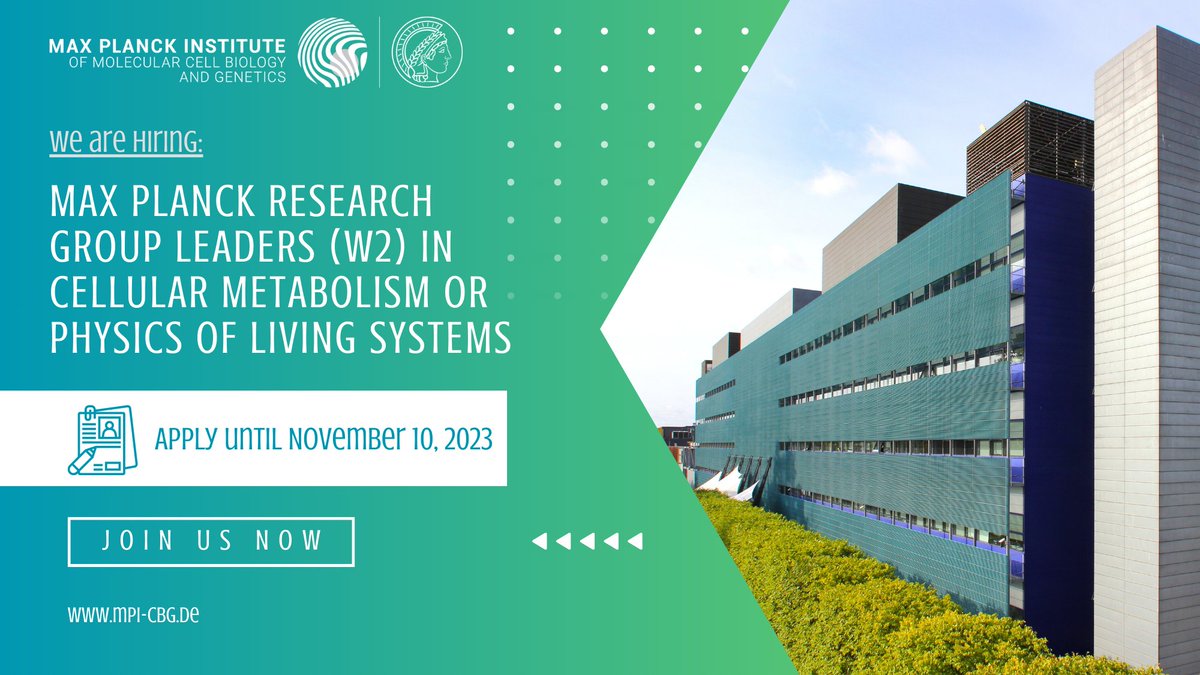
We are inviting applications to establish two Research Groups as Max Planck Research Group Leaders (W2) in Cellular Metabolism or Physics of Living Systems. Please apply until November 10th and become part of our community! https://t.co/jh6UrtlefE