📜 Today in History October 8, 1769
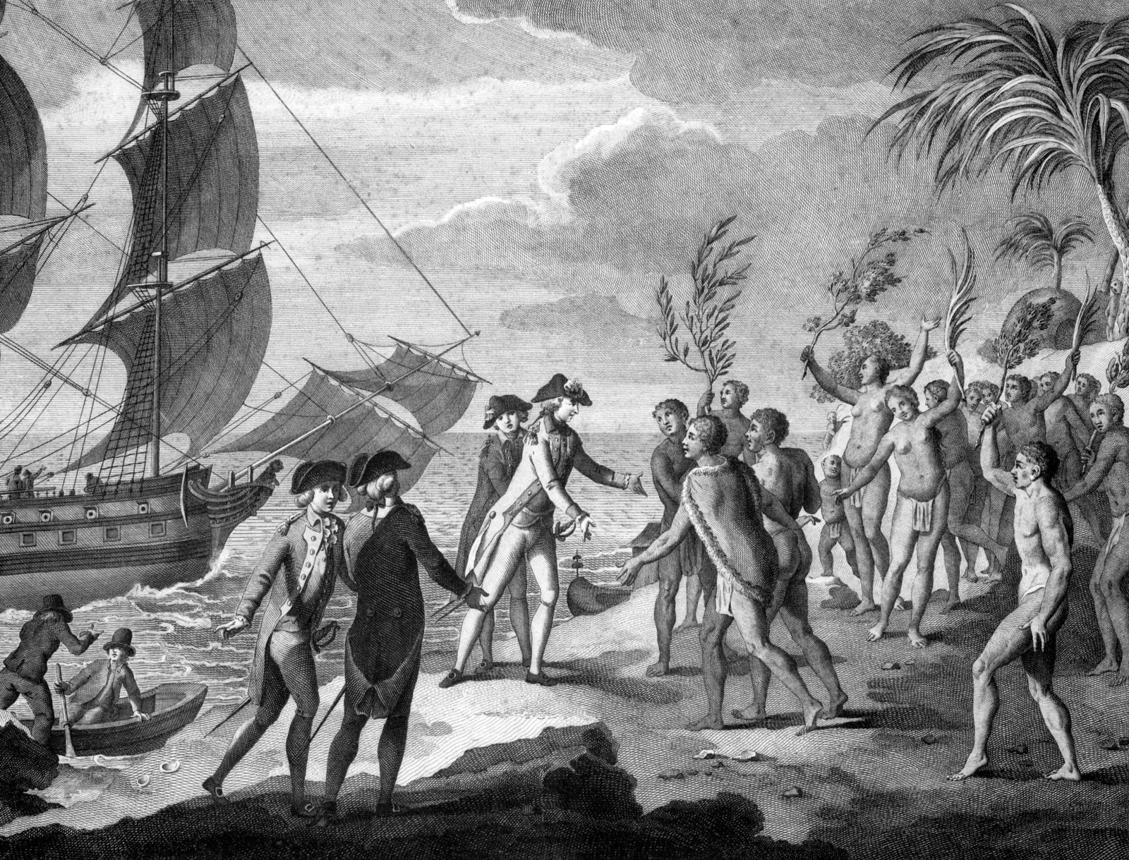
James Cook and the crew of HMS Endeavour reached Aotearoa New Zealand, landing near present-day Gisborne. Their first encounters with local Māori quickly turned violent, and Cook’s men killed several Māori, including the leader Te Maro.
It was the beginning of a complicated and often tragic chapter in New Zealand’s history.
18th century engraving depicting Cook's arrival and encounter with Māori at Poverty Bay in 1769. It was produced after the voyage, based on drawings and accounts from members of Cook's expedition
The creators of a powerful way to control brain cells with light, which has clarified nerve circuits in healthy and diseased brains, have been honored with this year’s #NobelPrize in Physiology or Medicine.
Learn more: https://t.co/7qfadR27gh
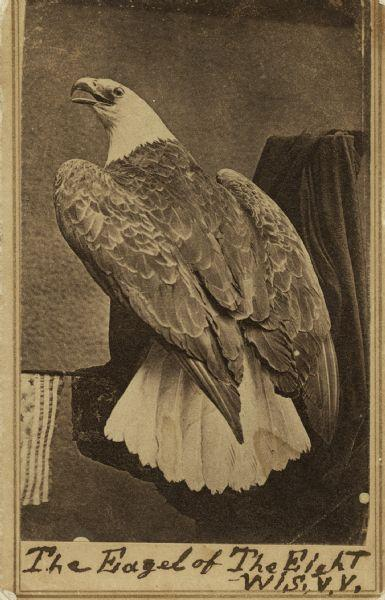
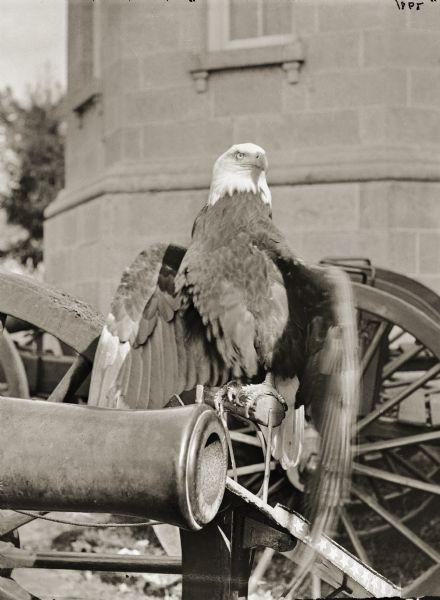
🦅 Meet Old Abe the Civil War’s most unusual soldier.
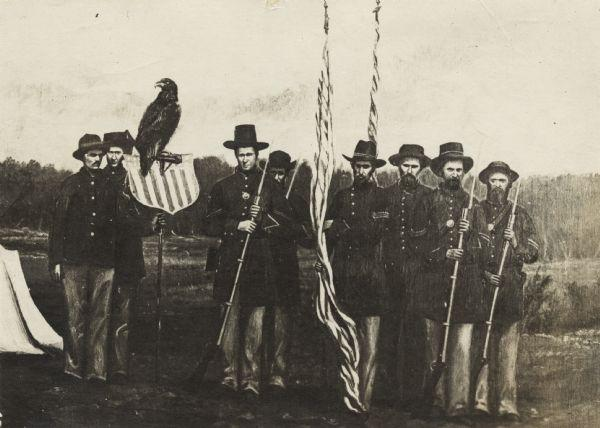
During the Civil War, Wisconsin’s 8th Infantry Regiment had a very unusual mascot: a live bald eagle named Old Abe.
He marched with the soldiers, appeared at military ceremonies, and even accompanied the regiment into battle.
Old Abe became so famous that Confederate soldiers reportedly nicknamed Wisconsin’s troops the “Eagle Brigade.”
Imagine looking across the battlefield and realizing the enemy regiment has brought an actual bald eagle with them.” 😂🦅🇺🇸
Old Abe survived the war and became a beloved Wisconsin legend.
The man who fell 22,000 feet
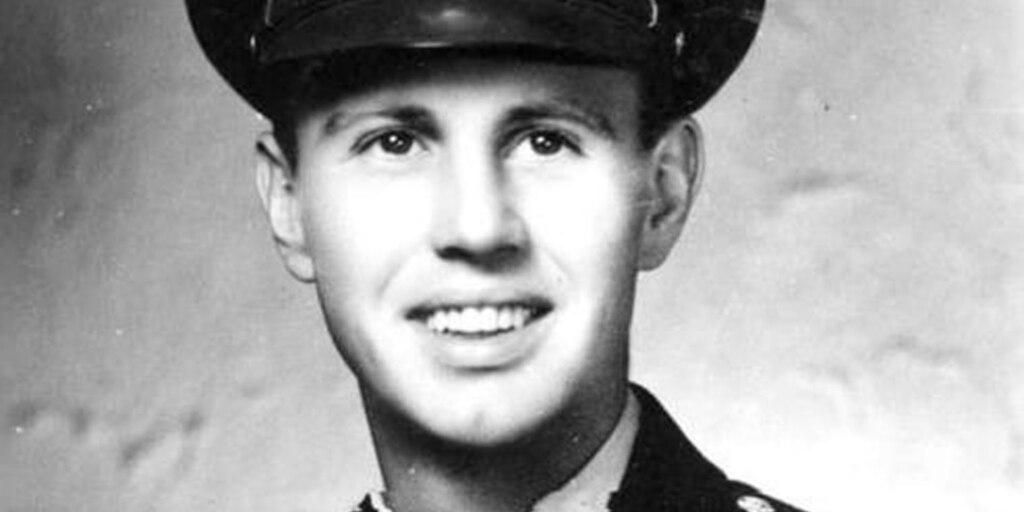
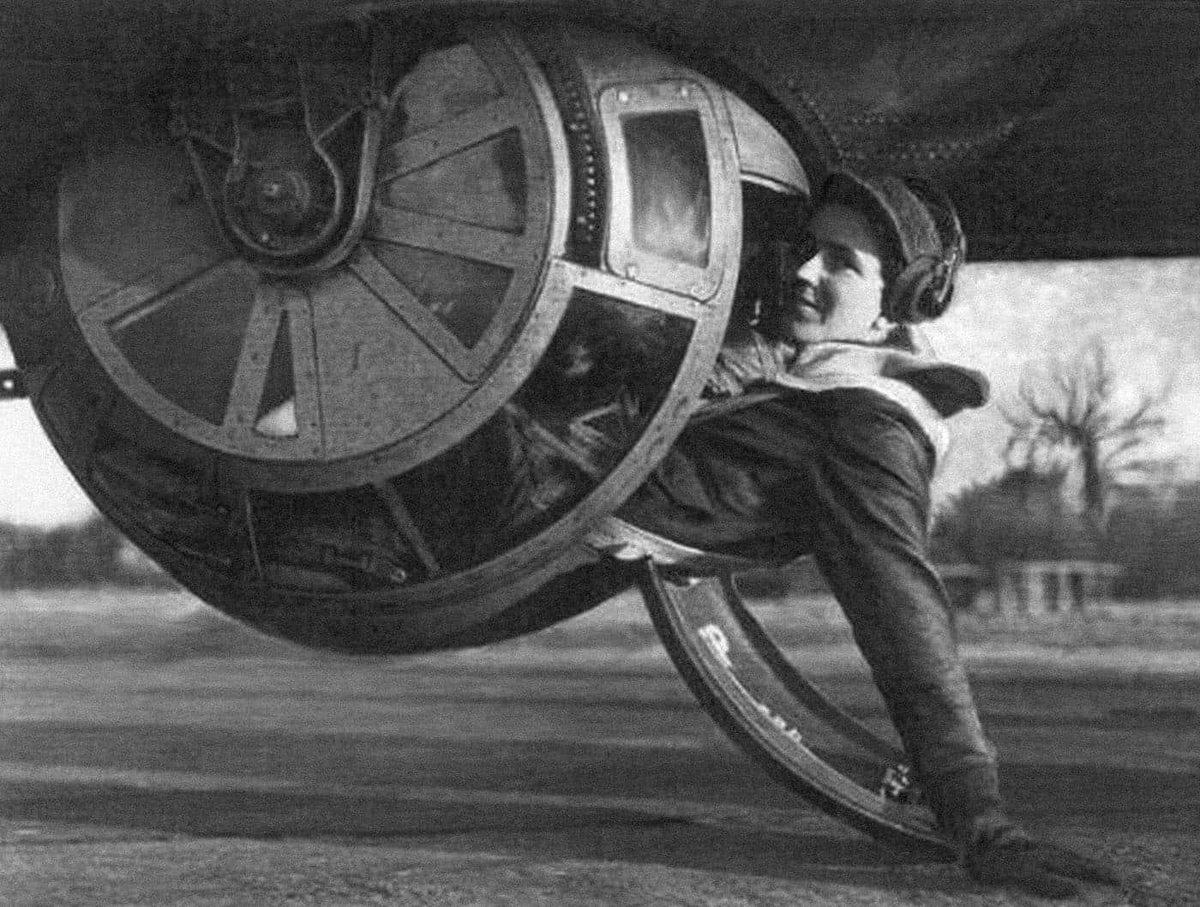
In 1943, American airman Alan Magee fell from a B-17 bomber over France without a parachute.
He plunged roughly 22,000 feet toward the ground—but somehow survived after crashing through the glass roof of a railway station.
Badly injured, Magee was captured by German soldiers. A German doctor treated him and saved his life.
He survived the war, later earned his pilot’s license, and lived until 2003.
He was 84.
He fell from the sky with no parachute and lived for another 60 years. ✈️😳
🇦🇺 The Great Emu War 1932
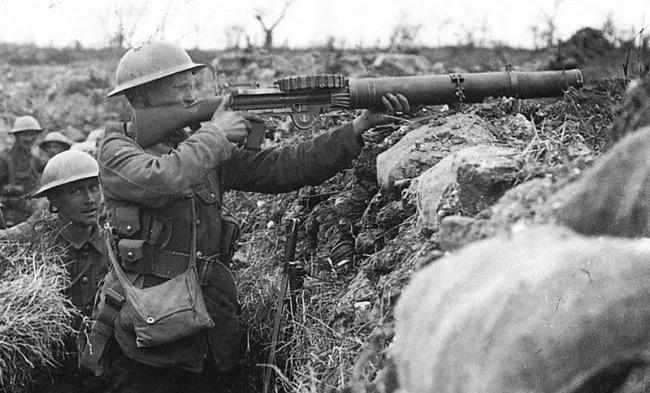
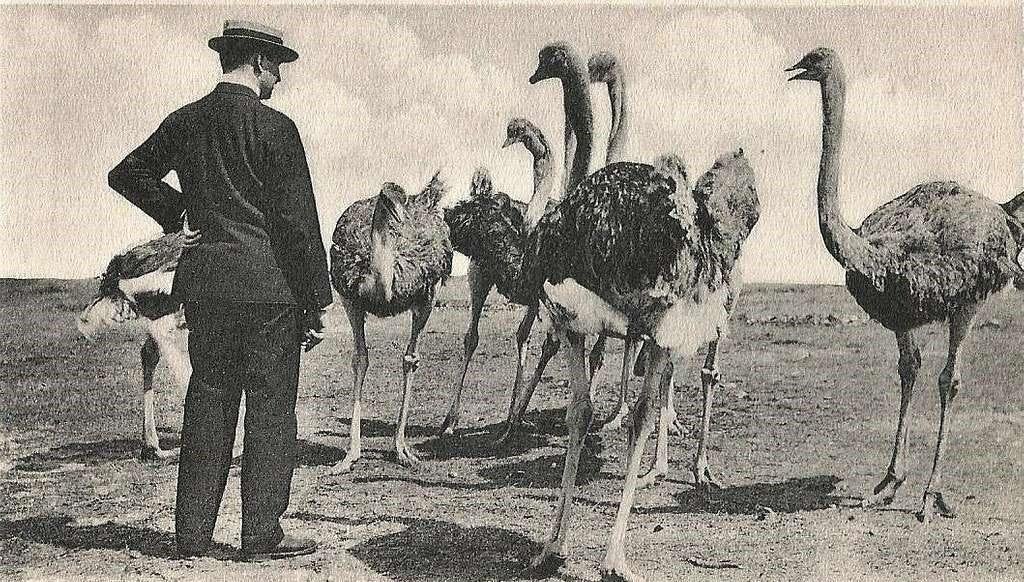
When thousands of emus invaded Australian farmland and destroyed crops, the government sent soldiers armed with Lewis machine guns to stop them.
The plan didn't go well. The fast, surprisingly resilient emus scattered, escaped, and proved incredibly difficult to hit.
The soldiers eventually withdrew.
Australia lost the war to the emus. 🐦😂
On this day in 1923, the first section of the Appalachian Trail opened in New York. In "The Printed Walk," artist Lindsay Schmittle transforms her 2,180-mile journey along the trail into a striking artist’s book. Explore it with Library Rare Book curator Ashley Young.
https://t.co/PuOjKiG1hn
@sumsajdpr@CIA He had already become an American war hero. He felt badly underappreciated, became bitter, and eventually decided to secretly sell out West Point to the British.
1984.
Hair Love.
Fahrenheit 451.
The Walking Dead.
These are just some of the books Republicans want to ban nationwide.
Illinois was the first state in the country to ban book bans, but we know our work is far from over.
On this day in 1777, Benedict Arnold led Continental Army troops to victory at Saratoga. Two years later, he became our Nation’s most notorious turncoat. Learn more about the man, his spy tradecraft, and how America's quest for freedom was nearly lost:
https://t.co/VksaSADZHs
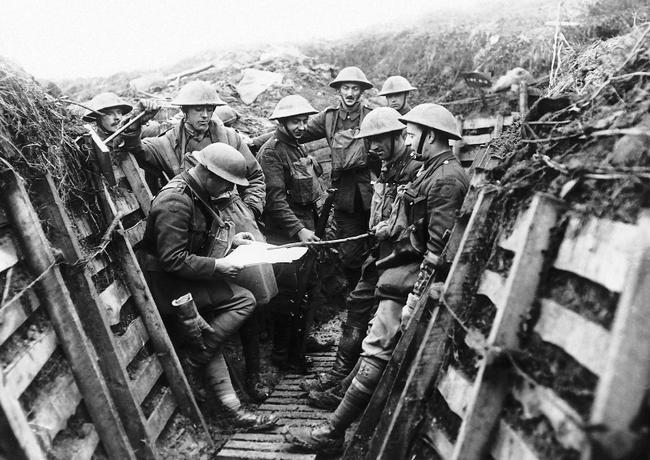
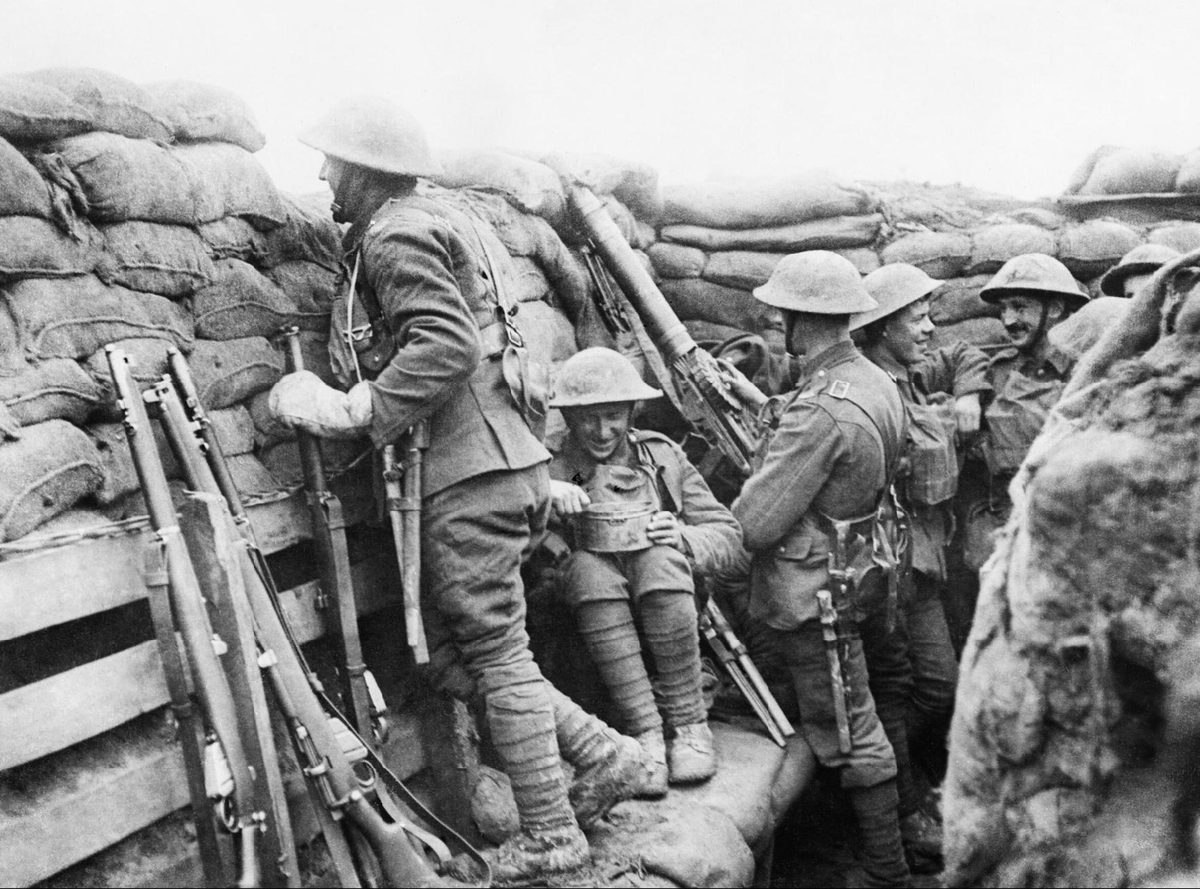
📸 A moment from the trenches of World War I, c. 1917.
For years, millions of soldiers lived in trenches stretching across the Western Front.
Mud, rats, disease, artillery, and the constant threat of death became part of everyday life.
Behind every photograph like this were ordinary people caught inside an extraordinary war.
More than a century later, their faces are still looking back at us.
#History #WWI #WorldWarI #HistoricalPhotography
Kenso Soai, awarded the 2026 #NobelPrize in Chemistry, was born in 1950 in Hiroshima, Japan.
He earned his PhD in 1979 from the University of Tokyo, Japan. He is professor emeritus at Tokyo University of Science, @TUS_PR, Japan.
The Man Who Became Pope Three Times
Benedict IX is one of the strangest figures in medieval Church history. Born Theophylact of Tusculum, he came from a powerful Roman family and became pope while still remarkably young, around 1032.
His first reign was controversial and marked by political struggles in Rome. In 1045, Benedict left the papacy according to contemporary accounts, he resigned in exchange for money, selling the position to his godfather, who became Pope Gregory VI.
But Benedict soon changed his mind. He returned to Rome and claimed the papacy again, creating a bitter dispute between competing popes. In 1046, the German king Henry III intervened, and Benedict was removed.
Remarkably, Benedict returned once more in 1047, becoming pope for a third time. His final reign ended in 1048, when he was forced out again.
Benedict IX's story is remembered as one of the most chaotic episodes in the history of the papacy. He remains the only person known to have been pope three separate times.
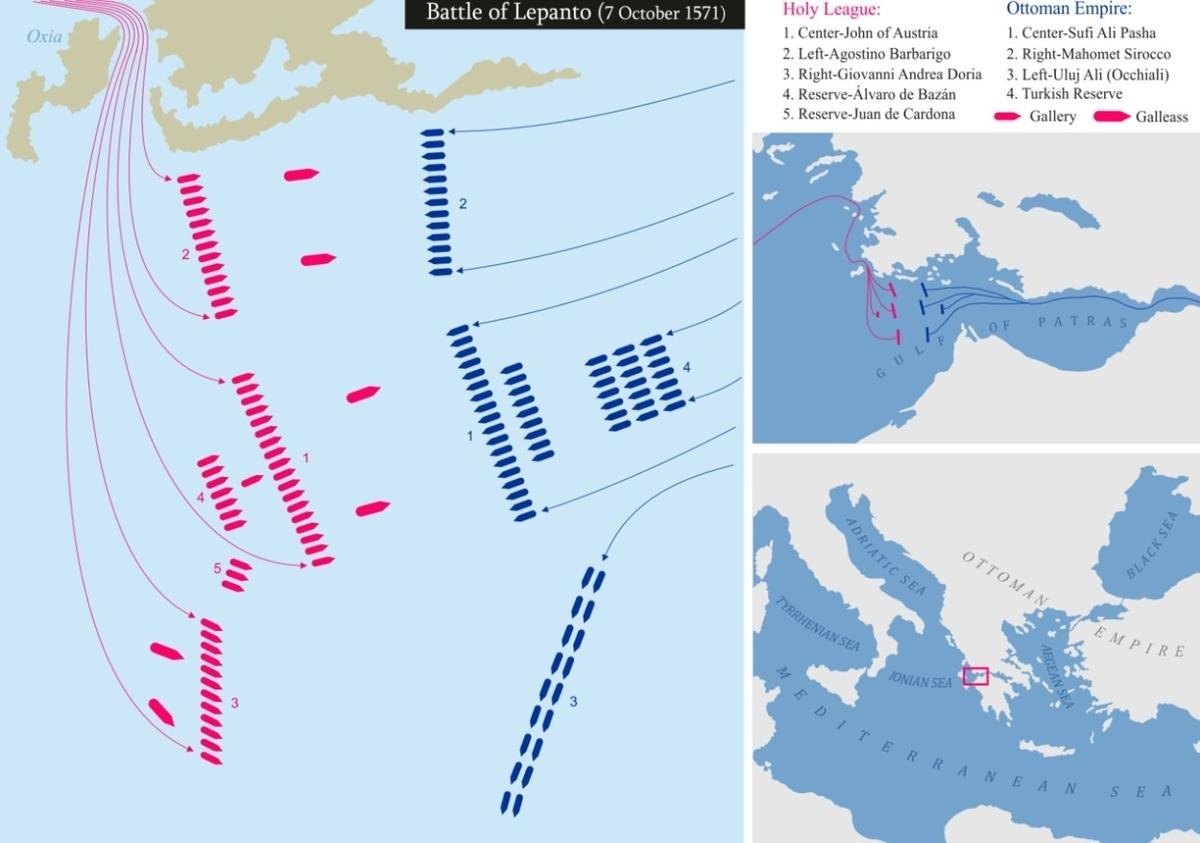
Today in history: ⚔️Battle of Lepanto
October 7, 1571
The Holy League defeated the powerful Ottoman fleet in a major naval battle off the coast of western Greece. Commanded by Don John of Austria, the Christian fleet captured or destroyed many Ottoman ships and killed thousands of sailors.
The victory shattered the Ottoman navy’s reputation for invincibility and became one of the most famous naval battles in history.
🌍 Today in History October 6, 2007
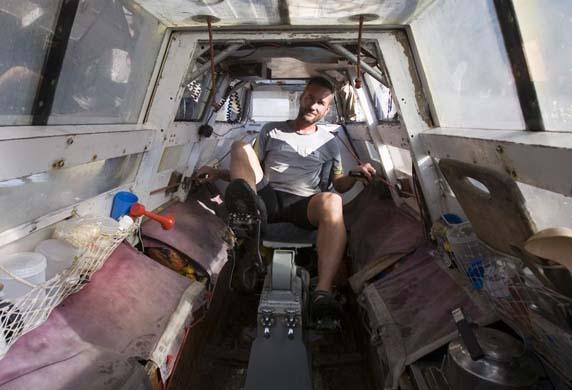
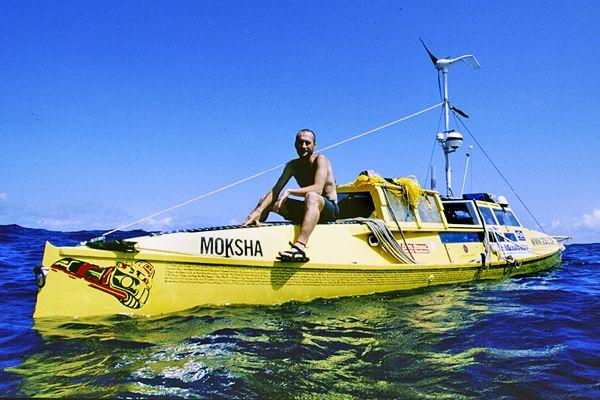
Jason Lewis made history on this day in 2007 when he completed the first human powered circumnavigation of the globe.
After setting out from Greenwich, England, in 1994, Lewis spent 13 years traveling more than 46,000 miles across five continents and two oceans using a bicycle, inline skates, kayak, rowing and a specially built pedal-powered boat called Moksha.
His journey included serious injuries, illnesses, storms, a crocodile attack and countless other challenges, but he refused to give up.
On October 6, 2007, Lewis finally returned to Greenwich, completing an extraordinary journey around the world without relying on engines or sails.
🚲🌊 13 years. 46,000+ miles. One incredible human-powered journey.
Today, we remember Jason Lewis and the determination it took to pedal, row, skate and crawl his way around the planet. 🌎
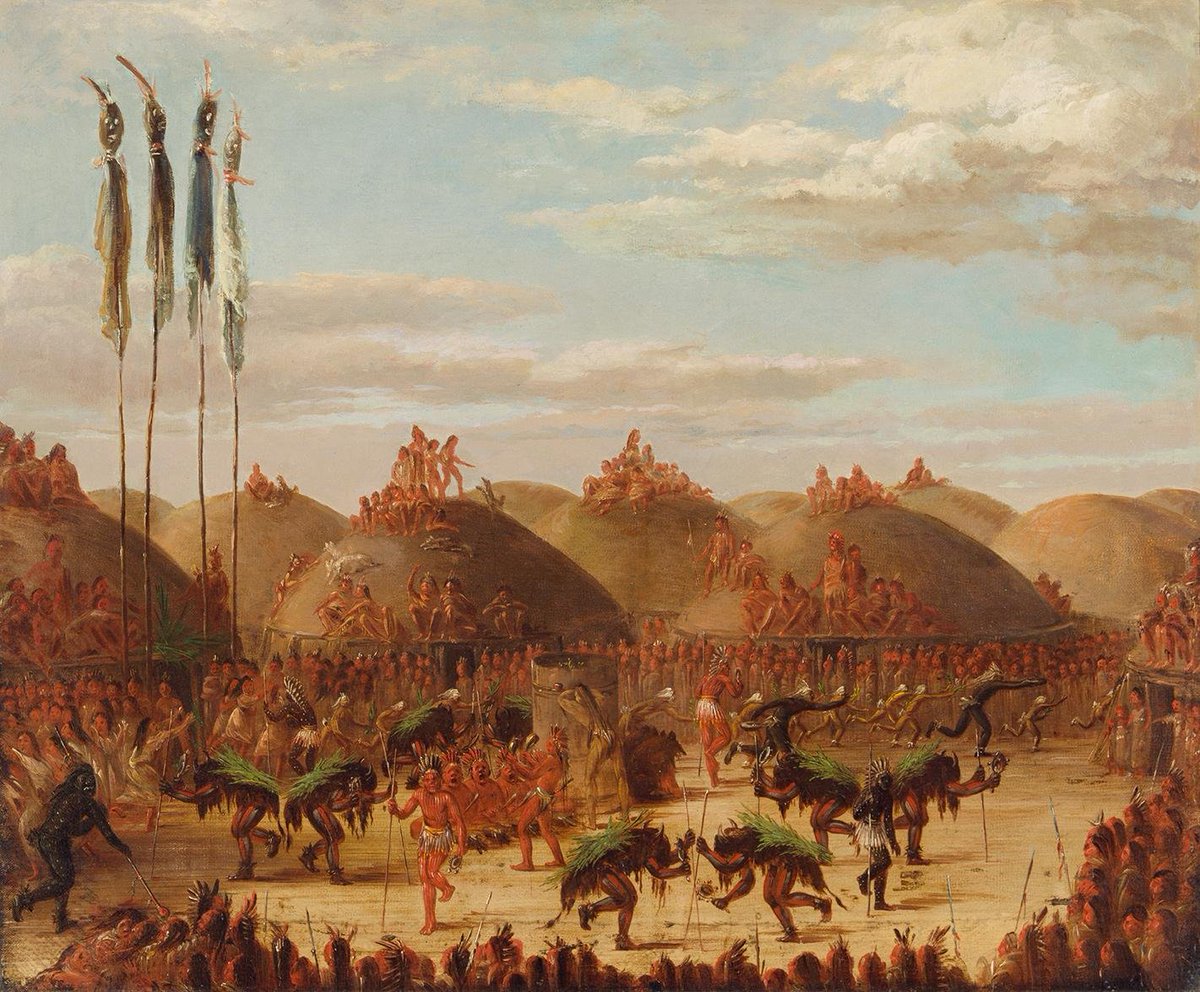
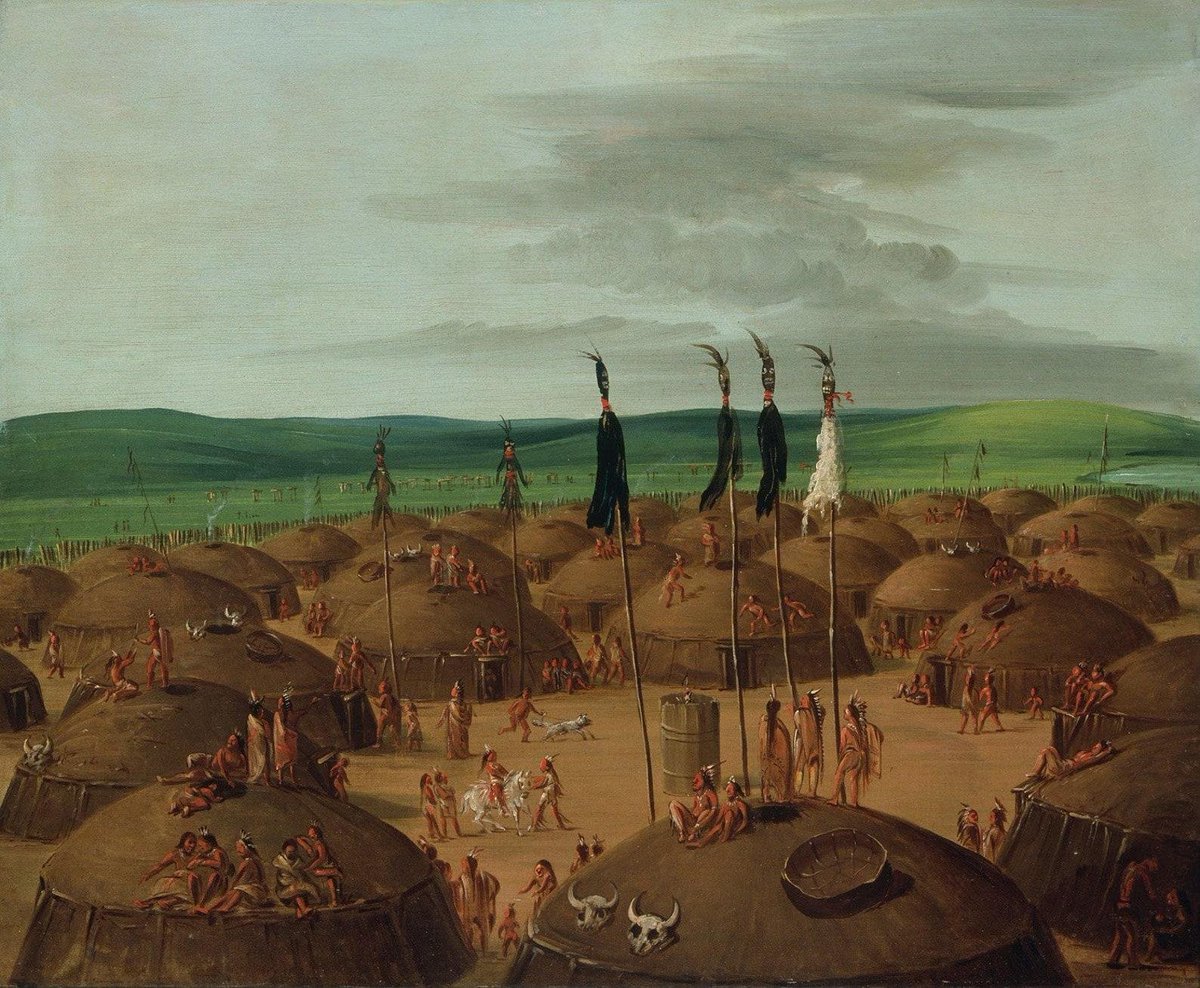
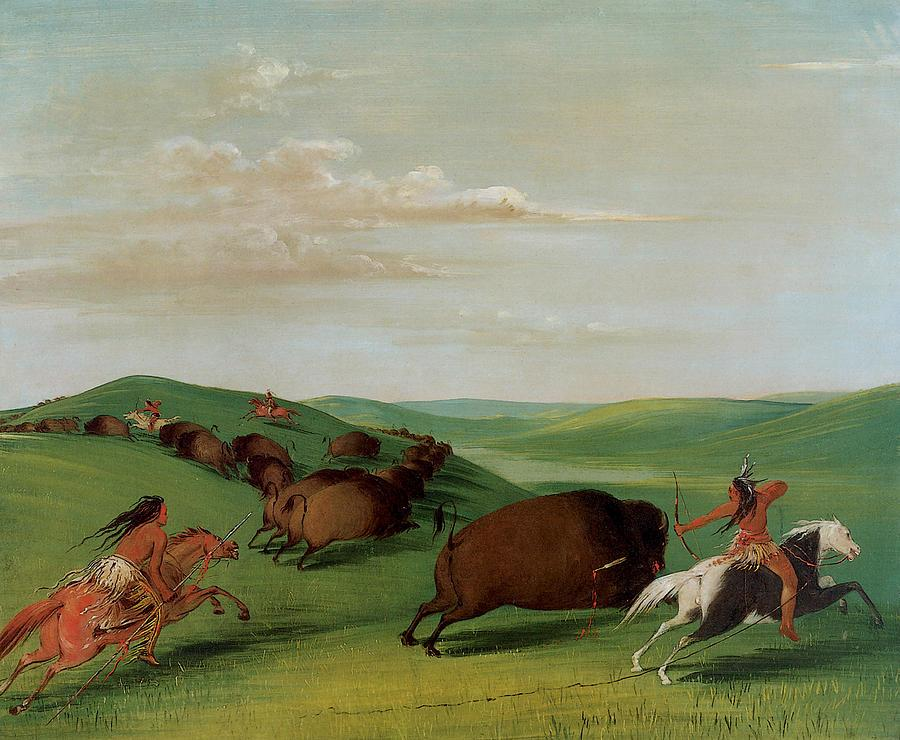
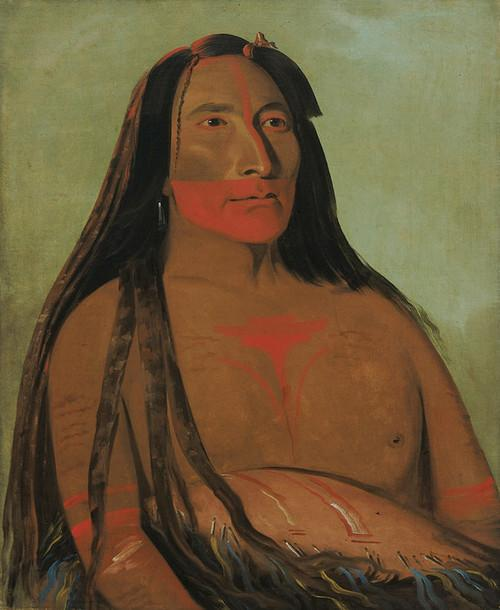
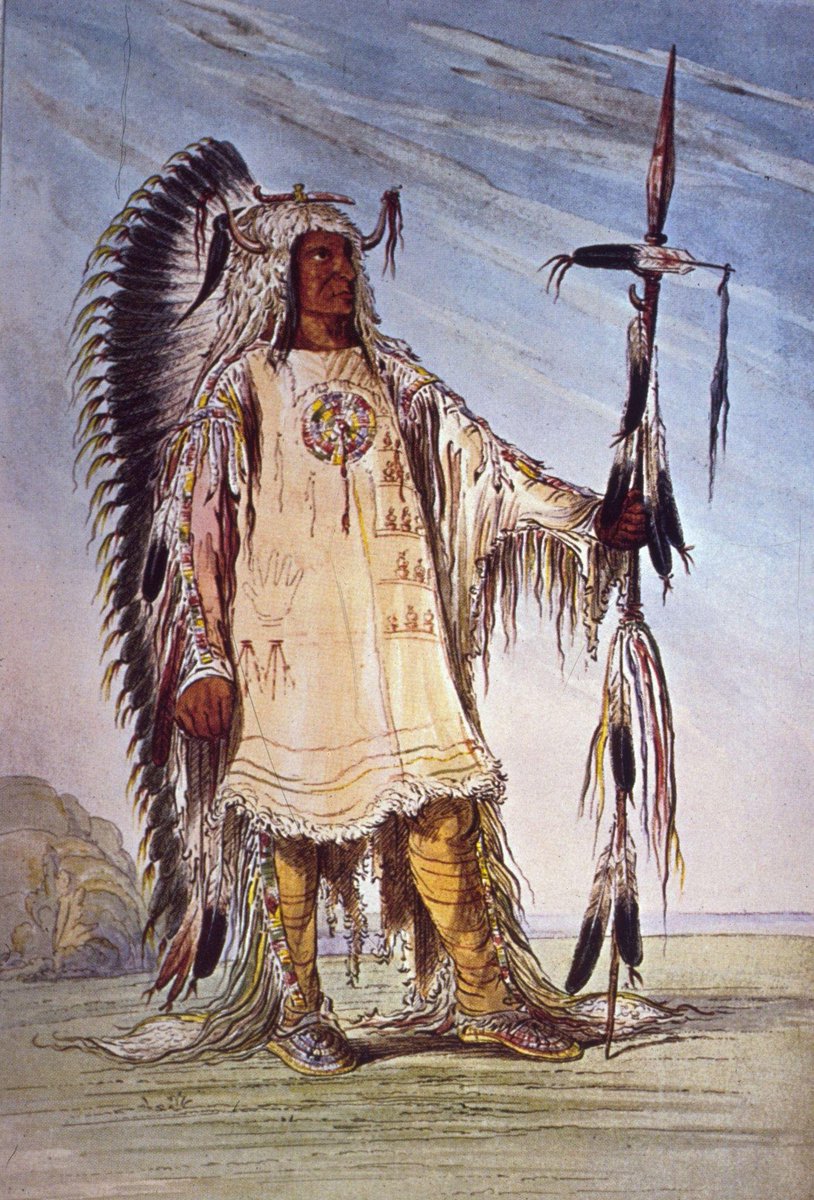
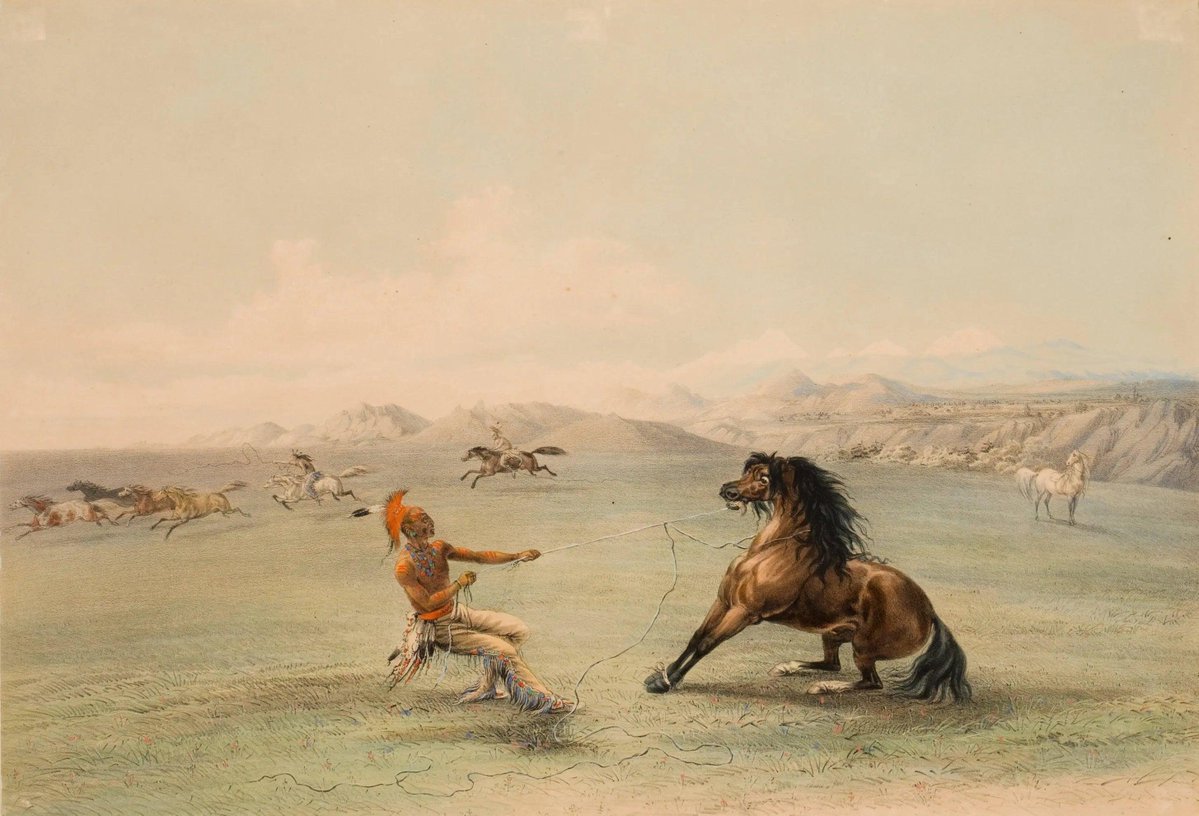
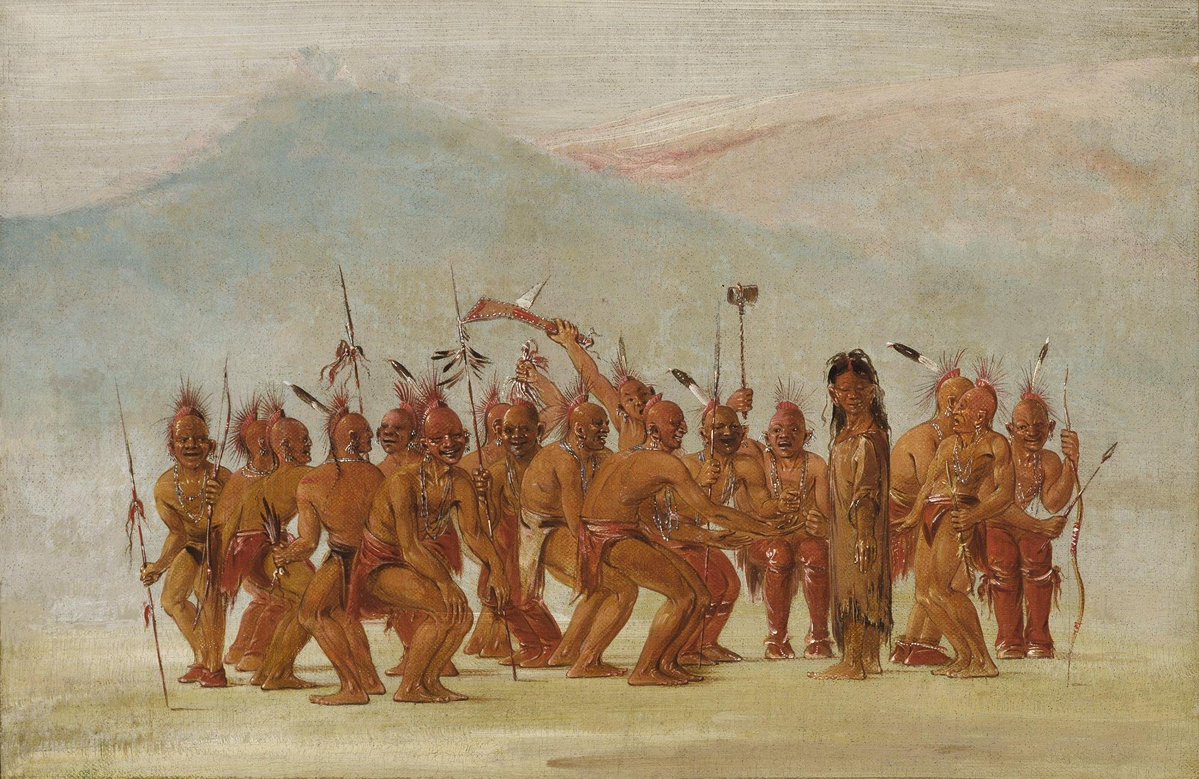
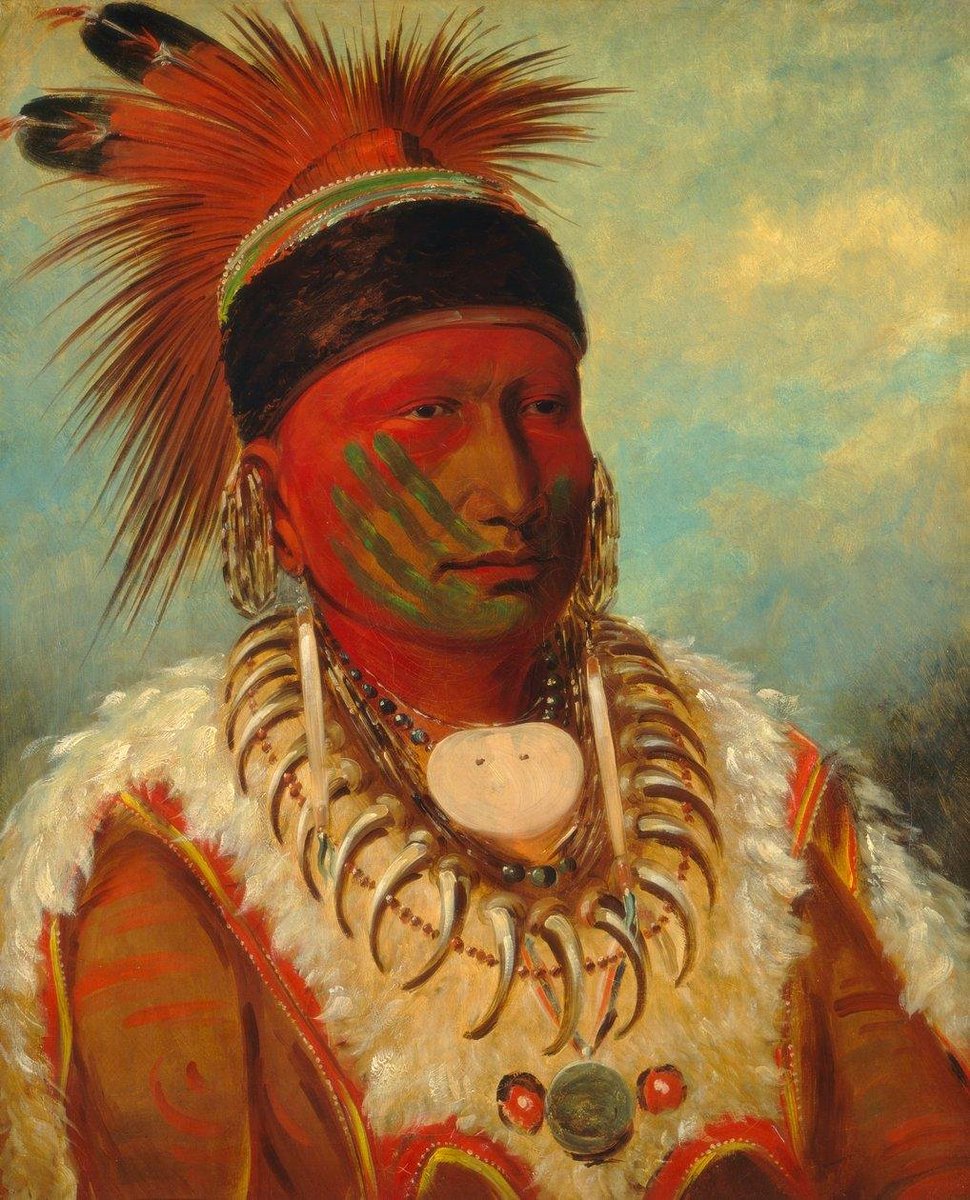
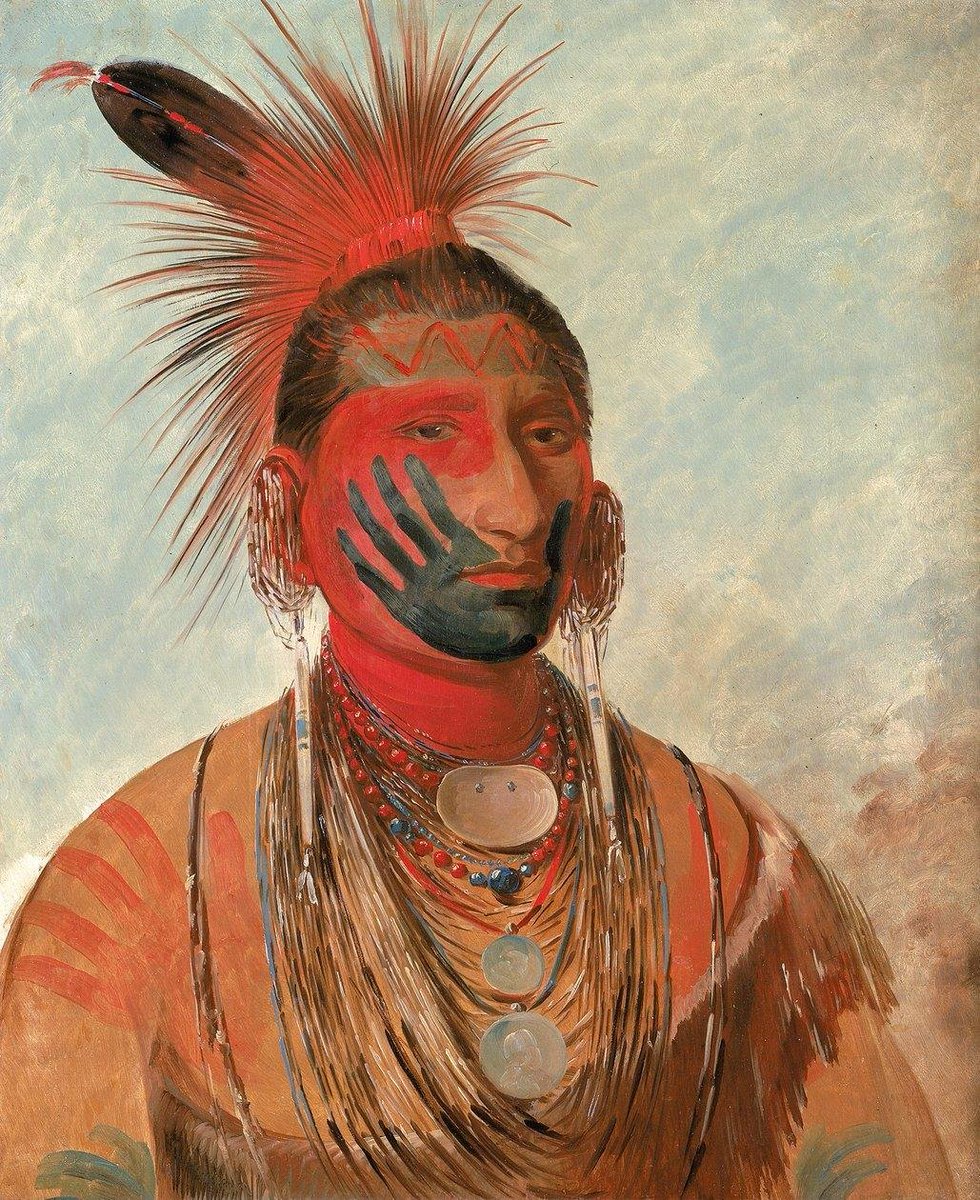
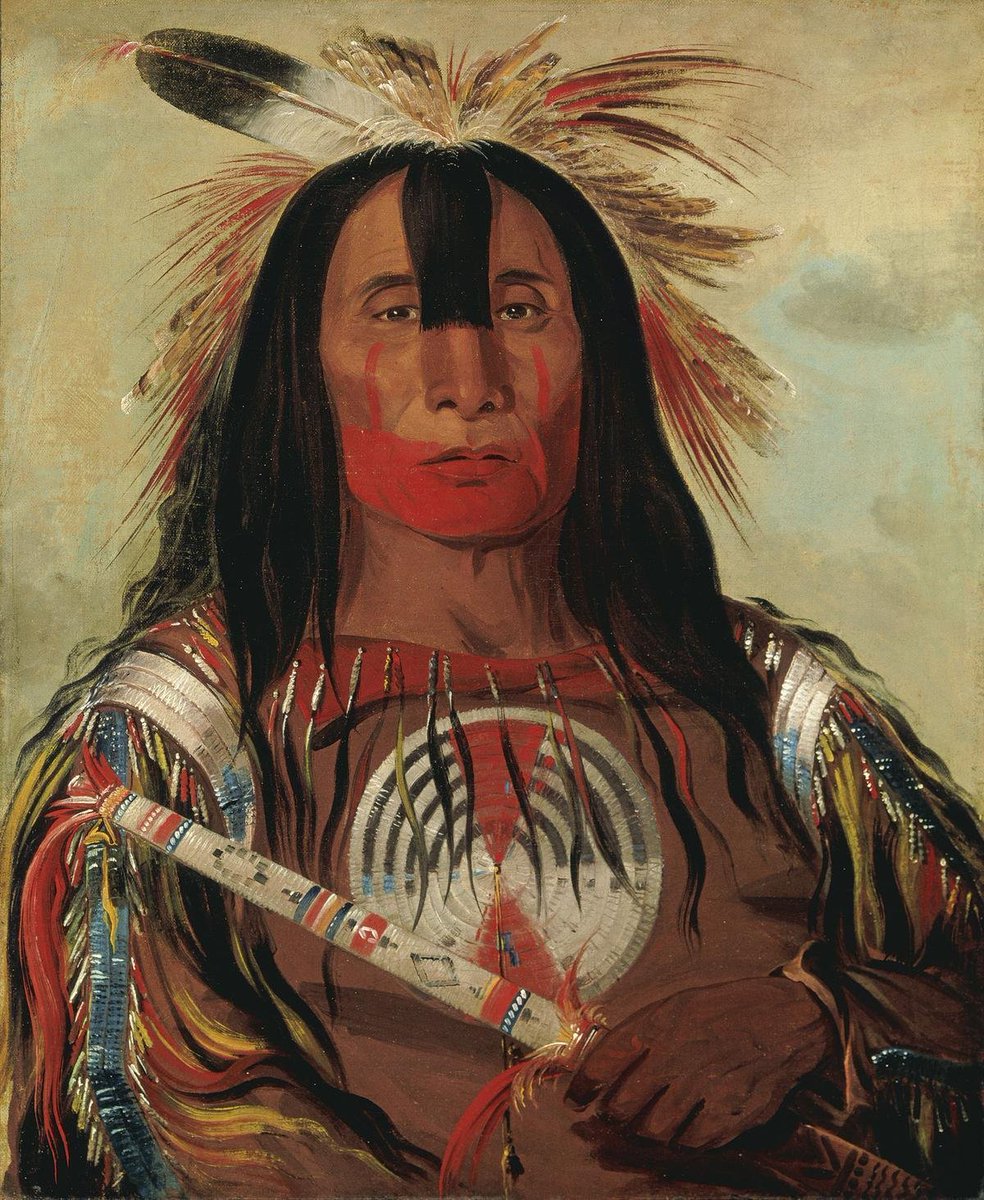
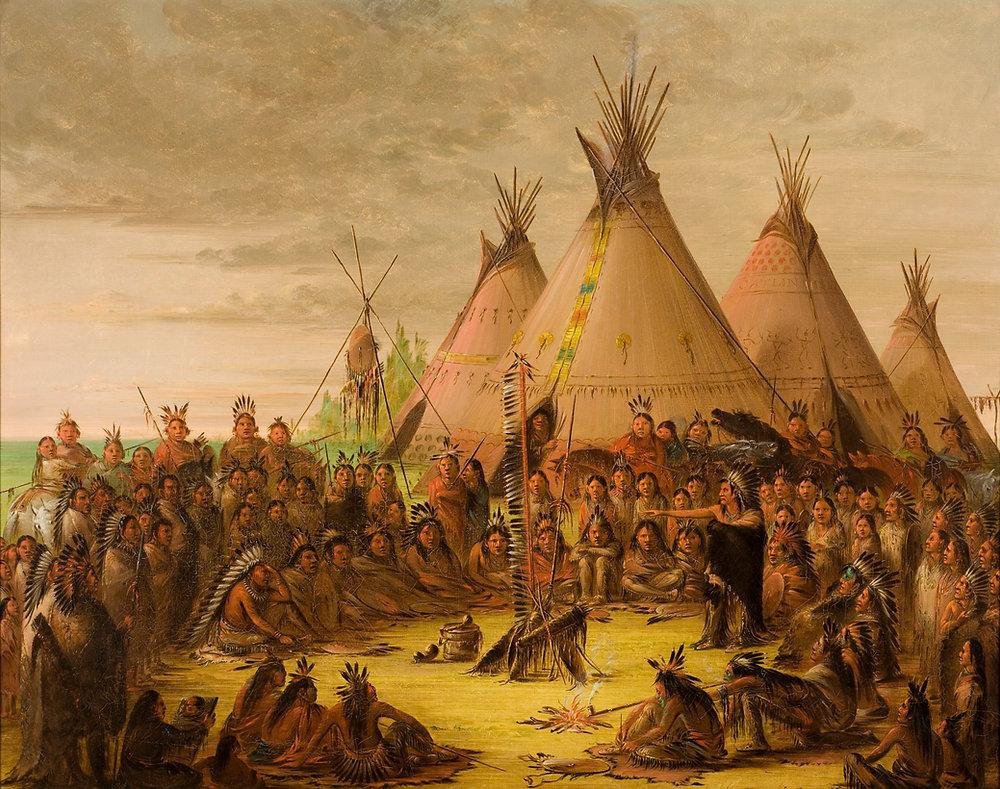
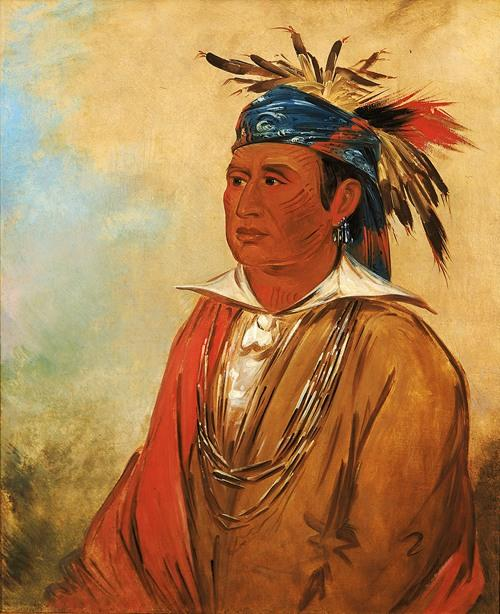
Artist: George Catlin
Date: 1796–1872
Medium: Oil on canvas
George Catlin traveled across North America in the 1830s and 1840s, painting Native leaders, warriors, ceremonies, hunts, and everyday life.