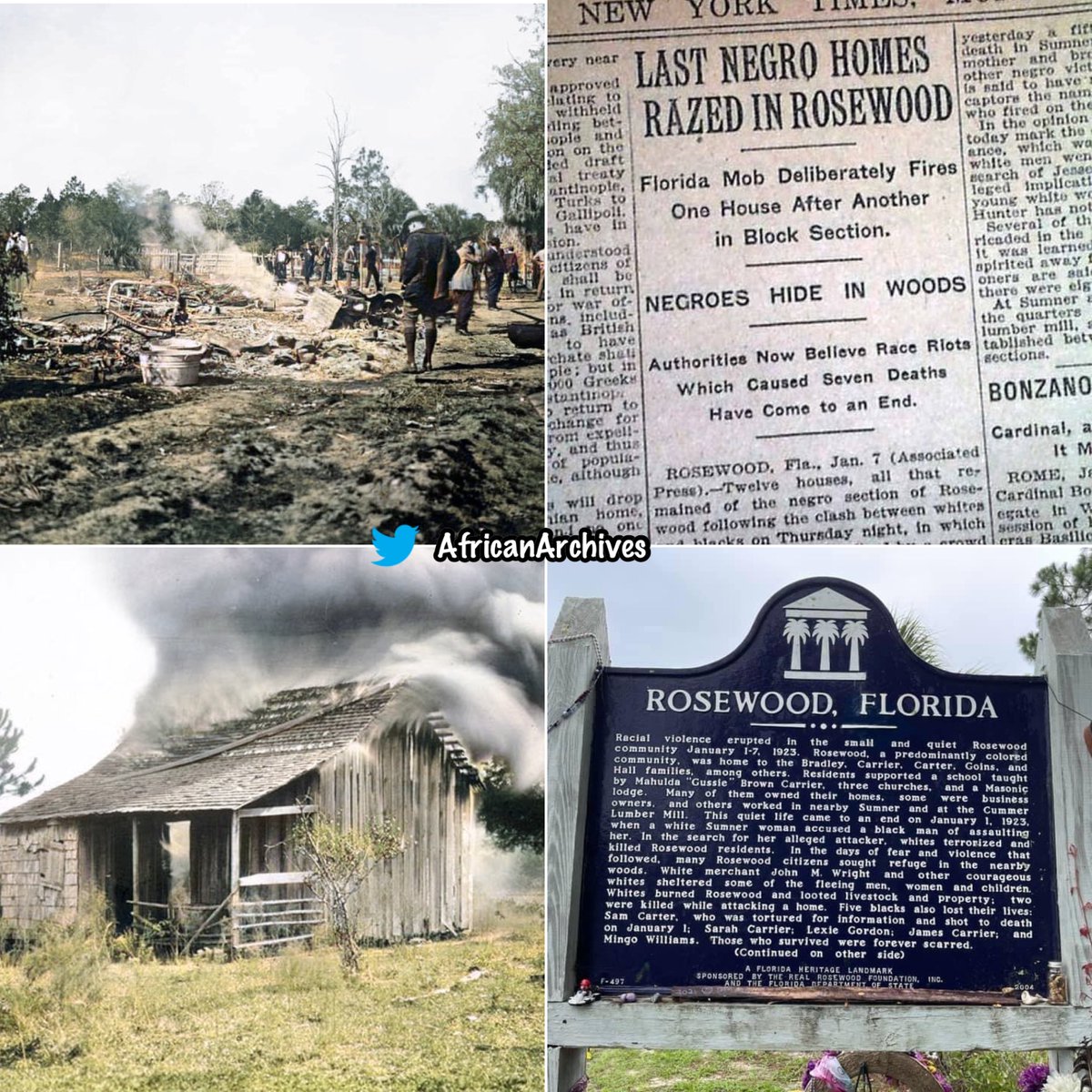
101 years ago today, in 1923, a lie by a white woman that she’d been sexually assaulted by a black man, led to the destruction of the predominantly African American town of Rosewood, Florida, thus the Rosewood Massacre.
A THREAD
In the black community, New Year’s Day used to be widely known as 'Hiring Day' or 'Heartbreak Day', because enslaved people spent New Year’s Eve waiting, wondering if their owners were going to rent them out to someone else, thus potentially splitting up their families...
Clara B. Williams college professors did not allow her inside the classroom because she was Black.
But that didn’t stop her. She took notes from the hallway–standing up! She eventually graduated at the age of 51 and lived to 108 years old and saw her 3 sons become doctors.
—Clara Belle Drisdale Williams [1885-1993] was the valedictorian of the graduating class of Prairie New Normal and Independent College, now (Prairie View A & M University) in 1908.
She enrolled at the New Mexico College of Agriculture and Mechanic Arts in the fall of 1928, after taking some courses at the University of Chicago. While she worked as a teacher at Booker T. Washington School in Las Cruces, she also took college courses during the summer.
Many of her professors would not allow her inside the classroom, she had to take notes from the hallway; she was also not allowed to walk with her class to get her diploma.
She married Jasper Williams in 1917; their three sons became physicians. She became a great teacher of black students by day, and by night she taught their parents, former slaves, home economics.
In 1961, New Mexico State University named a street on its campus after Williams; in 2005 the building of the English department was renamed Clara Belle Williams Hall.
In 1980 Williams was awarded an honorary doctorate of laws degree by NMSU, which also apologized for the treatment she was subjected to as a student. She died at 108 years old.
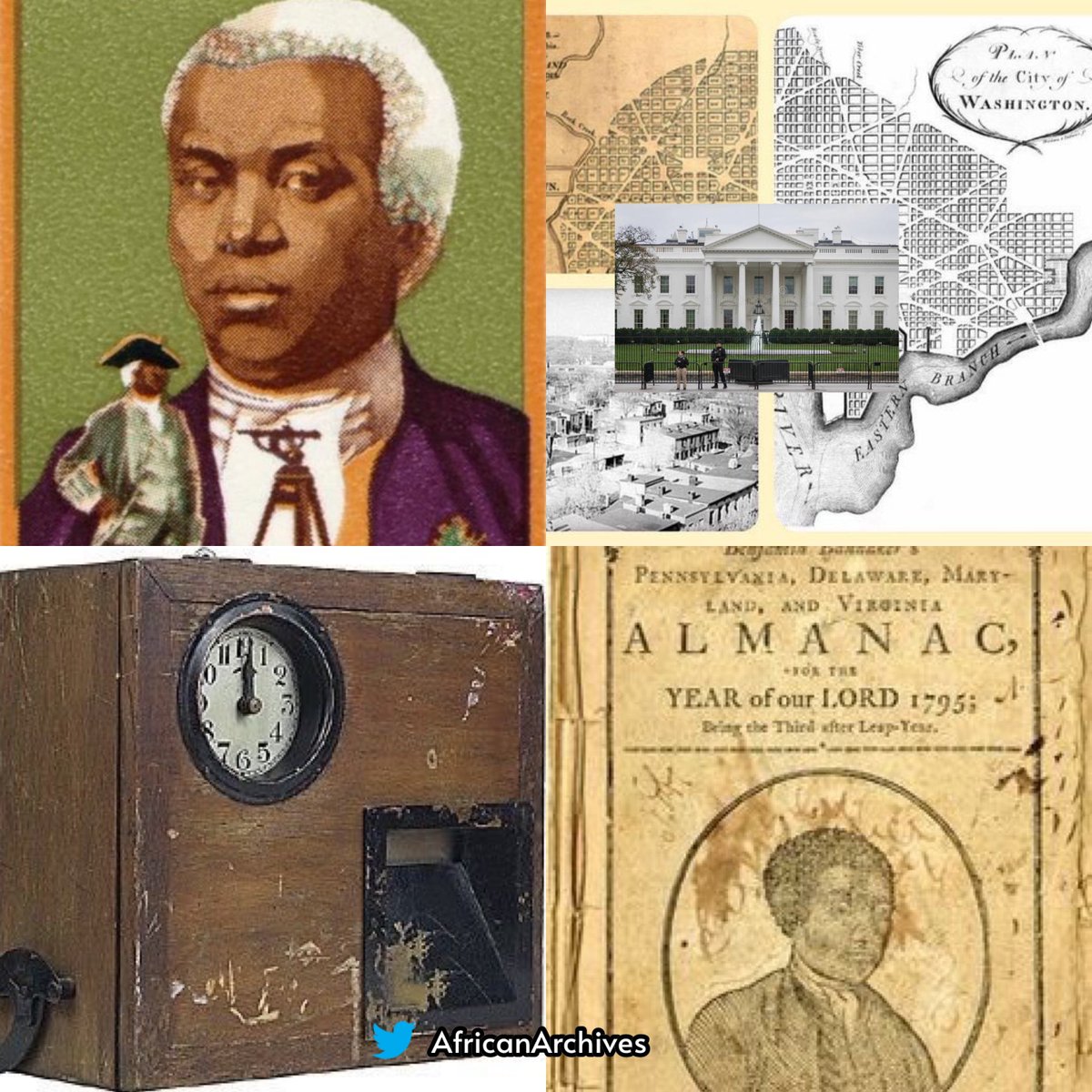
In 1753, Benjamin Banneker created the first functioning clock in the U.S entirely out of wood, it was so advanced it kept accurate time for over 50 years.
He also helped survey and design Washington D.C.
During his funeral, all his belongings including the clock were destroyed in a mysterious house fire.
—Benjamin Banneker. A Mathematician and astronomer who planned all the construction of the U.S. Capitol, in Washington D.C., Benjamin Banneker is known for The first African American To create a scientific book, an almanac published in 1791. Banneker’s book contained information on many subject including weather forecasting, ellipses, medicine and essays calling for the free education and the abolition of physical punishment of school children. President Jefferson sent copies of Banneker's almanac to the French commons and The British House of commons as a proud example of America's scientific and cultural accomplishments. Banneker is also credited with building the first Clock in assembled in the U.S.
Born in Maryland in 1731, Banneker was the son of an African American who freed himself. Banneker worked as a farmer while studying science in his spare time. After inventing his clock, he predicted the eclipse of the sun in 1789. In 1791 he was appointed by President Washington to assist surveyor Andrew Elliott and architect Pierre L'Enfant in planning the capitol building. After L'Enfant resigned and took his maps with him to France Banneker become responsible for completing the the white house. He’s credited with designing Washington DC in its ENTIRETY. —
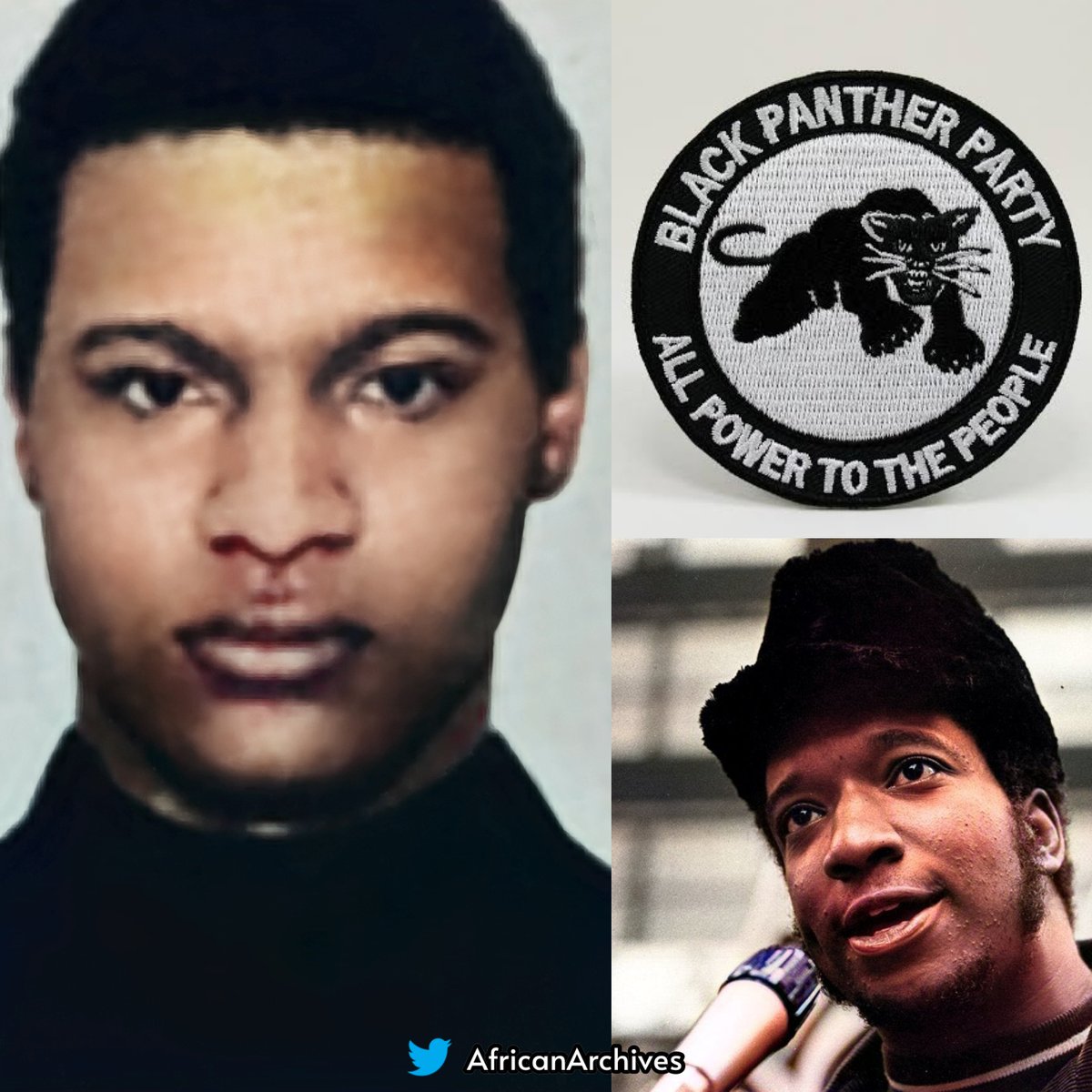
On this day in 1947, Activist & member of the Black Panther Party Mark Clark was born.
He was assassinated together with Fred Hampton by Chicago police & FBI, both at 21 years Old.
William O'Neal, an FBI informant, infiltrated the Panthers & set up them up for $300
A THREAD
“Soooo you mean to tell me that someone down your ancestry line survived being chained to other human bodies for several months in the bottom of a disease-infested ship during the Middle Passage, lost their language, customs and traditions, picked up the English language as best they could while working free of charge from sunup to sundown as they watched babies sold from out of their arms and women raped by ruthless slave owners.
Took names with no last names, no birth certificates, no heritage of any kind, braved the Underground Railroad, survived the Civil War to enter into sharecropping... Learned to read and write out of sheer will and determination, faced the burning crosses of the KKK, everted their eyes at the black bodies swinging from ropes hung on trees... Fought in World Wars as soldiers to return to America as boys, marched in Birmingham, hosed in Selma, jailed in Wilmington, assassinated in Memphis, segregated in the South, ghettoed in the North, ignored in history books, stereotyped in Hollywood... and in spite of it all someone in your family line endured every era to make sure you would get here and you receive one rejection, face one obstacle, lose one friend, get overlooked, and you want to quit? How dare you entertain the very thought of quitting. People, you will never know survived from generation to generation so you could succeed. Don’t you dare let them down!
Give this to your young people who don’t know their history and want to get weak!
It is NOT in our DNA to quit!”
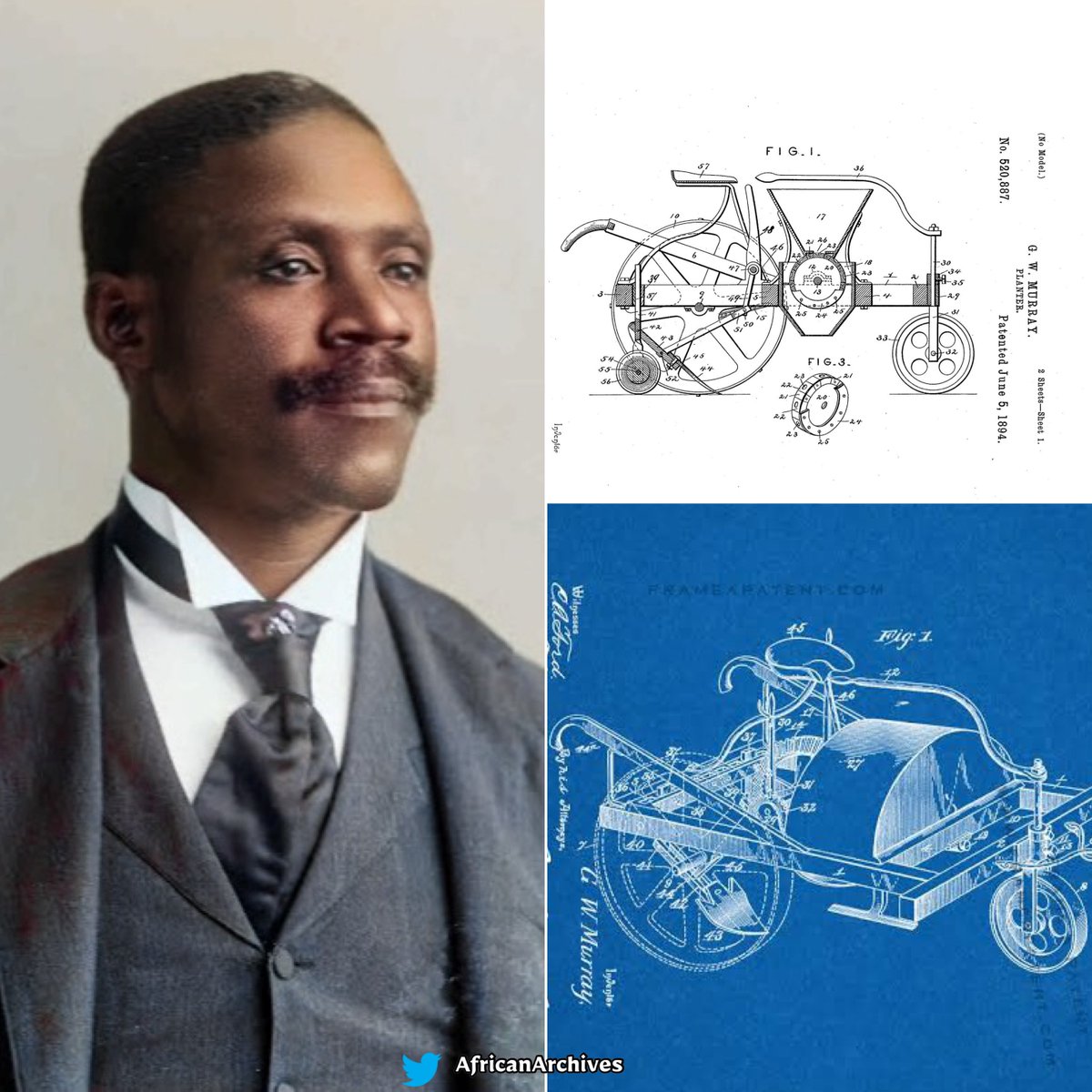
On this day in 1894, inventor G.W. Murray received his patent for the 'Planter', which helped make farm work more efficient.
The planter was designed to drop crop seeds at predetermined distances apart and covering the seeds after dropping.
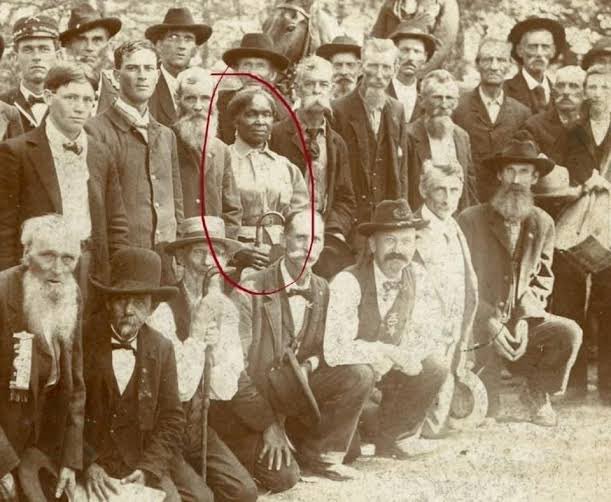
The lady circled in the photo was Lucy Higgs Nichols. She was born into slavery in Tennessee, but during the Civil War she managed to escape and found her way to 23rd Indiana Infantry Regiment which was encamped nearby.
She stayed with the regiment and worked as a nurse throughout the war.
After the war, she moved north with the regiment and settled in Indiana, where she found work with some of the veterans of the 23rd.
She applied for a pension after Congress passed the Army Nurses Pension Act of 1892 which allowed Civil War nurses to draw pensions for their service.
The War Department had no record of her, so her pension was denied. Fifty-five surviving veterans of the 23rd petitioned Congress for the pension they felt she had rightfully earned, and it was granted.
The photograph shows Nichols and other veterans of the Indiana regiment at a reunion in 1898. Beloved by the troops who referred to her as “Aunt Lucy,” Nichols was the only woman to receive an honorary induction into the Grand Army of the Republic, and she was buried in an unmarked grave in New Albany with full military honors in 1915.




![AfricanArchives's tweet photo. Clara B. Williams college professors did not allow her inside the classroom because she was Black.
But that didn’t stop her. She took notes from the hallway–standing up! She eventually graduated at the age of 51 and lived to 108 years old and saw her 3 sons become doctors.
—Clara Belle Drisdale Williams [1885-1993] was the valedictorian of the graduating class of Prairie New Normal and Independent College, now (Prairie View A & M University) in 1908.
She enrolled at the New Mexico College of Agriculture and Mechanic Arts in the fall of 1928, after taking some courses at the University of Chicago. While she worked as a teacher at Booker T. Washington School in Las Cruces, she also took college courses during the summer.
Many of her professors would not allow her inside the classroom, she had to take notes from the hallway; she was also not allowed to walk with her class to get her diploma.
She married Jasper Williams in 1917; their three sons became physicians. She became a great teacher of black students by day, and by night she taught their parents, former slaves, home economics.
In 1961, New Mexico State University named a street on its campus after Williams; in 2005 the building of the English department was renamed Clara Belle Williams Hall.
In 1980 Williams was awarded an honorary doctorate of laws degree by NMSU, which also apologized for the treatment she was subjected to as a student. She died at 108 years old.](https://pbs.twimg.com/media/F5hVW4WX0AAAtdT.jpg)