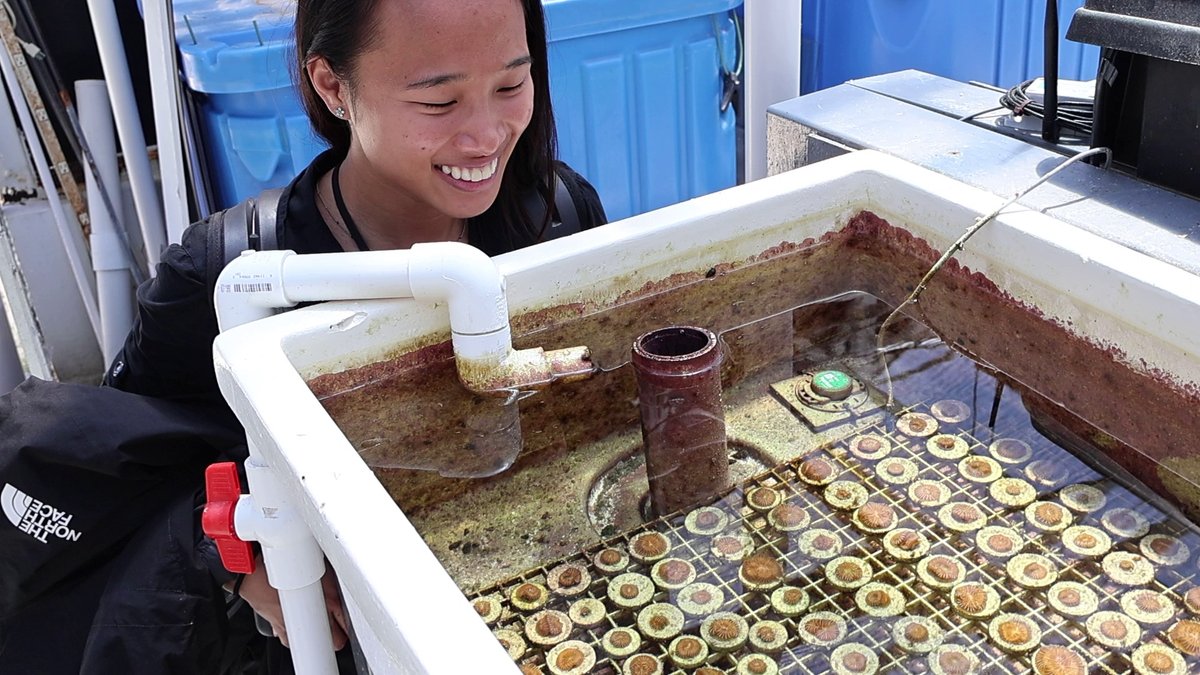
Nina is exposing these corals to higher temperatures to see if “conditioning” them makes them more resilient to thermal stress similar to during a bleaching event.
This will inform epigenetic biomarkers that can help inform the resiliency of a coral to thermal stress. ☀️💪🏼
Look at the growth on Nina Bean’s (@ninakbean) coral recruits this past year! 🪸This video also shows her probiotic experiment setup.
Nina is a PhD student working with advisor Dr. Jose Eirin-Lopez at @FIU as part of the Adaptive Biology sector of the X-REEFS project.🧬
Exciting research update from the X-REEFS coral team!
🪸
@floridaaquarium shares the details of the historical efforts to breed Florida coral with coral from Honduras for the @DARPA#Reefense project. Read more below! (2/2)
Led by Dr. Andrew Baker, Professor of Marine Biology and Ecology and Director of @CoralReefFuture, the team collected DNA samples and live coral fragments for study and breeding.
After a 15-hour journey, the live coral colonies safely arrived at Miami International Airport and were transported to the Rosenstiel School’s coral hatchery. From there, seven elkhorn colonies made their way to our Coral Conservation and Research Center in Apollo Beach.️
Keri O’Neil, our Director and Senior Scientist, shared, "Transporting reproductively sized corals internationally is no small undertaking, and we are thrilled that UM has trusted us with this precious cargo. These corals are a critical step to help us understand heat tolerance in elkhorn corals, to protect genetic diversity from across the population, and to learn how we can breed a stronger generation.”
Once settled and monitored for any signs of disease or pests, the Honduran elkhorn corals will join our system designed to promote spawning based on environmental cues. With some luck, we hope these new arrivals will spawn alongside our Florida elkhorn corals, allowing cross-fertilization from the different regions. 🌞🌙
Stay tuned for more updates on this exciting new development to revitalize our reef! 💙
Exciting research update from the X-REEFS coral team!
🪸
@floridaaquarium shares the details of the historical efforts to breed Florida coral with coral from Honduras for the @DARPA#Reefense project. Read more below! (1/2)
🪸 In the world's first attempt to enhance coral heat tolerance through international breeding efforts, our scientists and @MiamiRosenstiel are on a groundbreaking mission.
The goal? To find new coral parents in Tela Bay, off the coast of Honduras, to breed with Florida corals, creating heat-tolerant and disease-resistant baby corals!
X-Reefs Team Carries out #CoralSpawning Mission
🪸
Two weeks ago, Diploria labyrinthiformis (DLAB) spawned on Florida’s reefs and even in some spawning laboratories. @floridaaquarium, a partner at @XREEFS, achieved laboratory induced spawning!
@DARPA
We are excited to see some interest in the project and more followers on our #socials!
🪸😁
The #XREEFS project has many moving parts, and it can be hard to understand how it all ties together! We've broken it down for you, and hope that this will make it easier to follow along!
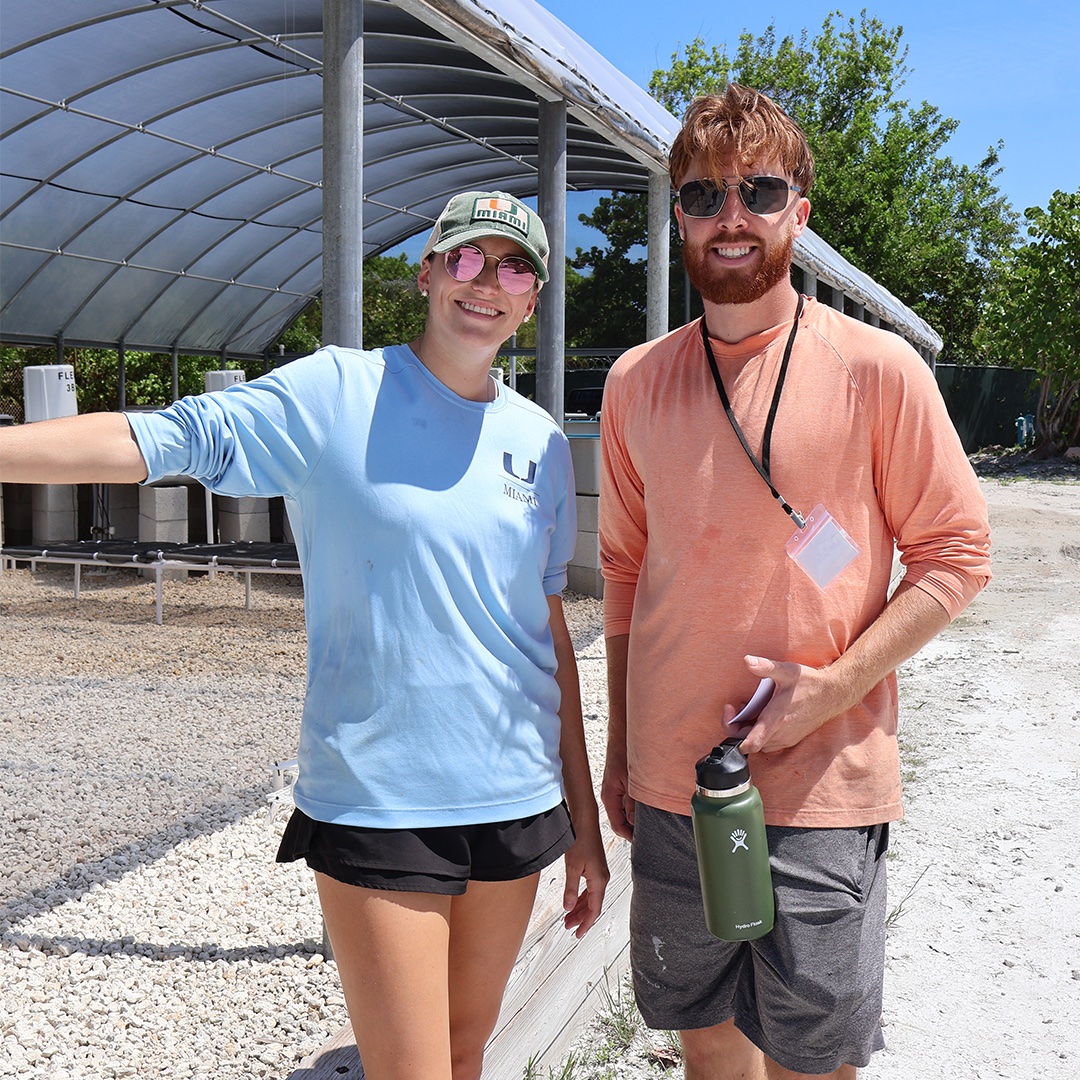
#DynamicDuo Some of our favorite duos from @MiamiRosenstiel#coral research team! They exemplify the power of collaboration on the @DARPA#Reefense project.
You can always find them together, working hard to conserve and restore Florida's coral ecosystems.
💪🪸
#DreamTeam
Last week, #XReefs team members visited from across the country for the 2nd annual X-Reefs Workshop. They discussed project updates, progress of each sector, and future plans.
🌊
Researchers continue to strategize reaching @DARPA goals for the next phase of the #Reefense project.
Last weekend, members of the #XREEFS team got together to attend @BrowardSierra's #EarthDay Outreach Event!
🌎💚
We explained the @DARPA funded #XREEFS project to community members of all ages and were met with so much enthusiasm and people looking to assist in our goals!
🙏🏼🪸
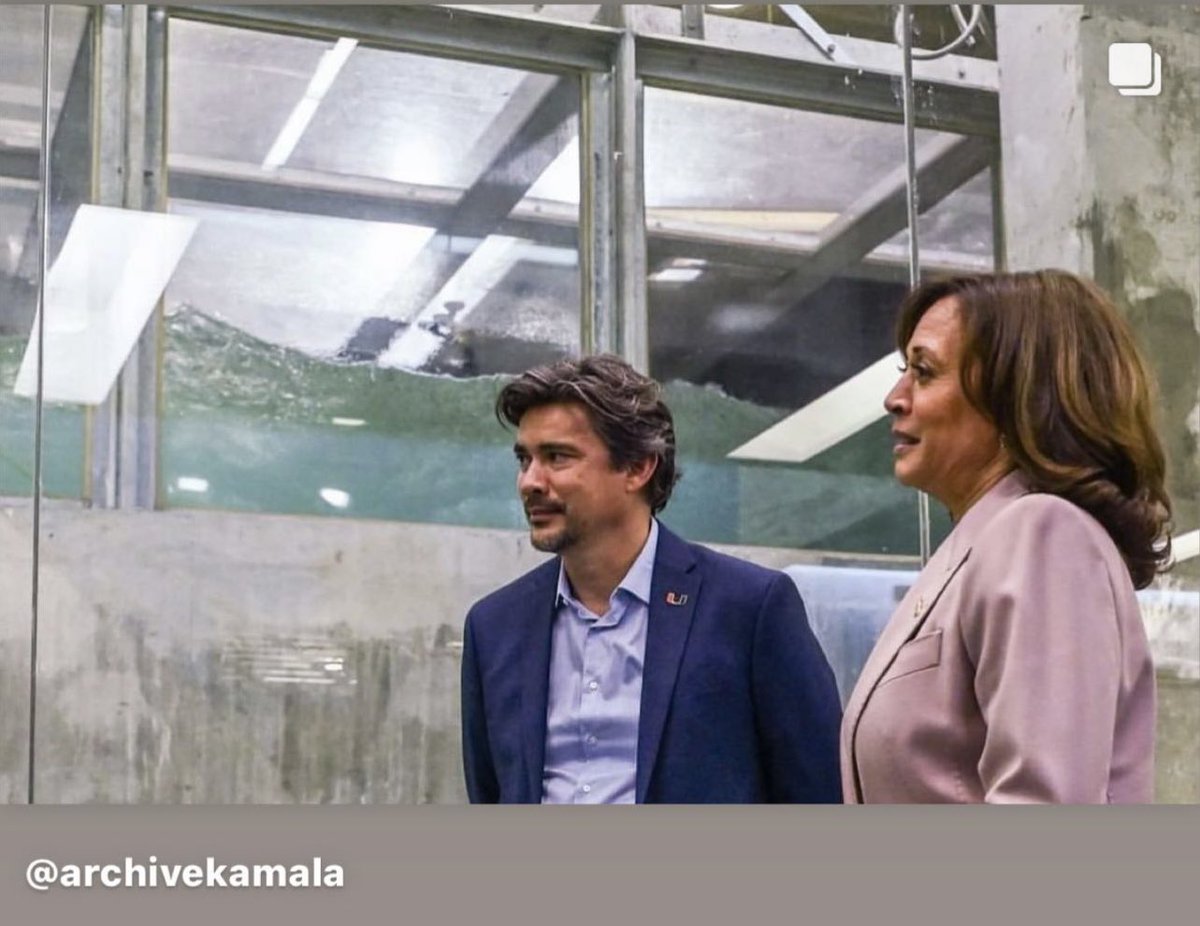
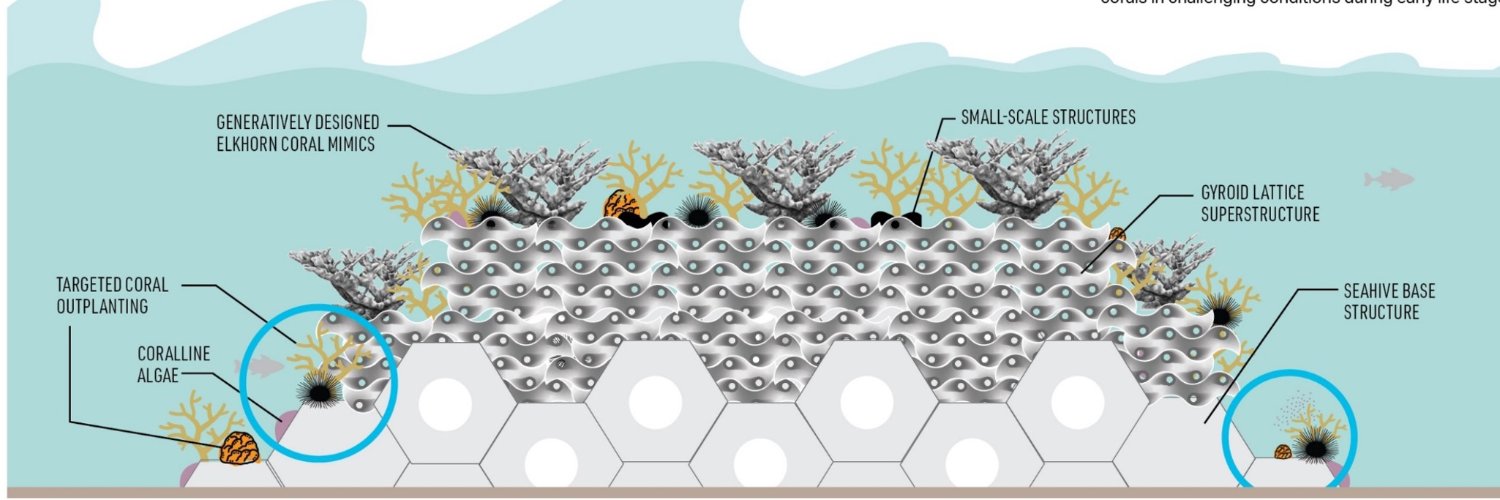
@CoralReefFuture@MiamiWaterkpr@MiamiRosenstiel@DARPA The hybrid design consists of a #SEAHIVE structure of hexagonal prisms and lattices to mimic the structural complexity and energy-dissipation of coral.
Once the structure is deployed, #XReefs scientists outplant #coral colonies onto the structure to generate coral accretion.
juvenile urchins to the tanks. This will help determine if small urchins will harm the baby corals or successfully protect them from algae, & will ultimately inform our efforts to spawn & plant urchins to the #XREEFS structure alongside corals!
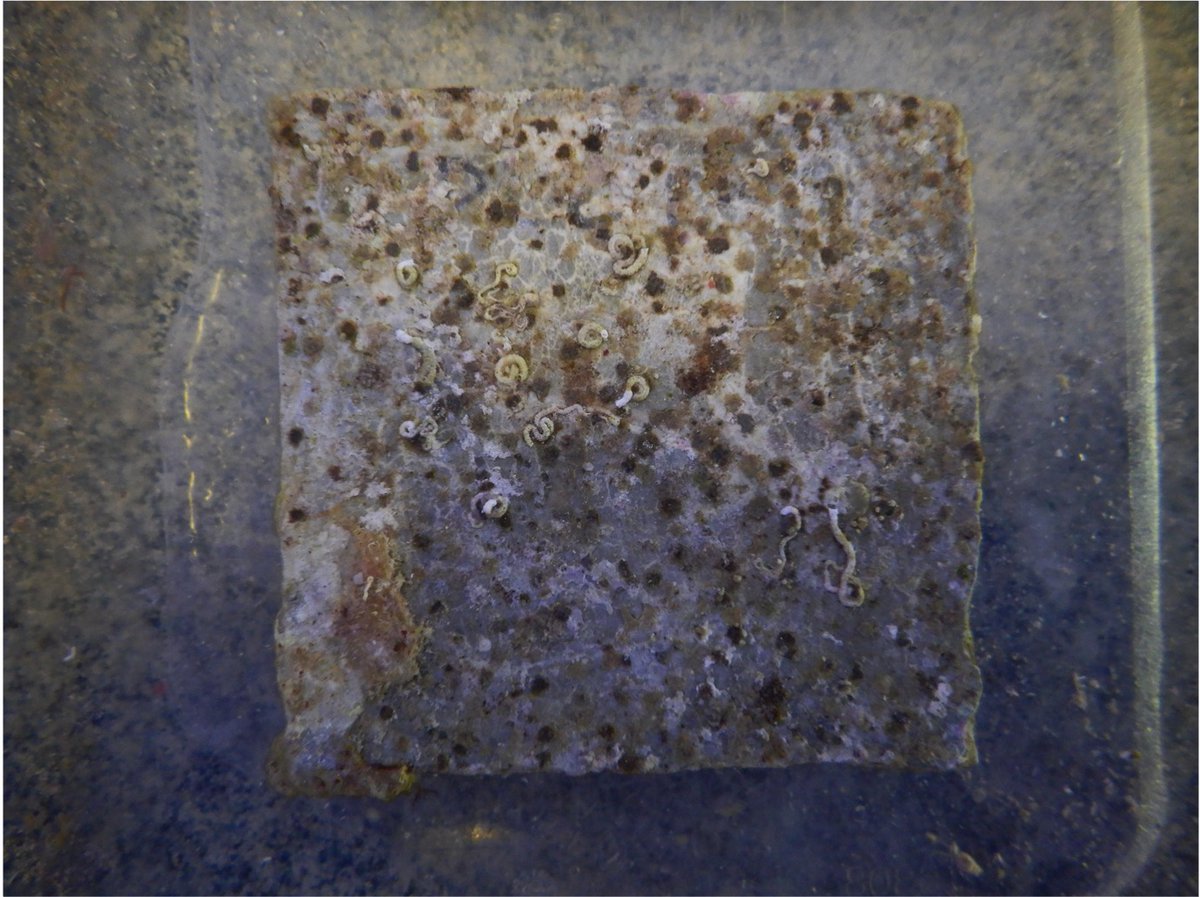
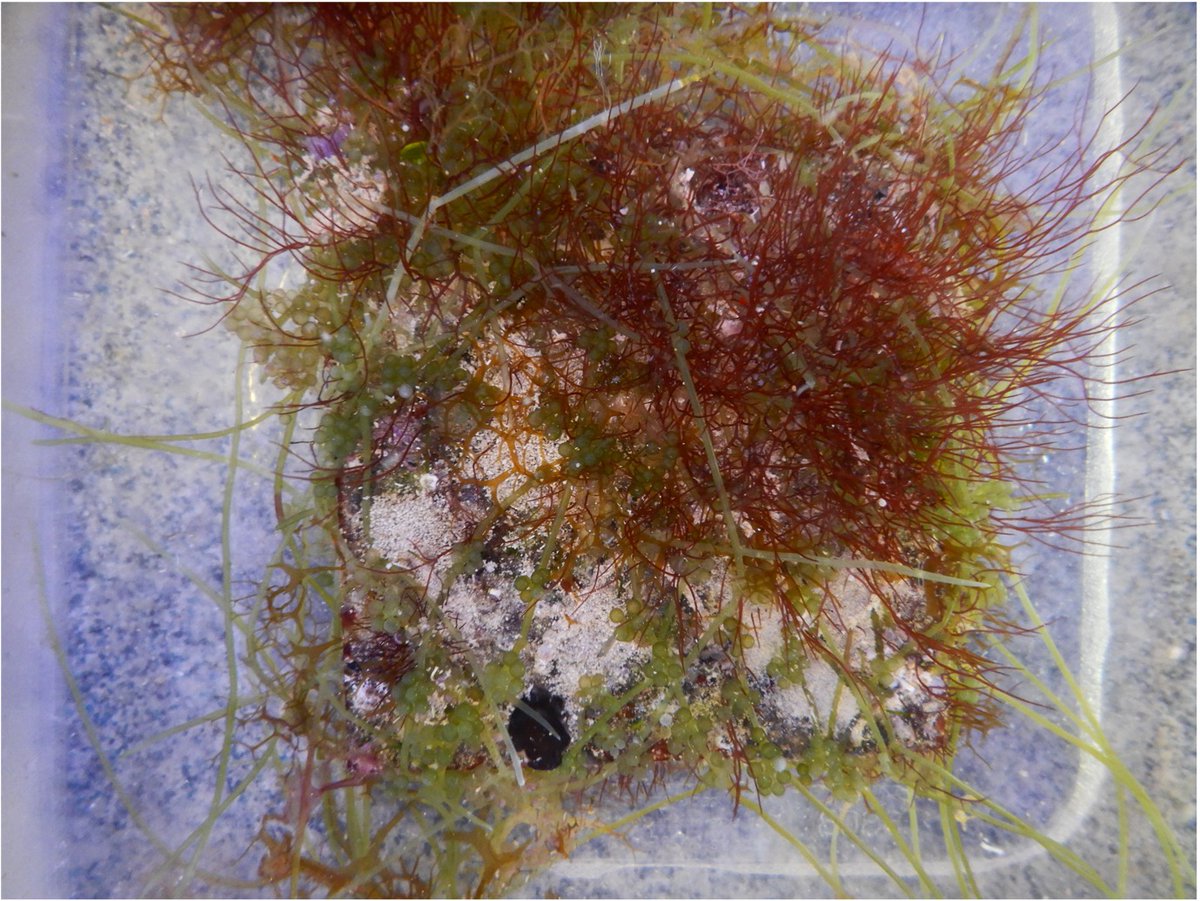
@MiamiRosenstiel scientists deployed cement tiles in the field to allow lots of algae to grow, then returned them to the lab where half were grazed by juvenile long-spined sea urchins (Diadema antillarum) that had been spawned by the Patterson Lab at @floridaaquarium / @UF...
When the grazed & ungrazed tiles were then put into tanks with brain #coral larvae, tiles grazed by urchins had much higher settlement than ungrazed ones, indicating that urchin grazing promotes coral settlement! Next the team will let the corals grow for few weeks, then add...
How precious are these 2.5-month-old elkhorn & staghorn coral recruits?! 🥹💕🪸 Even though their parents faced unprecedented heat stress when they spawned (& in most cases have since died 😔), these babies are thriving! 💪 They’ll help build new resilience for Florida’s reefs!🪸