A 2017 study found melatonin content in supplements varied from -83% to 478% above the stated label amount. The dose is not always what the label says. #SleepScience#WellnessResearch
Pistachios contain melatonin, but in amounts 500 to 1000 times lower than a standard supplement. Tart cherry juice remains the most studied dietary source for sleep. #SleepTips#MelatoninFoods
Timing matters more than dose for melatonin. Research supports taking it 30 to 45 minutes before your intended sleep time. Taking it too late means your body has already started its natural process. #MelatoninTips
Melatonin is not a sedative. It signals circadian timing. It is most effective for jet lag and shift work. For insomnia rooted in anxiety or stress, it is unlikely to help significantly. #SleepHealth
Melatonin research supports doses of 0.3 mg to 1 mg. Most products sell 5 mg to 10 mg. Higher doses extend how long melatonin stays in your blood. More does not produce better sleep.
#SleepScience
Sometimes, genetics literally flips the script.
Dextrocardia is a rare condition that causes the heart to form on the right side of the chest.
The culprit? You guessed it, genetic mutations.
The ACHOO syndrome is a physiological mystery.
Affecting nearly a third of the population, it's an involuntary sneeze due to sudden light exposure.
If either of your parents sneezes when they walk into the sun, chances are you would too!
DNA isn’t just the code of life—it’s the ultimate hard drive.
A single gram of DNA can store 215 petabytes of data.
That’s like over 100 billion movies… in something smaller than a grain of rice. 🤯
It’s DNA Day!
72 years since we met the double helix.
22 years since we mapped the human genome.
Today, we’re not just reading our genes, we’re understanding what they mean for our lives. 🧬
What if we told you 8% of your DNA is from ancient viruses?
Not just infections, integrations.
They became part of your genetic code… and helped shape how you fight off new viruses today.
Science is wild.
Identical DNA doesn’t guarantee identical lives.
Twins with nearly identical DNA (not 100%) and even clones with identical DNA can change over time.
It's thanks to their environments, lifestyles, and epigenetics.
Genetics sets the stage, but life writes the script.
Think DNA has just 4 bases: A, T, C, G?
Meet base J: ß-D-glucopyranosyloxymethyluracil.
Found in some parasites, it's a gene regulator essential for survival.
This discovery is rewriting what we thought we knew about DNA.
Nature doesn’t just play by the rules—it edits them.
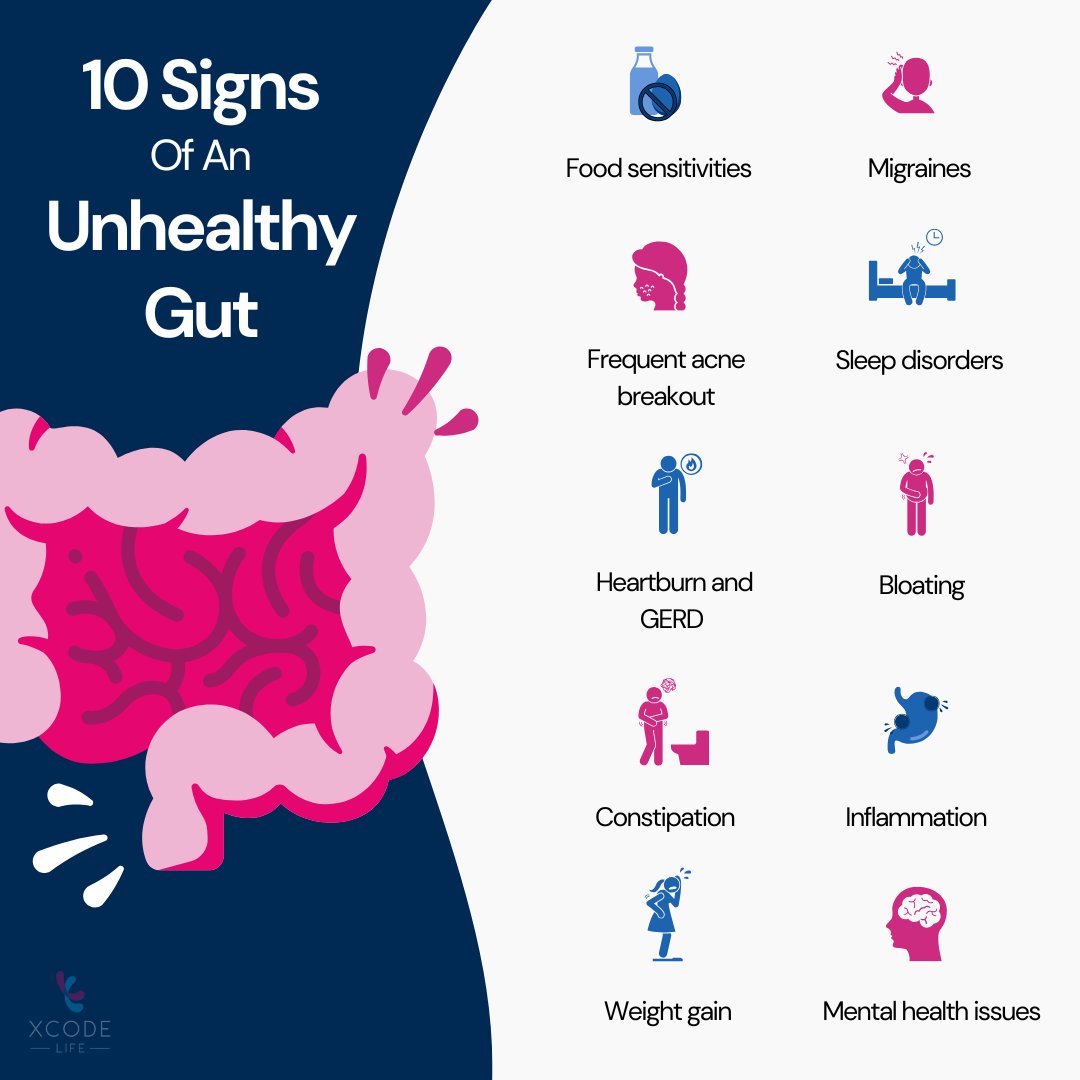
Everyone's talking about gut health, but where do you stand?
Here are 10 signs of an unhealthy gut you need to watch out for in 2025.
Learn what you can do about it at https://t.co/LSQaTllsk2
Dolly the sheep, the first successfully cloned organism, didn't live very long.
It's because her donor's cells were already six years old when she was "born", half the lifespan of a sheep.
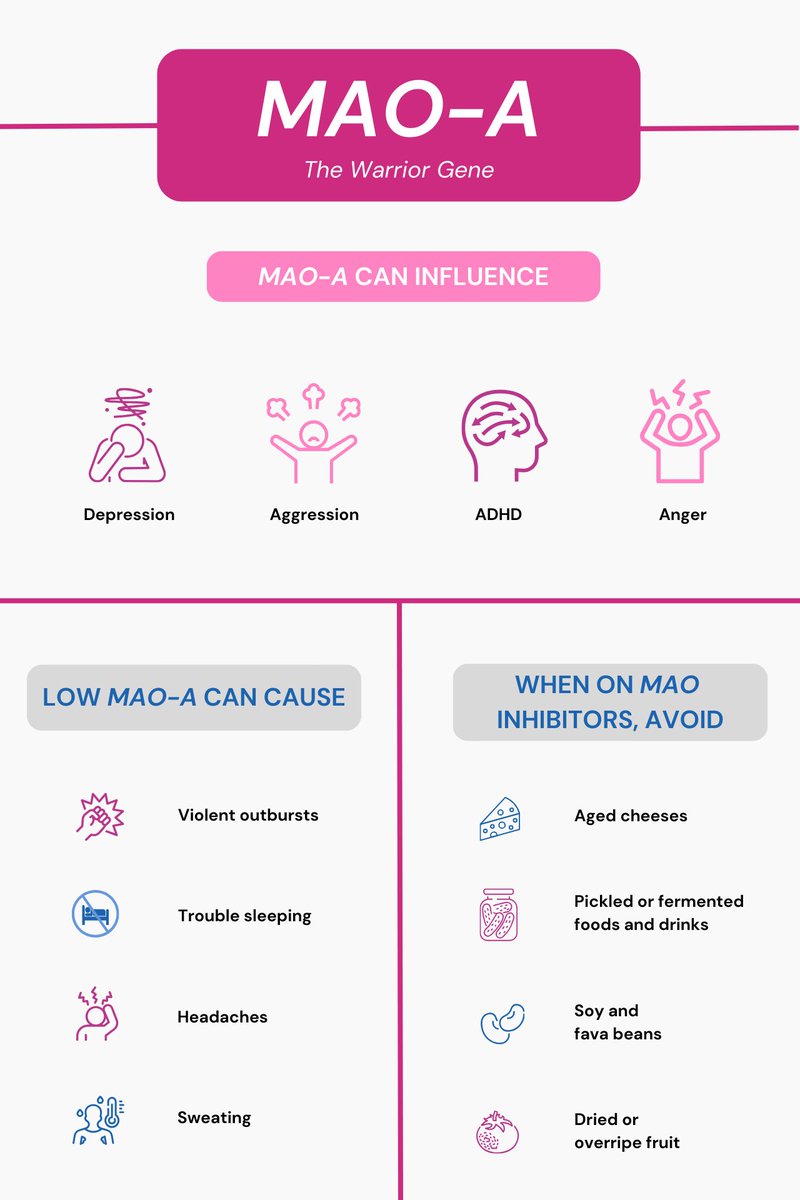
Having trouble sleeping? It could be your MAO-A gene at play.
That's the gene that regulates neurotransmitter levels, and thereby your mood to an extent.
For more on the MAO-A gene, h/t https://t.co/ieabDIIZEN
Human cell division mechanics are too intricate to be replicated successfully in a clone for a while.
Technicalities aside, how do you feel about human cloning?
Restless Leg Syndrome (RLS) is a sleep disorder.
Insomnia isn't the only thing that sets it off, though.
Here are 4 everyday foods that likely increase your risk for Restless Leg Syndrome.
https://t.co/KLuot1N9o5
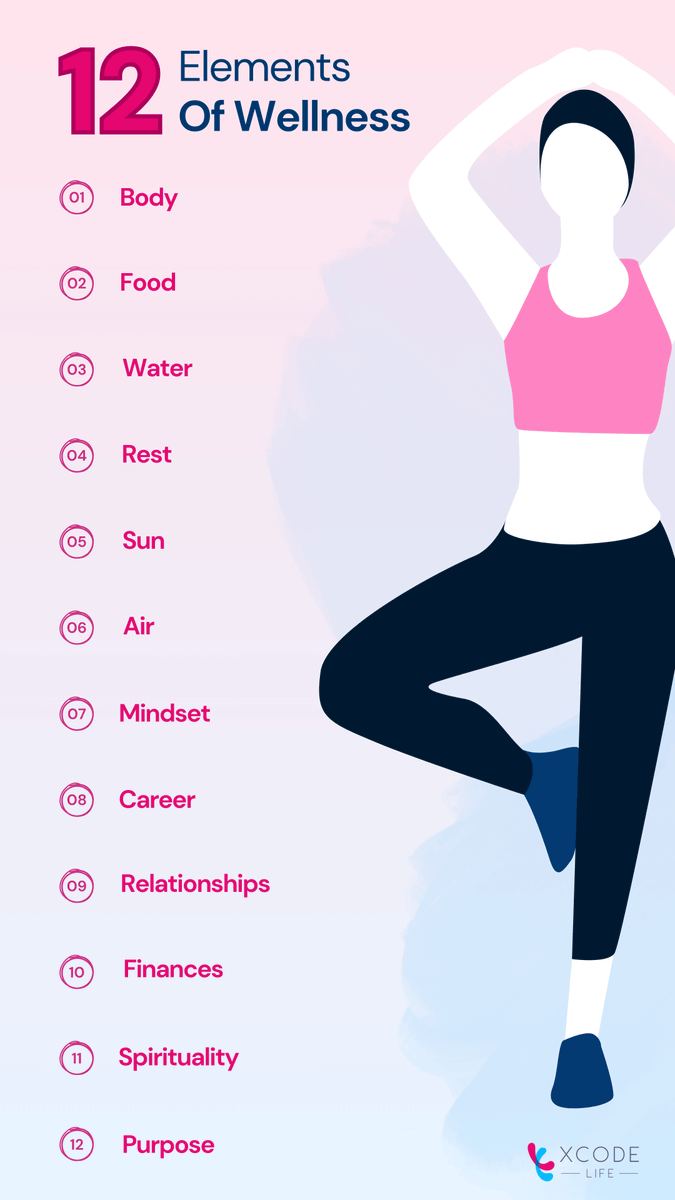
Take a moment to reflect on your #wellness.
Out of the 12 elements of wellness, which needs your attention the most right now?
Learn more about improving your #health and wellness here:
https://t.co/1MAu1pfSow