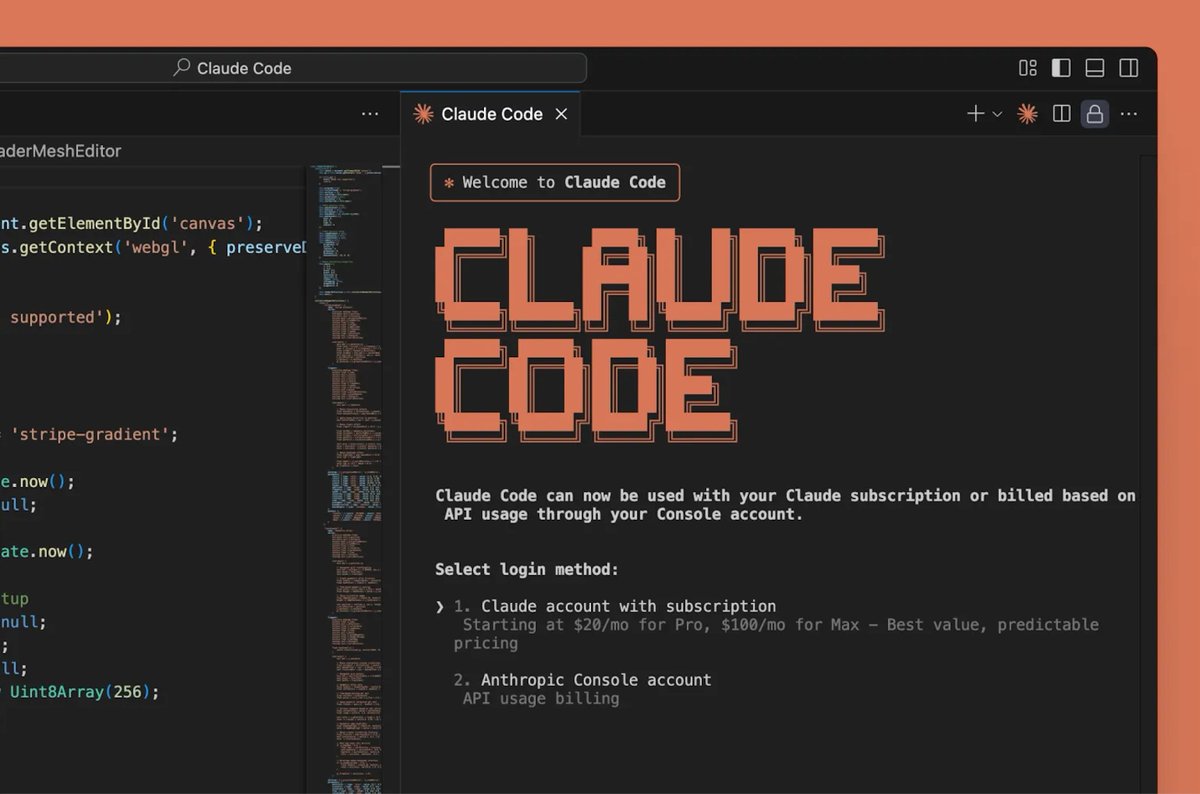
Uber gave 5,000 engineers access to Claude Code in December. By February, usage had nearly doubled. By April, the CTO told the company they'd burned through the entire annual AI budget.
The adoption curve tells you everything about what happened. In December 2024, 32% of Uber's engineers were using Claude Code. By February 2026, that number was 63%. That's not a gradual rollout. That's a product so useful that engineers pulled it into their workflow faster than finance could model the spend.
Uber has about 34,000 employees. Engineering is roughly 15% of that headcount, somewhere around 5,100 people. At enterprise API pricing, Claude Code runs $100 to $200 per developer per month on Sonnet alone. But that's the subscription math. The real number is token consumption, and Uber's engineers aren't building hello-world apps. They're building rider-driver matching algorithms, dynamic pricing engines, and real-time logistics across 70+ countries. Every one of those tasks eats context windows for breakfast.
The scale of what these engineers are actually doing with AI is wild. 92% of Uber's developers use AI agents monthly. 65 to 72% of code written inside IDEs is now AI-generated. 11% of all pull requests are opened by agents, not humans. The company's AI code review system, uReview, analyzes over 90% of the 65,000 diffs Uber ships per week.
AI-related costs at Uber are up 6x since 2024.
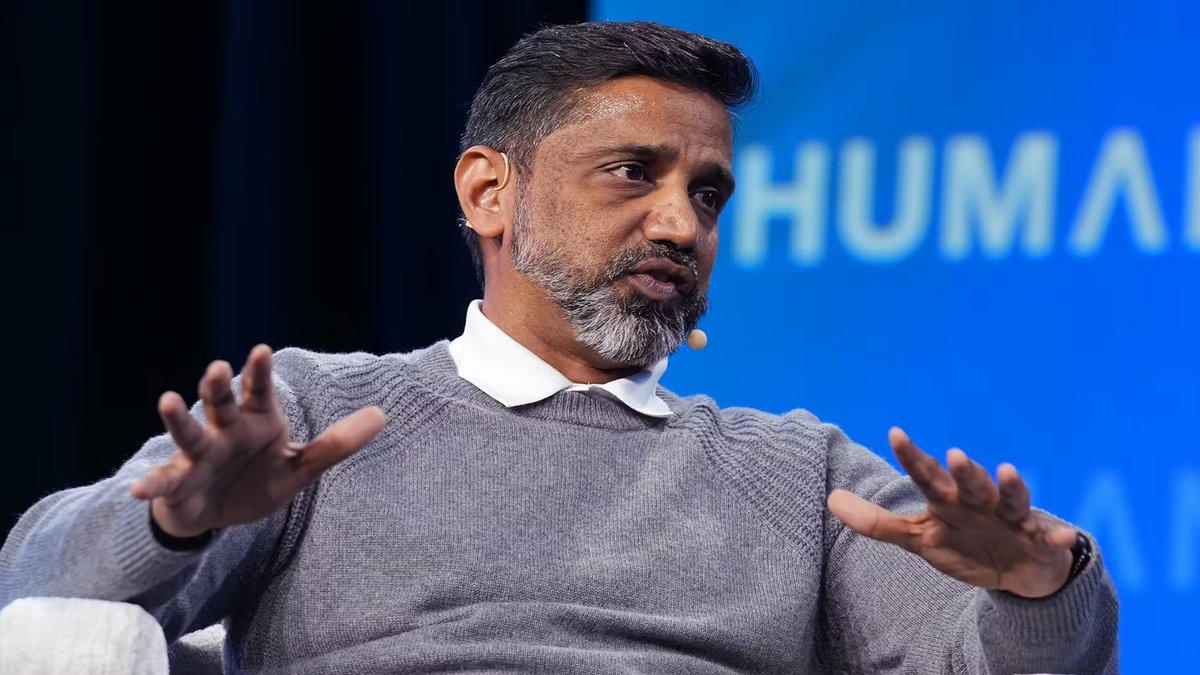
CTO Praveen Neppalli Naga's quote was "I'm back to the drawing board." That's the CTO of a $144 billion company admitting that the tools work so well his team can't afford to keep using them at this rate.
Here's the part nobody is pricing in. Anthropic's Claude Code hit $2.5 billion in annualized revenue by February 2026. That's up from $1 billion in November 2025. The fastest enterprise software ramp in history, and a huge portion of that growth is coming from exactly this pattern: companies deploy Claude Code, engineers love it, usage explodes, budgets evaporate.
Uber won't be the last company to have this conversation. The average Claude Code developer burns about $6 per day. Multiply that across thousands of engineers running complex agentic workflows, spawning sub-agents that each maintain their own context windows, and the math compounds fast. One engineering team running Claude Code in automated CI/CD loops can drain a monthly budget in days.
The CFO problem is now the bottleneck for AI adoption at the enterprise level. The technology works. The productivity gains are real. Uber's own data says 75% of AI code review comments are marked helpful by engineers. The constraint is that traditional annual budgeting was designed for tools with predictable per-seat costs, and AI coding agents have usage curves that look like cloud compute bills from 2015: exponential until someone notices.
Every enterprise CTO is about to have the same meeting Praveen just had. The tools are too good to pull back. The costs are too unpredictable to ignore. And the companies that figure out token cost optimization first will have a structural advantage over every competitor still running annual budget cycles against exponential adoption curves.
Conor Neill: "18 years of school trained you to ruin conversations"
"You finish your pitch and the customer says, 'Your product is too expensive!' You arrive home a few minutes late, your partner says, 'You are always late.' There's a dirty plate left on the table 'You never wash the dishes.' What do you say in this moment?"
Neill explains the problem:
"Most of you, me included, went through 14 years of school where we were taught one way to respond to questions. Teacher asks, 'How do you spell cats?' Student: 'C-A-T.' Teacher asks, 'What is osmosis?' Student explains in detail. For 14 years, you've been taught to give answers to questions. If you went to university, you probably had another 3 or 4 years of giving answers to questions."
Here's what that does to you:
"In real life in persuasion, in getting to what the other person is really about, what their needs really are, the worst thing you can do is give an answer to a question."
He gives examples:
"If someone says, 'Your product is too expensive,' and you say, 'No it's not! It's only €1,000'; you've lost every chance to understand what else is behind their reasoning. If you get home and your partner says, 'You're always late!' and you say, 'No, no, no, Tuesday I was definitely here on time', you're gonna have a crap weekend."
Neill explains why this happens:
"When your partner says, 'You're always late,' emotion goes up. And what happens? The thinking part disconnects. The way to make someone stupider is to insult them, object to them, tell them they are wrong. When you're asked a question, there's an emotional reaction, and the higher emotion goes, the lower thinking goes."
He continues:
"If you don't practice this response, you're not going to be able to do it in the moment. If you don't practice repeatedly how you'll respond to 'You're always late,' 'You never wash the dishes,' 'Your product is too expensive,' 'Your competitor is better,' 'You failed us 3 years ago,' 'I don't trust your company', you're not going to be able to do it in the heat of the moment."
Here's what to do instead:
"When you are asked a question or given an objection, I want you to say: 'I understand.' And repeat in your words what they're saying. Then give an open question back."
He demonstrates:
"'Your product is too expensive!' → 'I understand that money is an important factor for you. What other criteria will be used in making this decision?'"
Neill calls this "Conversation Aikido":
"Martial arts are about using the energy and force of the opponent against them. In Judo, if someone punches you, you pull their arm and allow the energy to keep flowing. In Aikido, the concept is you go toward the punch. You go toward the energy. If someone punches you, if someone asks you a question, if someone objects, the Aikido method is to go toward them and see the world from their view."
He explains how to practice:
"'You're always late!' → 'I understand you feel frustrated.' 'I understand you feel let down.' You'll have to work on this quite a few times over the next 10 years to find the set of words that captures what the other person feels, what's behind it. Then ask: 'What can we do now?' 'What happened during the day?' 'What would you like to talk about?'"
Neill shares what happens when you don't do this:
"When a client says 'You're too expensive' and you say 'No, we're not!' you learn nothing about who else they're considering, what other criteria are important, what process they've gone through, who else is involved in the decision."
He closes with a guarantee:
"By giving the answer, we shut down the possibility of hearing what's really going on in the other person's mind. But if you say 'I understand,' accept the energy coming from the other person, and give back an open question, I guarantee that if you do it 4 times, the answer to your 4th open question begins to be the real underlying need, issue, or interest of the person you're listening to."
A modern cargo ship can cost over $150 million, more than a commercial airliner.
But here is the bizarre reality of global trade: the company whose logo is painted on the side of that massive steel hull almost never actually owns it.
So, who holds the deed?