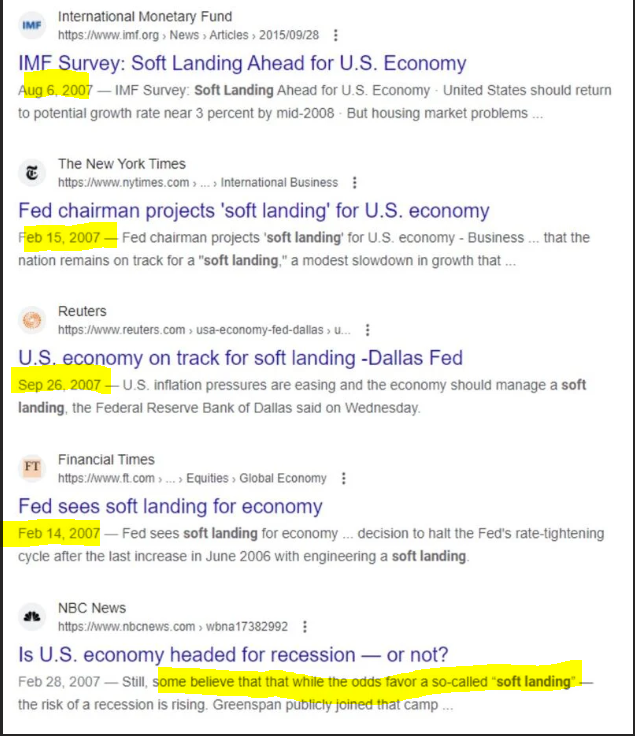
Todo lo que dice @chefjoseandres aquí es absolutamente correcto. Que tenga que venir un chef a dar clase de economía a nuestros políticos y pseudo-expertos debería sonrojar al gobierno. Añado un gráfico del @ft de hoy.
Increíble de ver a los “expertos” en solventar la emergencia de vivienda que vive España! En cada televisión! @telediario_tve@A3Noticias@tele5_noticias@noticias_cuatro La realidad es que tenemos a políticos que intentan crear decretos y soluciones cuando no tienen la preparación ni el conocimiento para idear una solución real al problema que vivimos.
España no tiene un problema de falta de decretos. Tiene un problema de falta de viviendas.
Y mientras el Gobierno siga confundiendo anunciar medidas con resolver problemas, seguiremos pagando las consecuencias de su inacción.
Subvencionar la demanda sin aumentar la oferta presiona los precios. Regular cada vez más un mercado sin construir vivienda nueva no elimina la escasez: la administra. Castigar fiscalmente una modalidad de alquiler puede cambiar incentivos, pero tampoco pone un solo ladrillo.
El Gobierno puede aprobar todas las medidas que quiera y venderlas como grandes soluciones. Puede encadenar decretos, anuncios y campañas de propaganda. Pero hay una pregunta que desmonta cualquier discurso:
¿Cuántas viviendas nuevas crea todo esto?
Porque la vivienda no se abarata repartiendo la escasez. Se abarata acabando con ella.
España necesita construir. Mucho.
Más suelo disponible. Licencias en meses, no en años. Más densidad donde sea posible. Seguridad jurídica. Muchísima más vivienda pública y también privada.
Pero el Gobierno no está haciendo lo necesario. Prefiere intervenir sobre las pocas viviendas que existen antes que crear las condiciones para que haya muchas más. Prefiere presentar parches como soluciones y cargar sobre propietarios, promotores y ciudadanos el coste de su fracaso.
Lo demás puede servir para redistribuir, proteger a determinados colectivos o cambiar incentivos. Pero no confundamos eso con solucionar el problema de fondo.
No se arregla una falta de vivienda repartiendo mejor las pocas casas que existen. Se arregla haciendo que existan muchas más.
Menos propaganda. Menos parches. Menos obsesión por intervenir sobre el mismo piso.
Más oferta. Más construcción. Más casas.
For a long time, dementia was seen as an inevitable part of aging or the result of poor genetics.
But according to new research:
More than 40% of dementia cases are easily preventable.
Here's what you can do to slow your cognitive decline:
With all the macro debates going on around rates, recession, CRE, etc, banks’ loan losses are obv key. They are what makes the diff between recession & depression imo
That’s why the EBA report on banks’ provisioning practices is key – Here are my main takeaways.
Los datos más recientes indican que los jóvenes y adolescentes duermen menos horas de lo que deberían. ¿A qué se debe?
¿Cuáles son las potenciales repercusiones y consecuencias para su salud? ¿Cómo poder corregirlo?
Os cuento 4 conceptos básicos.
👨🏫 En BESTINVER pensamos que la educación financiera es una herramienta fundamental para la sociedad. Por ello, hemos lanzado el programa de educación financiera BESTINVER educatio.
👇 Te lo contamos en detalle aquí 👇
https://t.co/VpfJJMG6aL
Éstas son sus películas favoritas:
-2001: A Space Odyssey (1968)
-The Black Hole (1979)
-Blade Runner (1982)
-Chinatown (1974)
-The Hit (1984)
-Lawrence of Arabia (1962)
-The Spy Who Loved Me (1977)
-Alien (1979)
-El hombre que sería rey (1975)
-Topkapi (1964)
¿Sabías que Michael Jordan una vez jugó en un club de Italia? Fue en 1985 y en esa ocasión sucedió algo inédito en su carrera.
Si te gusta este breve hilo, agradecemos un LIKE❤️ y un RETUIT🔃, que nos ayuda mucho a difundir lo que hacemos.
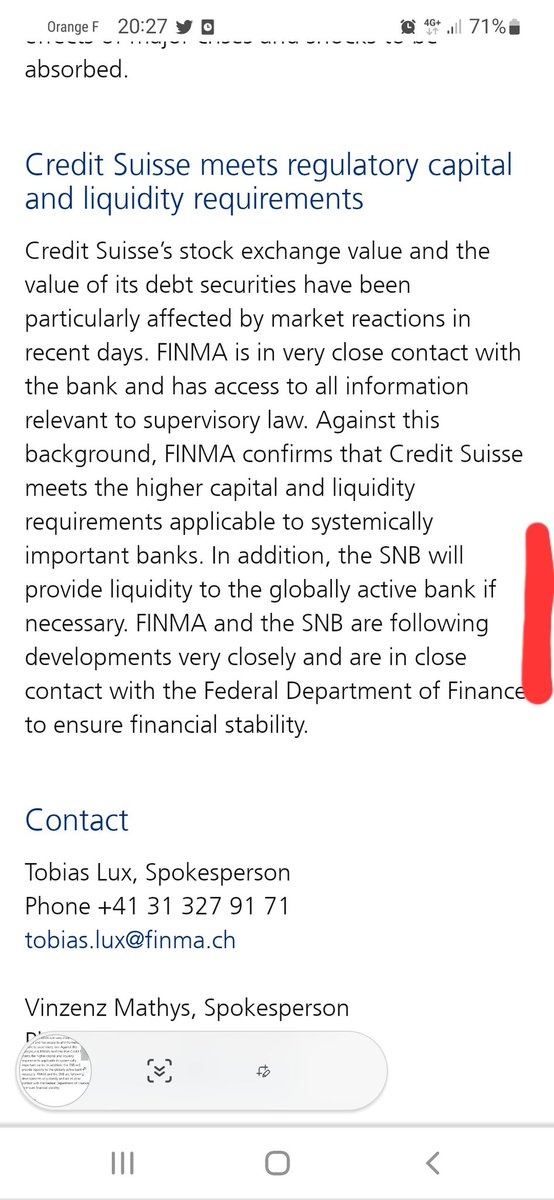
When discussing bank bail-in/bailout there's one piece of legislation that analysts keep forgetting but had an impact in some cases in the past: bilateral Investment treaties.
That's what the standard Swiss clause looks like.
The 2-year yield has plunged more than 100 bps in a week and a half.
These kinds of stories typically follow.
---
(Bloomberg) -- Veteran macro trader Adam Levinson is shutting down his hedge fund after being hit by losses amid ongoing bond market volatility.
Levinson’s Graticule Asia macro hedge fund has plunged more than 25% this year, mostly during the days after the collapse of Silicon Valley Bank, according to people with knowledge of the matter.
His bets tied to front-end rates imploded and erased years of gains, the people said, asking not to be identified because the details are private.
---
There will be many more of these kinds of stories in the days/weeks ahead.
The chart will help explain why.
The second-highest bond market volatility reading in the last 30+ years (only the week of the TARP bailout was higher) means a lot of bond players are in a "very bad place."
And no, this is not zero-sum. The number of winners from the plunge in rate and big volatility will be much smaller than the number of losers.
Lots of really bad takes about SVB. Let’s try and correct
This is not a solvency crisis like 2008. Bad loans or poor investments were not made. Money was not lost. So, everyone is going to get their money back. (And please no takes about no interest rate hedging. Asset/liability mismatches are how banking works.)
Instead this is an old fashion 1930s liquidity crisis. Too many depositors demanded cash at once (as in right now) and SVB (and SI) could not convert loans and securities (and crypto) to cash that quickly. So, everyone is getting their money back from SVB (and SI), just not at 8AM Monday. And, yes this is a big problem as this is working capital for a lot of companies. They have payrolls to meet and vendors to pay next week. And if they don’t pay bills and employees, they in turn don’t pay their bills and this can quickly cascade into a major economic problem.
The important question is why so many demanded their money back at once. And I’m not referring to the last two days. I’m asking about the days/weeks leading up to this last two days forcing SVB to sell securities and realize a $1.8B loss, necessitating a capital raise. Why were depositors withdrawing in big enough amounts before Thursday/Friday?
First, welcome to the world of mobile banking. Gone are the frictions of standing in line with tellers instructed to count money slowly. (Media images of lines Friday were largely gawkers)
How did $42 billion get withdrawn Friday alone without thousands in line? Answer, your phone! This is not the Bailey Savings and Loan anymore.
This should scare the hell of bankers and regulators worldwide. The entire $17 trillion deposit base is now on a hair trigger expecting instant liquidity.
Add in social media and millions get a message, like Peter Thiel telling Founders companies to pull out, or Senator Warren gloating that SI went under, and pick up their phone open a Chase account and Venmo-ed their life savings into it in 10 minutes. Instant liquidity (not solvency) crisis with everyone still in bed.
Banking will never be the same.
The second, and I did a long thread on this on Friday … banks are over-reserved, after 14 years of QE, and are still paying 0.50% on accounts when T-bills are yielding 5.00%. They don’t need to compete for deposits.
Initially as rates passed 2%, 3% and 4%, the public did not notice. So bankers thought deposits were well anchored at their bank and not moving regardless of the interest rate paid.
But at 5% the public finally noticed, and millions reached for the phone at once and transferred to a money market account or Treasury direct to buy T-bills. Banks were squeezed to convert loans and securities to cash instantly so depositors could leave for better rates.
Add in the bleed out from tech firms struggling, and Senator Warrens tweeting with glee about SI going out of business, and depositors at SVB got the message and picked up their phones and acted.
This is why I have been tweeting that this has to stop now. The Fed is meeting Monday at 11:30. Too late! They need to meet today (Sunday) at 11:30.
What needs to be done? Two things.
The FDIC needs to raise the deposit insurance ceiling to unlimited as they did this in 2008. Besides $250k is a made up number anyway. So make up a bigger number.
Banks need to get their deposit base to stop figuring out how to buy a 4.5% money market fund. They need to raise the interest rates they pay 3.00% - 3.50%, from 0.50%, immediately. Yes, this will kill bank profitability so expect Bank Execs to balk at doing this.
This way the public gets the message that you money is safe, no matter the bank, or the amount, and the rate paid on your money is at least competitive with other alternatives. So, do nothing.
Otherwise, if we are all waiting for the Fed to START a meeting at 11:30 Monday, hundreds of billions of deposits will have moved by phone and it will be far worse.
¿Es importante el momento del día (mañana, tarde, noche) a la hora de hacer ejercicio en relación a los efectos sobre la salud?¿Cómo y cuándo poder maximizar los efectos beneficiosos?¿Afecta por igual a todos?
Os lo cuento brevemente. Agradezco RT.
🚨 PORTADA FEBRERO: 𝐂𝐨𝐧𝐬𝐭𝐫𝐮𝐲𝐞𝐧𝐝𝐨 𝐁𝐚𝐬𝐤𝐨𝐧𝐢𝐚 🚨
🌟Entrevistas exclusivas a Joan Peñarroya y Markus Howard.
💣¡RT este tweet y entra directo en el sorteo de una camiseta FIRMADA por MARKUS HOWARD!
🛒Reserva ya: https://t.co/Eo6hIcniG5