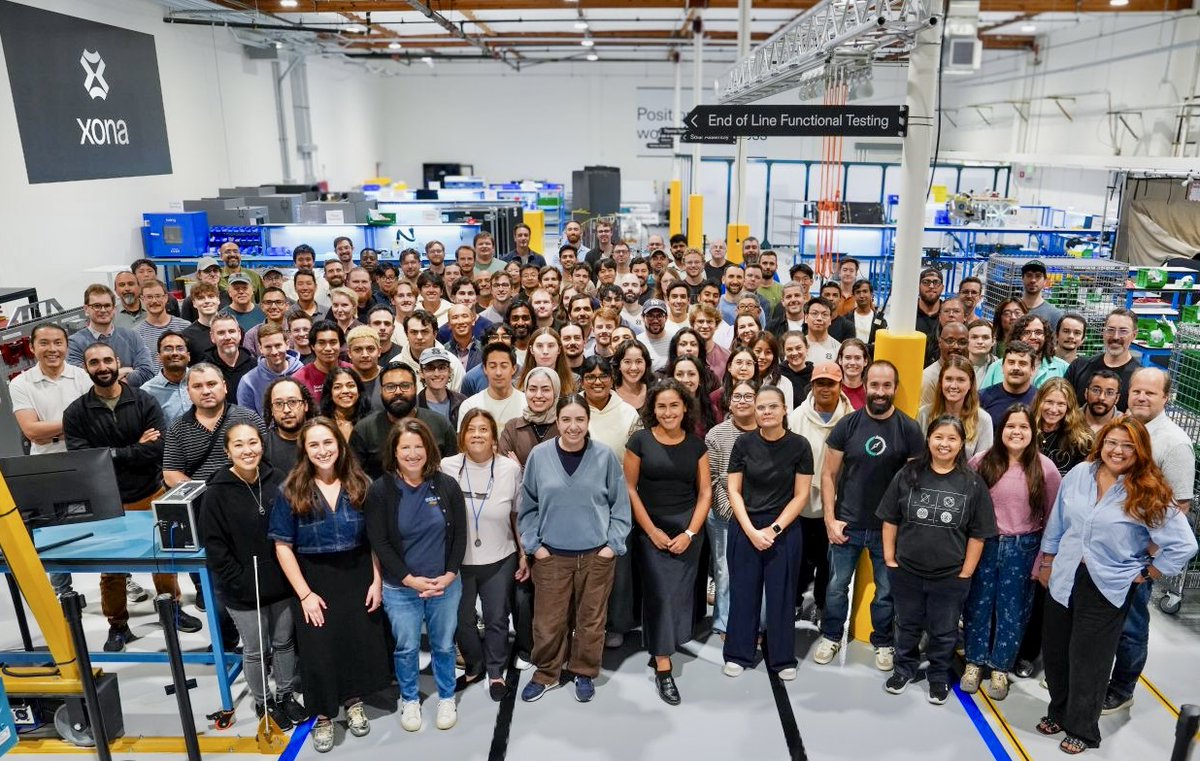
Two weeks after launch, our production satellites are progressing well through commissioning and on schedule to begin delivering Pulsar service in mid-2027.
Our test satellites are doing exactly what they were designed to do: teaching us what updates we need to make to our designs, manufacturing processes, and operations for the next batch of Pulsar satellites which are already in production today. First big software update going up this week. Will share more updates soon.
From Burlingame to space and beyond!🚀 Congratulations to @XonaSpace on the successful launch of SIX satellites this week. Since their grand opening in April, Xona has continued to push the boundaries of GPS innovation. This milestone marks an exciting step forward for next-generation satellite technology!🛰
ICYMI: Xona CEO @FoundTheSpace and Future Ventures @FutureJurvetson joined Fox Business to discuss modernizing satellite navigation with stronger signals, centimeter-level accuracy, and greater resilience to jamming and spoofing.
Xona CEO Brian Manning explains how he’s using the SpaceX playbook to build a GPS alternative once reserved for superpowers:
"SpaceX is famous for the SpaceX algorithm, the process by which you design and build things. Step one is get rid of dumb requirements. All the same steps are things we’ve carried over into Xona."
"Historically, GPS has been the realm of exclusively superpower governments."
"The only entities that have ever built a satellite navigation system operating on a global scale are the US government, the European government, the Chinese government, the Russian government, and now Xona."
@XonaSpace
🛰🛰🛰 A great group of investors just invested $250M in next-gen GPS from Xona.
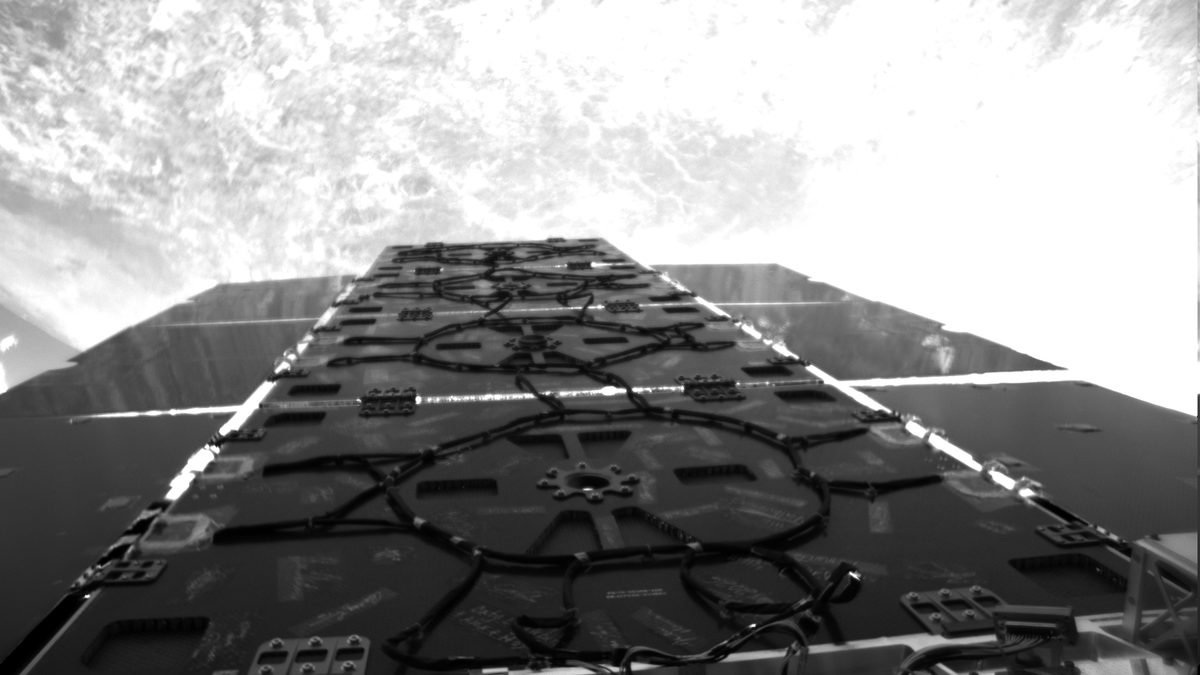
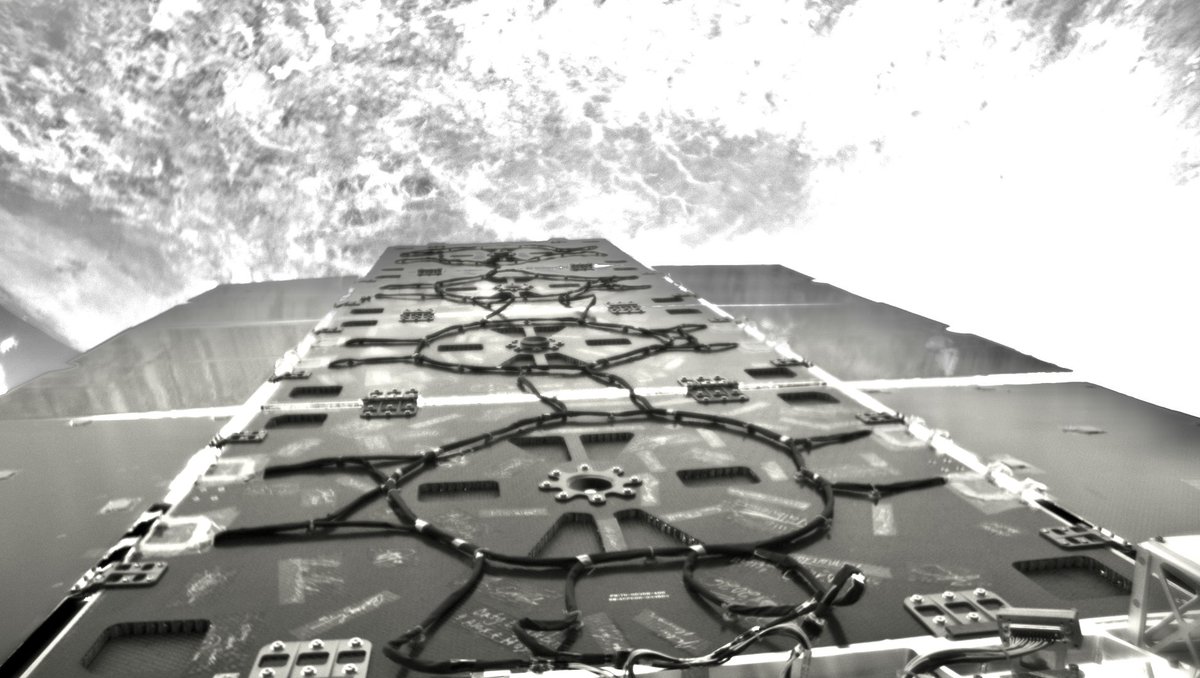
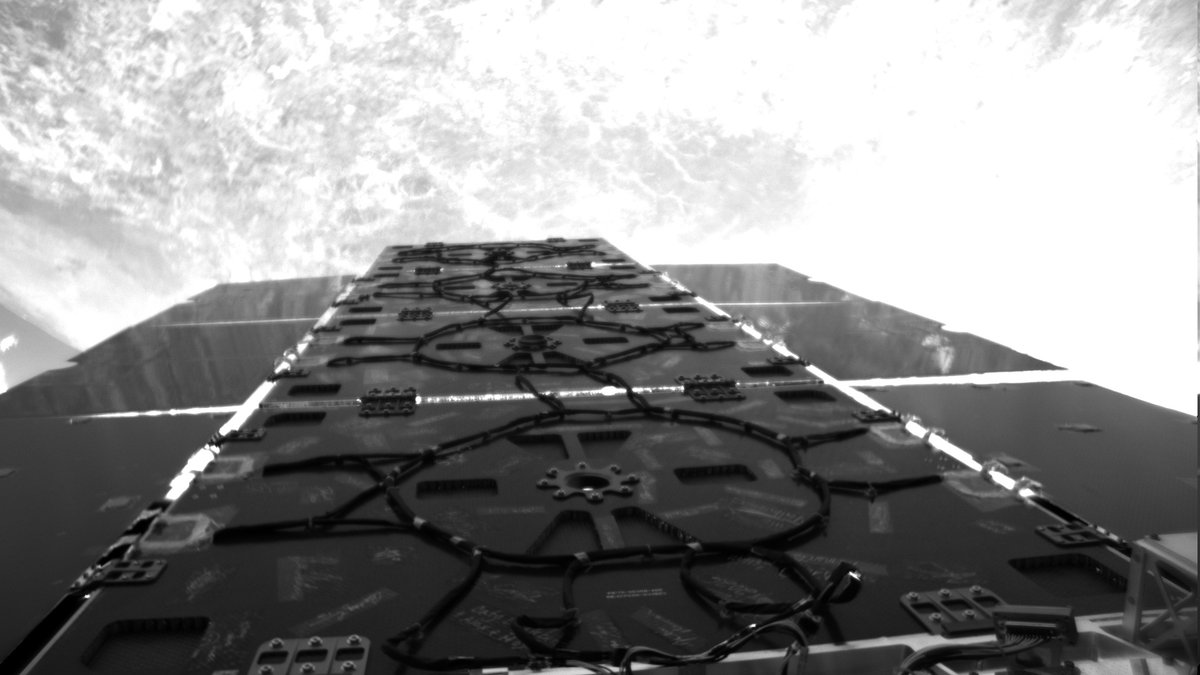
On Tuesday, SpaceX launched 6 Xona sats, all operational. You can see one deployed in space in the last image, adorned with team signatures.
Xona holds the first and only FCC license to operate a commercial GPS service. By flying a constellation closer to Earth, the service is 100x more powerful, so it even works indoors. And more precise, to cm resolution. And more secure and robust to spoofing. And it’s backward compatible with existing GPS systems. Commercial service begins in 2027.
Excerpts from Forbes today:
“CEO Brian Manning, a former SpaceX engineer who cofounded Xona in 2019 with seven fellow alums of Stanford’s aeronautics and astronautics department decided to raise again after “seeing an immense amount of incoming demand, which I think is a reflection of the progress we have made. We started the year with technically an empty warehouse, and now we have a functional satellite factory.”
Jurvetson was an early investor and former board member in Tesla and has a stake in Elon Musk’s Boring Company. Xona is his third space investment, with satellites apparently becoming something of a specialty.
Satellites have three major markets, each of which involves a distinct set of hardware and a tailored altitude. Jurvetson’s portfolio neatly spans the trifecta: SpaceX’s Starlink offers communication services; geospatial imaging company Planet photographs Earth; and Xona is working to disrupt the third industry segment, navigation, which has historically been dominated by government-run services like GPS.
The U.S. Defense Department developed GPS in the 1970s. The system identifies locations using a constellation of satellites that revolve at a mid-altitude orbit; it also has the benefit of being free. But the flaws of GPS are becoming impossible to ignore. Because its signals are fairly weak, new technologies are increasingly able to jam them with competing transmissions or even “spoof” them with imitation radio waves. This is a particular problem on the modern battlefield—Russia’s electronic warfare tactics are forcing Ukrainians to supplement GPS with backup navigation systems—but it’s disrupting civilian life as well, including commercial travel, which still overwhelmingly uses GPS. “The world’s in a pretty dangerous place relying on GPS alone,” says Manning.
Xona is working to create a stronger and more reliable alternative. Following the business model that Starlink popularized, it plans to mass-produce low-orbit satellites, link them into a commercial network and then sell its services. It expects to deploy 258 satellites into an initial constellation it’s calling Pulsar, which will orbit at a lower altitude than GPS and therefore transmit more powerful signals. Pulsar’s wide-bandwidth radio waves and cutting-edge software will also make it particularly accurate; it will offer centimeter-level precision, which GPS can typically only achieve after applying correction data.
“Fortune favors the bold,” says Jurvetson, who returned to Forbes’ Midas list of top venture investors. “We’ve seen entirely new commercial markets emerge in space, from rideshare launches to daily observation of the entire Earth, that few could have imagined before SpaceX and Planet did it. Xona has the same level of ambition: bring commercial innovation to a domain historically reserved for nation-states.”
This $250 million venture round—which brings the company’s total funding to over $570 million—comes just days after Xona hit a key milestone. On Tuesday, it officially kicked off the rollout of its commercial network by launching six satellites into orbit on one of SpaceX’s Falcon 9 rockets.”
Company: https://t.co/qQrTfjv4w6
Fresh off a $250M Series D, @XonaSpace CEO @FoundTheSpace breaks down the limitations of GPS from the everyday consumer to autonomous machines, and Xona’s mission to build the next generation of global navigation infrastructure in Low Earth Orbit.
$250M in new funding. $2.45B valuation. Six satellites launched this week.
Xona's Series D builds on major milestones in technology readiness, manufacturing scale, and commercial deployment as we accelerate toward serving users in 2027.
The next era of global navigation is closer than ever.
The Honourable Mélanie Joly, Canada’s Minister of Industry, visited our Montréal team to see how we’re expanding the mission operations, space systems development, and advanced manufacturing capabilities needed to scale Pulsar toward our full 250+ satellite constellation.
Announced today, a $15 million investment from the Government of Canada through the Strategic Response Fund will support Xona’s $64.8 million project to expand the industrial and operational infrastructure behind Pulsar.
Six Pulsar satellites deployed successfully on Bandwagon-5.
Commissioning will occur over the weeks ahead in support of serving early customers mid next year.
6 Xona Pulsar sats are locked and loaded for the SpaceX Bandwagon launch Monday morning. Their next-gen GPS antenna is visible (the white rings on center left), very different from their first flown design, from the post below.