KAMPALA’S PARADOX: BROKE, BUT EVERYTHING IS BOOKED
Kampala defies economics. Every weekday morning, timelines are full of “money has refused,” “ground is tight,” and screenshots of empty Mobile Money wallets. Ask ten friends for 50k to fix your car and nine will send ICU-level voice notes about money “stuck on the high seas” or a relative struck by lightning. The tenth will blue-tick you forever. Online, the city looks one bad day from returning to the village to farm.
Then Friday 11:30 PM arrives. Try finding parking near a bar in Nakawa, Kololo, Bugolobi, or Kira Road. You won’t. The jam inside the parking lot beats Jinja Road at rush hour. Who’s buying pork platters that wipe out a pig family tree? The same people who were begging in your inbox at 9 AM. We’re a city of professional mourners who cry poverty while holding premium beer. Broke, but broke with class.
Weddings explain it. A couple on entry-level salaries with no savings for a sofa will plan an 80-million-shilling event. They create a WhatsApp group, hold weekly meetings, and pressure friends to pledge 500k. Skip it and you’re labeled a witch. On the day, decorations cost more than the groom’s annual salary. By Monday, the couple is back in their rented house with zero balance, wondering about charcoal.
Funerals are worse. They’re now high-budget productions. People who never sent money for hospital bills chair the burial committee. Budgets cover sound systems, five tents, city caterers in the village, and gold-handled caskets. Thirty Subarus and Harriers burn fuel like water to Budaka or Masaka. We can’t afford healthcare alive, but we’ll spend millions for a luxury send-off.
Church completes the cycle. The same people dodging landlords Saturday show up Sunday in designer suits, cars running on fumes. Celebrity pastors say your business is failing because your tithe lacks “spiritual weight,” then ask for a 500k “prophetic seed.” A man owing school fees will empty his pocket at the altar, convinced a miracle will hit his Mobile Money by Monday.
School fees season is psychological warfare. A kindergarten circular reads like a national budget. Beyond tuition, parents must bring army-sized toilet paper, brooms, reams of paper, and sugar. Graduates haul brooms like herbalists. We curse the schools, but opening day brings a traffic jam of fuel-guzzlers dropping off kids with snacks for a village. We pay because an expensive school is 70% education, 30% status.
Kampala survives on side hustles, selective broke-ness, and rotating debt. No one lives on salary alone. The HR manager imports iPhones by 2 PM. We move landlords to tears over rent, then spend 250k on concert tickets that night. Money just circulates from Airtel Money to MTN Mobile Money. Everyone owes everyone.
Kampala squeezes you with potholes and power cuts, then a friend calls with “two mutual bottles on the table.” We’re broke, stressed, and in the red. But with God’s grace, good music, and Ugandan audacity, we survive.
Which Kampala “scam” is draining you most: corporate loans, wedding committees, school requirements, or celebrity pastors?
✍🏼: Deox
Suppliers are becoming retailers just to survive, margins are disappearing and the taxman somehow knows your profits before you do.
Everyone is undercutting and chasing cash flow from the same customer. Business lately feels less like growth and more like survival. Keep that day job
In 458 BC, Rome was on the brink of collapse.
An invading army had trapped the Roman consul and his legion in a mountain pass. Panic spread through the city. The Senate did the only thing they could think of:
They sent messengers to find a 60-year-old farmer plowing his field.
His name was Lucius Quinctius Cincinnatus. He had once been a senator, then lost his fortune paying his son's bail. Now he worked his own four-acre plot just to feed his family.
When the Senate's envoys arrived, they found him sweating behind a plow. They asked him to put on his toga so they could deliver an official message.
The message: Rome was making him dictator. Absolute power. Total command of the army. No checks. No oversight. No term limit.
He accepted.
Within 16 days, Cincinnatus had raised an army, marched out, surrounded the enemy, and forced their surrender. The republic was saved.
He had legal authority to rule for six months. He could have stayed. He could have expanded his power. He could have done what every other ruler in human history did when handed unlimited control.
Instead, he resigned on day 16.
He took off the toga, walked back to his farm, and finished plowing the field he'd left half-done.
Twenty years later, when Rome faced another crisis, they called him back. He was 80 years old. He took command, crushed the conspiracy, and resigned again, this time after just 21 days.
He died poor. On his farm.
2,200 years later, when George Washington was offered a kingship after winning the American Revolution, he refused and went home to Mount Vernon. The reason he was hailed as "the American Cincinnatus" is because Europeans literally could not believe a man who had won would willingly give up power.
King George III, on hearing Washington would resign rather than rule, said: "If he does that, he will be the greatest man in the world."
The lesson isn't that Cincinnatus was humble.
The lesson is that for most of human history, the people most qualified to lead were the ones who didn't want to. And the moment a society starts rewarding those who chase power instead of those who flee from it is the moment the republic begins to die.
Cincinnati, Ohio is named after him.
Most people who live there have no idea why.
You rely on military intelligence from foreigners.
Your son in-law’s dairy company is a cover up for someone in that line of business.
In 2023, you wanted to give monopoly of our coffee to an Italian businesswoman.
What do you know about sovereignty? Msteww
I'm obsessed with cognitive biases.
A "cognitive bias" is a built-in glitch in our brain that quietly sabotages good decisions.
These are the 11 craziest and most dangerous cognitive biases I've found: 👇
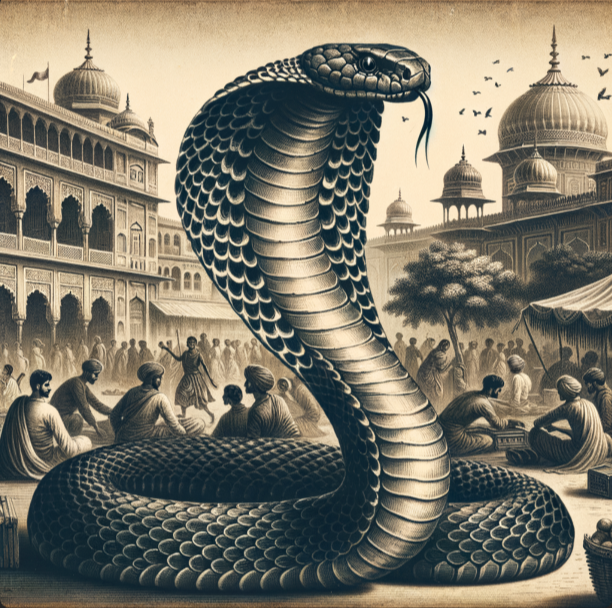
1. The Cobra Effect
There is a Japanese Legend that says:
"Whether it's a machine, a house, or a relationship... Maintenance is always cheaper than repairing." What you don't maintain, you eventually lose.
Buy your children a book every month and have a date to talk about the book and what they’ve read. Talk about the characters like they’re real. Bond over literature. Debate the lessons and decision making. Over food and drinks. Cultivate readers and build their collection