From a first-principles point of view, fusion is the future, just like that big moving reactor in the sky.
Gold is only a by-product, not the end goal here, and as a secondary benefit, the ~17-year radioactive cooling period is acceptable in the long term.
It feels like a win-win if they can scale fusion itself to revolutionize clean energy, which remains the real challenge.
Last month, we demonstrated high-rate alchemy: turning mercury into real, stable gold, beating CERN’s record by a factor of 10.
Last week, we enriched isotopes in the world’s most powerful plasma centrifuge, beating the Soviet record that stood for 40 years.
Now, we’re building a fusion reactor in San Francisco to achieve record power density.
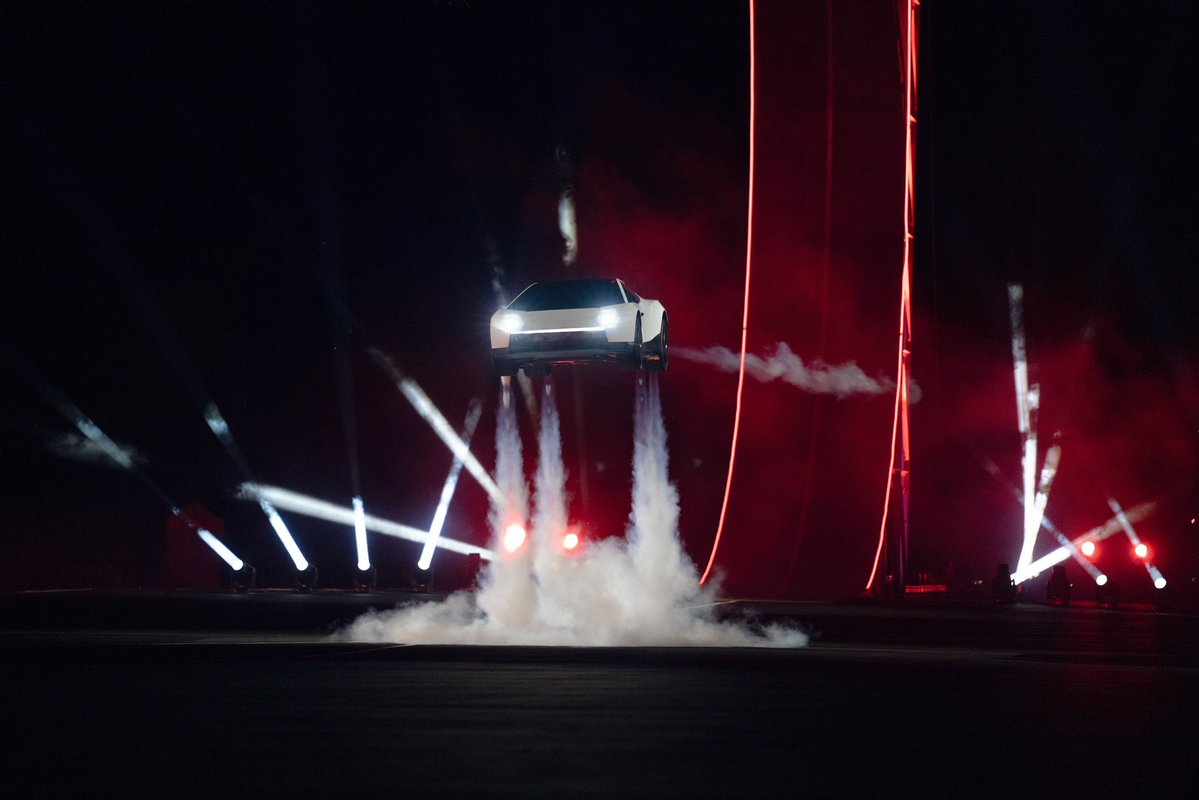
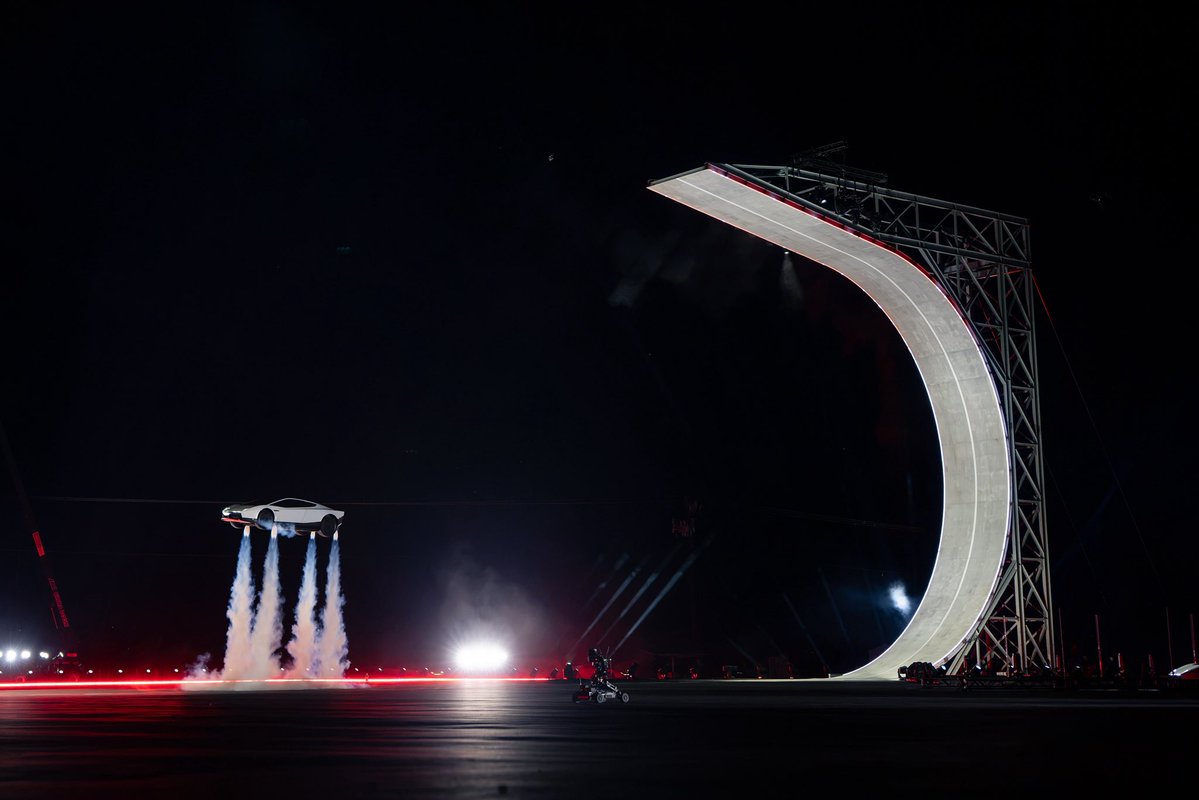
This vehicle design is far more interesting as a technology demonstration for low-gravity environments than as everyday Earth performance hardware.
These cold-gas thrusters would work ~6× better on the Moon and ~3× better on Mars.
Used to approve every step a coding agent planned. Thought that was caution. Now I just let it run. Not more trust, I can't read it fast enough anymore. The hard part is no longer watching the work. It's saying what I want to build before it starts deciding for me.
Sounds interesting, but the 4.8–6.0 GHz raw I/Q path still sits on a normal Wi-Fi front-end. Typical TX power is about 15–18 dBm, and the tiny PCB antenna is closer to 2 dBi, not 15 dBi. The useful range is short, like couple of meter unless someone adds an external antenna.
On the other hand, the RX is a different scenario though.
After years of research, Project Suncatcher is scheduled to embark on its first test in orbit, launching a prototype satellite to evaluate how Google Tensor Processing Units (TPUs) perform in space. Learn more about the science behind this moonshot. ⬇️ https://t.co/GGTH2tZOHZ