I still remember the day Shuttle Columbia was lost during reentry (2003). Seeing that headline — and knowing Kalpana Chawla was onboard — was heartbreaking. That moment planted a seed: one day I wanted to be a part of India's space journey.
#KalpanaChawla#SPACESHUTTLE
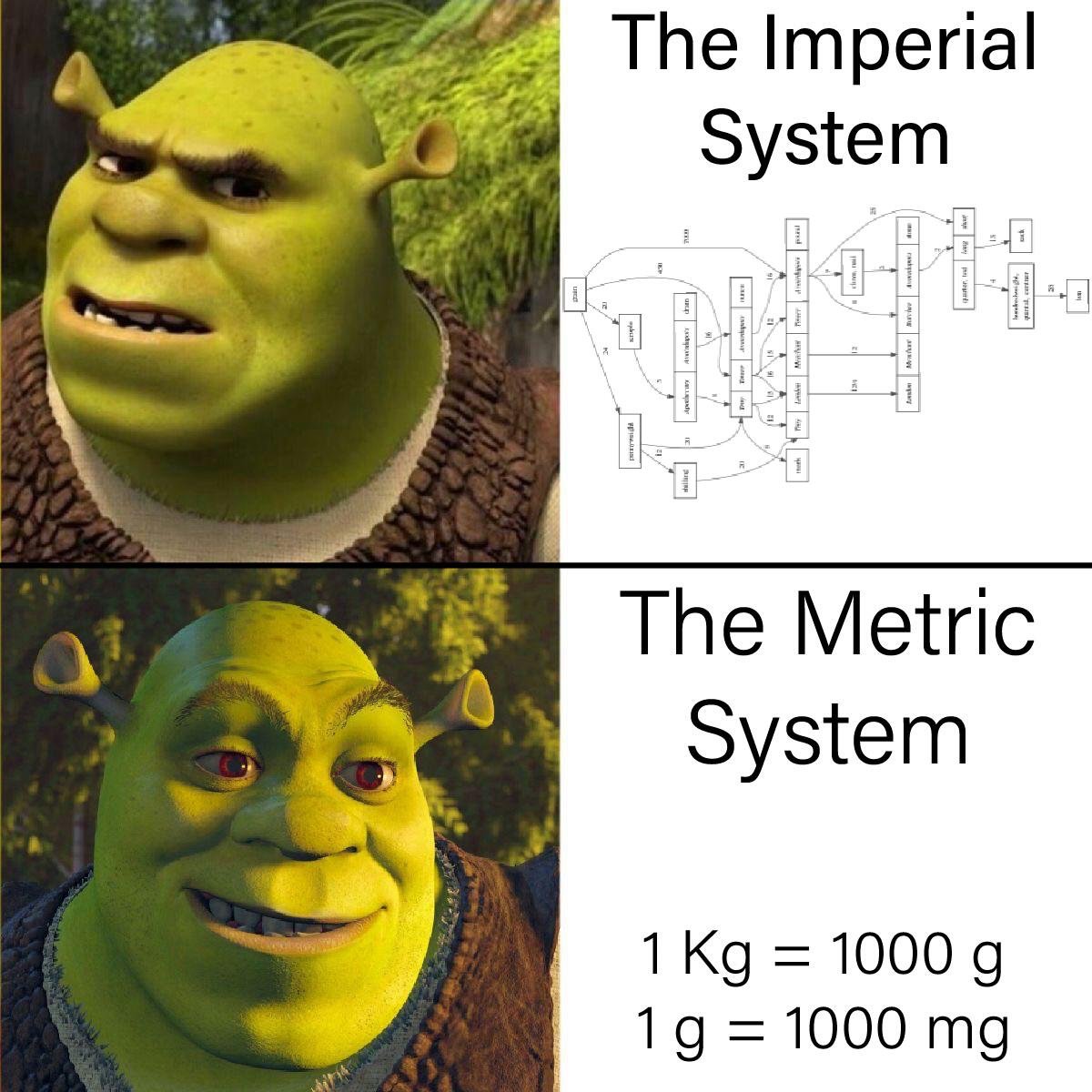
It is frustrating to track @NASA's updates when they are not in SI units! Looking at distances and speed in miles and mph for @NASAArtemis is painful :(
From dreaming about space to helping build for it - and now driving India’s private space future.
Grateful to play a small part in India’s story among the stars. The dream lives on. 🇮🇳🚀
#ISRO#NewSpaceIndia#IndiaInSpace
I still remember the day Shuttle Columbia was lost during reentry (2003). Seeing that headline — and knowing Kalpana Chawla was onboard — was heartbreaking. That moment planted a seed: one day I wanted to be a part of India's space journey.
#KalpanaChawla#SPACESHUTTLE
Today I work on the other side - with India’s private space industry at @sat_sure along with @pbasu_space and @arpanksahoo. The mission remains: build world-class systems that expand what’s possible from India. Proud to be part of this next chapter.
#NewSpaceIndia
Data centers in orbit? Of course that’s your contention. Of course it is.
You just finished watching a Scott Manley video on radiative heat transfer and now you think you’re gonna disrupt AWS with a few solar panels and a rideshare slot.
You’re gonna believe that right up until next month when you crack open DeWitt and Incropera and start throwing around σT⁴ like you just invented radiation physics, quoting emissivity tables for polished aluminum like they’re forbidden knowledge.
Then you’ll finally open SMAD and realize your radiator isn’t some static plate glowing into the void. It’s a dynamic structure with a wicked case of thermal flutter reminiscent of Hubble’s arrays. You’ll be quoting beta angles and Earth albedo coefficients and wondering why your deployable array grenaded in vibe when the first bending mode clocked in at 38 Hz instead of the 50 Hz you promised in CDR.
After that you’ll get real ambitious, quoting Johnson and Fabisinski on inflatable polyimide PV structures, pretending you actually understand what happens when your 25-micron Kapton sail is tensioned off a Toray T1100G Cycom 5250-4 boom that has been sun-baked at 120 °C for six months in LEO. You’ll cite “areal density optimization” like gospel while your resin creeps, your modulus drops, and your perfectly flat film turns into a potato chip.
"Well, as a matter of fact, I won’t, because launch costs are about to fall another order of magnitude once Starship hits cadence. The cost per kilo will—"
Drop by tenfold and the economics flip.
Yeah, I’ve heard that one. The Wired 2012 quote, “You wouldn’t build a Boeing 747 and throw it away after one flight.” I remember. I even asked him about that over lunch once, whether the market was actually elastic enough to handle the supply increase from reusability.
Turns out it wasn’t. Non-Starlink launch mass in the United States grew at 13.7 percent CAGR from 2015 to 2023. Payload demand didn’t scale with flight cadence, so prices didn’t collapse, margins just swelled. That’s why they had to invent Starlink. When the market can’t absorb your rockets, you start building your own payloads.
Is that your thing? You read some Marc Andreessen “American Dynamism” manifesto and suddenly start ignoring the engineering realities?
You start throwing around a few buzzwords to impress the Twitter anons and earn some street cred for having a contrarian opinion?
One, don’t do that.
Two, you dropped a 500-thousand-dollar seed check on a concept that could have been debunked by a dollar-fifty worth of tokens from Grok.
"Well, at least I’m a capital allocator. We’ll be skiing in Hokkaido while you’re doing bolt preload calculations for some bridge somewhere."
Yeah, maybe. But at least I won’t be unoriginal or anonymous. I’m out here asking why the hell we’d melt the brains of a thousand aerospace engineers just to save four cents per kilowatt-hour on solar electricity.
First principles isn’t about getting nerd-sniped by a shiny-object problem. It’s about asking whether we should be solving that problem at all.
But hey, if you’ve got an issue with that, we can always take it up with E.
@fikocian@somefoundersalt Thanks for this interesting stat, Filip. I’m now considering to apply at Dishoom. May be my Indian cooking skills will finally be rewarded better than my space systems skills.
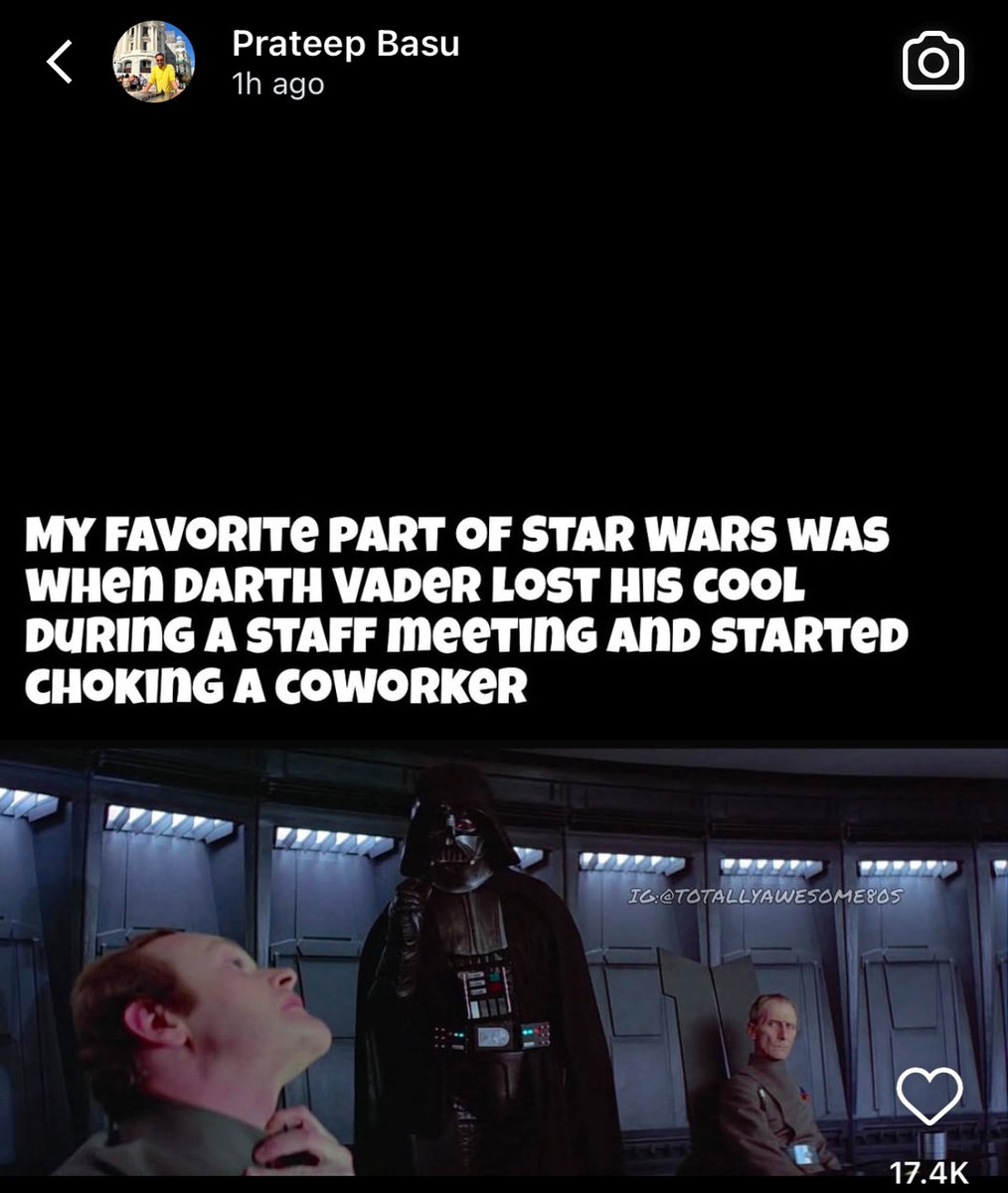
When your CEO @pbasu_space sends you this meme, it might be time to upgrade my Jedi mind tricks. Force choke resistance training, anyone? Suggestions are welcome for the next meeting! 😅⚡️
Low elevation pass of the @isro Space Docking Experiment SpaDeX A and SpaDeX B. Recorded today, 2024-12-31, between 05:27:10 and 05:27:20 UTC from the South American site.
TIL the origin of “Skunk Works”! Never knew the name came from a stench near a plastics factory - a peculiar start for such a legendary aviation powerhouse. #skunkworks#lockheed