Associate Professor with interests in public administration/policy/S&L gvt. Bama fan and weekend photographer. Tweets are not representative of anyone but me.
Bill Clinton: “Me maté intentando darles un Estado a los palestinos. Tenía un acuerdo que rechazaron que les habría dado toda Gaza y el 97% de Cisjordania. Lo que sea. Lo rechazaron todo. Sólo querían matar judíos.”
Los palestinos nunca quisieron la paz.
3 Communists walk into a bar, one orders a $15 mixed drink, one a $10 Martini, and the other a $6 beer. When the bill comes, based on their mantra, they are forced to split the bill equally.
Next week, the three, once again, return to the bar, but this time, they all ask for separate checks, so the bartender asks them, why aren’t they splitting the bill equally, since in communism, everyone pays the same fair share. The three communists reluctantly agree, and once again split the check 3 ways.
The following week, the three communists return, but with a mob of devoted followers, and protest the bartender, to change the prices of all their drinks, to the cheapest drink on the menu.
In fear of his business vandalized or burned down, the bartender agrees. So the following week all the communists come in and enjoy their $6 equally priced drinks, and celebrate the successes of communism.
The Communists continue this for several more weeks, until one Friday they return to the bar, to find it closed, with a sign out front, stating that the bar is out of business.
And that comrades, is how communism works.
🇺🇸 One of my favorite pieces of American trivia is that Richard Nixon is the only U.S. president to perform at the Grand Ole Opry.
Come for Nixon playing “God Bless America.” Stay for his surprisingly erudite reflections on country music at 1:30
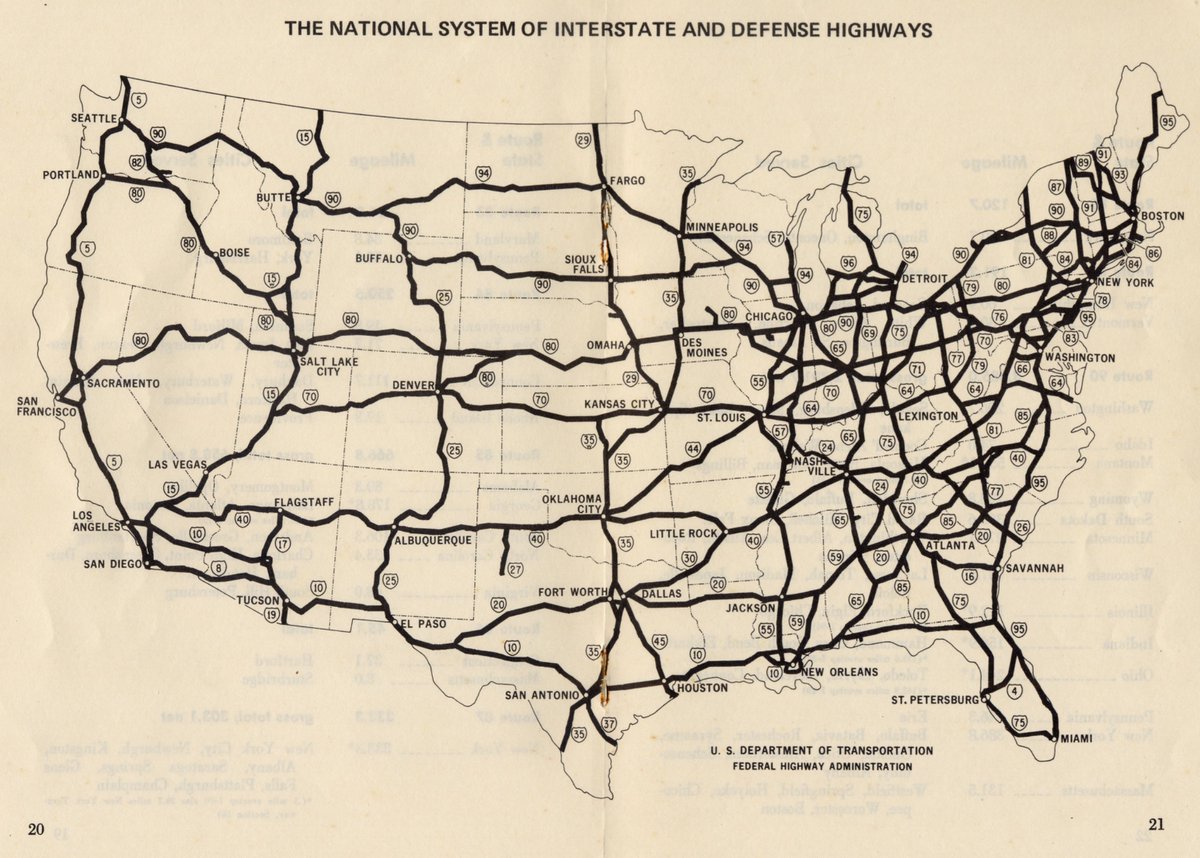
Seventy years ago, President Dwight D. Eisenhower signed legislation establishing the Interstate Highway System, initiating what would become the largest public works project in history.
On June 29, 1956, President Dwight D. Eisenhower signed the Federal-Aid Highway Act, formally creating the National System of Interstate and Defense Highways. His vision for the network was shaped in part by his experience in the 1919 U.S. Army transcontinental convoy and his later observations of Germany’s Autobahn system during World War II.
The act authorized roughly 41,000 miles of high-speed interstate highways and established a funding structure in which the federal government covered about 90 percent of construction costs, largely financed through fuel taxes. The project took nearly four decades to complete and profoundly transformed the United States, fueling suburban expansion, reshaping logistics, and redefining the physical layout of American cities.
Union and Confederate veterans shake hands during the 50th anniversary reunion at Gettysburg, 1913.
Fifty years after the Battle of Gettysburg, thousands of aging Civil War veterans returned to the Pennsylvania battlefield where they had once fought as young soldiers. The 1913 Gettysburg Reunion commemorated the battle’s semicentennial and became one of the largest gatherings of Civil War veterans ever held. Men who had once faced one another across stone walls, ridges, and open fields reunited as survivors of the conflict that had transformed the United States.
Veterans were housed in a sprawling temporary camp near the battlefield, and many were now in their seventies or eighties. They revisited landmarks such as Cemetery Ridge, Little Round Top, and the site of Pickett’s Charge, where some of the war’s fiercest fighting had taken place in July 1863.
One of the reunion’s defining moments came during a ceremonial reenactment of Pickett’s Charge, when surviving Confederate veterans crossed the field and were greeted by Union veterans with handshakes instead of gunfire. More than 50,000 veterans attended the event, and the widely photographed gestures of reconciliation became enduring symbols of national reunion, even as many of the war’s underlying issues and legacies remained unresolved.
Several MLB owners and executives think expansion in MLB doesn’t make sense financially, per @BNightengale.
One executive said, “Why would we want to subsidize two more small-market teams? I don’t understand it. The economics don’t add up."
An owner said, “Those teams certainly won’t be paying money into revenue sharing, so it will be less money for everyone else. What’s the added benefit, to get more fans engaged? I’m not sure expansion will drive fan engagement in either market.”
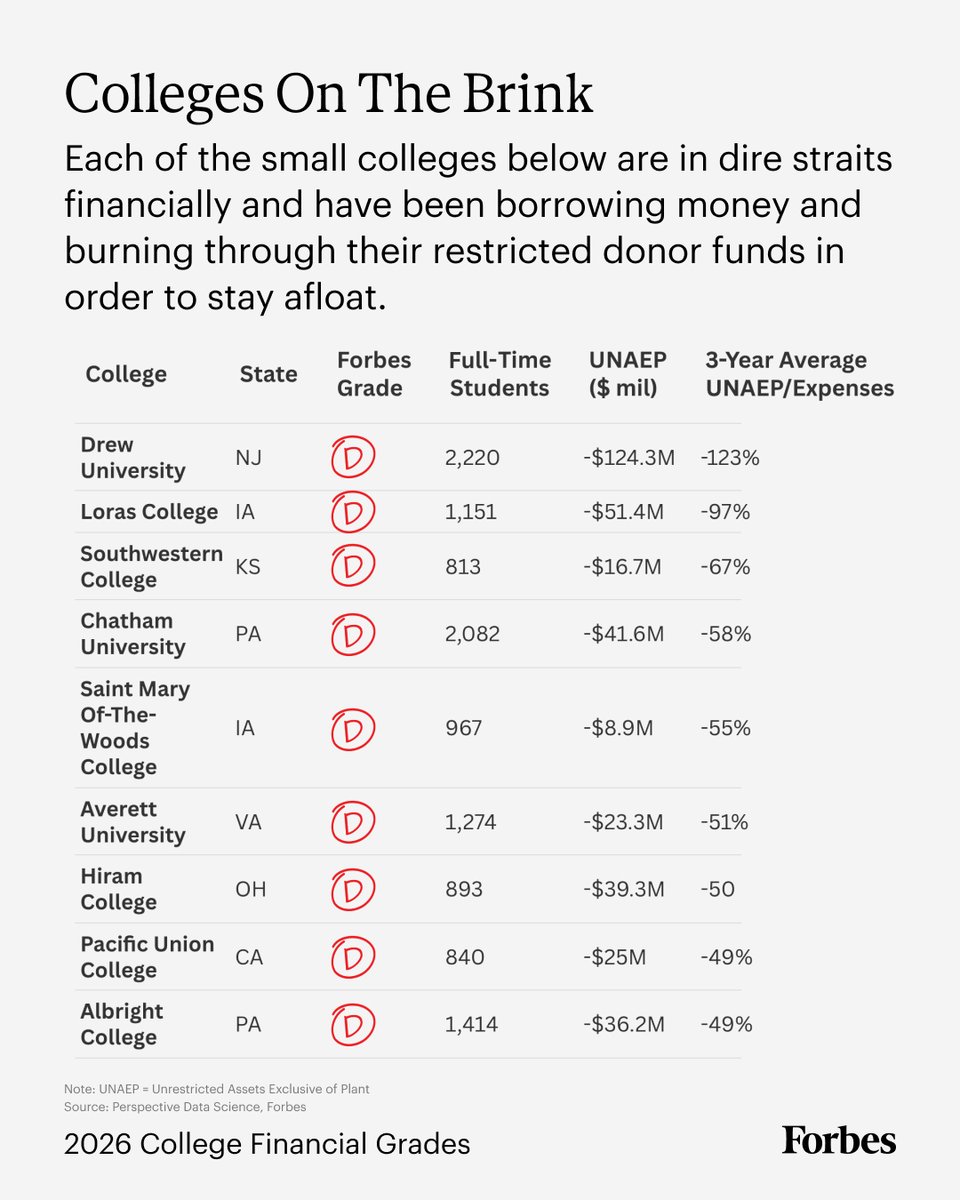
Across the country, schools are struggling financially to balance donations and borrowed funds in order to keep their doors open. As a part of Forbes's list of America's College Financial Grades, we reveal which institutions are trying to stay afloat.
Read more: https://t.co/8xbKae8e63