Day 1 of the #30DayChartChallenge. Theme: Parts-to-whole
At @hellothibi we have been prototyping a data storytelling tool and I will be using it to create charts over the next 30 days.
We knew very little about how LLMs actually work...until now.
@AnthropicAI just dropped the most insane research paper, detailing some of the ways AI "thinks."
And it's completely different than we thought.
Here are their wild findings: 🧵
Filipino journalist @jaemark started on a project to see if he could use AI to create a tool that would allow anyone to interact with the Philippines’ budget more easily.
Here’s how he did it:👇 https://t.co/wscRx2wjQz
This is very sound. If I had one piece of 2018 advice for literally everyone, it would be to talk, loudly and frequently and in detail, about the future you want. You can't manifest what you don't share. https://t.co/SeDwRqErnv
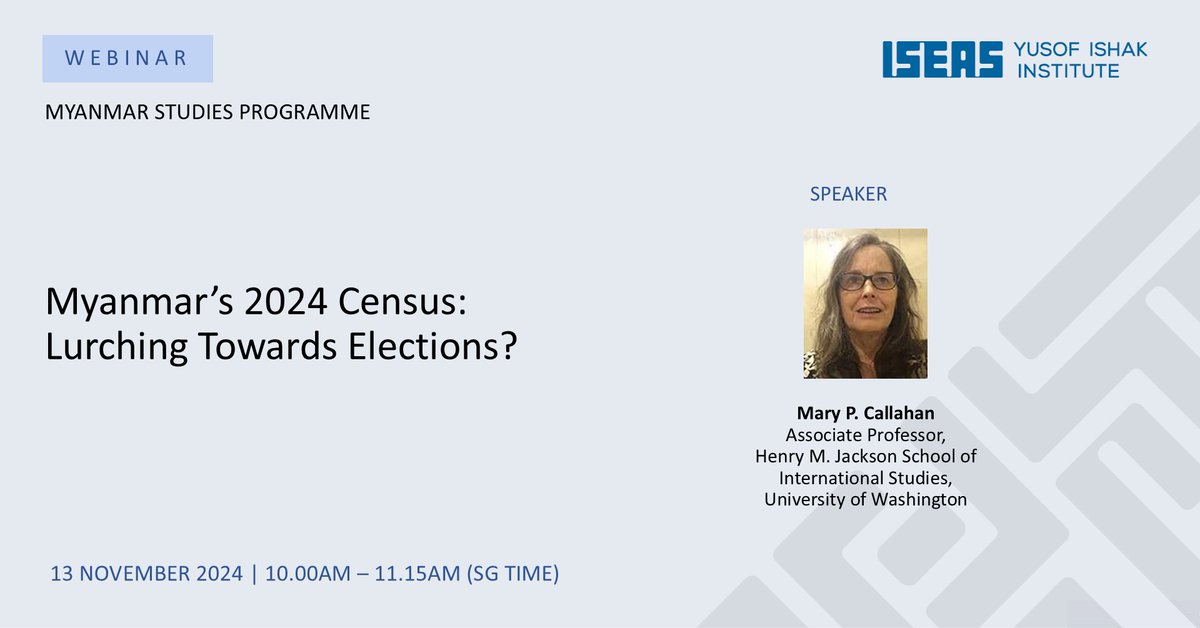
Join us for this webinar where we invite a long-time #Myanmar watcher and scholar to discuss preliminary findings about Myanmar’s 2024 census.
Sign up here - https://t.co/aJeKBzCnZ4
#WhatsHappeningInMyanmar
So, life got in the way of doing my #100DaysOfCode project but I'm back! Now that I have finally gathered all the data, I spent
Day 15 putting it all into a JSON for the front end
Day 16 building a simple version of the UI!
Here's some book recommendations from @ezraklein show
This paper explores DRC and Zambia’s plans to build a regional battery industry, leveraging their copper & cobalt resources, while navigating governance, geopolitical challenges, and international partnerships.
https://t.co/k4H1DXv3DA
By Patience Mususa, Michel Shengo Lutandula
#SJF24 Welcomes New Voices 🎙️
We’re thrilled to introduce additional speakers joining the SJF24 lineup! Join us for engaging discussions on science journalism with these remarkable professionals:
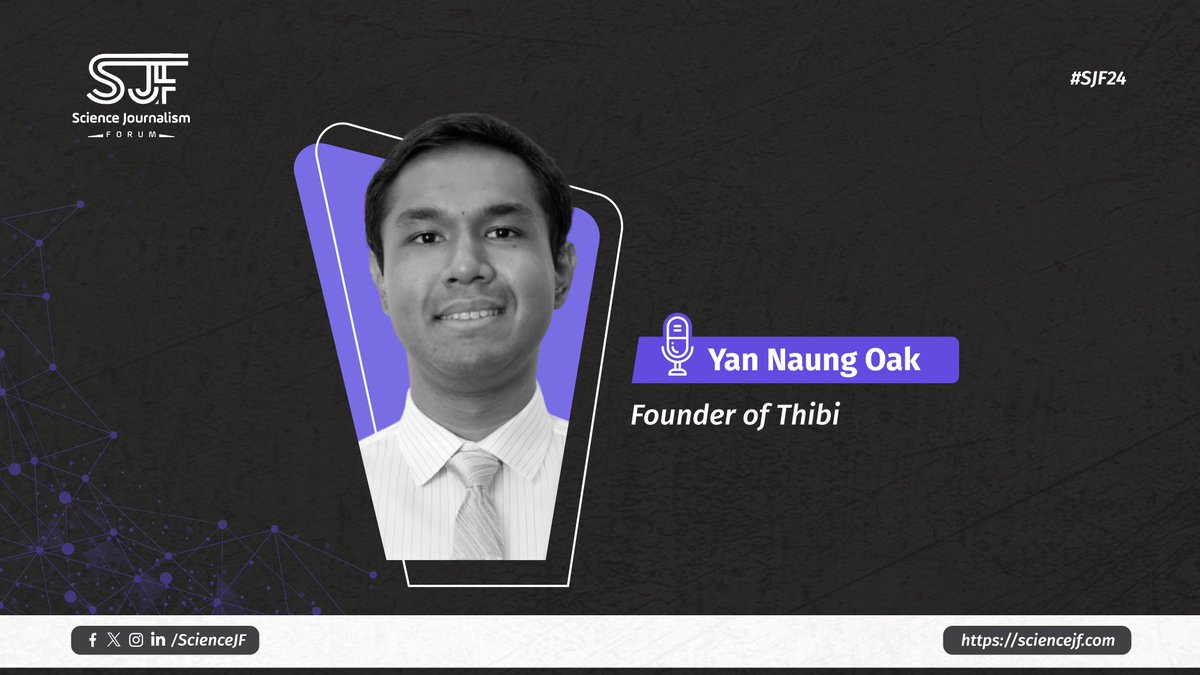
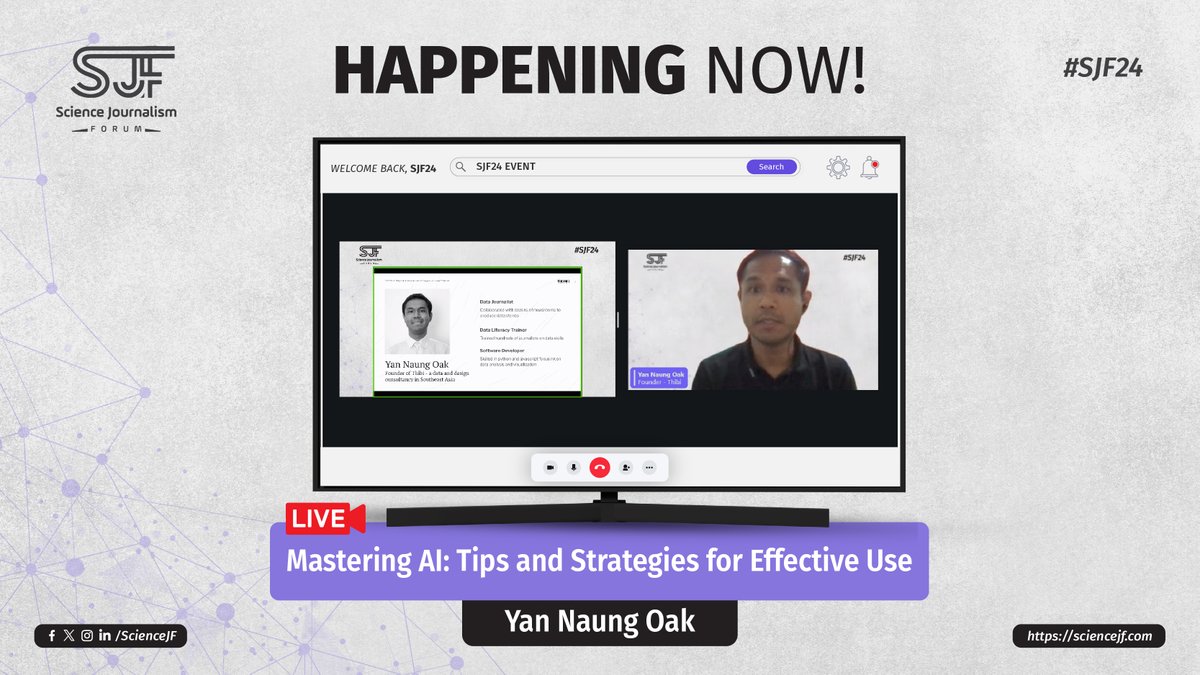
@yanoak: Founder of Thibi, advocating for data journalism, civic tech, and open data to empower independent media and civil society through technology.
Teresa Sofia Castro: Professor and researcher at Lusófona University, and member of the Centre for Research in Applied Communication, Culture, and New Technologies (CICANT).
@anilananth: Award-winning journalist and author contributing to Quanta, Scientific American, Nature, and New Scientist, focusing on complex scientific topics.
Stay tuned for more updates!
https://t.co/hBp3NafCEL
#ScienceJournalism #SJF24 #Journalism #Innovation
BREAKING NEWS
The Royal Swedish Academy of Sciences has decided to award the 2024 Sveriges Riksbank Prize in Economic Sciences in Memory of Alfred Nobel to Daron Acemoglu, Simon Johnson and James A. Robinson “for studies of how institutions are formed and affect prosperity.”
#NobelPrize
Staying up late tonight from Thailand to attend @newsproduct#NPASummit.
First session is about experimenting with AI safely, collaboratively (and cheaply) in a small, non-profit newsroom presented by @restofworld and @HacksHackers
@icedwater I agree, but I think it's more about forcing us to rethink our definitions of things from being centered around just our experience to something that is more expansive.
From realising the Earth is not the center of the universe, to the death of God, to the now being on the verge of dethroning intelligence as the thing that sets us apart. The more we learn, the more we are humbled.
Thought-provoking (literally?) work using AI to probe the origins of intelligence
By comparing LLMs trained on simple or complex systems they argue: “intelligence arises from the ability to predict complexity & that creating intelligence may require only exposure to complexity”
Can someone explain to me what people mean when they say "AI will solve climate change"? Dude, we KNOW how to solve the problem already, there's just no political will to do it.
Former Google CEO Eric Schmidt says energy demand for AI is infinite and we are never going to meet our climate goals anyway, so we may as well bet on building AI to solve the problem
The fentanyl funnel: How narcos sneak deadly chemicals through the U.S.
Amazing work here from @daisychungart and our @specialreports colleagues
https://t.co/JMR7ic64S7
Meanwhile, we have brutally breached 6 planetary boundaries so far: There are 9 planetary boundaries which allow human beings to thrive on Earth; and we have destroyed 6 of them, so far, and are continuing the destruction at pace
1 Climate change: Atmospheric CO2 levels are at a 15-million-year high, and global mean temperatures are now higher than at any point since human civilizations emerged on Earth
2 We've destroyed the resilience, adaptability and the capacity of Earth's biosphere to protect us by crossing the biosphere integrity of our planetary boundary
3 We've destroyed our forests possibly beyond repair
4 We are putting our water resources at risk, and we can no longer take our freshwater resources for granted
5 We've exceeded beyond any reasonable safety level the biogeochemical flows on which we depend because our use of phosphorus and nitrogen in agriculture has destroyed our environment, cue unsustainable levels of water pollution, eutrophication, harmful algal blooms, and "dead zones" in freshwater and marine ecosystems
6 Big Oil has introduced such vast quantities of synthetic chemicals and plastics that we have disrupted critical Earth system processes possibly beyond repair (e.g., CFCs notably damaged the ozone layer), ecosystems (e.g., pesticides causing significant declines in insect and pollinator populations), and endangered everyone's health through the contamination of soil and water bodies, everyone breathing and drinking and eating plastic and the alteration of natural habitats
https://t.co/EtCNEIZy98