Codex’s latest updates have me thinking: the bottleneck in AI coding is starting to shift.
We used to compare tools by how fast they could write code. Now the harder question is: what happens when you’ve got several agents working at once?
You need to know which tasks are done, which ones are still running, what you’ve reviewed, and whether your work survives when you switch environments.
Recent Codex updates are tackling exactly those things: unread markers for agent results, draft preservation when switching backends, local image previews, and another way to open the agent command center.
None of those sounds like a huge model breakthrough on its own. But once you’re asking agents to build features, investigate bugs, and run tests in parallel, those details start to matter a lot.
One OpenAI case study stood out: five engineers used Codex to merge 1,400+ PRs and remove 800,000+ lines of code over roughly two weeks. That’s an OpenAI-reported internal case, not an independent productivity benchmark.
The interesting part wasn’t just the volume. The agents looked at past PRs, team discussions, and production data to build a case for what could be removed. Humans still reviewed the changes.
My takeaway: generating code is getting cheaper. Verifying it, making tradeoffs, and keeping track of context aren’t going away.
The best coding agent won’t just be the one that writes the most code. It’ll be the one whose work you can follow, recover, and review without losing your mind.
There’s still a gap between that vision and reality. Developers are reporting capacity errors and failed sessions, so parallel agents only help if they can reliably finish the work.
What’s the bigger bottleneck for you right now: writing the code, or managing everything your agents produce?
Sources: https://t.co/aNwSKtFqPy and https://t.co/cy3pEBFf6Q
I didn’t hire a studio for my first AI short.
I used Grok Bot as the crew.
The series is Three Dogs on Mission: three dogs, one living room, one job — tame the AI. The bot helped turn that into a script, a locked look, and a shot-by-shot board. The joke was always the same. The dogs follow the prompt too literally. You try to correct them. The correction makes it worse.
I still had to generate the shots and cut the episode myself. The bot didn’t hit the paid buttons, and it didn’t finish the edit.
The first episode, EP-AI-TAME, went up anyway. About a minute long. Not a masterpiece. Some shots drifted. I knew the views might be ugly.
That wasn’t the point.
The point was closing the loop: idea, script, boards, generation, cut, post. Once you’ve run that once, the next episode is a process, not a mystery.
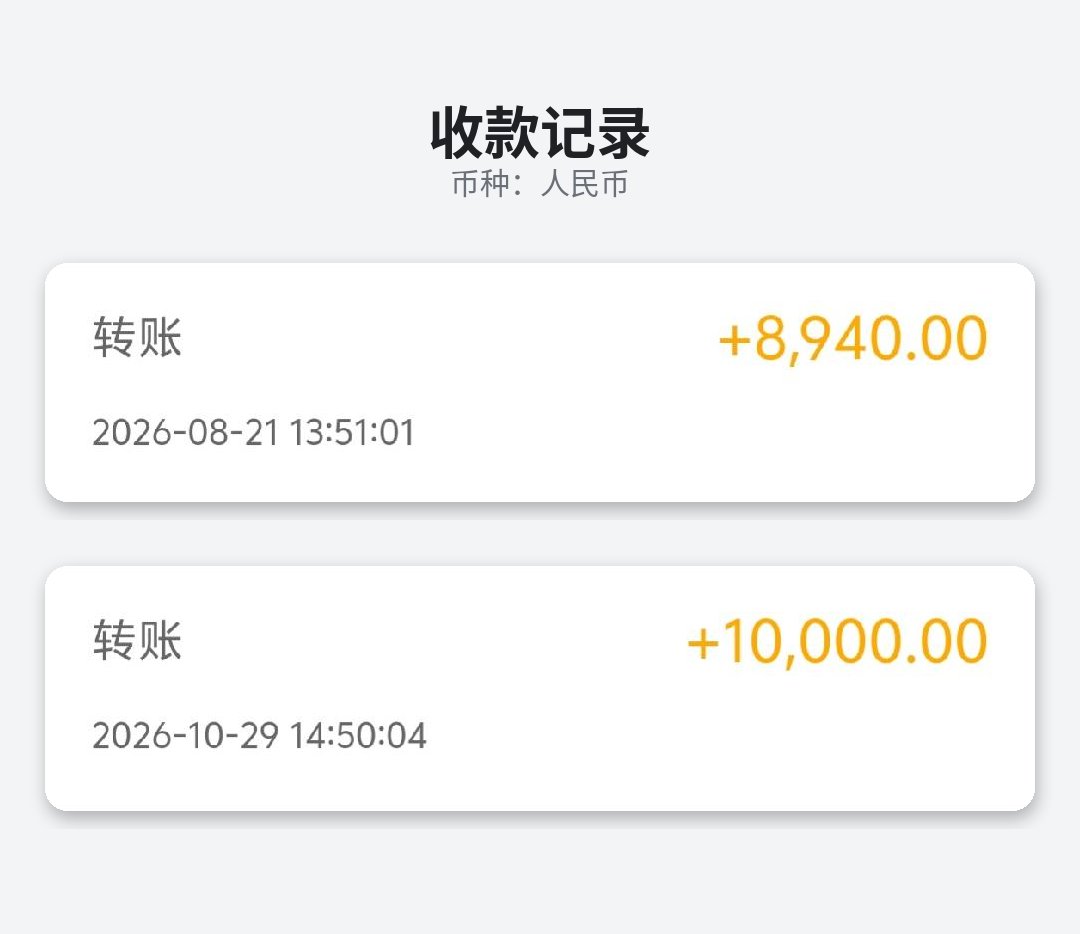
I got my first paid project off Boss Zhipin.
Not a warm intro. A listing. The boss needed something built, we met, we talked through the brief — and I started building before any deposit hit my account.
That was the uncomfortable part.
I used Codex to move faster: scaffolding, the boring glue, the first pass at features I already understood. I still had to judge the requirements, catch what the model got wrong, and turn it into something I could actually demo.
When the demo was ready, I went back to the boss and had him click through it.
That’s when we set the custom price. Not before. After he’d seen it work.
People love talking about AI tools like they’re the product. In my case, the tool helped me take a risk: do the work first, then negotiate from a finished demo instead of a pitch deck.
I wouldn’t recommend that payment order to everyone. I got lucky that he followed through.
But that’s how the first one actually closed.