AI 코딩 에이전트 Claude Code Cursor Codex 등 쓸 때 과거 세션 히스토리 다 날��가서 매번 처음부터 시작하는 거 짜증났지?
ctx는 그걸 로컬에서 SQLite로 인덱싱해서 자연어 검색 가능하게 해주는 오픈소스 CLI.
이전에 결정 실패한 시도 명령어 패치 다 찾아줌
토큰 50배 절약해줌 🥹
Rust로 빠르고 완전 로컬 클라우드
마이클 버리가 엔비디아와 마이크론에 숏을 쳤다.
AI 반도체가 30% 이상 조정받는데 투기를 했다.
나는 이런 방식의 정확한 포지션을 표현하자면 투자가 아닌... 투기다.
그런데 많은 사람들이 헤드라인만 보고 "버리가 AI에 숏을 쳤다"로 읽고있다.
글쎄.. 버리는 같은 시기에 마이크로소프트 콜옵션을 사들였��.
한쪽에선 엔비디아,마이크론을 팔고.. 다른 쪽에선 마이크로소프트를 산 것이다.
이 대비되는 논리는 제대로 분석해 볼 필요가 있다.
핵심은 AI 산업 전체에 ��한 베팅이 아니라 AI 생태계 안에서 진짜 승자를 가려내는 선택이다.
인프라 레이어를 만드는 하이웨어는 팔고, 이 레이어 위에서 최종적으로 통행료는 받는 기업은 매수하는 전략.
먼저 오해를 풀어야 한다.
버리는 "AI 수요가 가짜다"라고 말하지 않는다.
엔비디아가 강한 수요를 누린다는 건 인정한다.
문제는 해당 수요가 누구한테서 오느냐다...
버리가 찍은 건 고객 집중도다.
엔비디아 매출이 극소수 고객한테 쏠려 있고, 수요 자체가 지금 "학습 & 벤치마킹 단계"라는 일시적 국면 때문에 부풀려져 있다는 것이다.
손정의가 했다는 말을 인용한다.
"그들은 그냥 빈 비행기를 띄우고 있는 것이다."
지금 사들이는 GPU 상당수가 실제 돈 버는 서비스가 아니라, 모델 학습과 성능 경쟁 때문에 쟁여두는 물량이라는 얘기다.
버리가 계속 소환하는 것이 시스코와 선마이크로시스템즈.
둘 다 2000년 닷컴버블 때 정점을 찍고 무너진 회사다.
그런데 버리는 엔비디아가 이 둘보다 더 위험하다고 본다.
이유는 시스코 단 한 고객도 매출의 10%를 넘은 적이 없었다.
고객이 넓게 퍼져 있어서, 타격을 입으려면 여러 고객이 동시에 발을 빼야 했다.
엔비디아는 정반대다.
고객 한 곳만 주문을 줄여도.. 크게 다친다는 계산으로, 최대 고객으로 추정되는 마이크로소프트가 칩 투자를 20% 줄이면 그것만으로 엔비디아 매출이 4.2% 빠진다는 논리다.
여기에 맞춤 공급망 함정을 이야기한다.
시스코가 산 부품은 범용이라 갖다 팔 수 있었다.
엔비디아는 TSMC에 맞춤 라인을 약정하고 직접 돈을 지불한다.
갖다 팔 수 없는 대체 불가능한 공급��이라, 사업이 조금만 꺾여도 고스란히 손실이다.
선구매 약정이 1,820억 달러, 이 중 1,190억 달러가 단 한 고객과 묶여 있는데, 이 1,820억 달러가 엔비디아의 막대한 연간 영업현금흐름보다도 크다.
그런데 왜 마이크로소프트는 샀을까?...
여기가 이번 베팅의 진짜 묘미.
버리는 엔비디아의 최대 고객으로 마이크로소프트를 지목하면서, 정작 그 마이크로소프트는 콜옵션으로 롱을 잡았다.
언뜻 모순 같지만.. 그의 논리 안에서는 일관성이 있다.
버리의 구도에서 엔비디아와 마이크로소프트는 같은 사슬의 반대쪽 끝이다.
엔비디아는 인프라를 파는 쪽, 즉.. 돈을 쏟아붓게 만드는 쪽이다.
마이크로소프트는 해당 인프라 위에서 최종적으로 돈을 거두는 쪽이다.
애저 클라우드, 오픈AI 지분, 코파일럿을 동시에 쥐고 있어서, 스스로 수요를 만들고 플랫폼을 깔고, 서비스 가격을 매기는 구조다.
인프라 구축�� 돈을 쏟는 게 아니라.. 해당 레이어 위에서 현금을 회수하는 위치다.
숫자로 풀어보면..
마이크로소프트의 AI 사업 연환산 매출이 370억 달러를 넘었고, 이미 계약을 마친 미래 매출이 6,270억 달러로 99% 급증했다.
돈스도 최근 빅테크의 자본지출이 정당화 되는 시기를 분석했었는데.. "AI 강세장의 진짜 시험대는 CAPEX가 아니라 상용화"라는 논리.
상용화 지표에서 마이크로소프트가 실제 숫자를 가시화 하고 있다는 것이다.
버리가 고른 방식도 절묘하다.
주식을 직접 산 게 아니라 2028년 12월 만기, 행사가 700달러 초반대의 장기 콜옵션을 골랐다.
손실은 제한하되 큰 수익을 노리는 비대칭 구조다.
단기 실적에 연연하지 않고, AI 수익화 시기가 다소 늦어져도 결국 현실화된다는 시나리오에 무게를 둔 것이다.
버리는 마이크론도 숏 포지션.
이번에는 또 완전히 다른 각도다.
7월 1일 1,051.87달러에 숏을 쳤는데.. 논리는 순수하게 사이클과 밸류에이션이다.
버리의 표현...
"마이크론은 사이클을 극단적으로 정의하는 회사다."
근거로 지난 42년간 30% 넘는 폭락을 34번 겪었다.
세 분기 중 한 분기는 자본을 파괴하는 회사이고, 잉여현금흐름이 마이너스인 때가 48%다.
장기 중앙값으로 ���하자본이익률이 4%, 자기자본이익률이 7%인데... 두 자릿수 자본비용에 비하면 솔직히 형편없는 수준이라는 것이다.
버리는 이 랠리가 펀더멘털이 아니라 심리라고 보며 마이크론이 이제 메모리 주도권을 잃었다고 분석했다.
삼성, SK하이닉스의 5,000억 달러 넘는 대규모 투자 계획이 마이크론의 지출 규모를 사실상 자극하고, 이것이 마진을 짓누른다는 논리다.
버리는 이 한국발 대규모 투자 발표를 두고 "붐에서 버스트로 넘어가는 시작"이라고 언급했다.
즉.. 엔비디아 숏이 회계 장부의 균열을 파고든 미시 베팅이라면, 마이크론 숏은 "메모리는 원래 사이클 산업이고 지금이 꼭지다"라는 거시 베팅이다.
여기서부터는 돈스의 개인적인 생각이다.
버리는 분명 자신만의 논리가 있다.
AI 산업 전체를 부정하지 않고, 인프라를 파는 곳과 현금을 수금하�� 곳을 갈라 엔비디아는 숏, 마이크로소프트는 롱으로 나눈 논리는 분명히 의미가 있다.
아무도 안 보던 매출채권 한 줄의 균열을 찾아내는 집요함도.. 모기지 사태를 예언했던 그의 감각을 인정할 수밖에 없다.
다만 버리의 논리에는 반복되는 약점이 있고, 이번에도 그렇다.
1. 버리는 사이클의 존재는 정확히 보는데 타이밍은 거의 못 맞춘다.
그는 올해 내내 AI 거품을 경고해왔다.
그 사이 마이크론은 몇 배가 올랐다.
마이크론이 200일선 위로 사상 최대로 벌어졌다는 건 과열 신호가 맞지만, 과열이 곧 붕괴로 이어진다는 논리는 잘못됐다.
강세장은 나름의 논리가 있고, 마켓의 과열 상태는 금융시스템이 붕괴되지 않는 이상.. 그렇게 쉽게 식지 않는다.
버리는 과거에도 늘 한발 앞서 나갔고.. 때문에 수 많은 기회를 놓진 전과가 있다.
2. 마이크론 논리는 "이번에도 과거와 똑같다"는 전제에 서 있다.
그런데 HBM은 과거 범용 DRAM과 수요 구조 자체가 다르다.
버리는 "HBM도 긴 시리즈의 ���나일 뿐"이라고 했는데.. 이건 논증이 아니라 단정이다.
과거 사이클이 PC와 스마트폰 소비자 수요 기반이었다면, 지금 HBM 수요는 'AI 학습 - 추론'이라는 새 축에서 온다.
지난 분석에서 제번스 역설로 정리했듯.. 효율화가 수요를 줄인 게 아니라 파이를 키운 역사를 이번에도 "어차피 다 똑같은 사이클"로 해석 한다면, 이번 사이클이 왜 유독 길고 강한지를 설명하지 못한다.
3. 엔비디아 숏의 핵심 근거인 "고객 A = 마이크로소프트"는 버리의 추정일 뿐 확정된 사실이 아니다.
그리고 설령 마이크로소프트가 엔비디아 주문을 줄여도, 세미애널리시스의 분석에서 봤듯 그 빈자리를 메타, 오라클, 네오클라우드가 채우는 구조가 이미 만들어지고 있다.
버리의 그림은 "한 고객이 빠지면 끝"이라는 단선 구조인데.. 실제 시장은 수요처가 계속 늘어나는 다층 구조로 진화하는 중이다.
4. 가장 중요한 포인트, 버리의 마이크로소프트 롱 자체가 그의 숏 논리를 부분적으로 ��박한다.
마이크로소프트가 AI로 이미 6,270억 달러의 미래 매출을 확보했다는 건.. AI 수익화가 빈 수레가 아니라 실제로 돈이 되고 있다는 증거다.
버리도 이것을 인정하니까 마이크로소프트를 산 것 아닌가?
그런데 ���이크로소프트가 해당 매출을 내려면.. 결국 엔비디아 플랫폼 안에서 돌아가는 인프라가 필요하다.
인프라는 무너지는데.. 상위 레이어인 AI 플랫폼만 번창한다는 그림은.. 논리적으로 한쪽이 흔들리면 다른 쪽도 흔들릴 수밖에 없다.
버리는 AI라는 산업이 진짜라고 말하면서.. 정작 이 산업 인프라 레이어의 선순환 구조는 이해하지 못하고 있다.
토큰당 비용이 내려가면 수요가 커지고, 수요가 커지면 다시 인프라 투자가 늘고, 이 투자가 또 비용을 낮춘다.
이 바퀴가 돌아가는 한.. 인프라 수요는 쉽게 꺾이지 않는다.
버리가 본 건 고객 집중이라는 한쪽 모양이지, 시스템 전체가 아니다.
만약 반도체가 30% 이상 폭락하는 모습이 나오려면.. 그건 수요가 사라져서가 아니라 금융 시스템 안에서 더 이상 자본 조달이 힘들어질 때 나올 수 있다.
감당하기 힘��� 금리 때문에 더 이상 하드웨어 인프라 수요를 늘릴 수 없을 때.
바로 그때가 진짜 이 사이클의 위기일 수 있다.
결국 지금 지켜봐야 할 건 엔비디아의 고객 명단도, 마이크론의 이동평균선도 아니다.
이 거대한 인프라 투자를 떠받치는 자금줄, 그러니까 금리와 자본 조달 환경이다.
nvidia is casually giving you access to 5 frontier chinese AI models for free 😳
no credit card
no subscriptions
just one API key that unlocks everything
what you get for $0:
- DeepSeek V4 Flash for ultra-fast inference
- MiniMax M3 as a drop-in coding assistant
- Qwen3.5-397B for advanced reasoning tasks
- Kimi K2.6 for agentic workflows and long chains
- GLM 5.1 as a reliable everyday model
why this is huge:
> no paying separate subscriptions for different models
> no changing your existing workflows or tools
> no vendor lock-in since everything is OpenAI-compatible
getting started takes less than 2 minutes:
1. go to https://t.co/q50rSatNbb
2. sign up and verify your account
3. generate your nvapi key
4. set your base URL to https://t.co/92kkbFSf8D
5. pick any model and start building
supported models:
> minimaxai/minimax-m3
> qwen/qwen3.5-397b-a17b
> moonshotai/kimi-k2.6
> zhipuai/glm-5.1
> deepseek/deepseek-v4-flash
pro tip:
use DeepSeek V4 Flash for speed, Qwen for hard reasoning, Kimi for agents, and MiniMax as your daily coding companion
the best part?
one free key gives you access to 100+ models across NVIDIA's catalog
~40 requests per minute is more than enough for most developers and personal projects
5 frontier models that compete with GPT and Claude, all without spending a dollar
bookmark this and claim your free API key before the limits change 👀
AI 프롬프트 쓸만한거 (프롬프트) 복사하고 쓰세요
1. 목표 고정
/goal
내가 만들려는 건 [만들 것]입니다
사용자는 [누구]이고
가장 중요한 결과는 [결과]입니다
앞으로 답변할 때
이 목표에서 벗어나는 제안은 줄이고
목표 달성에 필요한 것만 우선으로 판단해주세요
2. 기능 정리
/spec
아래 아이디어를 실제로 만들 수 있는 기능 설명서로 바꿔주세요
- 꼭 필요한 기능
- 나중에 해도 되는 기능
- 만들면 복잡해지는 기능
- 첫 버전에서 빼야 할 기능
이렇게 나눠주세요
아이디어:
[내용]
3. 작업 순서 만들기
/plan
이걸 만들기 위한 작업 순서를 짜주세요
조건:
- 너무 크게 나누지 말 것
- 바로 실행 가능한 단위로 쪼갤 것
- 먼저 해야 하는 것부터 정렬할 것
- 각 단계가 끝났는지 확인하는 기준도 적을 것
만들 것:
[내용]
4. 코딩 맡길 때
/build
아래 기능을 기존 코드 스타일에 맞춰 구현해주세요
먼저 관련 파일을 읽고
어떤 구조인지 파악한 뒤
필요한 파일만 수정해주세요
기능:
[기능 설명]
주의할 점:
[원하는 조건]
5. 막혔을 때
/debug
지금 문제가 생겼습니다
증상:
[무슨 일이 일어나는지]
기대한 결과:
[원래 되어야 하는 것]
실제 결과:
[지금 나오는 것]
관련 코드나 로그를 보고
원인을 먼저 추정하지 말고
확인해야 할 것부터 순서대로 봐주세요
6. 코드 리뷰
/review
아래 변경사항을 리뷰해주세요
우선순위:
1. 실제 버그 가능성
2. 보안 문제
3. 유지보수 어려운 부분
4. 불필요하게 복잡한 부분
칭찬보다 고쳐야 할 점 위주로 봐주세요
7. AI가 과하게 만들 때 막는 프롬프트
/scope
지금 작업에서 꼭 필요한 것만 남겨주세요
불필요한 기능
나중에 해도 되는 기능
복잡도만 올리는 기능을 빼고
첫 버전에서 만들 최소 범위만 다시 정리���주세요
8. 결과물 점검
/check
방금 만든 결과물이 처음 목표를 만족하는지 점검해주세요
확인할 것:
- 목표와 맞는지
- 빠진 기능이 있는지
- 사용자 입장에서 헷갈리는 부분이 있는지
- 바로 테스트해야 할 부분이 있는지
문제 있으면 수정 우선순위까지 정리해주세요
개인적으로 제일 많이 쓸 조합은 이거임
/goal → /spec → /plan → /build → /review → /check
개발이든 블로그 자동화든 작은 서비스든
처음에 /goal이랑 /scope만 잘 걸어놔도 AI가 쓸데없는 행동 줄어듬
Claude Code에 "코드 리뷰해줘"라고 하면 돌아오는 답의 80%는 "전반적으로 잘 짜셨습니다."
파일명도 없고, 라인번호도 없고, severity도 없다.
그건 리뷰가 아니라 감상문이다.
문제는 모델이 아니다. 리뷰 프레임워크가 없는 것이다.
code-autopsy는 12개 질문으로 코드를 해부한다.
Q1 입력 검증
Q2 인증/권한
Q3 에러 처리
Q4 동시성
Q5 데이터 무결성
Q6 외부 의존성
Q7 성능
Q8 유지보수성
Q9 비즈니스 로직
Q10 테스트 품질
Q11 에러 회복력
Q12 관측성
모든 발견은 파일명:라인번호 필수.
수정안은 diff로 제시.
점수는 4축(보안/신뢰성/유지보수/운영성)으로 정량화.
배포 판��� 4단계:
SHIP IT (8+) / FIX FIRST (6-7.9) / RISKY (4-5.9) / BLOCK (4미만)
"잘 짜셨습니다"가 나올 구조적 여지가 없다.
설치 (Claude Code):
npx @anthropic-ai/claude-code-skills add --skill code-autopsy https://t.co/8VKsCEvDfe
사용: /code-autopsy 또는 "코드 부검해줘"
MIT 오픈소스. Cursor/Codex에서도 작동.
https://t.co/5vtuaXyqmI
Vibe coders are getting sued.
People are shipping apps with real users and skipping the boring stuff that kills them.
A 20+ year dev shared the pre-launch checklist every AI builder needs.
I added what I learned after shipping 60+ apps at the agency.
Don't skip this:
1. Protect yourself, not just your app. The moment you collect user data you're in legal territory (GDPR, CCPA). Have a privacy policy. Know where user data lives.
2. Row Level Security. Without RLS, anyone can open DevTools and read your entire database. Supabase → Auth → Policies. Zero policies means your app is naked. 5 min to fix.
3. Test the failure path, not just the happy path. Wrong password 5x. Reset for an email that doesn't exist. Verification link clicked twice. Signup with an existing email. Catches 80% of auth bugs.
4. Security baseline in 2 min. Prompt your AI: "Review my app as a security specialist and make sure I have strong security headers and a solid baseline security posture."
5. OWASP. Prompt: "Review my app against OWASP standards and highlight vulnerabilities." This is where SQL injection, XSS and auth bugs actually get caught.
6. Client-side validation is UX, not security. Attackers disable JS and hit your API directly. Validate again on the server. Every time.
7. AI code leaks data in 3 spots: .env values in the frontend, API responses returning too much, secrets in logs. Prompt: "Check my app for credential or sensitive data leaks in frontend or API routes."
8. API keys in the frontend means game over. If it's in the browser, assume it's already taken. Move it server-side or proxy it.
9. Rate limits before someone burns your API bill. Cap every endpoint hitting a paid API. I've watched a Supabase bill jump from $20 to $200 in a day.
10. CAPTCHA on public forms (Cloudflare Turnstile is free) plus CORS locked to your domain. 10 min, kills bot floods.
11. Error messages that don't leak. "User not found", not "SELECT * FROM users failed". Log full errors server-side, show users generic messages.
Build fast. Just don't ship naked.
(full breakdown in my article below)
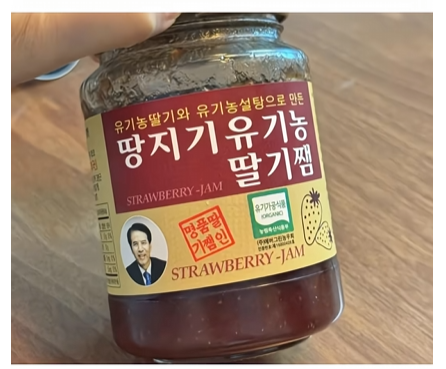
40년간 한국에서 딸기를 재배하던 이 남자는
시판 딸기잼을 먹고 개빡쳐버리는데
"이거 그냥 설탕이잖아."
유기농잼이라 써 놓고 쥐꼬리만큼 들어간 딸기양을 보며 뒷목 한번 잡더니 그냥 본인이 직접 개발해 버리겠다며 다음 달에 팔아야 될 딸기들을 잼으로 만든 걸로 모자라.
자기는 진짜란 듯이 아예 본인 얼굴을 제품에다가 박아 버렸다고 함.
이게 진짜 관계였던게 일반 딸기잼들은 웰빙 느낌 주겠다고 근본 없는 영어를 박아넣거나 고급진 포장에 힘을 쓰지만
이 남자는 땅이라는 제품명을 시작으로 본인 얼굴 옆에 명품 딸기잼민이라는 관광기 어린 도장까지 박아 버린 건데
막상 내용물을 까보면 국내산 딸기 70%라는 미쳐버린 수치와
싸게 파는만큼 방부제 같은 건 안 넣었으니까
"3~4달내로 먹으십시오"
나는 빠꾸 없는 발언으로 전국 딸기러버들의 정착점이 돼 버렸다고 함. 근데 이런 디자인이라 더 신뢰가 가는 듯.
50 WEBSITES GOOGLE DOESN'T WANT YOU TO KNOW
1. 12ft. io — bypass any paywall
2. libgen. is — millions of free textbooks
3. sci-hub. se — free research papers
4. alternativeto. net — find free app alternatives
5. justwatch. com — find where to stream anything
6. archive. org — access any old webpage ever
7. gutenberg. org — 70K free classic books
8. pdfdrive. com — free PDF downloads
9. openculture. com — free courses from top unis
10. wolframalpha. com — solve any math instantly
11. photopea. com — free Photoshop in browser
12. squoosh. app — compress any image free
13. remove. bg — remove image backgrounds free
14. cleanup. pictures — erase objects from photos
15. unscreen. com — remove video backgrounds
16. carbon. now. sh — turn code into art
17. ray. so — beautiful code screenshots
18. shots. so — free product mockups
19. smartmockups. com — mockups without Photoshop
20. haveibeenpwned. com — check if you were hacked
21. virustotal. com — scan any file for malware
22. privnote. com — send self destructing messages
23. temp-mail. org — disposable email instantly
24. file. io — share files that auto delete
25. archive. ph — save any webpage forever
26. similarsites. com — find any site alternatives
27. radio. garden — listen to any radio worldwide
28. everynoise. com — explore every music genre
29. tunefind. com — find songs from any show
30. musicforprogramming. net — music to focus with
31. mynoise. net — custom focus soundscapes
32. coffitivity. com — cafe sounds for productivity
33. elicit. org — AI research paper assistant
34. consensus. app — search what science agrees on
35. connectedpapers. com — map research visually
36. semanticscholar. org — free academic search
37. scispace. com — understand any research paper
38. summarize. tech — summarize any YouTube video
39. phind. com — AI search for developers
40. regex101. com — test any regex instantly
41. codebeautify. org — format any code cleanly
42. jsonformatter. org — read JSON like a human
43. explainshell. com — understand terminal commands
44. raindrop. io — bookmark manager that works
45. downdetector. com — check if any site is down
46. tineye. com — reverse image search
47. fast. com — check your internet speed
48. smallpdf. com — edit PDFs free
49. ilovepdf. com — merge and split PDFs
50. 10minutemail. com — temp email in seconds
The internet is bigger than Google shows you.
Most people never leave the first page.
이건 진짜 AI의 무서운 사용법 같음 (프롬프트)
단순히 “코드 고쳐줘”가 아니라
목표를 주고, 기능 검토 → 사용자 스토리 작성 → 테스트 → 오류 문서화 → 수정 → 재검증까지 계속 돌리는 방식임
이러면 AI가 알아서 목표를 이뤄낼때까지 반복작업을 하고
사람이 하루종일 매달려야 할 일도 AI가 다 해결해놓음..
이젠 AI를 잘 쓰는 사람은 이런 루프를 잘 설계하는 사람임
아래 goal 프롬프트⬇️
"/goal 이 앱의 모든 기능을 하나하나 검토하고 코드에 기반한 예상 동작으로 사용자 스토리를 작성하고 기능 상태를 추적하는 단일 표준 스프레드시트를 유지하세요 - 완료되면 루프를 모든 사용자 스토리 테스트와 모든 오류 문서화로 전환하세요 - 완료되면 모든 물류 오류나 UX 오류를 수정하세요 - 수정 후 모든 사용자 동작을 다시 테스트하세요"
A lawyer in Manhattan gets a 500-page contract. Every clause needs to be searchable. By hand: one week.
An accountant in Chicago gets 200 scanned invoices. Every number needs to land in a spreadsheet. By hand: four days.
A researcher at Stanford has 50 academic papers. Tables, formulas, charts locked inside PDFs. By hand: two weeks.
Every one of them is losing days of their life to copy-paste.
Now meet MinerU.
A free and open source tool that reads any PDF, Word doc, PowerPoint, Excel sheet, or scanned image. It pulls out the text in reading order. Tables become clean HTML. Equations become LaTeX. Handwriting handled. 109 languages.
You give it a 200-page PDF. You get clean Markdown back in 90 seconds.
What makes it different from every other PDF tool:
- Multi-column layouts. It reads top to bottom within each column. Not left to right across the page. Like a human reads.
- Scanned documents. OCR built in. Point it at a photo of a printed page from 1995. Get clean text back.
- Math formulas. LaTeX-quality recognition. Every equation renders correctly.
- Tables. Merged cells, multi-row headers, tables that span three pages. All preserved.
- Ten-thousand-page documents. Sliding window processing. No manual splitting.
- Batch mode. Point it at a folder of 500 documents. Walk away.
Three ways to use it:
- CLI. One command per document.
- Python SDK. Five lines of code.
- Web app at https://t.co/AIC2NNey41. Upload, click, download. No install.
Plugs into Claude Desktop, Cursor, Windsurf, LangChain, LlamaIndex, RAGFlow, Dify, and FastGPT. Feed extracted documents straight to your AI agent.
The story:
The OpenDataLab team at Shanghai AI Laboratory needed to extract clean text from millions of scientific documents to train a language model. Existing tools failed. They built their own. Then they open sourced it.
68,551 stars. MinerU Open Source License, built on Apache 2.0. Free for personal and commercial use. Three technical reports on arXiv.
Adobe Acrobat Pro charges $239.88 a year. It still loses your tables.
ABBYY FineReader Corporate charges $165 a year. It still cannot do equations.
Mistral OCR charges $2 per 1,000 pages. Your bill never stops.
MinerU costs $0. Runs on your laptop. Your documents never leave your machine.
Here is the wild part.
The lawyer got her contract back in 4 minutes. Every clause searchable.
The accountant fed 200 invoices in. Every number landed in a spreadsheet in 12 minutes.
The researcher fed his 50 papers in. He wrote his literature review on a Sunday afternoon.
The document your company has been processing by hand for years takes MinerU minutes.
Your documents become text. Your text becomes data. Your data becomes answers.
The week you used to lose to paperwork is back in your hands.
AI로 앱 만들기 전에 한 번 써볼 만한 사이트.
Eraser AI Architecture Diagram Generator.
https://t.co/YaIWpumJVl
내가 만들 서비스 설명을 적으면,
유저, 프론트, API, DB, 결제, 외부 API 구조를 다이어그램으로 보여주는 도구.
좋은 점은 결과물이 단순 이미지가 아니라는 점.
눈으로 구조를 확인하고,
텍스트로 수정하고,
그 구조를 다시 AI에게 넘겨 구현 순서까지 잡을 수 있음.
특히 이런 사람에게 유용함.
1. 아이디어는 있는데 구조가 안 잡히는 사람
기능은 떠오르는데 DB, API, 인증, 결제가 어떻게 ��결되는지 헷갈리는 상황.
2. 개발자나 AI에게 설명이 어려운 사람
말로 설명하면 길어지는 내용을 그림으로 먼저 정리하는 방식.
3. 바이브코딩 전에 설계부터 잡고 싶은 사람
코드부터 만들기 전에 전체 흐름을 눈으로 확인하는 용도.
요즘 코드는 AI가 빠르게 만드는 시대.
근데 구조를 잘못 잡으면 빠르게 헤매는 결과.
그래서 앱 만들기 전,
머릿속 아이디어를 한 번 구조도로 바꿔보는 과정이 꽤 중요함.
A German psychologist proved in 1885 that cramming erases what you learned within 48 hours. He published the fix in the same book. Almost no school on Earth has adopted it in 140 years.
His name was Hermann Ebbinghaus.
He had no lab. No funding. No colleagues.
He worked alone in a room in Berlin and ran every experiment on himself. He spent years memorizing thousands of nonsense syllables — made-up combinations like DAX and BUP, strings with no meaning — so that prior knowledge could not contaminate the results.
Then he tested his own recall at intervals. Twenty minutes. One hour. Nine hours. One day. Six days. Thirty-one days.
What he found became one of the most replicated findings in the history of psychology.
Two-thirds of everything you learn is gone within 24 hours if you do not return to it. Within a week, the curve flattens near zero. The brain does not store what it does not revisit. It treats unused information the way it treats everything else it does not need. It discards it.
He drew this curve in 1885 and called it the forgetting curve.
Then he found something else in the same data.
Students who spread their study sessions over multiple days retained far more than students who spent the same total hours studying in one block. Not slightly more. Dramatically more. The brain needed time between exposures to consolidate the material into something durable.
He called this the spacing effect.
Same information. Same total hours. Completely different outcome depending on when you spread the hours out.
The finding has been replicated over 250 times. A 2006 meta-analysis in Psychological Bulletin covered 254 studies across every age group and every subject. The effect held every time.
A German journalist named Sebastian Leitner built a physical flashcard system around it in 1972. An open source app called Anki turned that system into software in 2006. Medical students who use Anki to pass board exams are not working harder than everyone else. They are working in the only pattern the brain actually responds to.
The most uncomfortable part of all of this is what happened after Ebbinghaus published.
Educators read the research. They understood what it showed. They kept the cramming.
The school calendar was already built around it. Semester exams. Finals week. One concentrated block of review before the test and then nothing. The entire architecture of how most schools schedule learning is optimized for the forgetting curve, not against it.
The lesson is not that you need more time to study.
It is that the same time, distributed differently, produces a completely different brain.
Ebbinghaus proved this in 1885 with no budget and no institution. He ran the experiment on himself because no one would run it for him.
The fix has been available for 140 years.
Almost nobody who designs schools has used it.
Şu anda Claude ile çalışmanın en iyi yolu bu...
Yeni bir projeye başladığında (saas, içerik, app, ne olursa olsun) şunu yap:
Opus 4.8 ile yepyeni bir chat aç. Extended Thinking’i aç ve projen hakkında bildiğin her şeyi dök, hiçbir şeyi atlama.
Sonra şunu yaz:
"ask me 5 questions that would help you have a complete understanding of this project"
Bu sorulara detaylı cevap ver. Buraya bayağı zaman ayır, ACELE ETME.
Cevapları bitirdikten sonra şunu yapıştır:
"you're my co-founder. create a master plan with a knowledge base directory for each section. attach context markdown files to every part. you're building the skeleton that Claude Code will use to build everything 10x faster. suggest skills to integrate, automations to build or any tool that’d 10x our speed. suggest when to use a project or Claude Code"
Claude sana projenin bütün iskeletini, klasör yapısını ve dosyaları çıkaracak. Direkt Claude Code’a import et.
Artık projeni onunla birlikte kuruyorsun. Normal Claude'u chat gibi kullanıyorsun ama çok daha güçlü bi şekilde.
Claude sana ne zaman Claude Projects açman gerektiğini, hangi research’ü derinleştireceğini ve hangi MCP’leri kullanacağını söyleyecek.Tek bir planning seansı, kendi başına haftalarca uğraşmana bedel.
İşte AI ile proje yapmak böyle oluyor.
the most powerful cyberweapon ever built was discovered because computers in Iran kept rebooting for no reason.
In an office in Tehran, computers kept crashing, a local IT guy who couldn't figure it out called a friend.
his friend was Sergey Ulasen. a programmer at a small Belarusian antivirus company called VirusBlokAda. he was at a wedding reception when the call came in.
he spent the evening reverse engineering malware.
what he found:
a worm that used four zero days simultaneously. The security community had never seen more than one in a single attack. it spread via USB drives with no user interaction. It was signed with stolen certificates from real companies, so every security tool trusted it completely.
But it wasn't stealing data. it was looking for one thing:
Siemens centrifuges running at frequencies between 807Hz and 1210Hz.
Iran's uranium enrichment centrifuges at Natanz ran at exactly those frequencies.
The worm would watch them for 13 days. then make them spin too fast. then too slow. while telling the monitors everything was fine.
The centrifuges destroyed themselves from the inside while operators watched normal readings on their screens.
An estimated 1,000 centrifuges were destroyed. Iran's nuclear program set back by years.
It had been running undetected since at least 2009. Then a new variant spread wider than intended. reached the internet. The secret leaked out of Natanz the same way it got in.
a USB drive.
SOMEONE BUILT A FREE PROXY THAT READS PAYWALLED ARTICLES BY PRETENDING TO BE GOOGLE
it's called Ladder and it's sitting at 8,000 stars.
i never understood how the "free article" trick worked until i read the code. it's almost too simple. the NYT, WSJ, Bloomberg, and Nature can't hide their articles from Googlebot, because a page Google can't see is a page that vanishes from search. so they serve Google the full text for free.
Ladder just shows up wearing Google's badge. same user-agent, same crawler IP. the site hands over everything behind the wall.
> paste any paywalled URL and the wall disappears
> works across hundreds of news and journal sites
> self-hosted on your own server, so there's nothing to seize
> strips CORS and security headers too, a real time-saver for devs
> one Docker command and you're live
the hosted versions like 12ft. io keep getting pressured offline because they have a domain and a company to go after. your own instance has neither.
people pay for news bundles that still lock half the articles this opens for free.
GPL-3.0. written in Go.
repo: https://t.co/AIQ3IyKyKd
A Japanese immunologist spent 20 years proving that the chemicals trees release into the air walk into your bloodstream, hunt down your stress hormones, and arm your immune system in ways no therapist or pharmaceutical has ever matched, and most of the data has been sitting in Japanese medical journals for two decades waiting to be translated.
His name is Qing Li.
He is a clinical professor at Nippon Medical School in Tokyo and the president of the Japanese Society of Forest Medicine. The Japanese government has been funding his research since 2004, and the body of work he has produced is the reason forest bathing is now an officially prescribed clinical therapy in Japan and Korea.
The story actually starts in 1982, when the Japanese Ministry of Agriculture, Forestry and Fisheries coined the term shinrin-yoku to describe the practice of slow, mindful walking in a forest. They did it for a practical reason.
Japan was urbanizing fast, stress-related illness was climbing, and the country had thousands of square kilometers of forest sitting unused. The idea was to give people a reason to walk into the trees... They had no idea what was actually happening to the human body during those walks until Qing Li ran the first proper experiment in 2005.
He took twelve healthy adult men on a three-day, two-night trip to a forest park. They walked for a few hours each day. Nothing strenuous. No prescribed routes or breathing exercises. They simply walked slowly through the trees, breathing the air, looking at the forest.
Li drew blood and urine samples before the trip, on the second day, on the third day, on day seven after returning home, and again on day thirty.
The numbers that came back from the lab were not what anyone expected.
The activity of a specific type of immune cell called the natural killer cell, which is the cell your body uses to hunt down cancer cells and virus-infected cells before they can spread, had jumped by roughly 50 percent during the forest trip. The actual number of natural killer cells circulating in the bloodstream had increased significantly.
Three different anti-cancer proteins that those cells produce, called perforin, granzymes, and granulysin, had all risen sharply. And the effect did not disappear when the men went home. The immune boost was still measurable on day seven and was still partially present on day thirty.
Two hours a day in a forest had upgraded the immune system for a full month.
Li ran the same experiment with women a year later and found nearly identical results. Then he ran it with a control group who took a three-day trip through an urban area with the same amount of walking, the same hotel quality, and the same diet.
The urban group showed no measurable change in natural killer cell activity at all. The forest was doing the work, not the vacation.
The mechanism turned out to be a class of airborne molecules called phytoncides. Trees produce these compounds to defend themselves against insects, bacteria, and fungi. Pine, cedar, oak, and cypress trees release them in particularly large amounts, especially in warmer weather and after rainfall.
When you walk through a forest, you are inhaling those molecules into your lungs and absorbing them through your skin, and once inside your body they appear to directly stimulate the production and activity of the very immune cells Li was measuring in his lab.
Roughly 50 percent of the health benefit of a forest walk, according to Li's data, comes from the chemistry of the air itself. The other half comes from what the forest is doing to your nervous system.
This is where it stops being only about the immune system and starts being about stress.
A separate Japanese research team measured cortisol, the body's main stress hormone, in 84 participants across 35 different forest sites. They drew samples before and after a 30-minute walk in each forest and compared them to control walks in matched urban environments. The cortisol levels of the people who walked in the forest were lower than the cortisol levels of the people who walked in the city by a significant margin. Their heart rates were lower. Their blood pressure was lower.
The activity of their parasympathetic nervous system, which is the part responsible for rest and recovery, had gone up. The activity of their sympathetic nervous system, which is the part that drives fight or flight, had gone down.
Then a researcher at the University of Michigan named MaryCarol Hunter ran the cleanest version of this experiment ever done. She recruited participants from a city and told them to take a nature pill three times a week for eight weeks.
They were free to choose the time, the place, and the duration of the nature experience, as long as it was outside, in daylight, and free of phones, conversations, and aerobic exercise. They sent her saliva samples before and after each session so she could measure cortisol changes accurately and rule out the normal daily drop in stress hormones that happens to everyone.
The result was that participants experienced a 21.3 percent drop in cortisol per hour spent in nature, with the biggest payoff happening between minutes 20 and 30 of the walk.
After that, the cortisol kept dropping, but more slowly. The threshold dose for measurable stress relief was just 20 minutes outside in something that looked and felt like nature.
What none of this means is that nature is a substitute for therapy or for medication when someone genuinely needs them. Therapy treats different things than a walk does, and Li himself has been careful in interviews to call forest bathing a complementary intervention rather than a replacement for clinical care.
But what the research has settled is that the human body has a physiological response to being among trees that operates on the same biological systems modern medicine is trying to reach with drugs and clinical protocols, and that response is fast, measurable, and free.
The strangest part of Li's work is the implication he keeps repeating in interviews. The average person now spends more than 90 percent of their life indoors. Their cortisol stays elevated. Their natural killer cells stay sluggish.
Their parasympathetic nervous system rarely gets a chance to take over. The system that was tuned by millions of years of life under a canopy of trees is being asked to run permanently inside a box made of drywall and screens.
Your body has not forgotten what it is supposed to do in a forest. It is waiting for you to walk into one.
택시 기사가 일부러 멀리 돌아갈 때 대처법
타지에서 택시 탔는데
기사님이 네비를 무시하고
일부러 돌아가서 요금이 많이 나올 때 있죠?
굳이 차 안에서 말싸움하며
감정 소모할 필요 없습니다.
✅ 내릴 때 영수증 무조건 받기
✅ 서울은 120 다산콜센터 신고
(지방은 해당 지자체 민원실 )
어떻게 됨?
지자체 교통과에서 해당 택시의 GPS 경로를 전수조사합니다. 고의로 우회한 게 밝혀지면 기사님은 과태료 처분을 받고, 나에게는 부당 청구�� 금액만큼 환불됩니다.
📌한줄TIP :
내릴 때 "기사님 영수증 주세요" 한마디면 기사님들도 신고 들어올 거 알아서 알아서 긴장하십니다. 당당하게 내 권리 챙기세요!