another one for NeurIPS :)
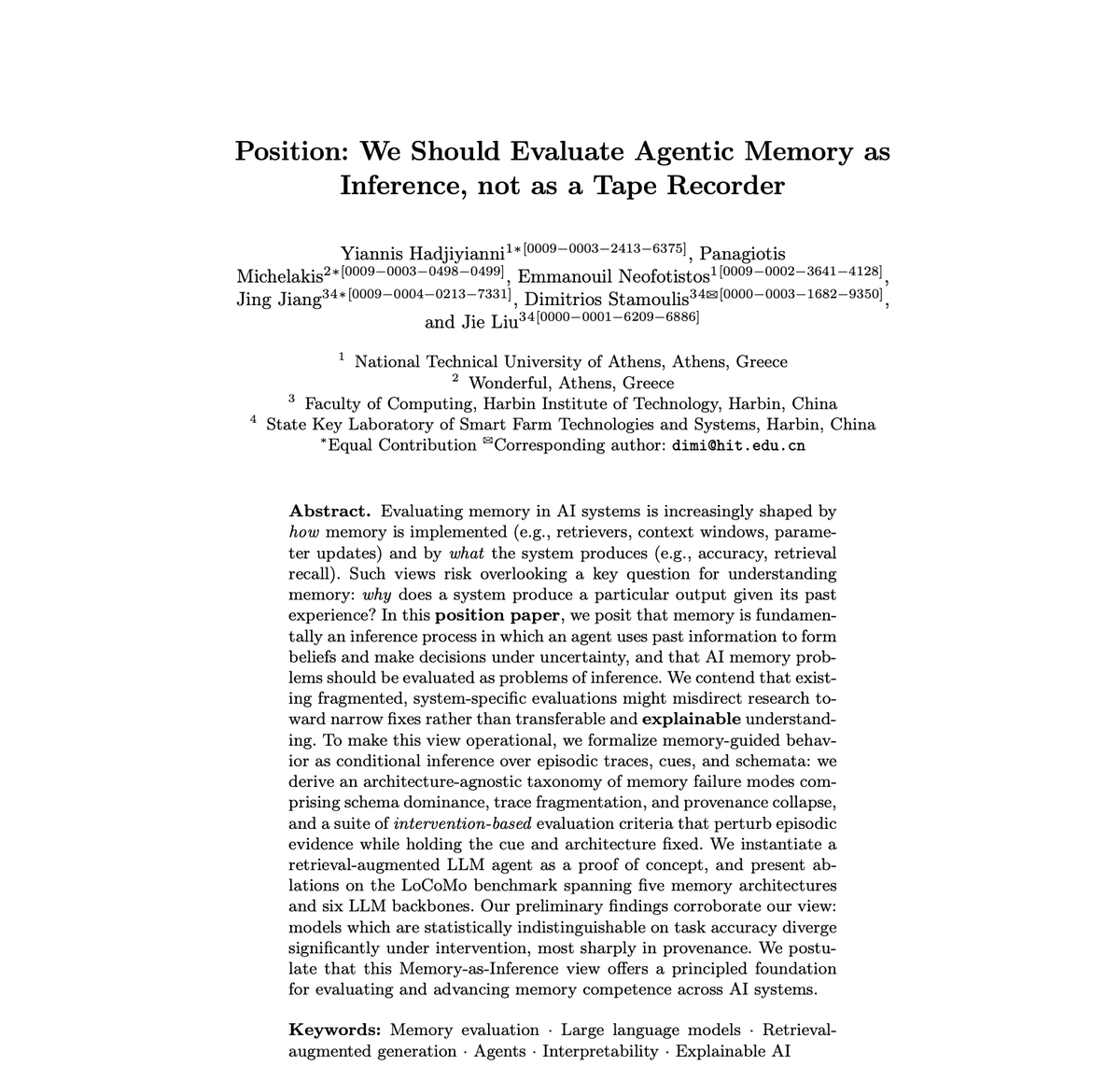
our work on evaluating agent memory as an inference process got accepted @PALMNeurips2026
instead of asking whether memory retrieved the “right” thing, we look at how past evidence actually changes the model’s beliefs + decisions
see you in Paris 🇫🇷
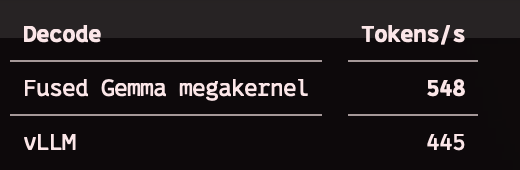
this is wild btw, downstream robotic behavior changes (even if we keep everything equal between experiments) because of quirks in the gpu kernel implementation
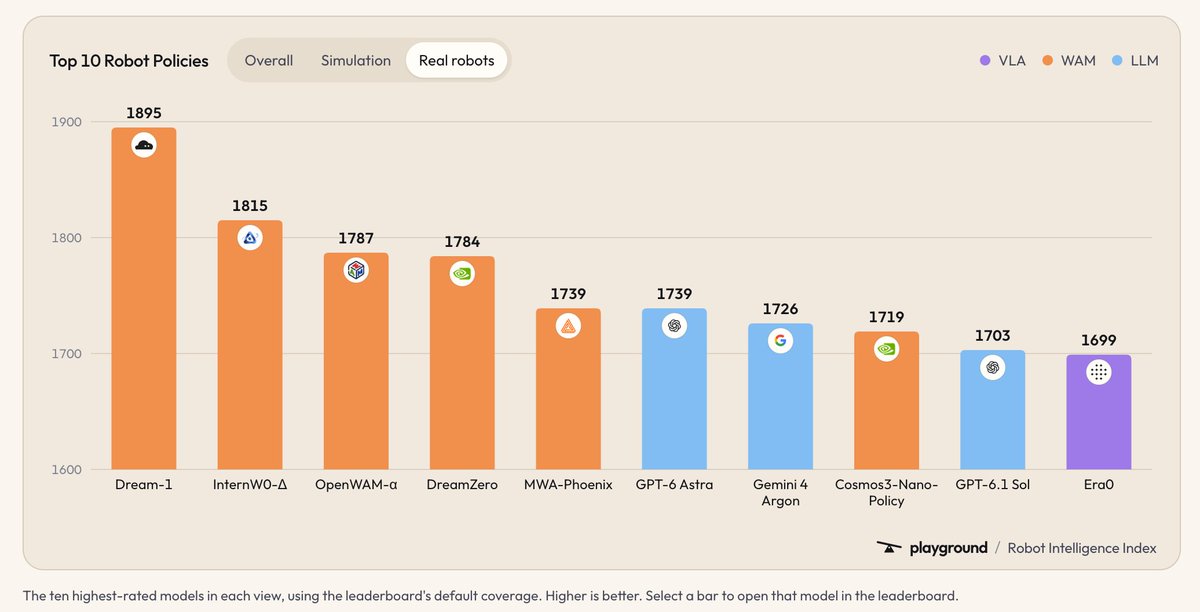
TIL that closed-loop RL for low-level, proprioceptive robot control is surprisingly tractable nowadays.
the really interesting sim2real challenges seem to emerge when you add external perception, contact-rich interaction, and more complex task objectives into the mix.
18 of the 20 best open models today are Mixture-of-Experts. Dense is basically over.
And yet the know-how to train a good MoE still lives mostly in the heads of a handful of teams.
So we spent 800k GPU hours running the experiments ourselves and wrote everything down. Super happy to finally release "The Ultimate MoE Training Handbook", free and open, organized around the questions training teams hit:
- how many experts, how big, shared or not?
- why is half my step spent in all-to-all, and how do I hide it?
- why is my run 25x slower with no error in the logs?
- softmax, sigmoid or sqrt(softplus) router, and why keep it in fp32?
- aux loss or DeepSeek's loss-free bias?
- upcycle a dense checkpoint or train from scratch?
- can I serve with fewer experts per token than I trained with?
⚠️ Warning: it's long (~70k words, budget a few days, sorry) but with 55 interactive figures, code you can run and numbers from our own runs.
Read it here: https://t.co/6XihlUrj92
there is a certain kind of naïve hyper-optimist ML commentator who writes something like “HUGE unlock” under every paper/blog post, regardless of quality, after taking its claims at face value
how do they square this mindset with 90% of everything turning out to be useless
We worked with @liangsu325045, the creator of FlashRT, to port FlashRT to @AMD GPUs (first CDNA4, then CDNA3)!
Along the way, we found that FP8 actually slows down π0.5’s decoder. So we wrote a custom BF16 path for CDNA3 instead.
35ms π0.5, 19.6ms GR00T.
What we learned 🧵👇
FlashRT now runs on AMD MI350X and MI300X! Shoutout to the incredible @liangsu325045, his work on real-time VLA inference is >>>>
Kria next 😇?
@AnushElangovan@AMDembedded
We worked with @liangsu325045, the creator of FlashRT, to port FlashRT to @AMD GPUs (first CDNA4, then CDNA3)!
Along the way, we found that FP8 actually slows down π0.5’s decoder. So we wrote a custom BF16 path for CDNA3 instead.
35ms π0.5, 19.6ms GR00T.
What we learned 🧵👇