Hi all! I am a Jewish mom sharing creative DIYs, edible Torah scenes, & holiday fun for kids & families. I like to make mitzvot magical—and share the joy of being Jewish!
Shabbat Nachamu – A Shabbat of Comfort
Shabbat Nachamu, the “Shabbat of Comfort,” follows immediately after Tisha B’Av, the darkest day in the Jewish calendar. After mourning the destruction of the Beit HaMikdash and so many tragedies throughout Jewish history, we begin the slow and delicate process of healing.
The name “Nachamu” comes from the opening words of the haftarah from Yeshayahu:
“נַחֲמוּ נַחֲמוּ עַמִּי” – “Comfort, comfort My people”
Why is the word “nachamu” repeated? One answer is that the destruction was twofold—both the First and Second Temples were lost. So too, the comfort must be doubled. But on a deeper level, it teaches us something about the nature of comfort: real comfort does not come in a single moment. It takes time and requires patience.
This Shabbat reminds us that Hashem does not abandon us in our suffering. He sits with us in our pain, and He promises us a future of redemption. The very first words after Tisha B’Av are “Nachamu, nachamu ami”—My people, you are still Mine.
Rather than trying to fix someone’s pain, sometimes the greatest kindness is simply to sit with them and listen, letting them know they are not alone. Just as Hashem offers us words of comfort, we are called to extend that same compassion and presence to those around us.
As we begin the seven weeks of consolation leading up to Rosh Hashanah,
may this Shabbat mark the start of our healing—guiding us from mourning toward rebuilding with strength and hope.
*Watch with the sound on*
On Tisha B’Av, we sit with the cracks.
But from shattered pieces, we can rebuild.
Every act of ahavat chinam is a shard turned sacred and a step toward healing what sinat chinam broke.
May we merit to sing and dance with Mashiach this Tisha B'av.
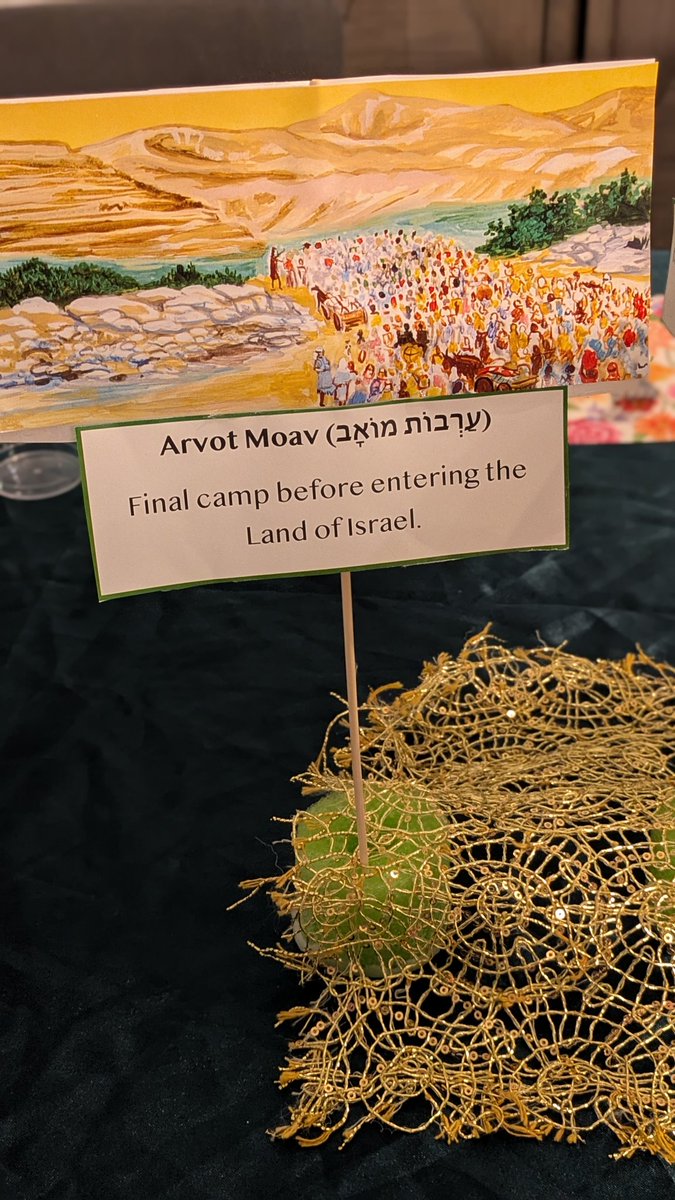
Parashat Matot-Masei concludes Sefer Bamidbar and opens with a detailed list of the 42 journeys that Bnei Yisrael took from Egypt to the edge of Eretz Yisrael. At first glance, the list seems repetitive - we already know the general story of their travels. Why repeat every step now?
Rashi teaches us that the 42 journeys in the desert aren't just a travel log - they're a profound record of Hashem's love and patience for Bnei Yisrael.
Through every step, we witness the nation accepting the Torah, struggling with challenges like loshon hara, tzaraat, idol worship, and the sin of the spies. Yet, like a loving parent who never gives up on their children, Hashem guides His people with endless compassion.
These 40 years in the desert weren't just about wandering they were the journey of growth, from a nation in its infancy to a strong, united people ready to enter the Promised Land.
The daughters of Tzelafchad stood up before Moshe and the entire nation to claim their rightful share in the Land of Israel.
They spoke with courage—and so should we.
When Israel is challenged, we rise, we speak, we defend!
Shabbat Shalom and Am Yisrael Chai!
In this week’s Parsha, Balak, we meet Bilam — a non-Jewish sorcerer hired to curse the Jewish people. On his way, his donkey suddenly stops after seeing an angel that Bilam cannot perceive. Frustrated, Bilam hits the donkey — until Hashem opens its mouth and it speaks:
“Why have you struck me?” (Bamidbar 22:28)
Rashi explains that this miracle was meant to humble Bilam — to show that even a donkey could “see” more than he could.
The Sforno adds that Bilam’s spiritual blindness came from his ego and his desire for honor.
Bilam could have been a prophet, but his pride interfered. A key lesson we learn on this Parsha is that truth can come from the most unexpected places — and we need humility to recognize when it does.
Shabbat Shalom!
May we stay open to the signs Hashem sends us… even when they come from a donkey.
Challah of the week:
As Jews, we know that freedom isn’t free. I am grateful to live in a country where I can practice my faith openly—but the fact that we still have to think about practicing safely means there’s more work to do. Today, we honor liberty and commit to protecting it! Happy 4th!!🇺🇸
@Leviykl The red is made from a beet that I roasted, pureed and added to the challah dough ingredients. The blue is made from boiling water and adding butterfly pea flowers. I used the blue water in place of regular water in the challah mixture.