🚨| BREAKING: Speed takes a HUGE STEP beyond streaming with his FIRST EVER film as a producer “THE EYES OF GHANA” as its FIRST TRAILER officially drops
- The documentary follows Ghanaian cinematographer Chris Hesse as he attempts to SAVE over 1,000 historic films documenting Africa’s fight for INDEPENDENCE in the 1950s and 1960s.
Fiifi Anaman, a talented Ghanaian journalist known for sharing stories that matter, is facing a tough time as he prepares to move back to Accra. This fundraiser aims to support him during this difficult transition and help him regain stability. https://t.co/WYjj5eLuqA
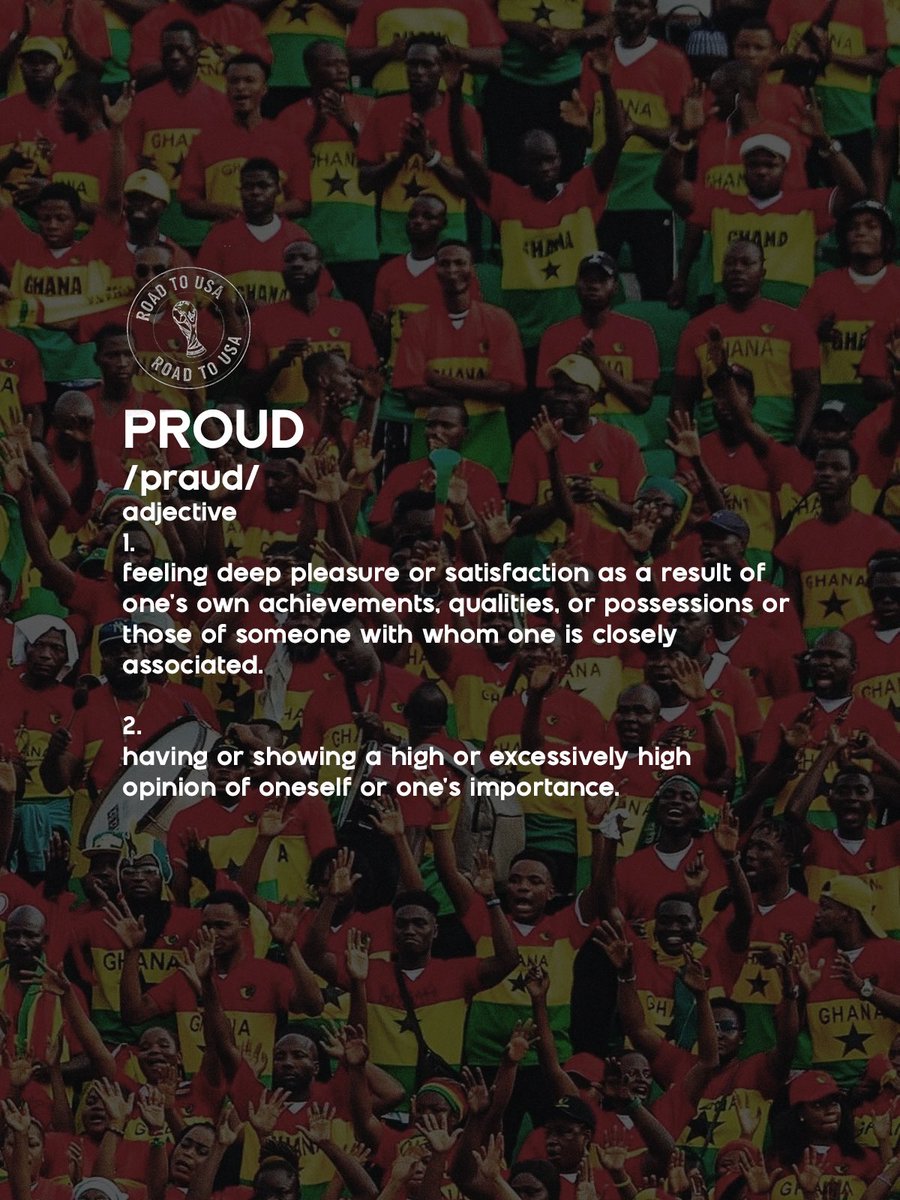
Wearing the colours of Ghana at the World Cup is a tremendous honour.
Behind this jersey, there is so much more than football. There is a history, roots, a culture, and an entire people that I am proud to represent.
One Nation. One People. One Star. 🇬🇭
@GhanaBlackstars@FIFAWorldCup
🚨New Publication!
With @AdamBCohen1 in the Journal of Consumer Psychology, we call for more research on religious values & consumer behavior.
We pose key questions + 2 invited commentaries deepen the conversation.
Link: https://t.co/jx2TA0tKHa
#ConsumerPsychology#PsychTwitter
Why do people follow rules, even when breaking them has no consequences? New research by Gächter et al. suggests it’s driven by an intrinsic respect for rules and social expectations—not just rewards or punishments.
https://t.co/5iknQxMQJ2
It is easy to glance at the news and be captivated by whatever fresh travesty is happening in the world today. But the reality is that most of people’s moral lives play out in quieter, seemingly more mundane moments, such as those involving friends and family, at the grocery store, or at the office.
Over the past four years, I have been involved in a large-scale project seeking to better understand these “everyday moral dilemmas.” I’m thrilled to say that the results of this project were published yesterday in the journal PNAS: Nexus.
https://t.co/b3MuRAHrqc
To explore this topic, my collaborators and I used an unconventional data source: the "Am I the Asshole?" forum on Reddit, a thread in which people post about everyday moral conundrums and elicit feedback from their peers. We extracted 369,000 posts and 11 million “comments,” or reactions to these posts, from the site, then used state-of-the-art language processing tools to analyze the data. To assess generalizability of this data we then conducted a followup study involving a US-representative sample.
Many of our findings surprised me. Here are some highlights:
-𝗧𝗵𝗲𝗿𝗲 𝗮𝗿𝗲 𝟮𝟵 𝗱𝗶𝗳𝗳𝗲𝗿𝗲𝗻𝘁 𝗸𝗶𝗻𝗱𝘀 𝗼𝗳 𝗲𝘃𝗲𝗿𝘆𝗱𝗮𝘆 𝗺𝗼𝗿𝗮𝗹 𝗱𝗶𝗹𝗲𝗺𝗺𝗮𝘀. These range from “broken promises” to “privacy violations.”
-𝗧𝗵𝗲 𝗺𝗼𝘀𝘁 𝗳𝗿𝗲𝗾𝘂𝗲𝗻𝘁𝗹𝘆 𝗲𝗻𝗰𝗼𝘂𝗻𝘁𝗲𝗿𝗲𝗱 𝗺𝗼𝗿𝗮𝗹 𝗾𝘂𝗲𝘀𝘁𝗶𝗼𝗻 𝗶𝘀: “𝗪𝗵𝗮𝘁 𝗱𝗼 𝗜 𝗼𝘄𝗲 𝘁𝗵𝗶𝘀 𝗽𝗲𝗿𝘀𝗼𝗻?” 𝘙𝘦𝘭𝘢𝘵𝘪𝘰𝘯𝘢𝘭 𝘰𝘣𝘭𝘪𝘨𝘢𝘵𝘪𝘰𝘯𝘴—that is, questions about what we owe (and don’t owe) to friends and family—are the most commonly experienced type of moral dilemma.
-𝗛𝗼𝗻𝗲𝘀𝘁𝘆 𝗶𝘀 𝗸𝗶𝗻𝗴. The most negatively evaluated behaviors concerned acts of 𝘥𝘪𝘴𝘩𝘰𝘯𝘦𝘴𝘵𝘺.
-𝗣𝗲𝗼𝗽𝗹𝗲 𝗵𝗮𝘁𝗲 𝗵𝘆𝗽𝗼𝗰𝗿𝗶𝘁𝗲𝘀. Being 𝘫𝘶𝘥𝘨𝘮𝘦𝘯𝘵𝘢𝘭 is among the things most likely to get you labeled “the asshole”
-𝗠𝗼𝗿𝗮𝗹𝗶𝘁𝘆 𝗶𝘀 𝗳𝗹𝗲𝘅𝗶𝗯𝗹𝗲. People, for example, think it’s worse to lie to a 𝘤𝘰𝘸𝘰𝘳𝘬𝘦𝘳 than your 𝘣𝘰𝘴𝘴, and it’s worse to break a promise to your 𝘥𝘢𝘶𝘨𝘩𝘵𝘦𝘳 than your 𝘴𝘰𝘯.
In followup analysis, we have found that there is virtually no difference in the kinds of moral dilemmas experienced across the political divide. This suggests that when you zoom out from the hot-button issues that divide us, we all grapple with similar questions: questions such as how to navigate interpersonal disagreement, build community, and contribute to society (and, of course, whether we should be honest with our partner about their new haircut).
The bottom line is our moral lives are far richer, more varied, and more similar to each other than you might think.
Big thanks to my co-authors Sudeep Bhatia, Geoff Goodwin, Andrew Reece, PhD, and Kurt Gray.
Lots of famous findings about human behavior are built on the results of economic games - tasks where participants allocate resources or make choices with different payoffs. A new study finds that up to 70% of participants don't understand the instructions of these games.