Six years ago, the world’s most valuable sports team was worth $5 billion. Now, that figure wouldn’t even crack the top 50.
SEE LIST: https://t.co/XUA9xsSucL
Illustration: Alice Lagarde for Forbes; Photos: Eakin Howard, Cooper Neill, Ion Alcoba Beitia, Daniel Shirey/Stringer via Getty Images
The future of building startups:
- MVP speed (1x per month)
- AI-accelerated
- Superniche is the new niche
- Community 1st, software 2nd
- No-code 1st, some code 2nd
- 10x more automated
- Global teams, localized products
- 95% dominated by solopreneurs and microentrepreneurs (teams less than 12)
- Pop-up digital experiences (apps that only work on certain times)
- Needs the marketing holy-trinity to hit escape velocity: 1. product/market fit, 2. content/market fit and 3. community/market fit
- Team is half robots 🤖, half humans 👨🦰 (cc @youneedarobot)
- Accelerated by "boring marketing" (cc @boringmarketer)
- Multiple revenue streams
- Design matters. The bar is high
- Partnered w/ creators (creators are the distribution)
- Feels like a game (levels, status, badges, in-app currency, challenges, collectibles/items)
- Purpose-driven moonshots: societal impact matters
- Productized agencies to generate cashflow (ex design agency @DispatchDesign)
- Product studios become the norm
- 99% of MVPs won't need VC
I often get asked “how do you know when a deal looks interesting?”
This deal is a perfect example of clear signs you can look out for
This 68-unit deal arrived in my inbox about a month ago with 5 massive red flags:
1. The deal wasn’t listed on loopnet (came straight from a not-that-well-known broker). Means 90%+ of the market didn’t even see it
2. The location was not disclosed in the text of the initial email. Anytime there’s any sort of “effort barrier”, that further reduces the buyer pool
3. The link in the email directed you to an old listing. Another “barrier to entry” and also proof of an incompetent broker
4. The financials provided were horrible. Most notably, the broker underwrote essentially the same rent for the 1-bed and 2-bed units, which is obviously not true. This led to the broker’s proforma revenue being significantly lower than the actual market revenue, which presented an opportunity (most unsophisticated offers came in too low because they were relying on the broker’s numbers)
5. The asset was operating with higher-than-market vacancy with 5 evictions currently in motion (way too many). I know the market and this made it clear the owners were significantly mismanaging the asset
Basically there were clear signs of broker incompetence and owner mis-management. That means the deal is definitely worth looking into
Now let’s get into the deal itself
The Business Plan:
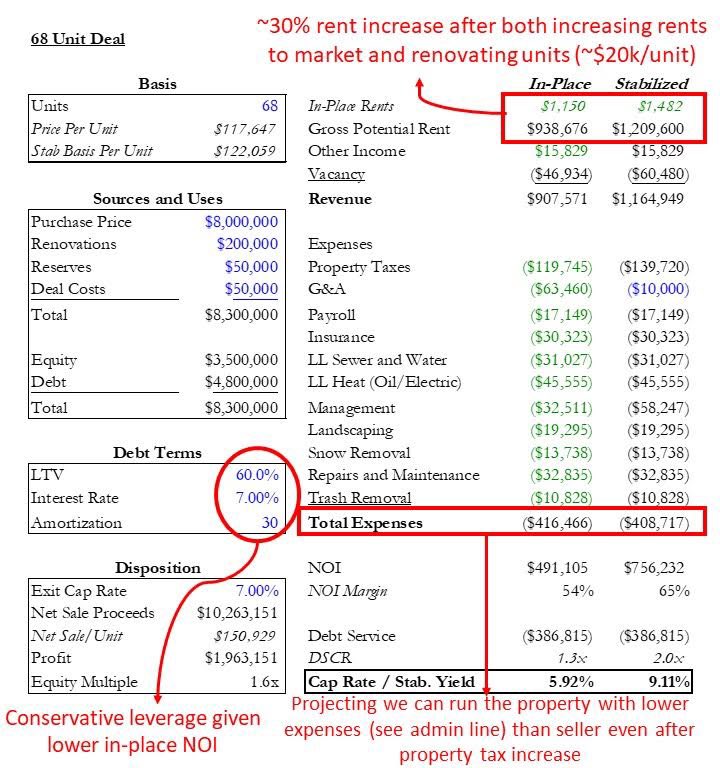
The deal is 68 units, split into 1/3 studios, 1/3 1-beds and 1/3 2-beds. The property is currently half renovated but management hasn’t done a good job of pushing rents
Business plan was to renovate the other 34 units and bring the other units to market, taking the revenue from $900k to $1.2MM and bringing the NOI from $491k to $756k, stabilizing the property at 9.11%, a 211 bps spread from the market cap rate – which would result in $2MM in profit and a 1.6x equity multiple
So the business plan was actually pretty simple. The tough part for this deal was the capitalization (how to structure the debt and equity). The deal was underwritten with a 60% LTV, 7% interest rate loan. Why’s that?
For a deal like this (where the in-place income is relatively low compared to the purchase price), you have to be a bit creative with the capitalization
You basically have 3 options:
1. Use high leverage bridge debt to fund the renovations
2. Use a low leverage bank loan and fund the renovations through equity
3. Increase the rents gradually and fund the renovations with cashflow
The problem with bridge debt is that it involves high leverage which drastically increases the risk of the deal. The problem with a low leverage bank loan and funding the renovations through equity is that it requires a huge amount of equity, which kills your returns
So how to solve this problem? I like to use a hybrid structure.
In this case, there are 68 total units and half of them have already been renovated by the current owners. I operate in the market and know that renovations should cost roughly $20k/unit. 68 units / 2 = 34 units left to renovate. 34 units * $20k/unit in renovations = $680k in total renovation dollars needed
As you can see, only $200k of renovation dollars have been funded up front
So where’s the rest coming from? Cashflow
The year 1 cashflow isn’t much (roughly $100k, NOI minus debt service). But the rents are well below market and there are 10 units we can renovate immediately ($200k renovation dollars/$20k per unit)
So by the end of year 1, 44 of the units would be fully renovated and the unrenovated units would be marked to market. That would bring the yearly cashflow to $200k-$300k
Then we would simply take the cashflow from the property and reinvest it into unit renovations every time a unit turns…
The Queen of England died 12 months ago.
She ruled a nation and accumulated more wealth than 99.99% of humans…
And…yet…you haven’t thought about her except for this post.
You’re gonna die.
Everyone will move on.
Do what you want.
Many founders underestimate how much they need to spend on marketing & sales
My business got to ~$3 million by spending $30k a month on sales & marketing
When we ratcheted that up to $80k, we hit $20 million shortly after
But many can't stomach spending that much in a month
The tax lifecycle of real estate:
1. Buy with leverage
2. Cost segregate and depreciate initial capital in
3. Stabilize and borrow tax free against asset
4. Enjoy low tax cashflow year over year
5. 1031 exchange into larger asset, repeat
6. Die and step up basis
7. Heirs repeat
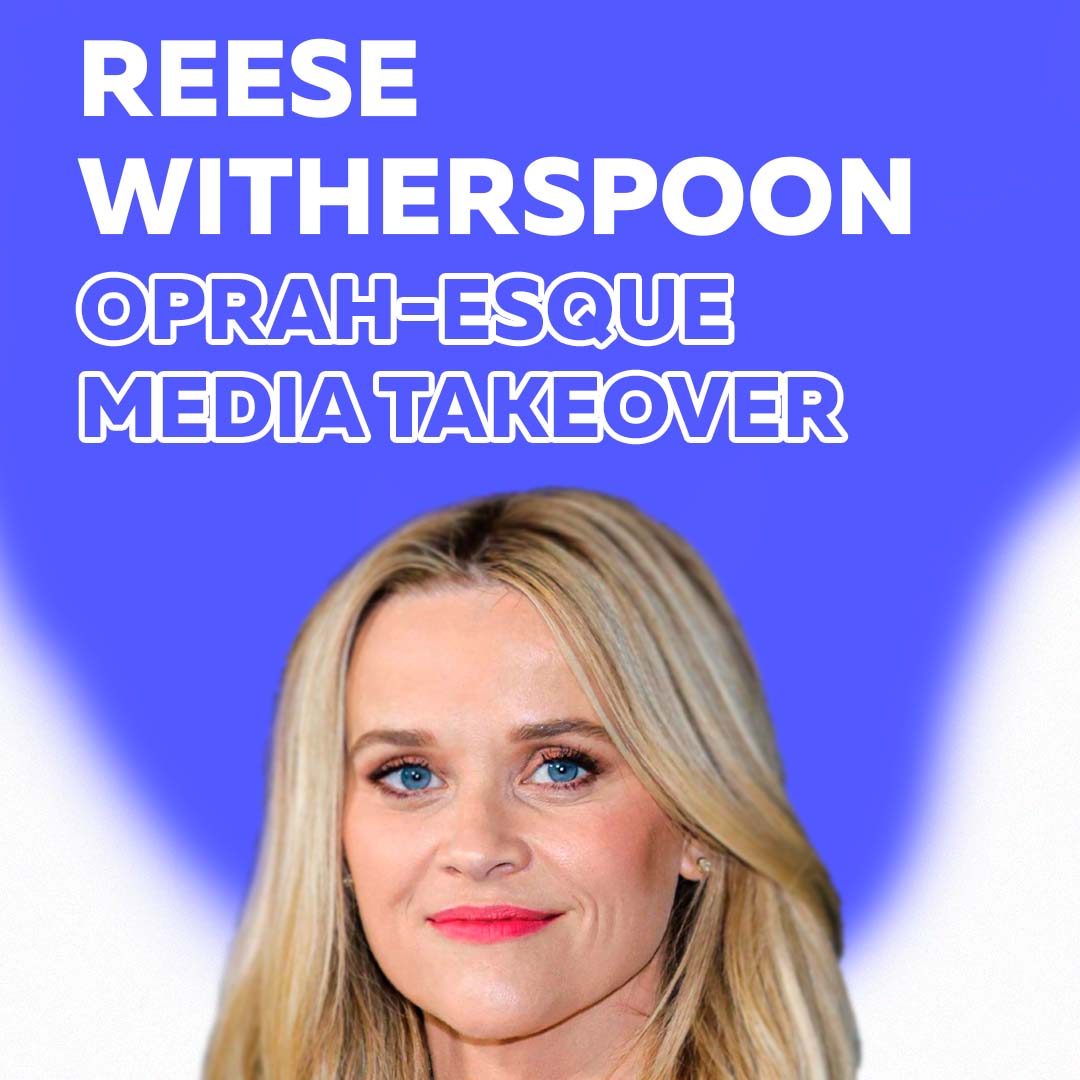
While most know Reese Witherspoon for her acting, something slightly less-known is the actress’ passion for reading
Reese Witherspoon approved episode: https://t.co/MGvVikeTGT
#witherspoon#netflix#bookclub#viral#billionaire
“Shop like a Billionaire” is’ Temu memorable slogan .. as they became the most downloaded shopping app in the US - blowing past giants like WalMart, Amazon & Target
Watch now https://t.co/4nJ5a8BywA
#temu#money#billioner#shopping#shop#walmart#amazon#target
“Shop like a Billionaire” is’ Temu memorable slogan .. as they became the most downloaded shopping app in the US - blowing past giants like WalMart, Amazon & Target
Watch now https://t.co/4nJ5a8BywA
#temu#money#billioner#shopping#shop#walmart#amazon#target