Nashwa Fathimath, South Central Regional Commander of the Maldives Police Service, is the country’s highest ranking female officer, and was recently one of a number of international officers to complete the UK Executive Leaders Programme; she spoke to Policing Insight’s Sarah Gibbons about the benefits of sharing international learning and experiences, the strengths of the training, and her hopes for female colleagues in the future.
[SUBSCRIBER ARTICLE]
https://t.co/j1aSkr1xuC
@CollegeofPolice@PoliceMv
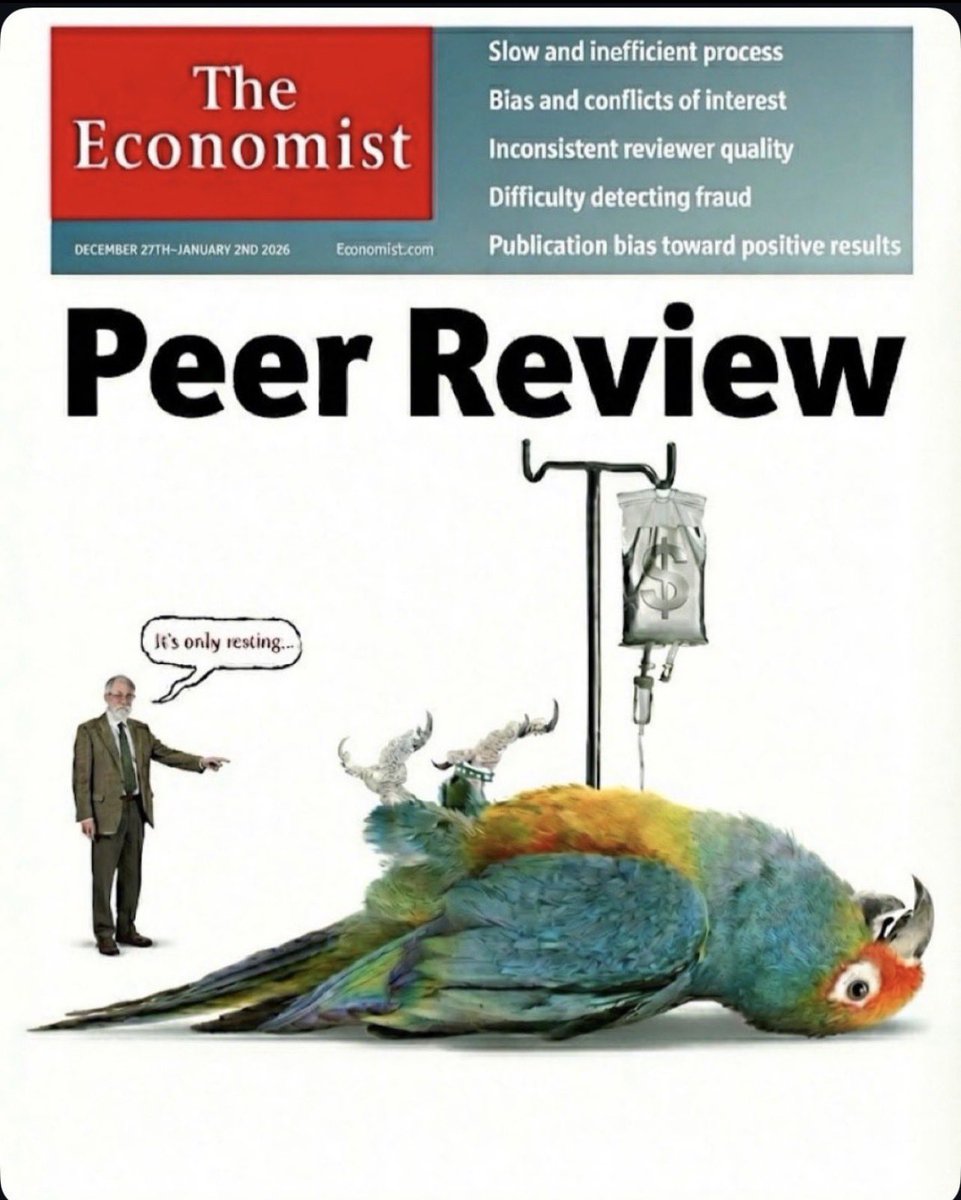
Peer review was supposed to be science’s quality filter, but somewhere along the way it started acting more like a bouncer who only lets in the regulars. It’s slow, it tends to favor established labs and familiar names, and it gets uncomfortable around anything too unconventional. Papers loaded with mountains of data tend to cruise through, while bold ideas that actually challenge the consensus get stuck in limbo or turned away at the door.
The irony is that where a paper gets published almost never determines its real worth. What actually matters is what the scientific community does with it afterward, whether people cite it, argue with it, build on it, or use it to blow up a long-held assumption. That’s where the value lives, not in the journal’s logo.
A major survey a few years back found that roughly 70% of researchers think the current system is fundamentally broken, and it’s not hard to see why. Publicly funded research hides behind paywalls, editors chase whatever topic is hot that month, and the whole incentive structure pushes toward safe bets over genuinely risky and potentially important work.
Science has always been complicated and deeply human and full of ego and inertia, but the conversation is shifting.
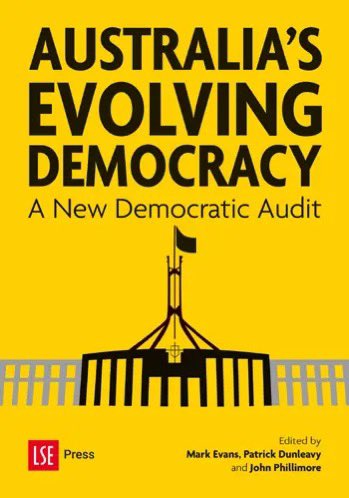
Many thanks from all our authors to the 16,400 readers who have downloaded a copy of our book "Australia's Evolving Democracy" since publication 15 months ago. It's free, one-click open access here, and always will be.
https://t.co/XVcH5u28gO
🔏 Safer Internet Day 2026
Today is Safer Internet Day, a moment to pause and think about how safe, confident and resilient we really are online - both at work, and at home.
At the Cyber and Fraud Centre - Scotland, we see every day that most cyber incidents don't start with 'advanced hacking'. They start with human moments:
🔵 A rushed click.
🔵 A convincing email.
🔵 A phone call that doesn't quite feel right.
That's why Safer Internet Day matters. It's about practical awareness, not fear mongering.
If you're looking for straightforward guidance you can actually use, these resources from our website are a good place to start:
🔵 Cyber hygiene basics - simple steps every organisation should have in place - https://t.co/wIHhS8ATfp
🔵 Incident response advice - what to do before something goes wrong, not just after - https://t.co/70eoDduOMh
🔵 Cyber strategy for small organisations - how to build cyber resilience in a strategic, managed way - https://t.co/P4qOJkC8vp
🔵 Penetration testing - when to test, what you might find and what to do next - https://t.co/uvk7l5ssBt
🔵 Growing cyber skills in your organisation - https://t.co/I9o8BFrkto
All free and designed to help you build a positive cyber security culture.
Safer Internet Day is a reminder that cyber resilience isn't just an IT issue. It's a people issue. Small actions, taken early and regularly can make a big difference.
Get in touch with our team for a free, no obligation chat, if you'd like to discuss how to improve your cyber posture.
#SaferInternetDay
Strong policing starts with strong evidence. The latest President’s Message in #PoliceChiefMag discuss the essential role police-researcher partnerships strategies in improving public safety. By measuring outcomes, evaluating efforts, and learning from data, police leaders can better address crime at its roots. https://t.co/7JOshWgv9f
#ResearchInPolicing
Criminology PhD student Jacob Verrey has devised a new fairness scale for machine learning. His hope is that it can reduce the risk of these systems entrenching systemic biases, while improving their ability to predict reoffending.
Learn more: https://t.co/wayNshBb3A
Hotspot patrols (🏴) to reduce anti-social behaviour (minor public incivilities) didn’t lead to any change in residents’ perception of ASB frequency. The evaluation report includes lots of useful lessons for similar programmes in future:
https://t.co/esCIiOYlu4
Official commissioning ceremony of vessels granted by the Government of Japan to the Maldives Police Service.
We extend our sincere gratitude to the government of Japan for the for their generous support in enhancing our marine fleet and further developing MPS resources.
The oceans are becoming the new frontlines of global security.🌏
At the UN Security Council today, I spoke on why threats at sea can sink economies, disrupt food supplies, and can become source of instability.
🔗 Read more on https://t.co/u436CfQmkl
The Maldives Police Service (MPS), in collaboration with Israhvehinge Naadhee, conducted an awareness programme today to educate older citizens on safe internet use and recognising online scams.
Read more: https://t.co/vaIhr9TpWb
https://t.co/vaIhr9TpWb
List of university presses that offer free access to academic books (links included):
You can read books online for free and also download their PDFs.
If you know any press like this that's not included in the list, please post about it under this thread.
Pamela now takes us through the final part of “wee Craig’s” story where she explains how restorative justice can positively impact upon children in conflict with the law to finalise our last panel of #YJConf25
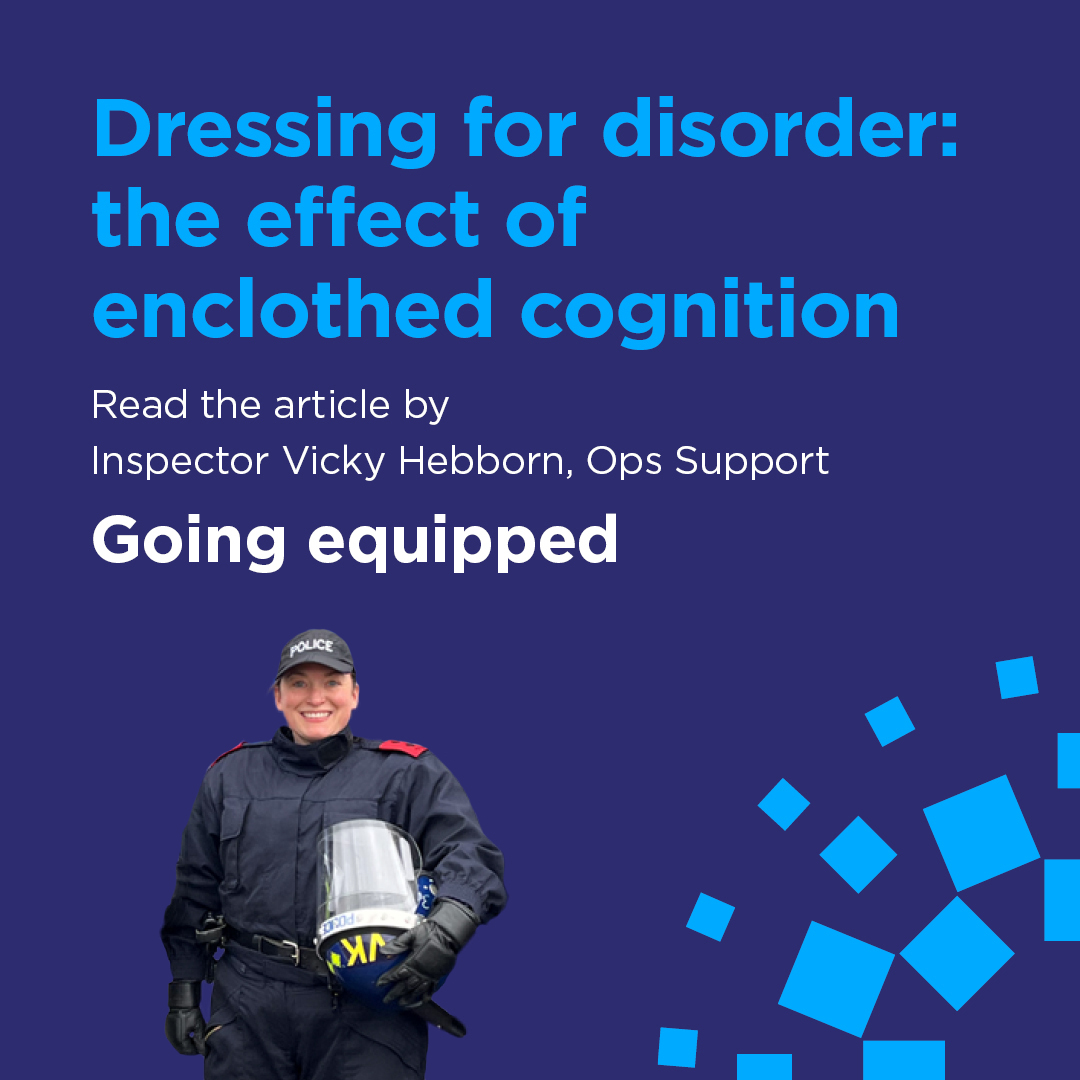
Can uniform shape how officers think about their role? 👮♂️
New research from @NorfolkPolice's Inspector Vicky Hebborn explores how uniform can shape confidence, risk perception and sense of purpose.
Read more in #GoingEquipped: https://t.co/GqByRF9LVv
Episode 108 is here! We speak with Professor Tom Tyler about the beginning of his career, his contributions to criminology (i.e., procedural justice and legitimacy), and his thoughts on the discipline!
https://t.co/ZO5toO2ncc


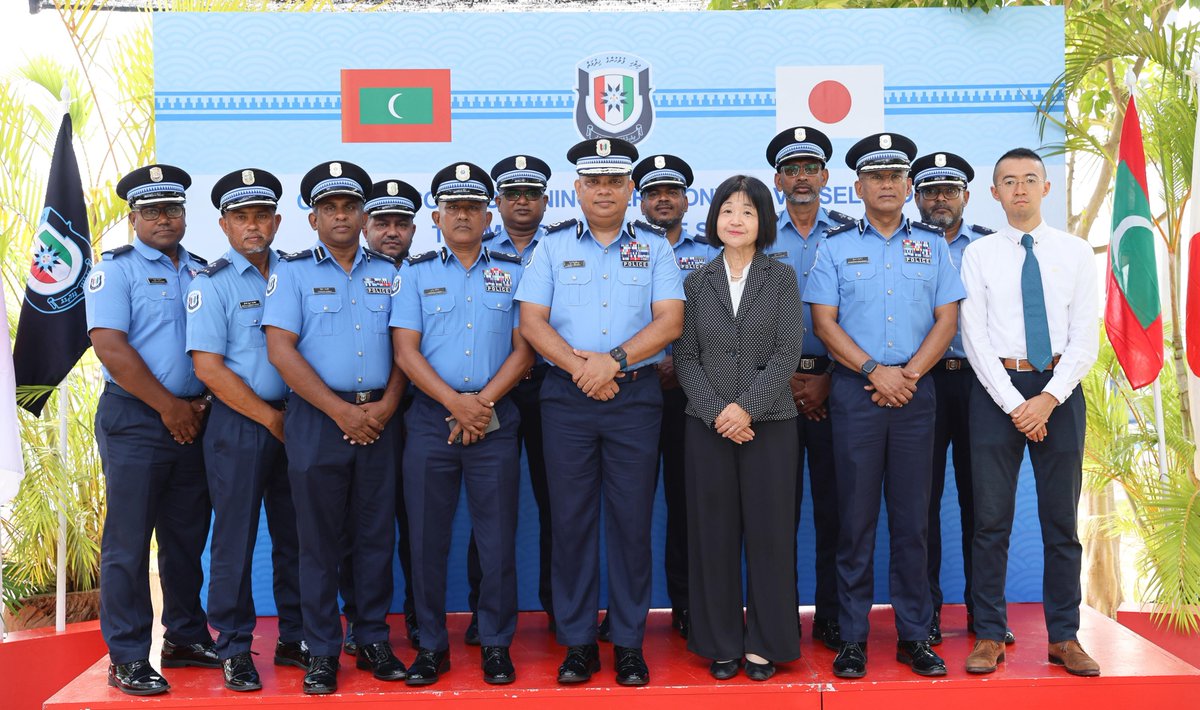




![PolicingInsight's tweet photo. Nashwa Fathimath, South Central Regional Commander of the Maldives Police Service, is the country’s highest ranking female officer, and was recently one of a number of international officers to complete the UK Executive Leaders Programme; she spoke to Policing Insight’s Sarah Gibbons about the benefits of sharing international learning and experiences, the strengths of the training, and her hopes for female colleagues in the future.
[SUBSCRIBER ARTICLE]
https://t.co/j1aSkr1xuC
@CollegeofPolice @PoliceMv](https://pbs.twimg.com/media/HQzTBqhWAAErVG_.jpg)