Why do major outlets keep framing brain decoding research as a dystopia in waiting? (NYT this week, MIT Tech Review last month)
Maybe it’s the “mind reading” label, or maybe fear just drives engagement, but bookending these pieces with hints that AI will soon read out your deepest secrets, detect your lies, or serve you brain-optimized ads does a disservice to the richer, more optimistic conversation I think the work deserves
fMRI in particular is far too noisy and fragile to ever be useful for lie detection or nonconsensual decoding (moving your head a few mm ruins the scan, decoding only works with a cooperative person, MRI is expensive & a huge immovable machine)
What we are near are brain foundation models and other neuroAI advances getting good enough to help patients in new ways like reducing symptoms, detecting lesions, tracking clinically meaningful outcomes
Where’s the discussion of treating psychiatric disorders with real-time fMRI neurofeedback? Or using brain foundation models to predict disease progression and treatment response, or to speed up drug discovery?
These ideas have real research going on right now, not in an unknown dystopian future, and yet with the current media coverage on the research the average person wouldn't know, and may instead be scared rather than optimistic
Note: neuroethics & discussion on mental privacy are important! but coverage should spend at least as much time on what this research can do for good as on what could go wrong
I find it frustrating that AI people fundamentally don't understand how science works.
Science has never been roadblocked by computation.
Let me give you a concrete example. Nucleic acids (DNA, RNA) were first discovered by the Swiss physician-chemist Friedrich Miescher in 1869. He made an extract from white blood cell nuclei. The extraction technique was one that typically extracted proteins from a cell. But in this case, Miescher noticed that his extracts contained no sulfur. (Proteins contain sulfur.) Also, strangely, the extracts contained phosphorus (something NOT found in proteins). He called his extracts "nuclein" (to distinguish them from "protein").
Miescher measured the pH of his extracts. They were acidic. We now call the macromolecules his discovered "nucleic acids."
There is no way computation would have predicted Miescher's discovery of nucleic acids nor would it have helped Miescher in any way.
For many years (1869 to 1944), proteins were thought to be the genetic material. No one believed nucleic acids were complex enough to encode phenotypes. Work by Avery and his colleagues (in 1944) showed that DNA, not proteins, must in fact be the genetic material. The Avery discovery did not hinge on computation in any way.
In 1950, Austrian biochemist Erwin Chargaff discovered that the amount of guanine in DNA equals the amount of cytosine, and also adenine equals the amount of thymine. This discovery did not hinge on computation and would not have been made easier by AI.
People who think AI will "solve biology" do not understand how scientific discovery works.
Thank you for asking the original question.
Ohhhh my god Ab plaque inhibitors have failed for like the past 20 years or so of course the plaque model is wrong— they’re probably just side products from an earlier causative change in the brain
Just frustrating how long it took people to pivot on this
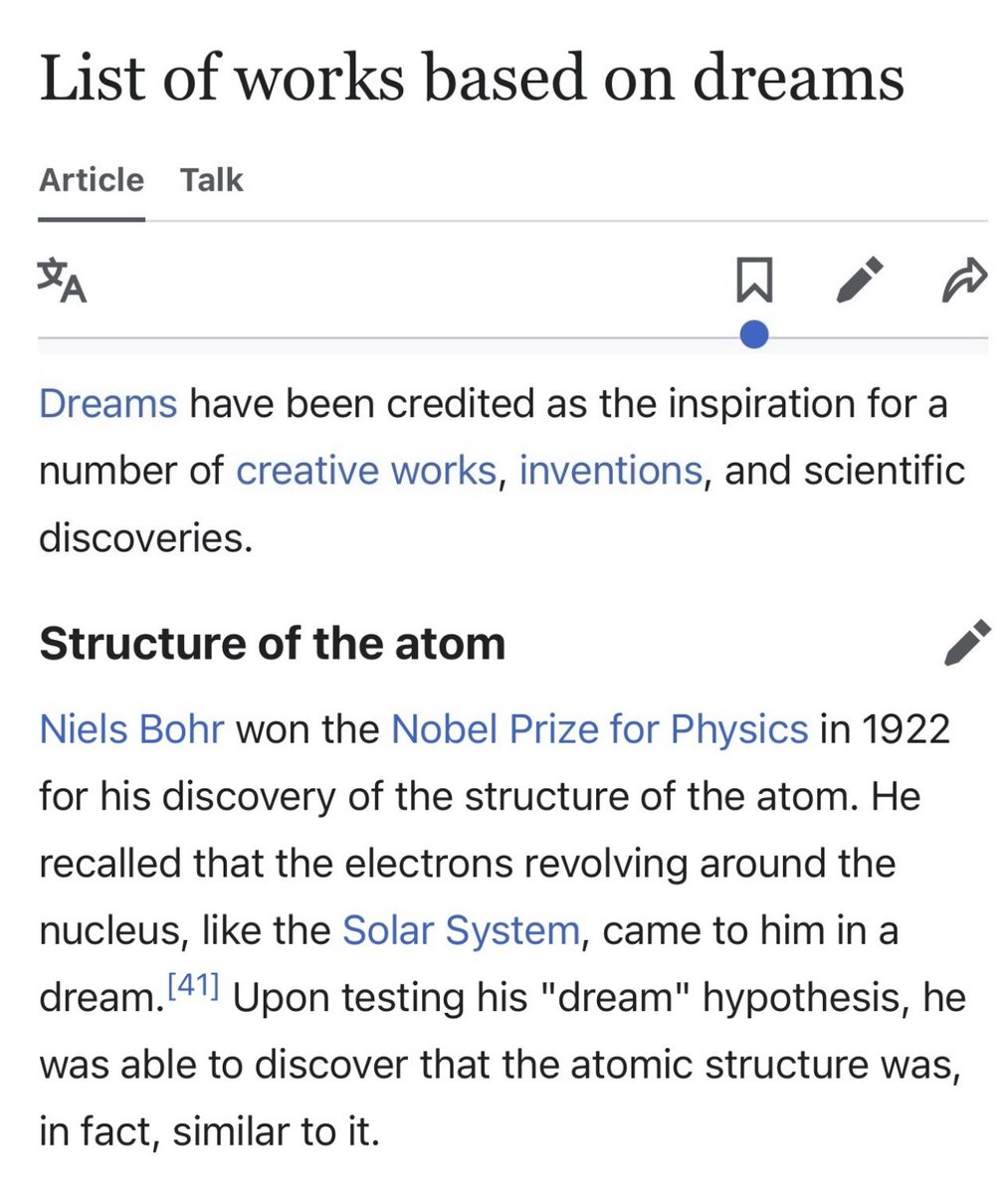
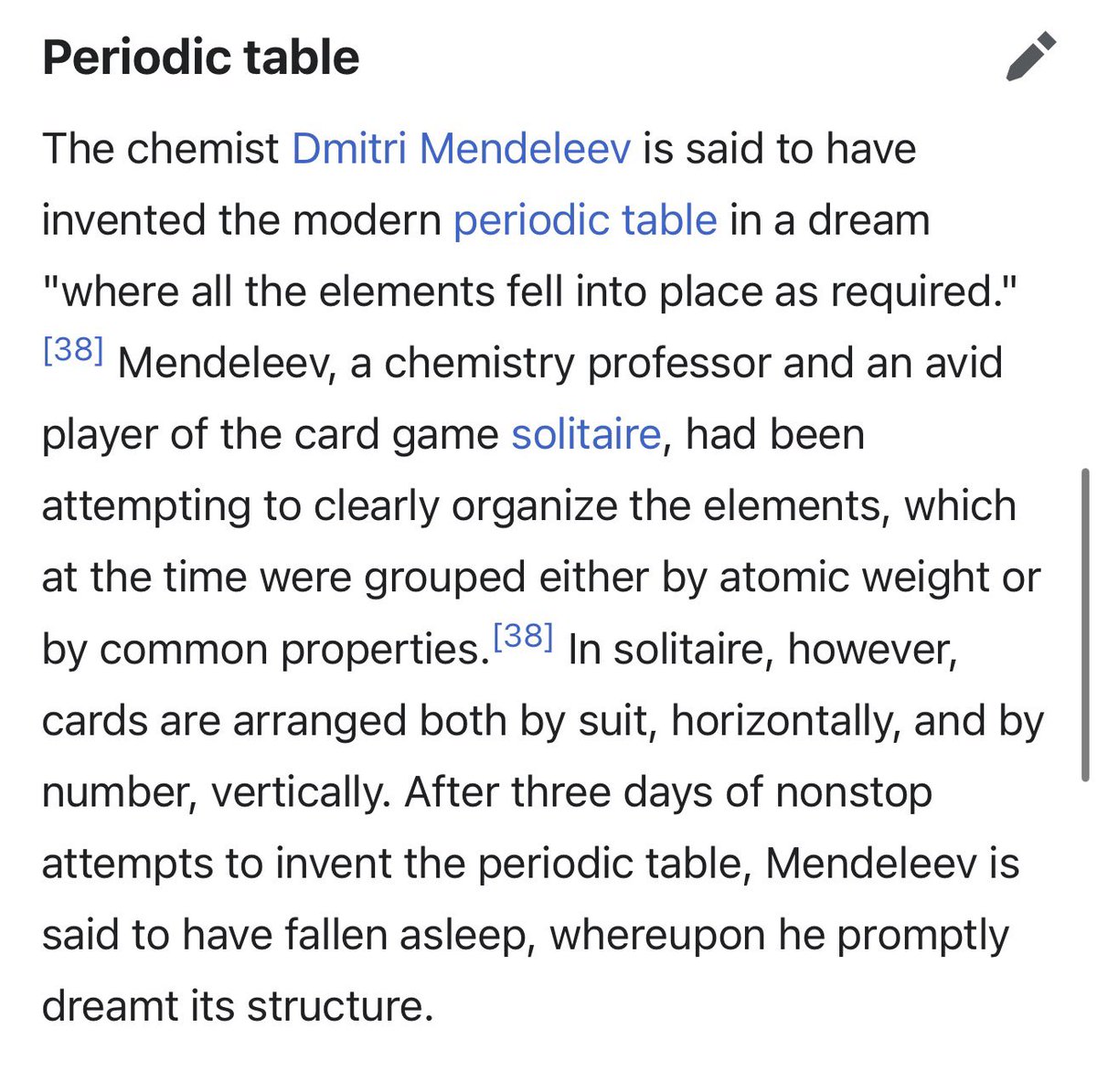
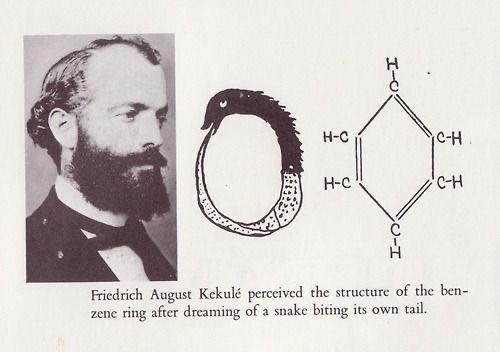
this is why michael jackson was onto something when he said he wanted to be receptive to creative ideas so that prince wouldn’t get them first. same thing carl jung said but in a different font. we all pull data from the same cloud
great answer from Lee Kuan Yew, on "playing the cards you were dealt" -- you can tell immediately why Munger worshipped him as a pragmatic thinker.
Q: "I’m just curious; could you give us your perspective on what is the meaning of life?"
LKY: "Life is what you make of it. You’re dealt a pack of cards. Your DNA is fixed by your mother and your father. You may be siblings, but you may get different parts or parcels of the DNA. Your job is to make the best of the cards that have been handed out to you.
What can you do well? What can you not do well? What are you worse at? If you ask me to make my living as an artist or a star, I just can’t draw. It wasn’t in my father or my mother, or my great-grandfathers and grandmothers. But if you ask me to do a mathematical question, argue your point out, and so on - that’s the cards I was handed, and I make use of them.
Don’t try and do something you were not favored by nature to do."
@AbuAbdulazizMM@hammam_2024 I’d probably add a lot of bespoke in office procedures too, like laser, peels, shave biopsy, Mohs with constant reevaluation. This are some working theories
@AbuAbdulazizMM@hammam_2024 lots of in person physical tests, like checking for blanching, Fitzpatrick sign, in office surgeries or biopsies, etc. still don’t fully agree with this analysis in the original tweet
@NikoMcCarty ideas/theory are not the rate limiting step in biology so naturally the same obvious ideas come up time and time again. Feasibility/in vivo results are the bottleneck
New Yamanaka preprint suggests rejuvenation by partial reprogramming must be optimized one cell lineage at a time. They investigate the key question of whether cells can become biologically younger, then recover their identity and function, while still maintaining the rejuvenation effect.
After the reprogramming was done, 3 human cell types took on quite different trajectories:
-Endothelial cells recovered their identity, retained a younger DNA methylation age and improved vascular function.
-T cells recovered only after shallow reprogramming but showed enhanced effector function.
-Fibroblasts retained a younger DNA methylation age but did not fully recover their proliferative capacity.
The authors' conclusion: "Partial reprogramming involves a lineage-specific tradeoff between rejuvenation and recovery that must be optimized one lineage at a time."
https://t.co/bHNqtjsUhY